
Does More Money Equal More Happiness?

The lesson explores the relationship between money and happiness, highlighting that while financial stability can enhance well-being, its impact diminishes once basic needs are met. It distinguishes between extrinsic happiness, which is tied to material wealth and status, and intrinsic happiness, derived from personal growth and meaningful relationships, emphasizing that true fulfillment often comes from within rather than from financial success. Ultimately, the lesson suggests that prioritizing intrinsic values leads to a more satisfying life.
How to Find Balance in the Age of Indulgence – Dr. Anna Lembke
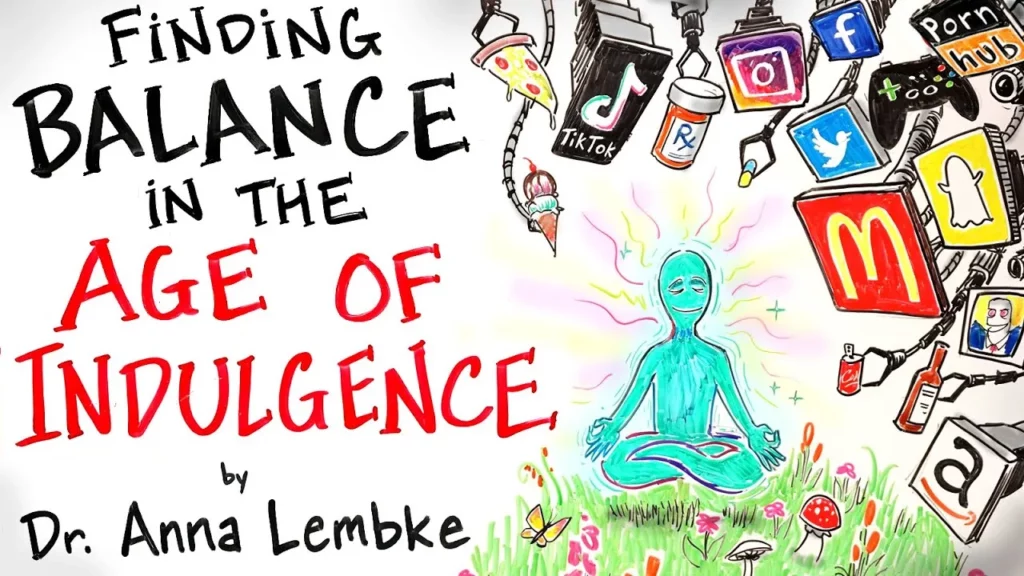
In this lesson, Dr. Anna Lembke explores the complexities of dopamine and its impact on happiness in a world filled with excess. She discusses the paradox of declining happiness in affluent societies, emphasizing the importance of maintaining a pleasure-pain balance and the risks of dopamine overload. Strategies such as dopamine fasting, setting boundaries on pleasurable activities, and embracing controlled discomfort are presented as ways to restore balance and enhance overall well-being.
The Benefit of Living With No Purpose – Alan Watts

The lesson “Embracing the Unpredictability of Nature” emphasizes the importance of trusting both the external world and human nature, despite their inherent unpredictability. It critiques the modern obsession with documentation and record-keeping, which often overshadows genuine experiences and the true essence of scholarship, originally rooted in leisure and exploration. By advocating for a mindset that appreciates purposelessness and the beauty of life without rigid expectations, the lesson encourages individuals to embrace the unknown and find fulfillment in the spontaneity of existence.
Fyodor Dostoevsky – Timeless Philosophy of a Tormented Genius – Written by Eternalised

This lesson explores the profound insights of Fyodor Dostoevsky, highlighting his exploration of existential and psychological themes that resonate with the complexities of the human condition. Through an examination of his life experiences and key works like “The Idiot,” “Crime and Punishment,” and “Notes from Underground,” the lesson emphasizes the importance of confronting existential realities, the struggle between intellect and conscience, and the quest for meaning amidst suffering. Ultimately, Dostoevsky’s narratives encourage a deeper understanding of our spiritual essence and the necessity of reconnection for true freedom.
Evidence That Your Mind is NOT Just In Your Brain – Rupert Sheldrake
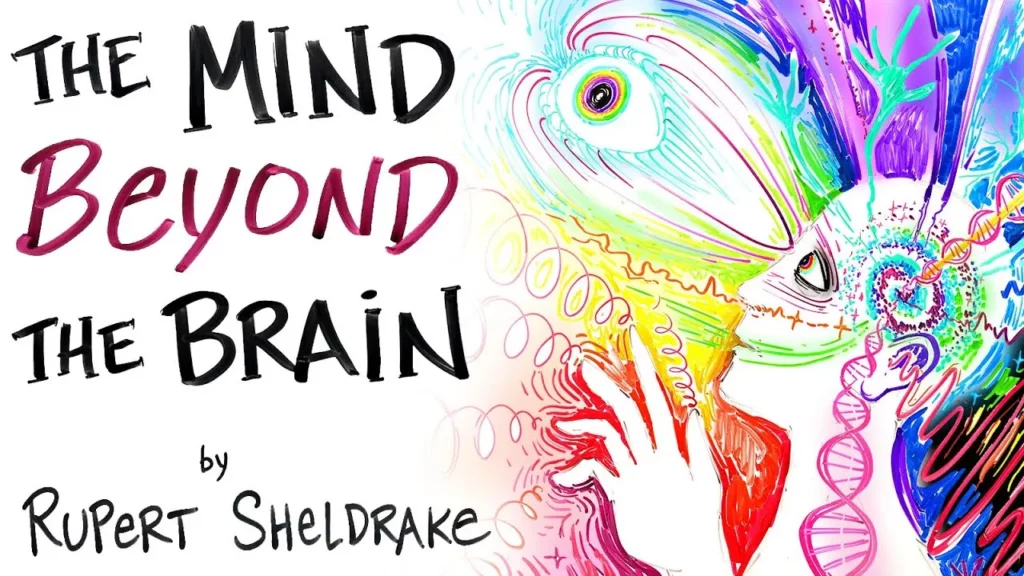
The lesson “Exploring the Mind Beyond the Brain” challenges the materialist view that confines consciousness solely to the brain, proposing instead that our minds may extend into the surrounding fields of influence, much like electromagnetic and gravitational fields. By examining phenomena such as vision and the sense of being observed, the lesson suggests that our consciousness interacts with these fields, offering a broader understanding of the mind’s relationship with the brain. This perspective encourages further exploration into the nature of consciousness and its potential extensions beyond the physical body.
How Feedback Affects Performance – Andrew Huberman – Growth Mindset
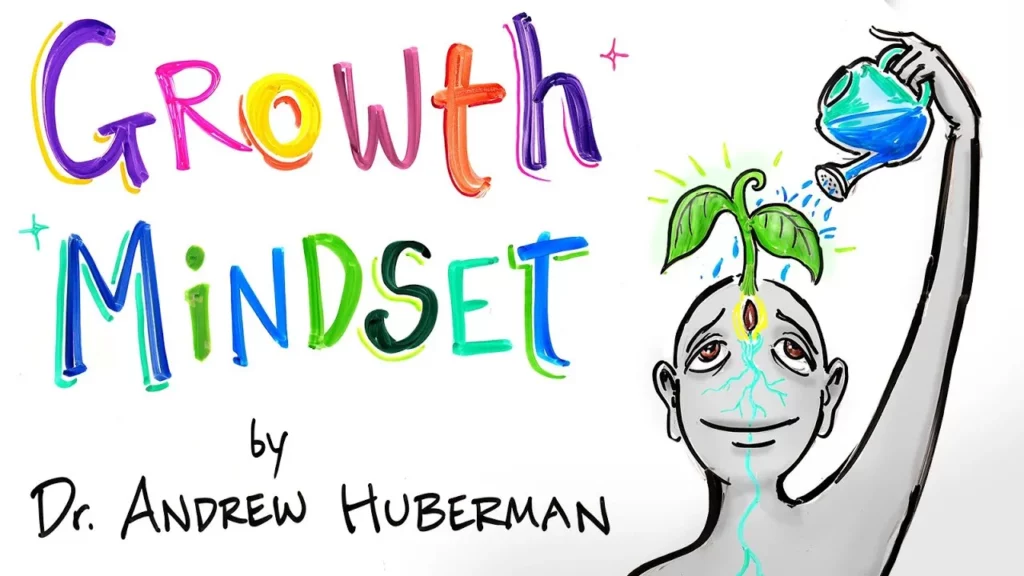
In this lesson, Andrew Huberman explores the concept of a growth mindset, which is the belief that abilities and intelligence can be developed through effort and perseverance. He emphasizes the importance of feedback, particularly how praising effort rather than inherent intelligence can foster resilience and a willingness to embrace challenges, ultimately leading to greater learning and personal growth. By reflecting on our self-perceptions and shifting our focus from performance to effort, we can cultivate a growth mindset that opens up new opportunities for development.
The Next Phase of Human Existence – Terence McKenna

The lesson “Embracing Change: A Journey Beyond the Present” emphasizes the importance of accepting and adapting to the inevitable transformations in our world, particularly in light of pressing global challenges like environmental degradation. It highlights the significance of spiritual guidance and the exploration of consciousness, suggesting that embracing impermanence can lead to deeper insights and a richer appreciation of life. Inspired by Terence McKenna, the lesson encourages individuals to reflect on their mortality and engage with new perspectives through resources like audiobooks.
How to Quickly Improve Focus – Andrew Huberman

This lesson, inspired by Andrew Huberman’s insights, emphasizes the strong connection between visual and mental focus, highlighting that enhancing visual concentration can significantly improve cognitive focus. It discusses the importance of alertness as a foundation for focus, practical techniques for visual concentration, and the necessity of balancing intense focus with breaks to optimize learning. By understanding and applying these principles, individuals can develop their attention skills and enhance their overall concentration.
Why Does February Have 28 Days??

The lesson explains the historical origins of February’s 28 days, tracing back to ancient Rome when the original calendar had only ten months. King Numa Pompilius later added January and February, with February being assigned 28 days to maintain an odd number of days in most months, reflecting Roman beliefs about luck. The calendar underwent further reforms under Julius Caesar, leading to the introduction of leap years to align it with the solar year, ultimately shaping the modern calendar system we use today.
The Secret History of LSD – From MK Ultra to Modern Mysticism – Thomas Hatsis
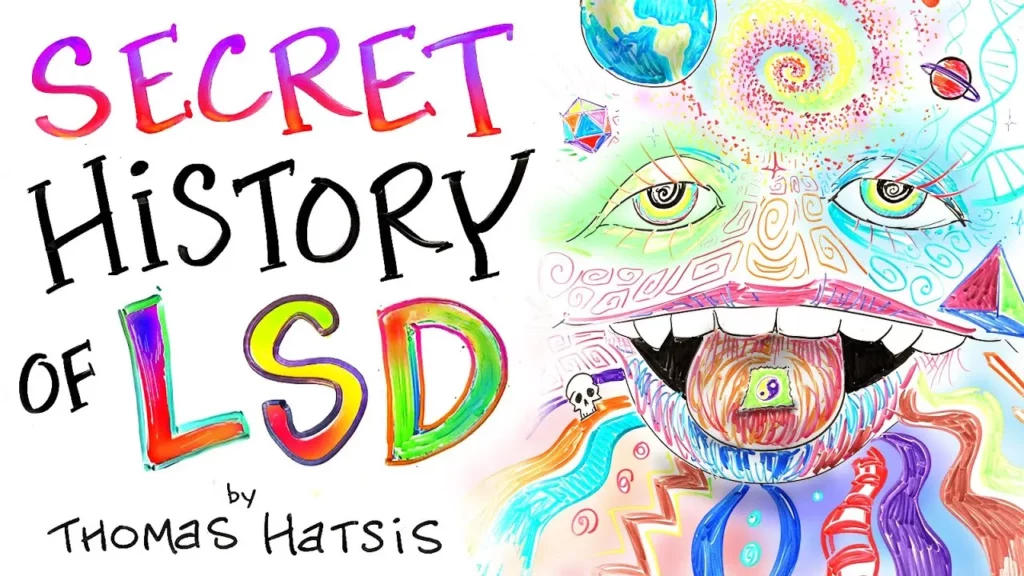
The lesson on LSD explores its complex history as both a tool for enlightenment and a source of societal upheaval, highlighting the duality of human nature. Initially discovered by Albert Hofmann in 1943, LSD was intended for therapeutic use but later became associated with misuse and unethical experiments. The narrative emphasizes the importance of understanding the potential for both good and ill in powerful substances, urging a responsible approach to their future use in personal and societal contexts.