
The Fourth World: An Encounter With Hopi Prophecy – Graham Hancock
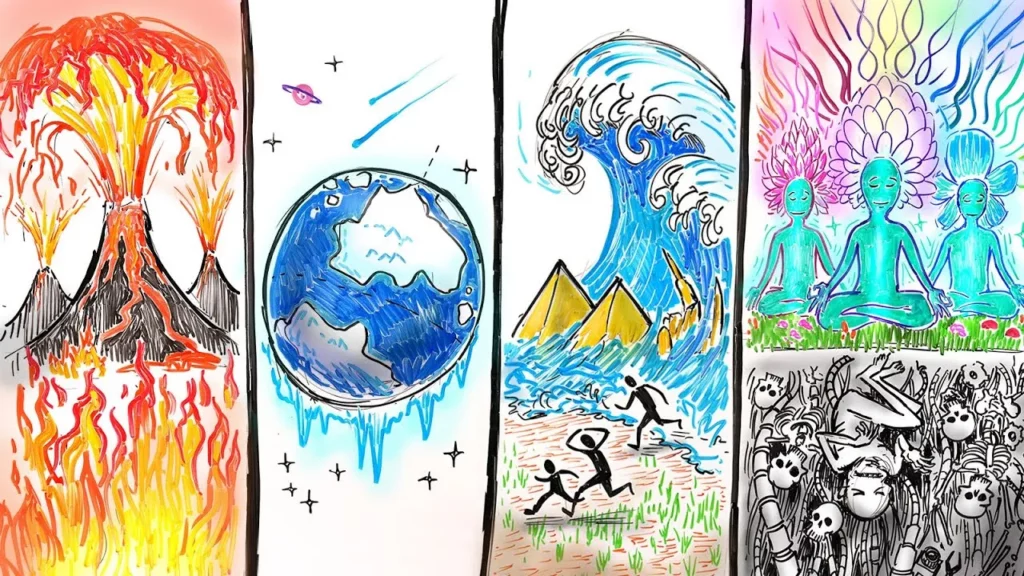
The lesson emphasizes the importance of understanding ancient warnings about potential disasters, as reflected in myths and traditions, particularly from the Hopi perspective. It highlights the need for humanity to learn from past mistakes, maintain respect for one another, and uphold cultural traditions to avoid repeating history’s catastrophic events. By recognizing the signs of decline and preparing both physically and spiritually, we can better navigate future challenges and align with the Creator’s intentions.
The Power of Radical Honesty – Dr. Anna Lembke
In this lesson, Dr. Ana Lembke discusses the transformative power of radical honesty, emphasizing its importance for personal growth, mental health, and building meaningful connections. She highlights the challenges of truth-telling, the evolutionary context of deception, and the benefits of embracing honesty, such as increased self-awareness and accountability. Ultimately, the lesson encourages individuals to commit to radical honesty as a means to enhance their lives and foster genuine relationships.
Carl Jung – How to Find Your Soul (written by Eternalised)
The lesson on Carl Jung’s journey of self-discovery emphasizes the importance of individuation, a process of psychological growth that encourages individuals to reconnect with their inner selves amidst the distractions of modern life. Jung argues that true happiness comes from embracing both our conscious and unconscious aspects, navigating life’s challenges, and nourishing the soul through self-reflection and exploration of dreams. Ultimately, this journey fosters personal wholeness and deeper connections with ourselves, others, and the natural world.
Who Would SURVIVE the Collapse of Civilization? – Graham Hancock
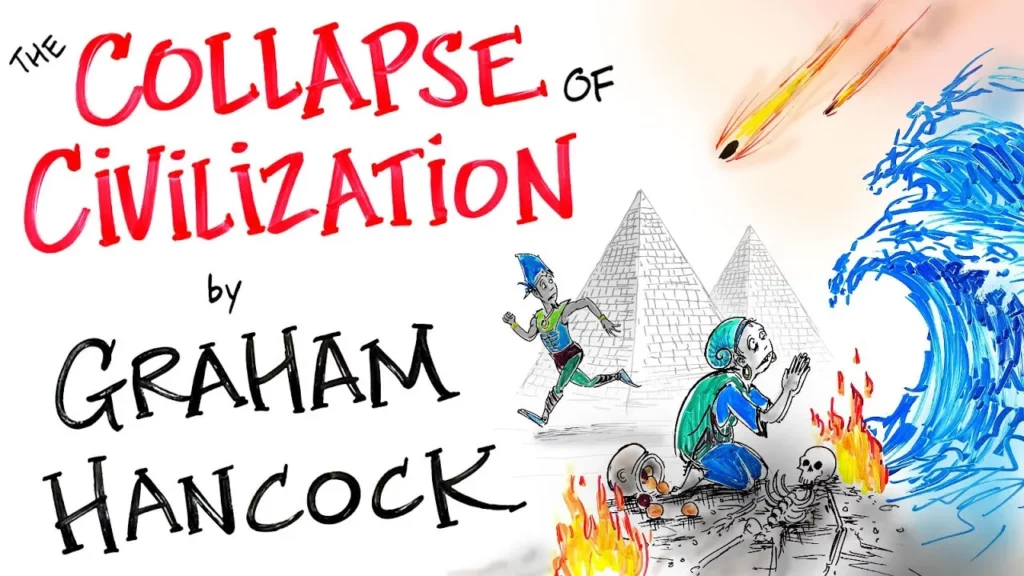
The lesson explores the concept of a lost advanced civilization that may have existed during the Ice Age, drawing parallels to our current society’s potential for collapse due to environmental neglect and social divisions. It emphasizes the importance of humility and respect for the world, warning that our arrogance could lead to a similar fate as those depicted in ancient myths like Atlantis. Ultimately, the lesson encourages us to reflect on our choices and strive for a sustainable future to avoid becoming the next lost civilization.
It’s NOT OK to be WEAK – Jordan Peterson Motivation
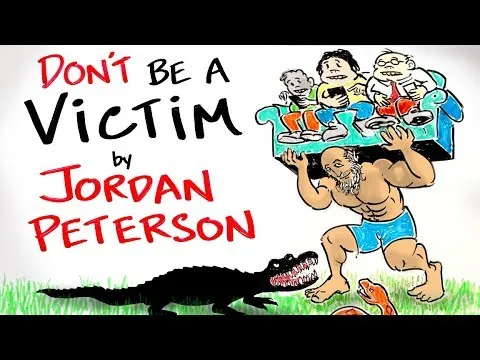
The lesson “Unlocking Your Potential: Embracing Challenges and Responsibility” emphasizes the importance of recognizing and confronting life’s challenges as a means to discover inner strength and resilience. By taking responsibility for our circumstances, we can find deeper meaning in life, which extends beyond personal fulfillment to positively impact our families and communities. Ultimately, embracing responsibility and acknowledging life’s difficulties can lead to transformative growth and a more stable foundation for happiness.
The Psychology of Malignant Narcissists – Academy of Ideas
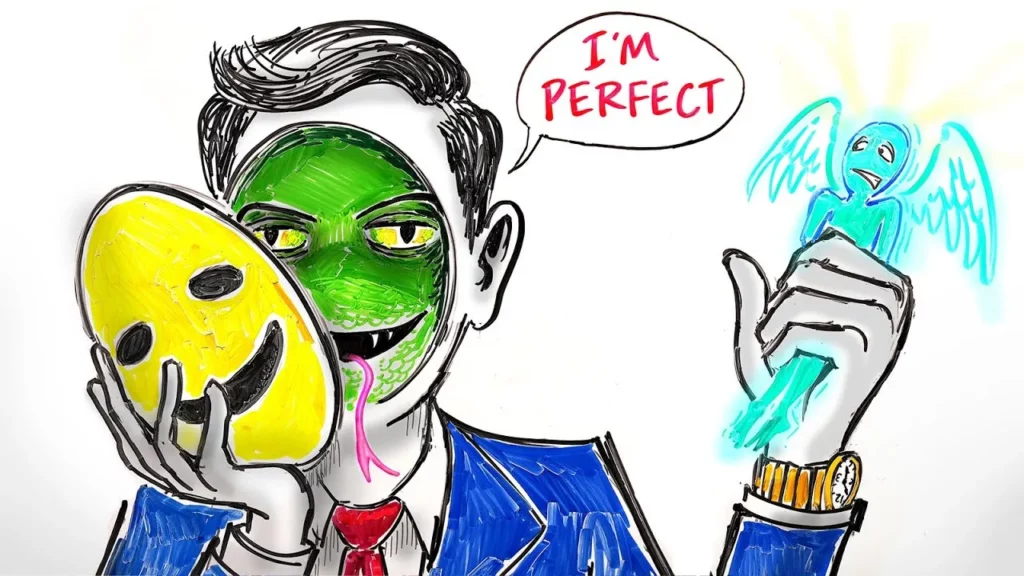
The lesson explores the nature of evil and malignant narcissism, emphasizing that self-righteous individuals, often seen in politics, may engage in harmful behaviors while believing in their own virtue. Drawing on M. Scott Peck’s insights, it highlights how malignant narcissism, characterized by a lack of empathy and an inflated self-image, can lead to societal harm through rationalization and scapegoating. The lesson encourages self-reflection to recognize our own potential for wrongdoing and advocates for promoting truth and integrity to combat deception in society.
The Prison of Narcissism – Eckhart Tolle
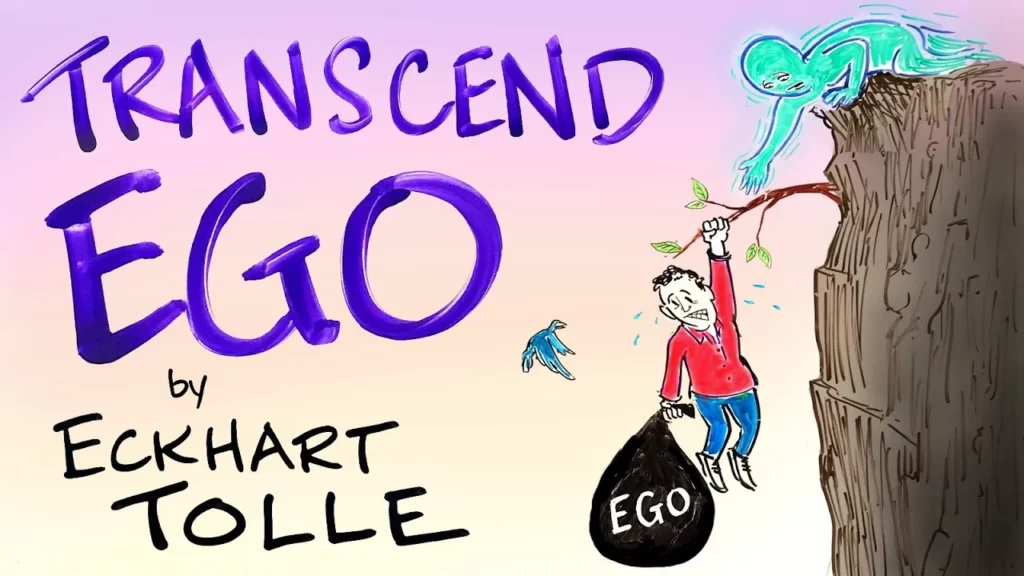
The lesson explores the concept of the ego as a constructed identity shaped by external factors and personal narratives, illustrated through the myth of Narcissus, which warns against excessive self-obsession. It emphasizes that the ego is a phantom self, leading to feelings of inadequacy and internal conflict, while contrasting human experiences with animals that live without such burdens. Spiritual teachings, particularly from Buddhism and Christianity, encourage individuals to awaken to their true identity, which transcends the ego and connects them to a deeper consciousness and the essence of the universe.
The Optimal Morning Routine – Andrew Huberman
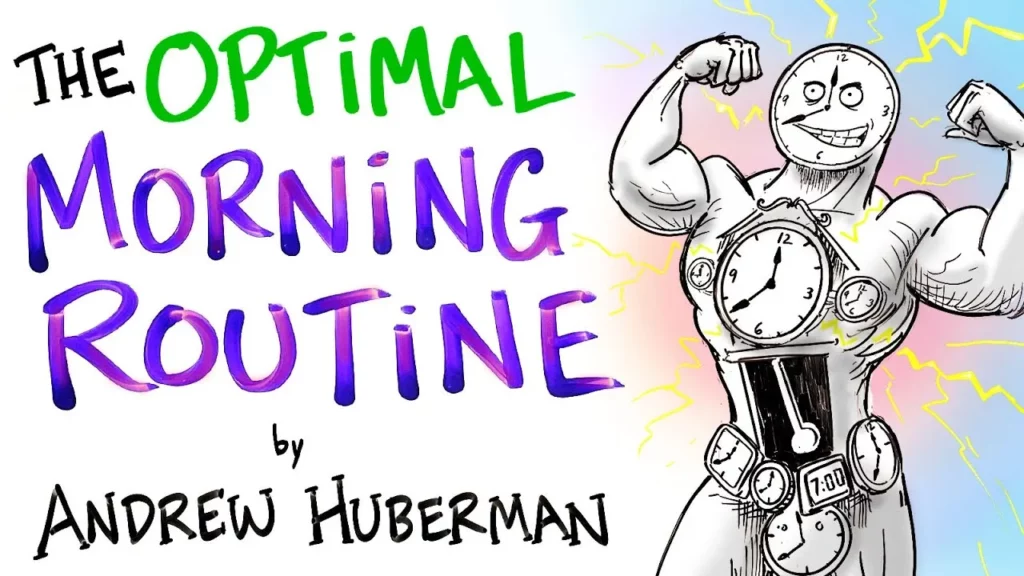
This lesson emphasizes the importance of optimizing your morning routine by incorporating science-based strategies from Andrew Huberman, a neurobiology expert. Key practices include exposing yourself to natural light shortly after waking, managing caffeine intake, and understanding your body’s natural rhythms to enhance focus, mood, and overall well-being. Additionally, maintaining a cool sleeping environment and engaging in physical activity can further improve sleep quality and daily performance.
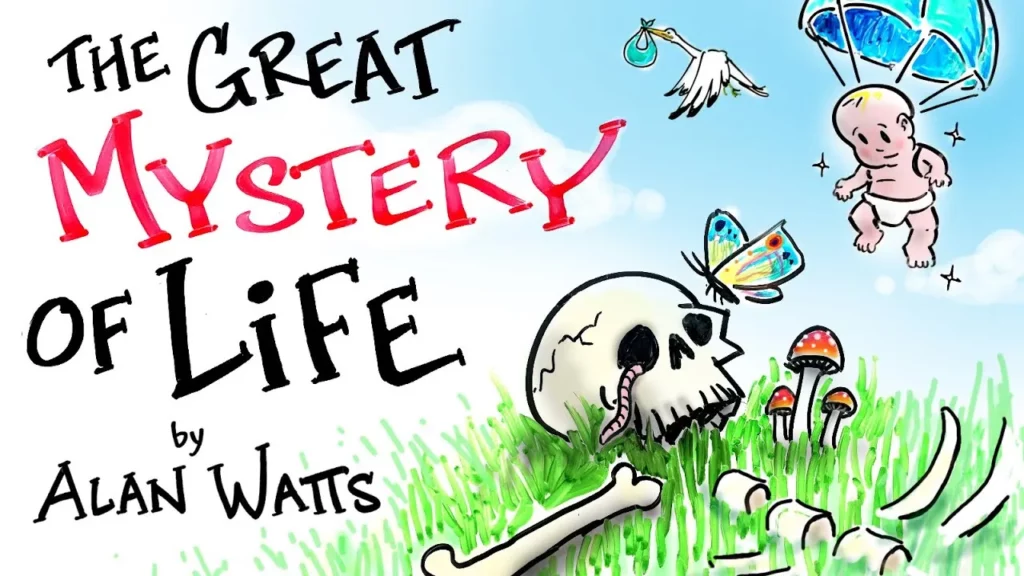
Why You Shouldn’t Want To Live Forever – Alan Watts
The water cycle is a vital natural process that continuously moves water around the planet through four key stages: evaporation, condensation, precipitation, and collection. It begins with evaporation, where the sun heats water, turning it into vapor, which then cools and forms clouds through condensation. Eventually, precipitation occurs, returning water to the Earth’s surface, where it collects in bodies of water and replenishes ecosystems, highlighting the cycle’s essential role in sustaining life and regulating the climate.
Words That Hide the Truth – George Carlin
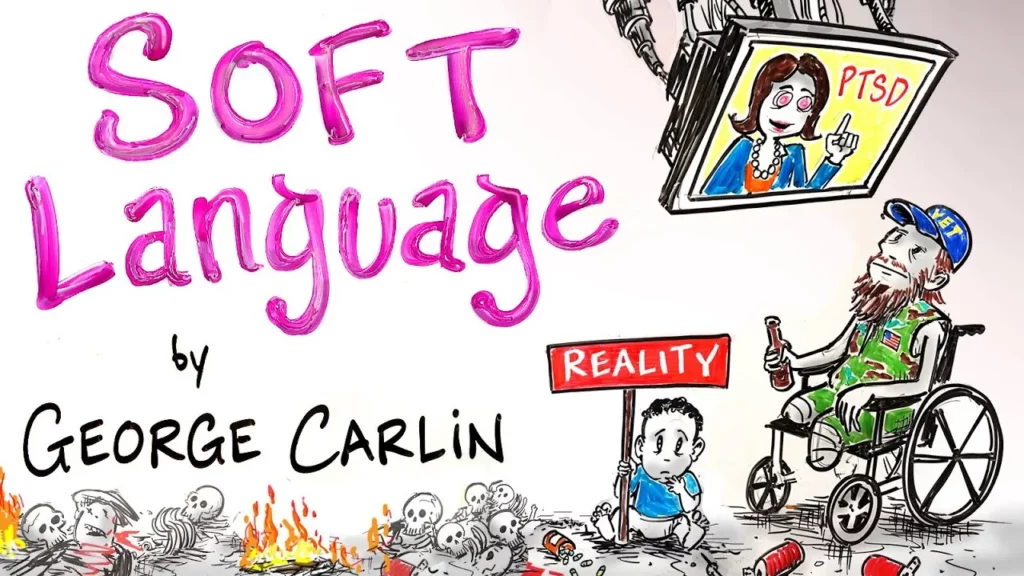
The lesson explores the concept of euphemisms, which are gentle or indirect expressions used to soften harsh realities in language. It illustrates how euphemisms have evolved over time, particularly in contexts like war, and highlights their prevalence in everyday language, often reflecting societal discomfort with directness. While euphemisms can promote politeness, they may also obscure truth and dilute the seriousness of certain situations, emphasizing the importance of clear and honest communication.