
The Art of Making Decisions – Alan Watts
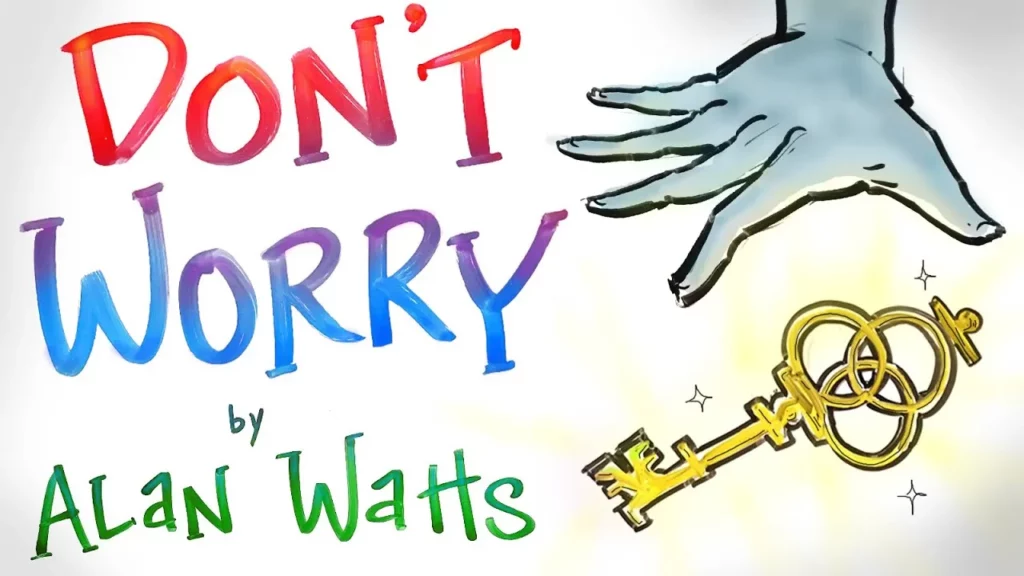
The lesson explores the nature of decision-making through a story about a farmer and his exceptionally skilled helper, who quits after being overwhelmed by the number of decisions involved in sorting potatoes. It highlights that while we often feel pressured to make well-informed choices, the reality is that we frequently rely on our instincts, and many decisions can turn out positively despite our worries. Ultimately, the lesson encourages trusting one’s intuition and recognizing that not every detail needs to be meticulously planned for a favorable outcome.
A Lack of Resources is NOT Your Problem – Tony Robbins
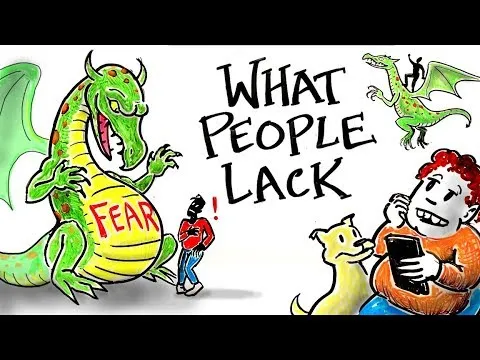
The lesson emphasizes that resourcefulness, rather than the availability of resources, is crucial for overcoming obstacles and achieving goals. By harnessing creativity, emotional strength, and determination, individuals can find solutions and inspire others, even in the face of fear and self-doubt. Ultimately, success is driven by mindset and the ability to adapt, rather than the resources at hand.
the NEED for Acceptance Will Make You INVISIBLE – Jim Carrey
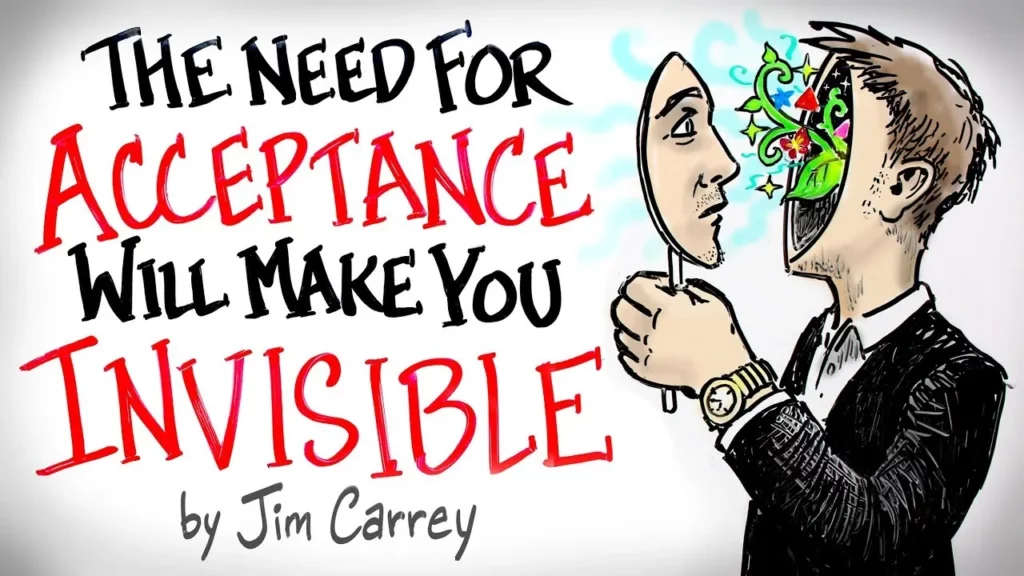
The lesson “Planting Seeds of Inspiration” emphasizes the importance of cultivating ideas and motivations that drive personal growth and action. It encourages individuals to seek inspiration through reading, conversations, nature, and new experiences, while also highlighting the need to maintain that inspiration by setting goals, staying positive, reflecting, and sharing with others. Ultimately, the lesson invites participants to identify and nurture their own sources of inspiration to become the best versions of themselves.
Your Rights Are An ILLUSION – George Carlin
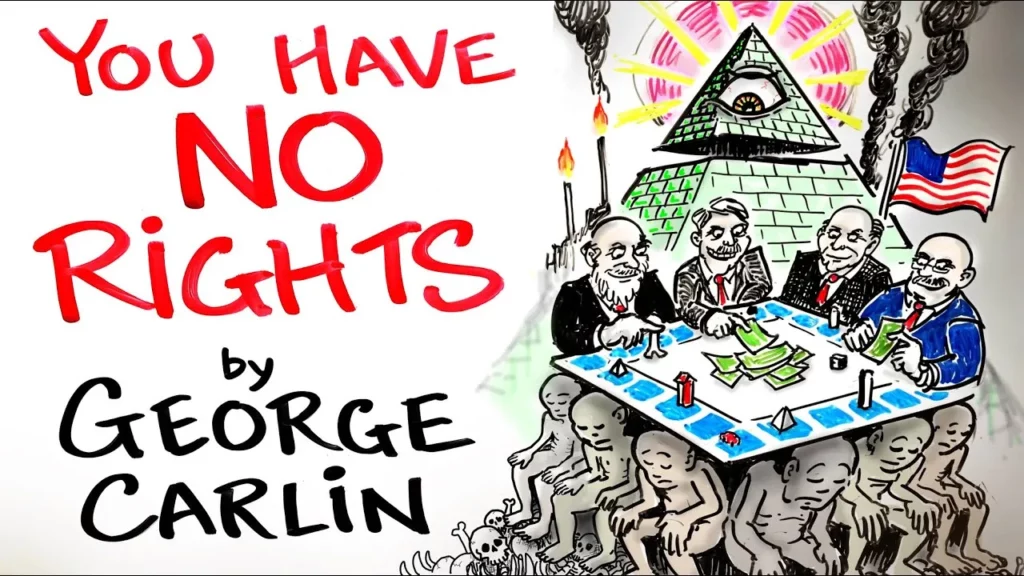
The lesson explores the complex nature of rights, questioning their origins and permanence. It argues that rights may be human constructs rather than divine gifts, as evidenced by historical examples like the internment of Japanese Americans during World War II, which illustrates how rights can be revoked. Ultimately, the lesson encourages critical examination of the concept of rights and their implications within societal power dynamics.
Left Brain Right Brain is a MYTH
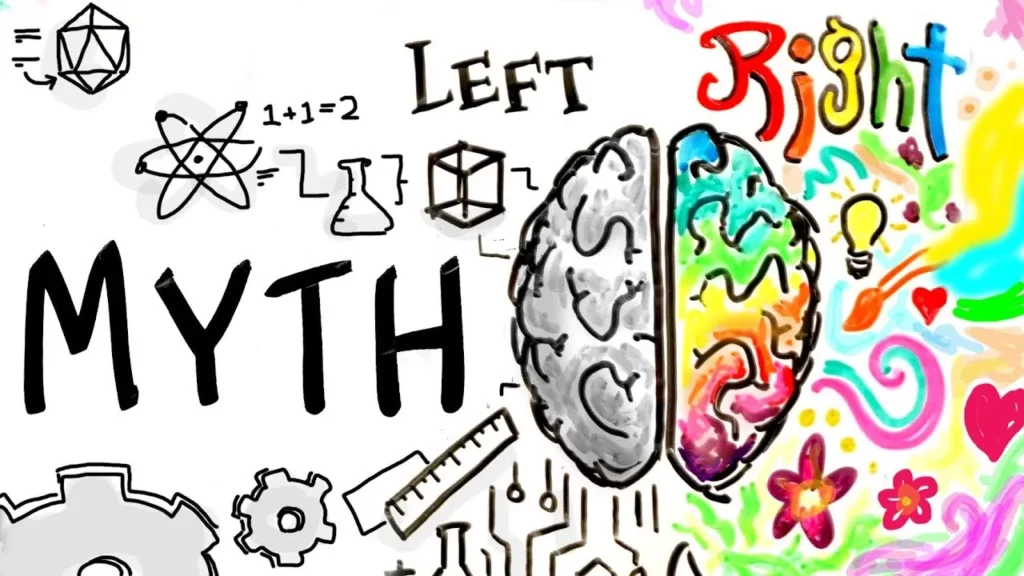
The lesson explores the complexities of the human brain, emphasizing that it is far more intricate than the simplistic notion of left-brain versus right-brain dominance. While the two hemispheres have different functions, they work collaboratively rather than independently, as evidenced by modern research and cases of individuals functioning normally with only half a brain. Ultimately, the lesson highlights the ongoing mysteries of the brain and the need for further exploration into its capabilities.
The Magic Mushroom Christmas Theory
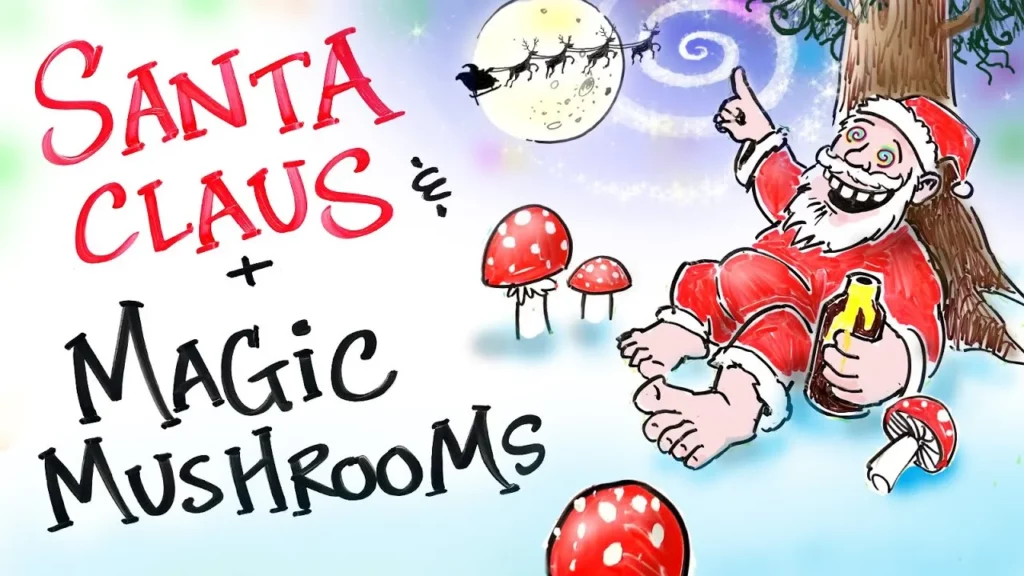
This lesson explores the intriguing origins of Christmas traditions, particularly their connections to the Amanita muscaria mushroom. It highlights how indigenous shamans historically used this mushroom during winter solstice celebrations, influencing customs such as gift-giving through chimneys and the symbolism of Christmas colors. Additionally, it discusses the links between Santa Claus, his reindeer, and the mushroom, suggesting that these elements reflect deeper meanings of love and life in holiday celebrations.
Life is NOT a Journey – Alan Watts
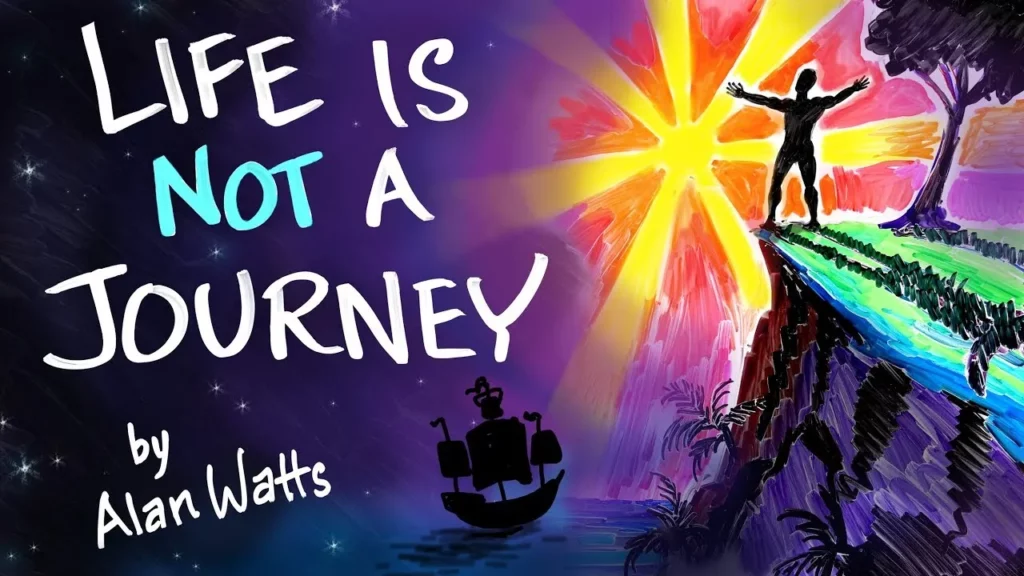
The lesson “The Playful Nature of Existence” invites us to view the universe as a playful entity, akin to music and dance, rather than a serious journey with a predetermined destination. It emphasizes the importance of enjoying the present moment and the process of living, rather than solely focusing on future achievements or goals. By embracing this perspective, we can transform our approach to life, finding joy in the journey itself rather than just the outcomes.
Busy People vs. Productive People
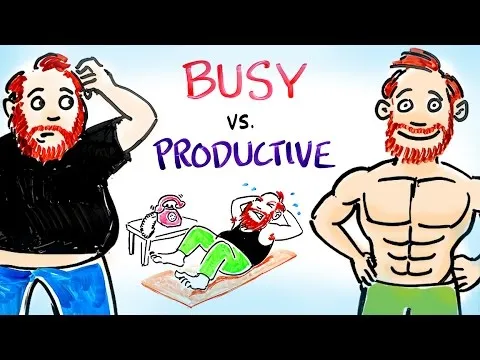
The lesson emphasizes the distinction between being busy and being productive, highlighting that busyness does not equate to effectiveness. It encourages individuals to prioritize tasks, say no to non-essential commitments, minimize distractions, set realistic deadlines, and maintain concise to-do lists to enhance productivity. Ultimately, the key takeaway is to work smarter by focusing on what truly matters, leading to greater accomplishments with reduced stress.
It is Impossible to Tell If Anything is Good or Bad – Alan Watts
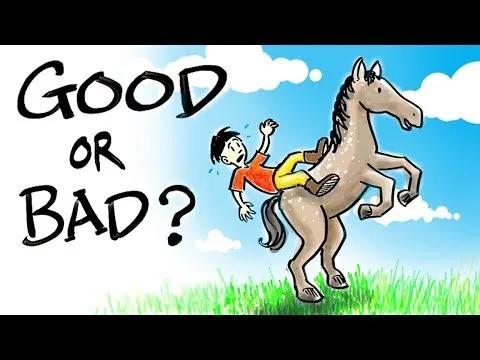
The story of the farmer and his horse illustrates the complexity of life and the unpredictability of events, emphasizing that what may initially appear as good or bad luck can have unforeseen consequences. The farmer’s consistent response of “Maybe” highlights the importance of maintaining an open mind and patience when faced with unexpected situations. Ultimately, the lesson encourages us to refrain from quick judgments and to recognize that the true impact of events may only become clear over time.
Happiness is NOT the Meaning of Life – Alan Watts
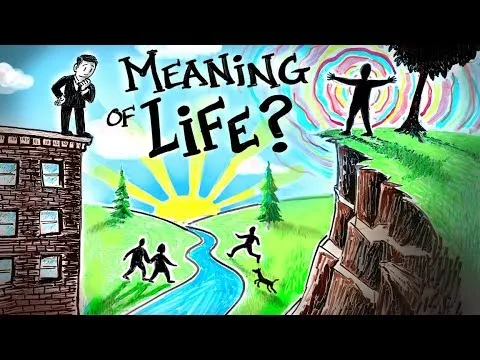
The lesson “Exploring the Power of Dreams and Choices” emphasizes the transformative potential of our choices and the experiences we create in life. It illustrates how indulging in dreams can lead to a desire for adventure and surprise, ultimately revealing that we are not merely passive participants but active creators of our reality. By recognizing our agency, we can appreciate the beauty of the present moment and embrace life’s adventures with a sense of empowerment and connection to a greater essence.