
Knowledge vs Thinking – Neil deGrasse Tyson
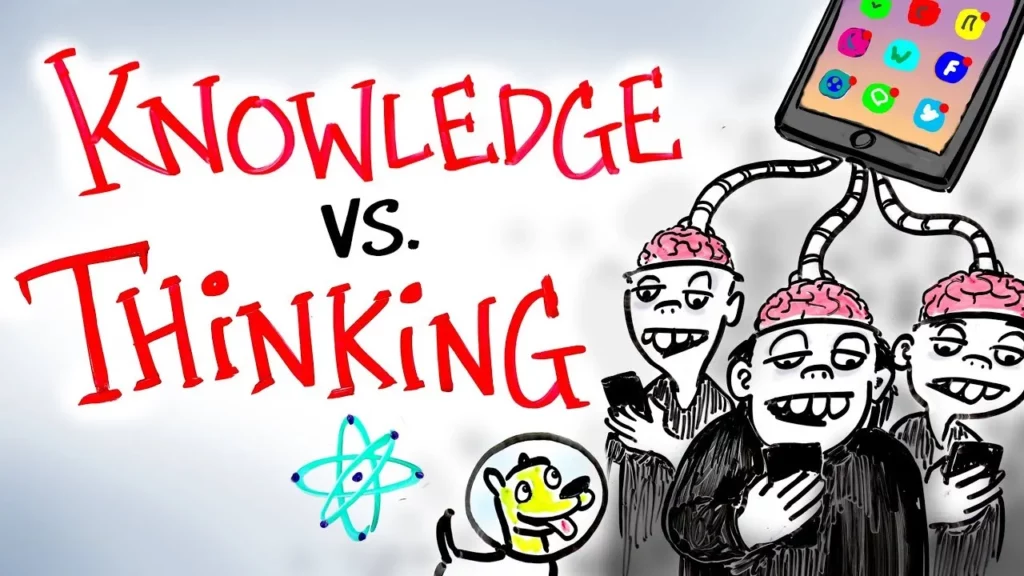
The lesson emphasizes the significance of critical thinking in today’s world, illustrating its value through a job interview scenario. It contrasts two candidates: one who provides a quick, memorized answer and another who demonstrates critical thinking by measuring and calculating the height of a building. The lesson concludes that the ability to think critically is more empowering than simply knowing facts, as it fosters problem-solving skills and adaptability in various situations.
Why Jumping Spiders Have the Coolest (and DEADLIEST) Eyes in Nature
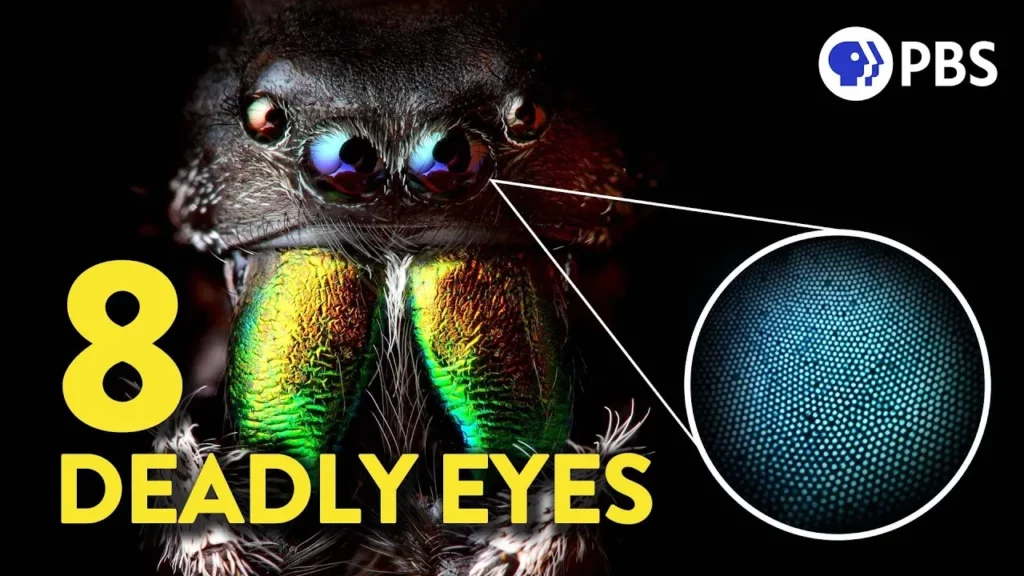
In this lesson, we explored the fascinating world of jumping spiders, known for their remarkable eyesight and unique behaviors. These spiders, part of the Salticidae family, rely heavily on their advanced vision for hunting and navigating their environment, showcasing a variety of adaptations that highlight the diversity of life. Through understanding their complex behaviors and visual capabilities, we gain a greater appreciation for these intriguing creatures.
Why Is Sex a Thing?
The lesson explores the biological purpose of sex, highlighting that while reproduction is a key aspect, the primary benefit lies in creating genetic diversity. This diversity enhances an organism’s ability to adapt to changing environments, despite the costs associated with sexual reproduction, such as time, energy, and the potential disruption of advantageous gene combinations. Ultimately, the lesson emphasizes that sex evolved as a mechanism for survival and adaptation through the lens of evolution.
What If Animals Gave Relationship Advice?
The lesson “Finding Love: Lessons from the Animal Kingdom” explores how various animals use unique strategies to attract mates, offering insights into human relationships. From the importance of scent and appearance to the role of creativity in courtship, the lesson highlights that, much like animals, humans can learn to express affection through displays of care, creativity, and shared experiences. Ultimately, it emphasizes the complexity of love and the value of embracing individual expressions of affection.
Making ???? by Smashing Balls

In this lesson, students learn about energy through a hands-on experiment involving the collision of two heavy balls. The experiment demonstrates the transformation of kinetic energy into thermal and sound energy upon impact, illustrating the principle of energy conservation, which states that energy can change forms but is never lost. This engaging activity encourages curiosity and exploration of scientific concepts in everyday life.
There Are Millions of Skeletons Hidden In Washington, DC
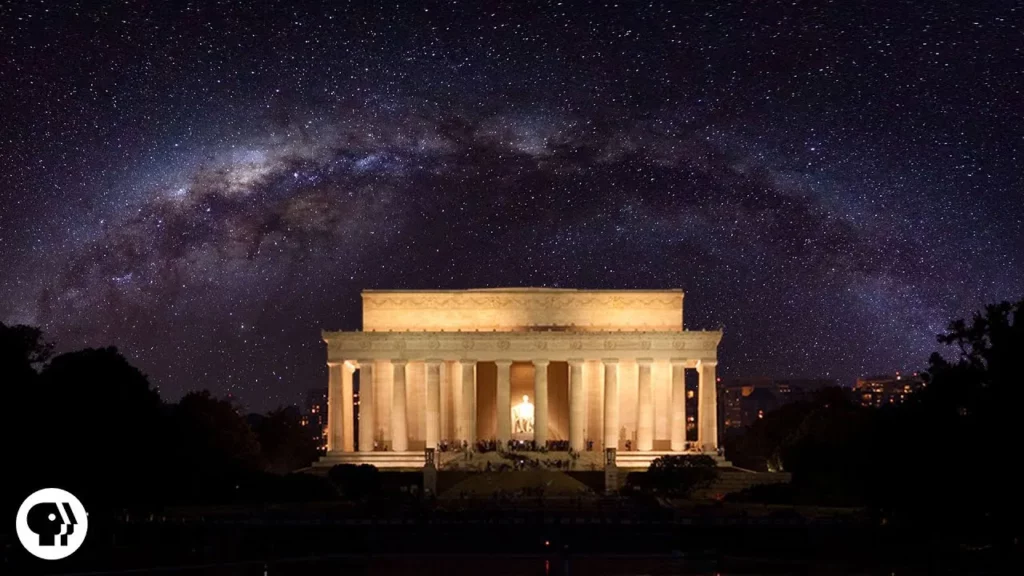
The lesson explores the significance of Washington D.C.’s monuments, highlighting their historical importance and the fascinating origins of the materials used in their construction. By examining structures like the Vietnam War Memorial, Lincoln Memorial, and Smithsonian Castle, students learn how these monuments connect us to Earth’s history and the cosmos, reminding us of our brief existence in the grand timeline of the universe. Ultimately, the lesson encourages appreciation for both the stories these monuments tell and the incredible journeys of the materials that compose them.
How to Avoid a Deadly Asteroid Impact
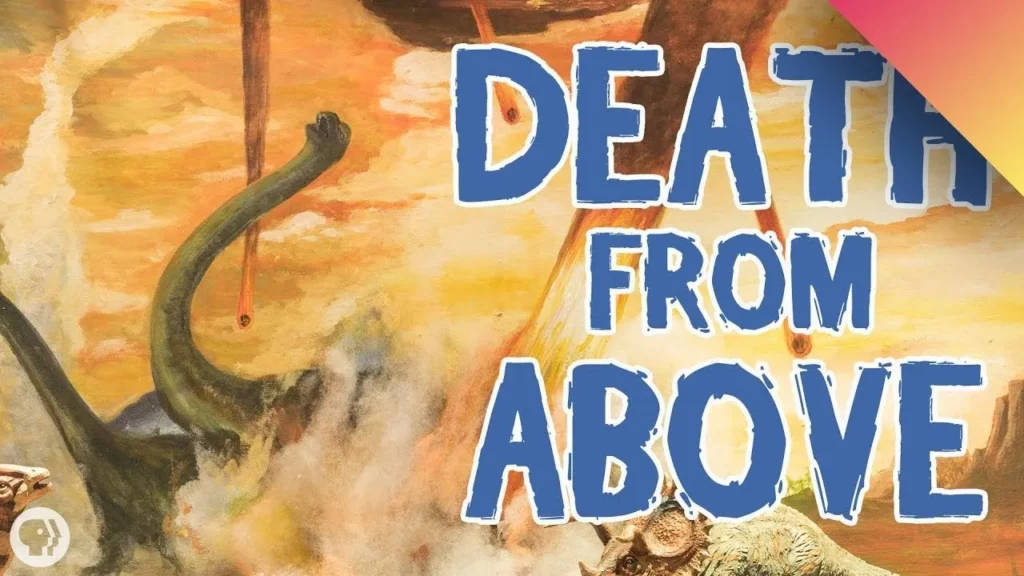
The lesson recounts the extraordinary event of November 30, 1954, when Mrs. Ann Hodges became the only known person to be struck by a meteorite, highlighting the rarity of such occurrences. It explores the chaotic nature of the solar system, the classification of asteroids and meteoroids, and the potential threats they pose to Earth, emphasizing the importance of monitoring and preparing for impacts. The lesson concludes with a discussion on the scientific methods available to prevent asteroid collisions, underscoring humanity’s ability to protect itself from extinction-level events.
Attack of the Cosmic Space Junk!
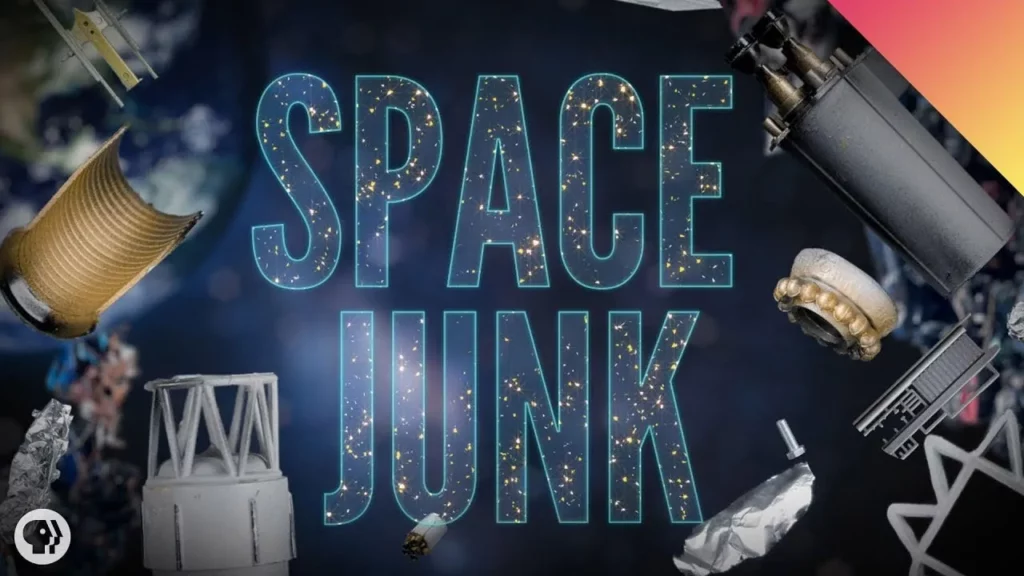
The lesson explores the issue of space junk, highlighting how debris from past space missions poses a significant threat to satellites and the International Space Station (ISS). It discusses the origins and types of space debris, the potential for catastrophic chain reactions known as the Kessler Effect, and the urgent need for innovative cleanup solutions to protect our orbital environment for future exploration. Ultimately, it emphasizes the importance of responsible space exploration and the need to safeguard our access to space.
Exoplanets: Are There Other Earths?
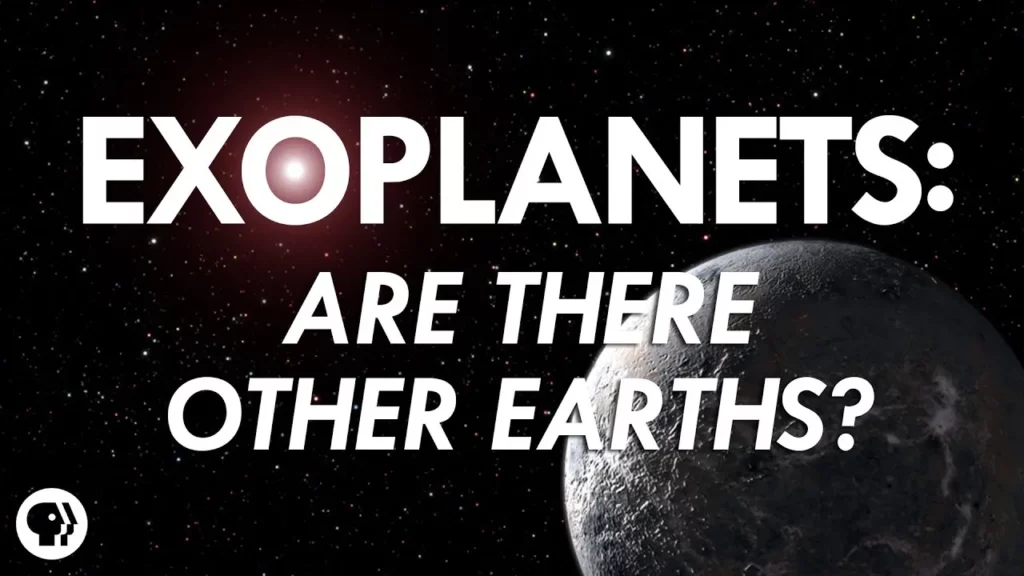
The lesson discusses the formation of our solar system from a gas cloud in the Milky Way, leading to the creation of the sun and planets through a process of collision and merging. It highlights the historical evolution of our understanding of celestial bodies, from ancient Greek misconceptions to revolutionary discoveries by astronomers like Copernicus and Galileo, and emphasizes the vast number of planets in our galaxy, including the potential for Earth-like worlds. The lesson concludes by reflecting on humanity’s place in the universe and the ongoing search for intelligent life beyond Earth.
How Many Heartbeats Do We Get?

The lesson explores the historical and scientific significance of the heart, highlighting its ancient associations with thought and emotion, particularly in Egyptian and Western cultures. It delves into the evolution of the heart symbol, the biological mechanics of heartbeats, and the relationship between heart rate, size, and lifespan in various animals, ultimately emphasizing that while emotions are processed in the brain, the heart remains a vital organ with fascinating biological patterns. Additionally, it notes that humans defy typical patterns of lifespan and heartbeats due to advancements in medicine and care.