
Why Do Fireflies Have Blinky Bottoms?
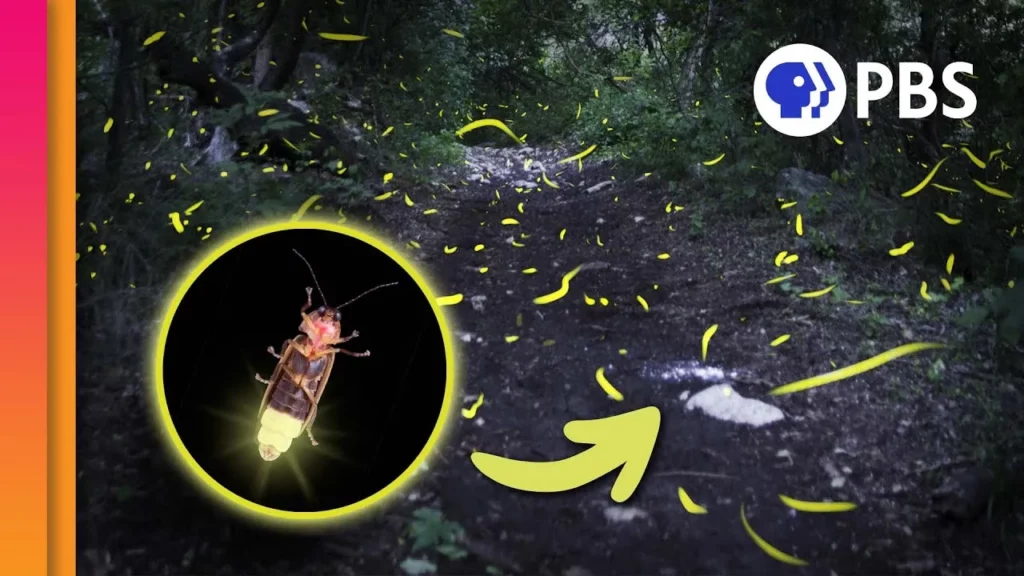
The lesson “Nature’s Amazing Light Show” explores the phenomenon of bioluminescence, the ability of living organisms to produce light through chemical reactions involving luciferins, oxygen, and enzymes. It highlights various bioluminescent creatures, such as fireflies and ocean-dwelling organisms like dinoflagellates, explaining their uses of light for attraction, defense, and hunting. Ultimately, the lesson emphasizes the incredible adaptations of life in dark environments and encourages curiosity about the natural world.
Visiting the Largest Bat Colony on Earth!
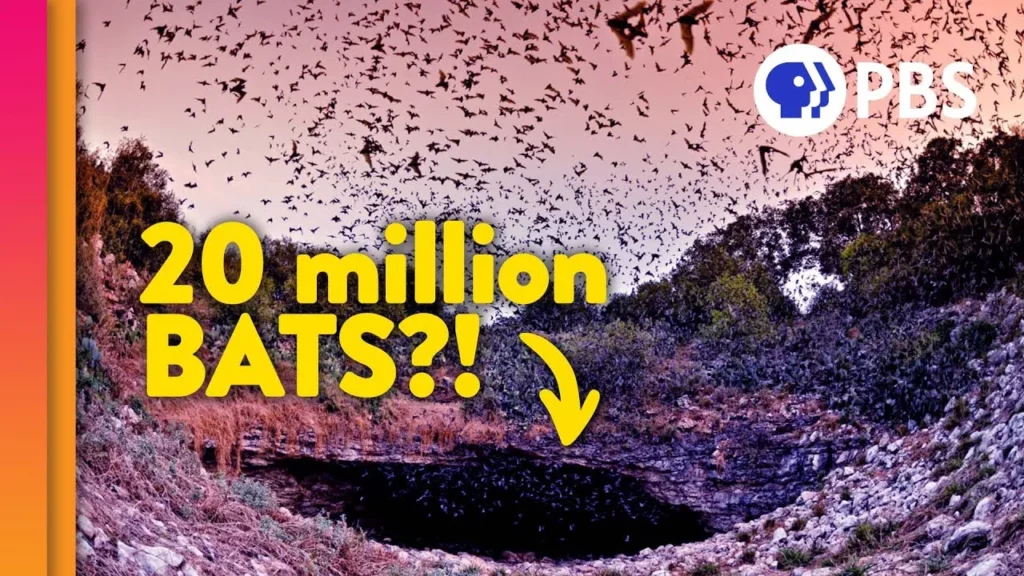
The lesson explores the fascinating world of bats, highlighting their diversity, ecological importance, and unique adaptations. Bats play a crucial role in controlling insect populations, benefiting agriculture, and contributing to ecosystems through pollination and seed dispersal. However, they face significant threats from habitat loss and diseases, emphasizing the need for conservation efforts to protect these remarkable mammals.
The Golden Ratio: Is It Myth or Math?
The lesson explores the golden ratio, a unique mathematical concept approximately equal to 1.618, which appears frequently in nature, art, and architecture. It traces the history of the golden ratio from ancient Greece to its manifestations in natural patterns, such as the arrangement of seeds in sunflowers, and its use by artists and architects to create aesthetically pleasing works. While the golden ratio is captivating, the lesson emphasizes the importance of distinguishing between fact and myth regarding its prevalence in famous structures.
How Do Squirrels Find Their Nuts?
The lesson explores how squirrels remember the locations of their buried nuts, revealing that they possess a remarkable memory that allows them to create mental maps of their surroundings. While they sometimes forget some hiding spots, which can benefit the growth of new trees, they also employ clever strategies to protect their food from thieves. Additionally, the lesson highlights that other animals, like western scrub jays, exhibit similar advanced planning abilities, challenging the notion that such skills are unique to humans and some primates.
Why Does Time Go Forward?
The lesson explores the relationship between water, the laws of physics, and the concept of entropy, illustrating how systems naturally progress towards disorder over time. It highlights the reasons behind the unidirectional flow of time and the improbability of certain events reversing, while posing fundamental questions about the initial order of the universe and the nature of entropy. Ultimately, it emphasizes the ongoing quest for understanding the mysteries of the universe and the intriguing nature of time.
Where Do New Ideas Really Come From?
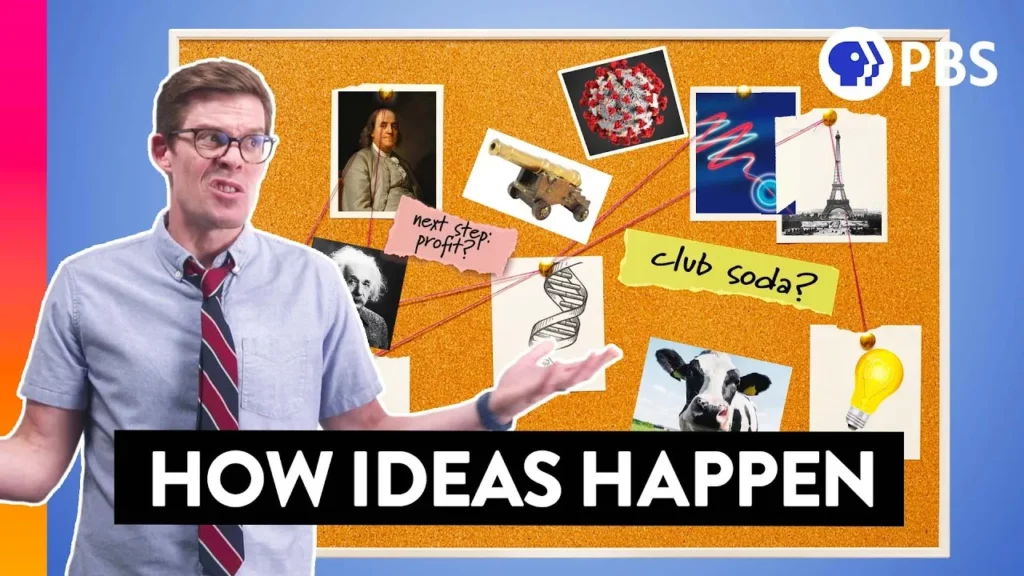
The lesson emphasizes that innovation is a collaborative and multifaceted process rather than the result of a single genius. Using the development of the mRNA vaccine as a case study, it illustrates how various historical figures, cultural influences, and scientific discoveries have collectively contributed to advancements in medicine, highlighting the importance of curiosity and openness to diverse ideas in fostering creativity and problem-solving.
The Transcontinental Burrito Hypertunnel (is it Possible?)
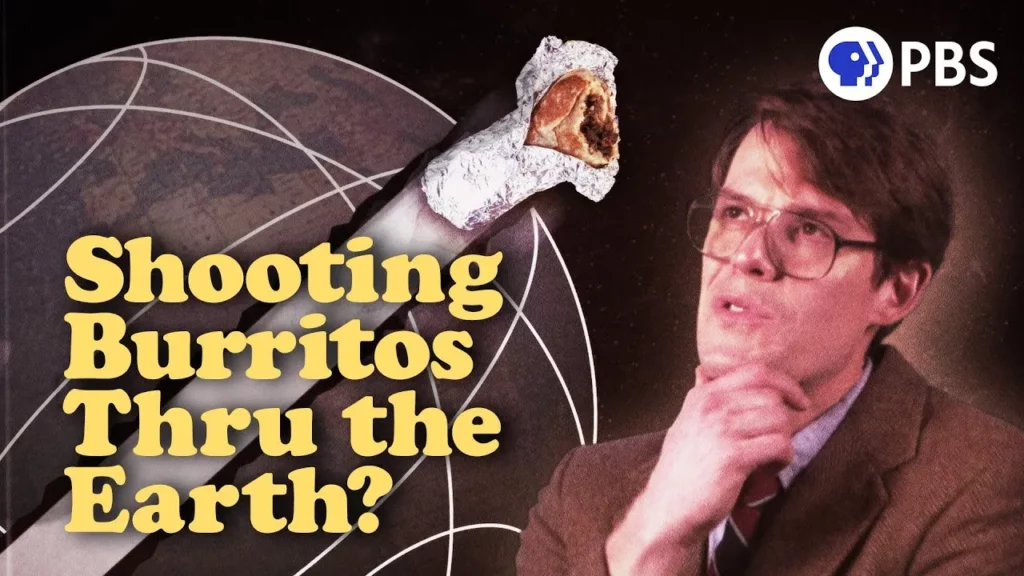
The lesson introduces the innovative concept of the Transcontinental Burrito HyperTunnel, which utilizes gravity to rapidly transport burritos across the country. It traces the history of this idea from Duane Roberts’ original tunnel design in 1956 to the modern vision of Egon Shmusk’s brachistochrone hypertunnel, which aims to deliver burritos in just over 25 minutes using geothermal energy. The lesson emphasizes the ongoing evolution of transportation technology and encourages curiosity and exploration in the realm of scientific innovation.
What Is Nothing?
The lesson explores the elusive concept of “nothing,” revealing that it is impossible to truly conceive of nothingness, as even in moments of stillness, our bodies and minds are engaged in various activities. It discusses the historical evolution of the idea of zero, its significance in mathematics, and philosophical perspectives on emptiness, ultimately concluding that even in the absence of tangible matter, something always exists, whether in the form of particles, memories, or legacies. The lesson encourages curiosity about the complexities of existence and the universe.
How To Bend Light Using Just Your Finger

In the lesson “Exploring the Wonders of Light,” students are encouraged to engage in three hands-on experiments that demonstrate the fascinating properties of light, such as bending, merging shadows, and creating dark lines between fingers. These activities not only illustrate fundamental concepts of optics but also highlight the importance of curiosity and creativity in scientific discovery, drawing parallels to how renowned scientists like Einstein made groundbreaking advancements through exploration and imagination. Ultimately, the lesson emphasizes that moments of boredom can lead to exciting learning opportunities.
This Kid Named an Asteroid (then NASA went there!)
The lesson highlights the exciting story of how a young child named the asteroid Bennu through a contest organized by the Planetary Society, inspired by the mission OSIRIS-REx, which aimed to bring back samples from the asteroid. It emphasizes the importance of mythology and personal inspiration, illustrating that anyone, regardless of age, can make a significant impact in the world. Ultimately, the lesson encourages children to believe in themselves and their ideas, reminding them that they can contribute to remarkable adventures in science and beyond.