
This Is Not a Rainbow

In this lesson, we explore the fascinating phenomena of ice halos and sun dogs, which occur when light interacts with ice crystals high in the atmosphere. Ice crystals can bend and refract light, creating stunning halos around the sun or moon, while specific orientations of these crystals can produce the illusion of multiple suns, known as sun dogs. The lesson encourages curiosity about these enchanting atmospheric displays and the beauty of the sky.
This is what space sounds like
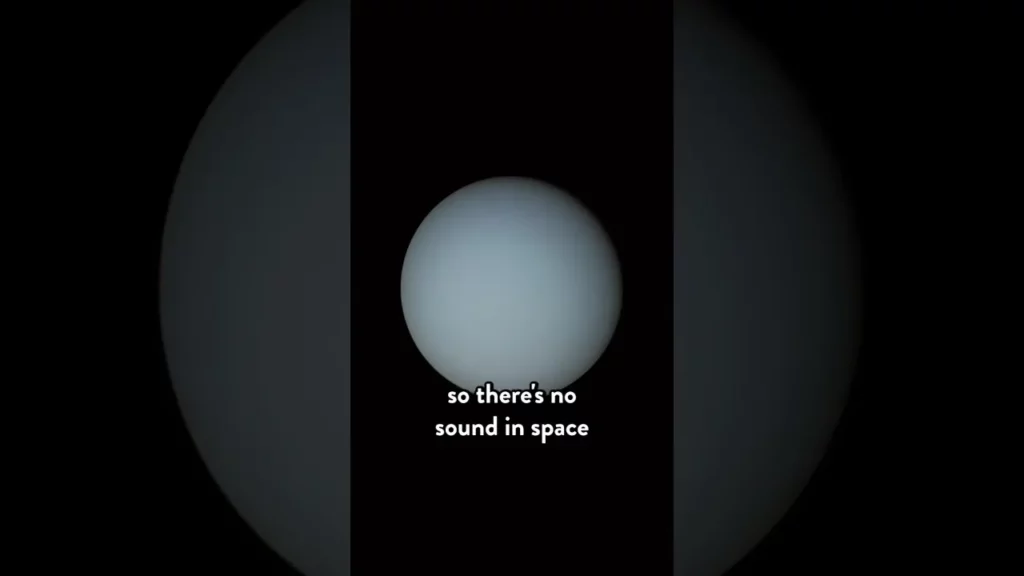
In the lesson “Exploring the Sounds of Space,” students learn how scientists convert various space data into sound, allowing us to “hear” phenomena that occur in the cosmos. Examples include the sounds of Uranus, the collision of black holes, the wind on Mars, and Earth’s magnetic field, showcasing how these auditory experiences enhance our understanding of the universe. This innovative approach to space exploration opens up new avenues for appreciating the mysteries of the cosmos.
Why Are There As Many Males As Females?

The lesson on “Understanding Evolution and Reproduction” explores how living organisms pass on their genes, using male elephant seals as a case study to illustrate the challenges of mating and the resulting equal sex ratios in births. It explains that despite the advantages of having more females for gene propagation, evolutionary dynamics lead to a stable 50:50 ratio of males to females due to natural selection and parental investment strategies. This balance is crucial for ensuring that both sexes have equal opportunities in the evolutionary process.
How The Moon Controls Biology
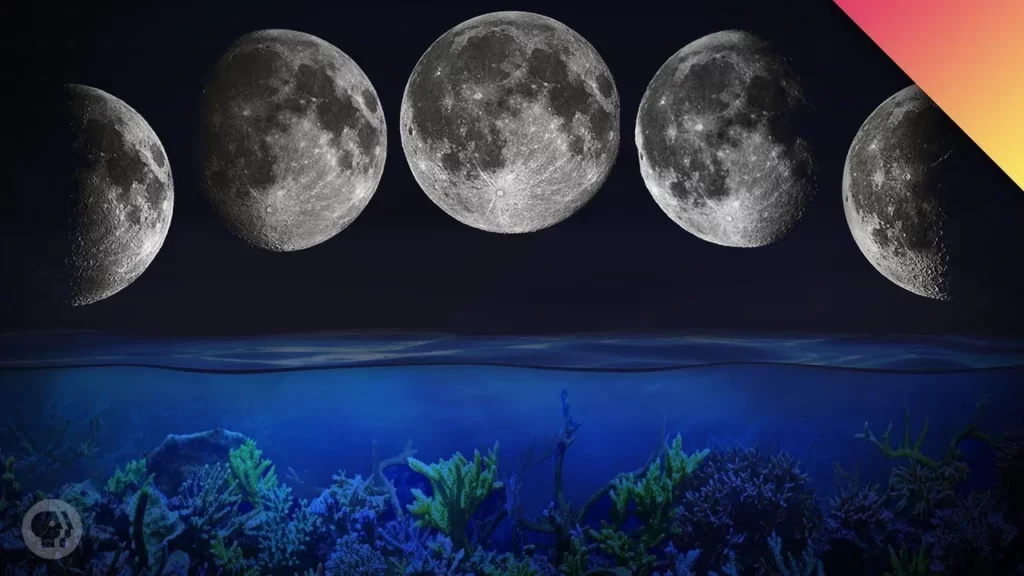
The lesson explores the significant impact of the moon on various forms of life on Earth, highlighting how many animals rely on its cycles for critical behaviors such as mating and reproduction. It discusses the moon’s influence on marine life, the internal mechanisms animals use to track lunar cycles, and its broader effects on ecosystems. Additionally, while there are intriguing correlations between human cycles and the lunar cycle, the lesson concludes that these connections are largely coincidental.
How Many Species Are There?
The lesson “Discovering Earth’s Many Species” highlights the ongoing challenge of estimating the number of species on our planet, which remains uncertain despite significant scientific efforts. It discusses the historical attempts to categorize life forms, the difficulties in defining species, and the vast unexplored biodiversity, particularly in oceans. Ultimately, the lesson emphasizes the importance of understanding and documenting Earth’s species to protect our ecosystems and avoid appearing uninformed, even to hypothetical extraterrestrial visitors.
Why Do We Itch?

The lesson explores the science behind itching, or pruritus, highlighting its evolutionary purpose as a protective mechanism against irritants and parasites. It explains how itching activates specific nerve pathways in the nervous system, leading to the sensation and the subsequent urge to scratch, which can create a cycle of relief and increased itchiness. Additionally, the lesson discusses various historical and modern remedies for itching, emphasizing the complexity of this common sensation and its underlying biological processes.
How Dogs Became Our Best Friends (ft. MinuteEarth!)

The lesson explores the deep-rooted history of the relationship between dogs and humans, tracing the origins of domestic dogs back to ancient wolves. It highlights how early humans and wolves formed a bond through scavenging, leading to the domestication of dogs, which has resulted in the creation of around 340 distinct breeds today. The lesson emphasizes the significant roles dogs have played in human society throughout history and encourages curiosity about this fascinating companionship.
What’s The Loudest Possible Sound?

The lesson “Understanding Sound: From Waves to Decibels” explores the nature of sound as a wave that requires a medium to travel, such as air or water, and explains how sound intensity diminishes with distance from its source. It introduces the concept of decibels (dB) as a logarithmic measure of sound intensity, highlighting the vast range of sounds humans can hear and the potential dangers of extremely loud noises, such as those produced by natural events or powerful machinery. The lesson encourages curiosity about sound and its effects in various environments, including those beyond Earth.
Why BEAVERS Are The Smartest Thing In Fur Pants

In this lesson, we explore the vital role of beavers as “keystone species” in their ecosystems, highlighting their unique abilities as builders and natural plumbers. Beavers create dams that not only provide habitats for various wildlife but also enhance water quality and soil fertility. Additionally, we learn about their family dynamics, historical significance, and the impact of human activity on their populations, emphasizing the importance of conserving these remarkable creatures for a healthier environment.
How Many Stars Are There?
The lesson “Exploring the Night Sky: A Journey Through the Stars” invites students to appreciate the vastness of the universe by examining the stars visible to the naked eye, which number around 9,096. It highlights the varying brightness of stars, the wonders of the Andromeda galaxy, and the incredible discoveries made through telescopes, revealing that there may be about 1 septillion stars in the universe. Ultimately, the lesson encourages curiosity about the cosmos, reminding us that our understanding is just the beginning of a much larger exploration.