
Biomass – How Much Does Life on Earth Weigh?
The lesson “Exploring Earth’s Life: A Fun Journey Through Biomass” highlights the vast diversity of life on Earth, emphasizing that while humans are numerous, they represent only a small fraction of the planet’s total biomass. It explains how biomass, the total mass of living organisms, reveals that plants dominate Earth’s living mass, followed by fungi and bacteria, while animals, particularly insects, make up a smaller portion. The lesson also addresses the significant impact humans have had on the environment, leading to the decline of many species, and raises concerns about the future of biodiversity as the human population continues to grow.
The Invisible Glass
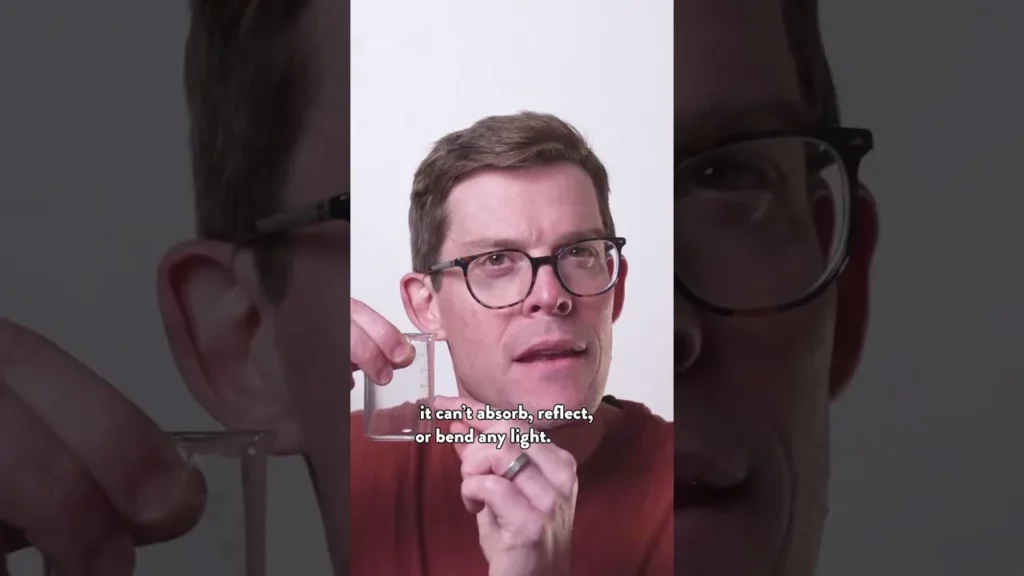
In this lesson, we explore the fascinating concept of making glass appear invisible using the science of light and refraction. By pouring vegetable oil over a glass container, which has a refractive index similar to that of glass, we can create the illusion that the glass has vanished. This simple experiment demonstrates how understanding the properties of light can lead to impressive visual effects, showcasing the magic of science.
Is Big Data Getting Too Big?
The lesson “Understanding the World of Data” explores the vast and rapidly expanding landscape of digital information, illustrating how data is quantified from bytes to zettabytes and highlighting the challenges of managing this growth. It emphasizes the historical context of information explosion, comparing past data collection methods to modern advancements, and discusses innovative solutions, such as using DNA for data storage, to address future storage needs. Ultimately, the lesson encourages curiosity about the implications of big data on our lives and the world around us.
This PROVES that humans are causing climate change
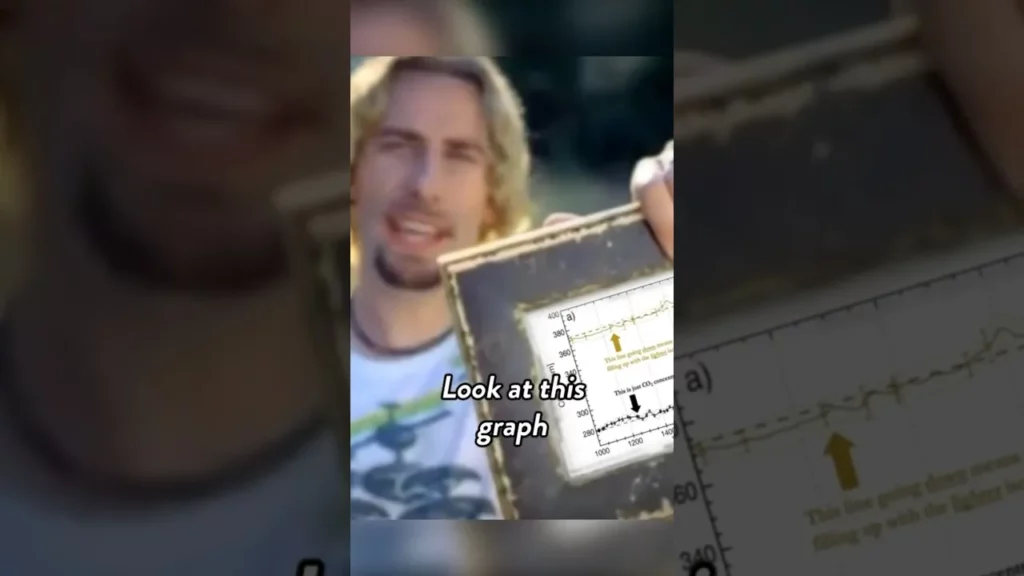
The lesson “Understanding Climate Change Through Carbon” explains how human activities, particularly the burning of fossil fuels, have significantly increased carbon levels in the atmosphere, leading to climate change. By examining the differences between carbon-12 and carbon-13, the lesson highlights how the Industrial Revolution altered the natural carbon balance, providing compelling evidence of humanity’s impact on the environment. Ultimately, it emphasizes the importance of reducing our carbon footprint to protect the planet.
The Fastest Animals Are Way Faster Than You Think
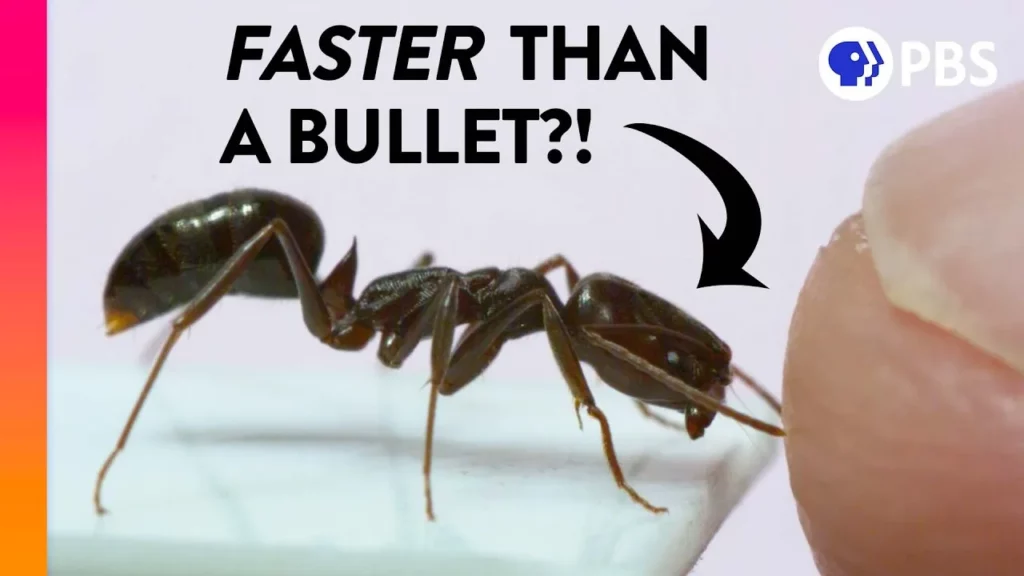
In this lesson, we explore the fascinating world of the fastest animals on Earth, focusing on tiny bugs that can accelerate at incredible speeds, far surpassing larger animals like cheetahs. By utilizing unique adaptations such as springs in their exoskeletons and specialized jaw mechanisms, these insects demonstrate remarkable efficiency in energy storage and release, allowing them to achieve extraordinary acceleration. The lesson highlights how size and physics play crucial roles in their speed, showcasing nature’s ingenious designs and the wonders of evolution.
Are You Sharing a Breath With Isaac Newton?
The lesson “Understanding Our Shared Atmosphere” emphasizes the interconnectedness of all living beings through the air we breathe, illustrating how even historical figures may have shared the same molecules of air. By visualizing the Earth’s atmosphere as a thin layer around a soccer ball, the lesson highlights the vast number of air molecules we inhale and exhale, reinforcing the idea that our atmosphere is both limited and shared among all inhabitants. Ultimately, it calls for awareness and responsibility in protecting this shared resource for future generations.
When Is Now?
The lesson explores the multifaceted concept of “now” through the lenses of physics and neuroscience, revealing its complexity beyond everyday understanding. It discusses how relativity affects our perception of time, illustrating that “now” can differ based on perspective and location, as seen in thought experiments and scientific experiments like those with atomic clocks. Additionally, it highlights how our brains process information with delays, creating an illusory sense of the present, ultimately challenging our perception of time and existence.
Is This Why We Haven’t Found Alien Civilizations? | STELLAR
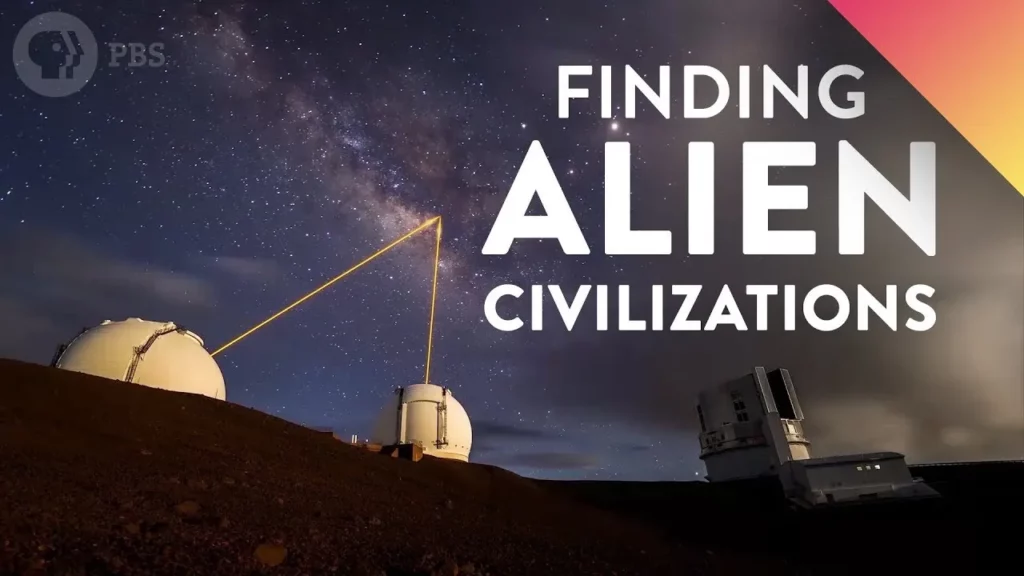
The lesson “Exploring the Cosmos: Our Quest to Find Life Beyond Earth” delves into humanity’s enduring fascination with the universe and the scientific efforts to discover extraterrestrial life. It highlights the advancements in exoplanet research, including the use of sophisticated telescopes like those at the Keck Observatory, and discusses the implications of the Drake Equation in estimating the number of potential civilizations in the galaxy. The lesson also addresses the challenges of detecting biosignatures and reflects on the importance of understanding our own existence in the context of the vast cosmos.
Sand Dunes Shouldn’t Exist (Here’s Why They Do)
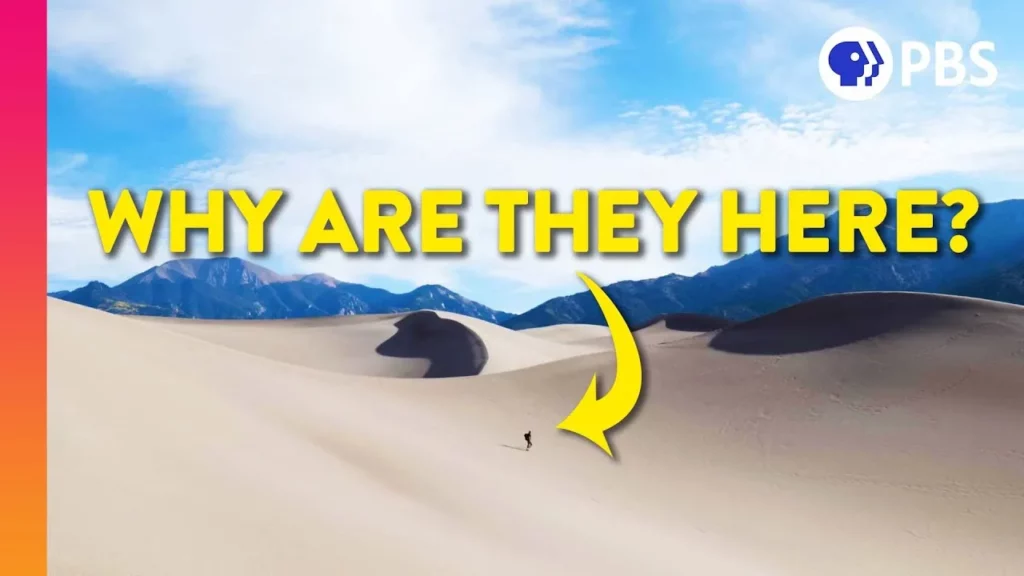
The lesson “Discovering the Wonders of Sand Dunes” explores the fascinating formation and significance of sand dunes, highlighting how wind and sand interact to create beautiful and complex landforms. It explains the processes of erosion, transport, and deposition that contribute to the unique shapes and patterns of dunes, while also emphasizing their ecological importance and the impact of climate change on these structures. Ultimately, the lesson encourages appreciation for the natural world and the interconnectedness of geological processes across different planets.
In Search of the Blackest Thing on Earth
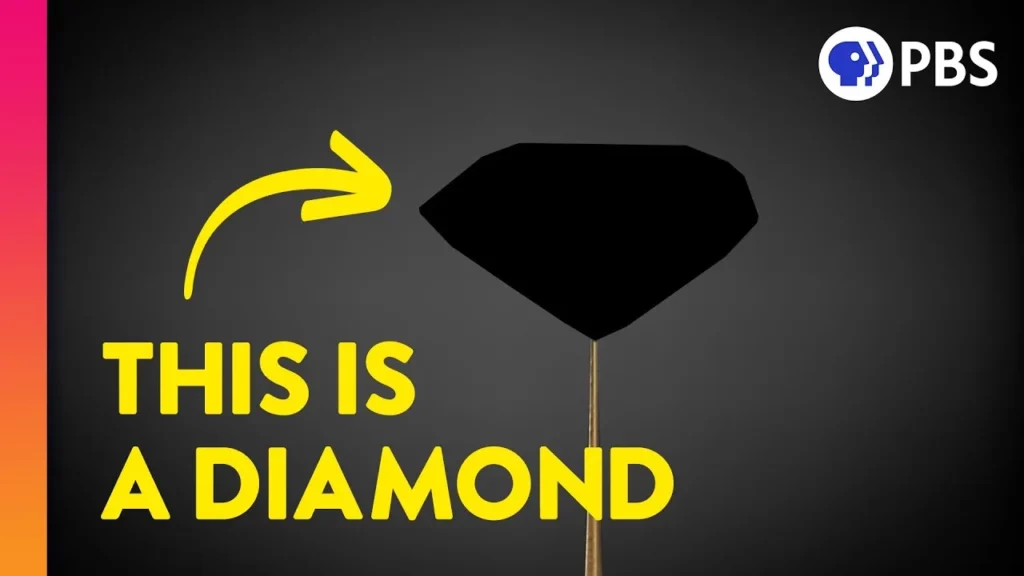
The lesson explores the concept of ultra-black materials, highlighting a special nanomaterial that makes diamonds appear completely black, as well as the remarkable blackness found in certain deep-sea fish and birds of paradise. It discusses the significance of these materials in various applications, such as enhancing telescope visibility and improving camouflage, while also emphasizing the evolutionary adaptations that have led to the development of such extreme blackness in nature. Ultimately, the lesson encourages appreciation for the intersection of science and nature in the quest for understanding and innovation.