
Humans Might Talk To Whales One Day. What Should We Say?
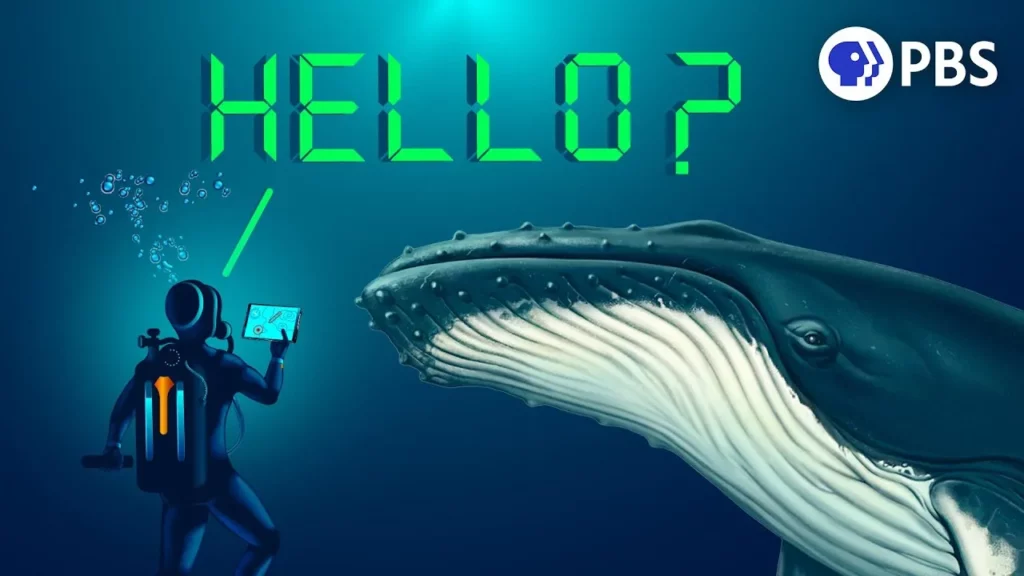
The lesson “Exploring the Ocean Through a Whale’s Eyes” delves into the unique perspective of whales and the groundbreaking technology, including AI, that is enhancing our understanding of their communication through songs and sounds. By examining the history of whale song discovery and the complexities of whale communication, the lesson emphasizes the potential of AI in decoding these vocalizations while also highlighting the ethical considerations of interacting with these majestic creatures. Ultimately, it advocates for a deeper appreciation of whale sounds as a means to protect ocean ecosystems.
The Delicious Science of CHEESE!
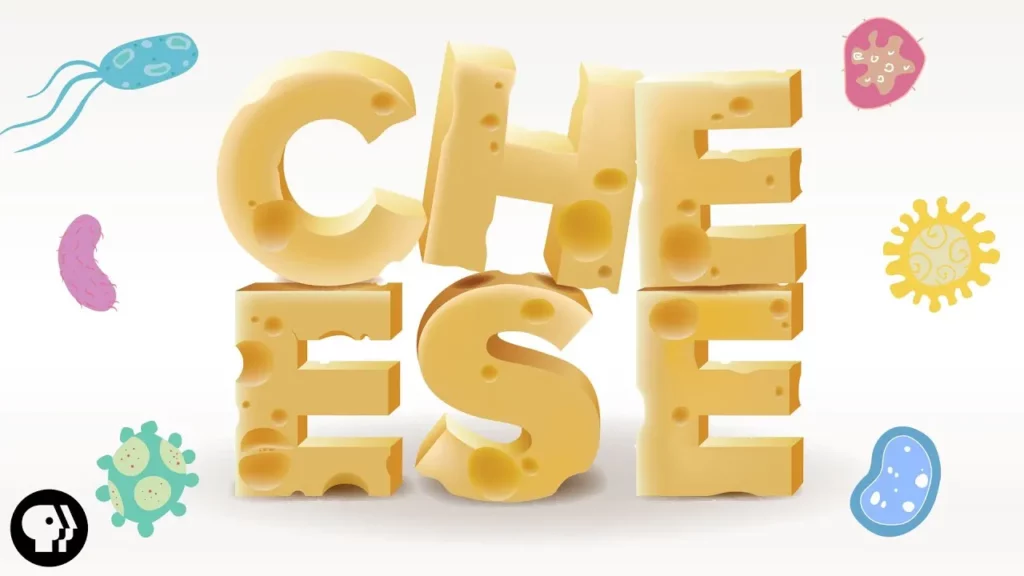
The lesson explores the rich history and intricate process of cheese-making, highlighting its ancient origins and the accidental discovery that led to its creation. It outlines the essential ingredients and steps involved in making cheese, as well as the seven main styles of cheese, each with distinct characteristics. Ultimately, the lesson emphasizes cheese as a blend of science and art, showcasing its unique flavors influenced by environmental factors and human creativity.
9 Illusions That Explain How Your Brain Constructs Reality
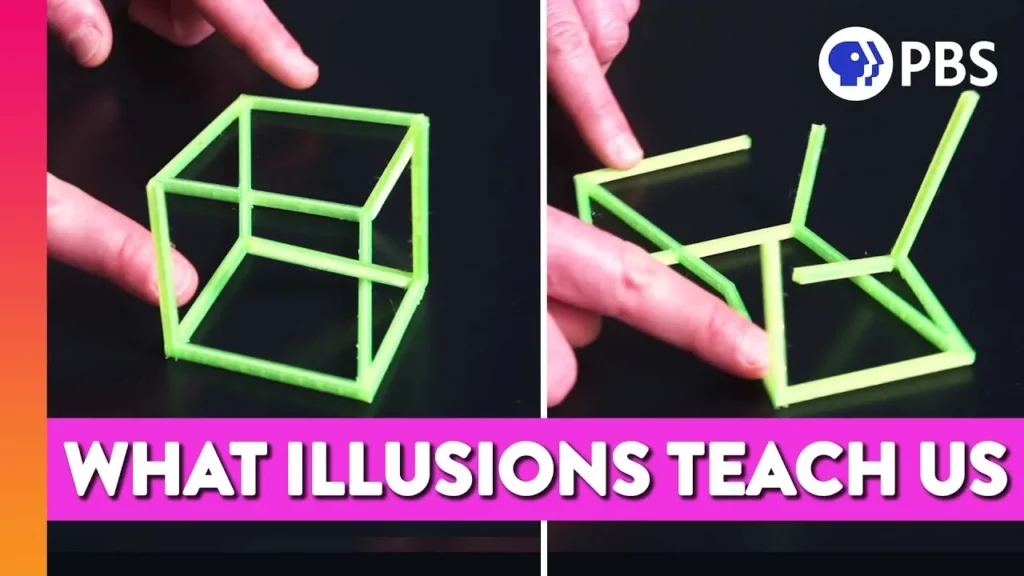
The lesson “Unlocking the Secrets of Optical Illusions” explores how our brains interpret visual information to create a sense of reality, despite only receiving two-dimensional images from our eyes. It delves into concepts like spatial perception, linear perspective, and the mechanisms behind various optical illusions, such as the Ames window and room, illustrating how our brains can be tricked into seeing things that aren’t there. Ultimately, the lesson highlights the fascinating ways our perception shapes our understanding of the world around us.
How Did Giant Pterosaurs Fly?
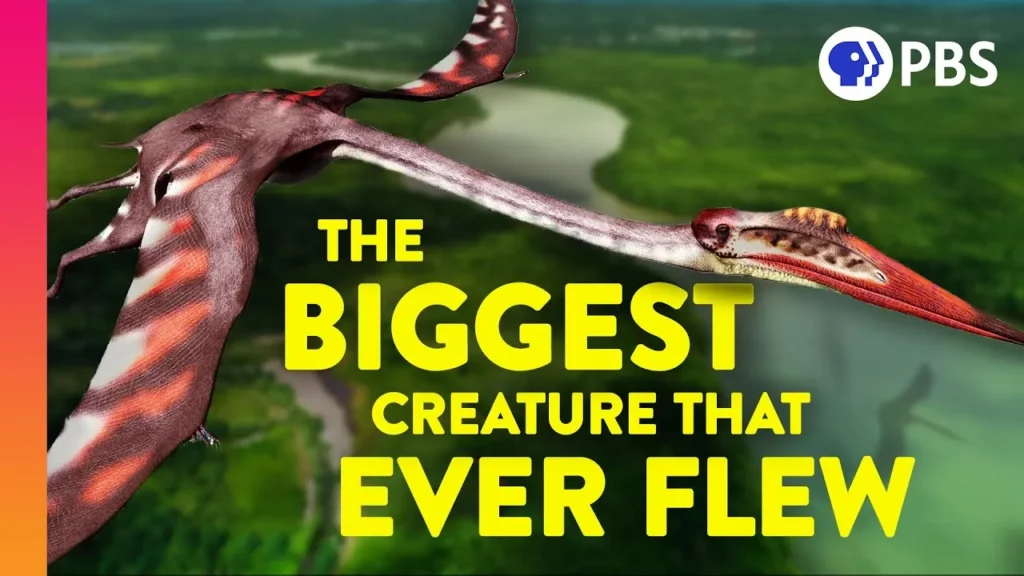
In this lesson, we explored the fascinating world of pterosaurs, particularly the Quetzalcoatlus, the largest flying animal known to have existed. We learned about the physics of their flight, including their unique wing structure and takeoff techniques, which involved using their folded wings and limbs to gain speed. Through modern scientific methods, such as CT scans and computer modeling, researchers continue to uncover the mysteries of these incredible prehistoric creatures that ruled the skies for millions of years.
The 12 Days of Evolution – Complete Series!
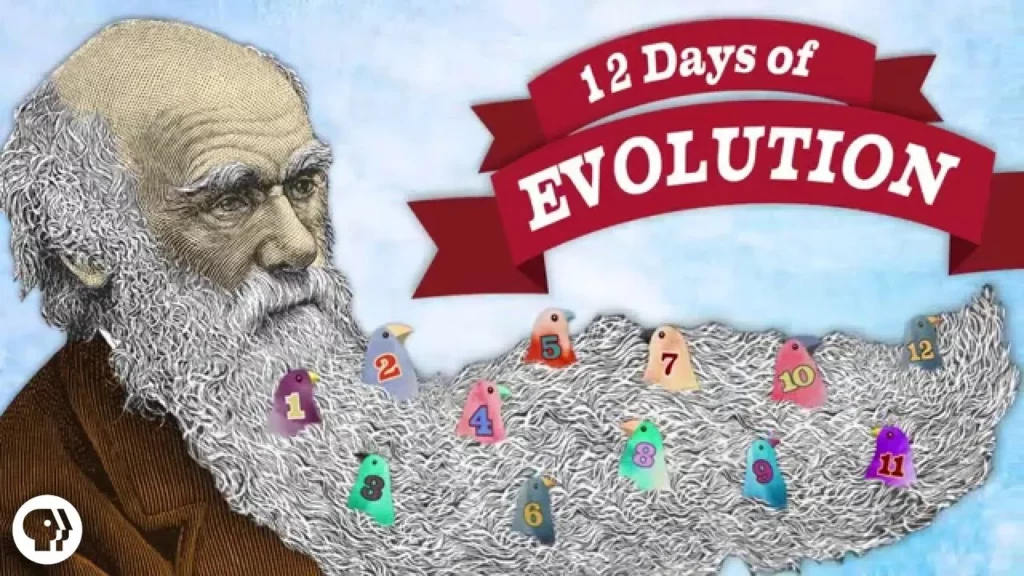
The lesson on evolution emphasizes that understanding the changes in life forms over time is essential to grasping the complexities of biology. It explains how evolution, driven by natural selection and genetic variation, leads to adaptations that enhance survival, illustrated through real-life examples such as the evolution of crickets and the development of eyes. Additionally, it addresses common misconceptions about evolution, highlighting that humans are still evolving and that all species are part of an ongoing process without a predetermined goal.
The SECRET about flames almost no one knows ????
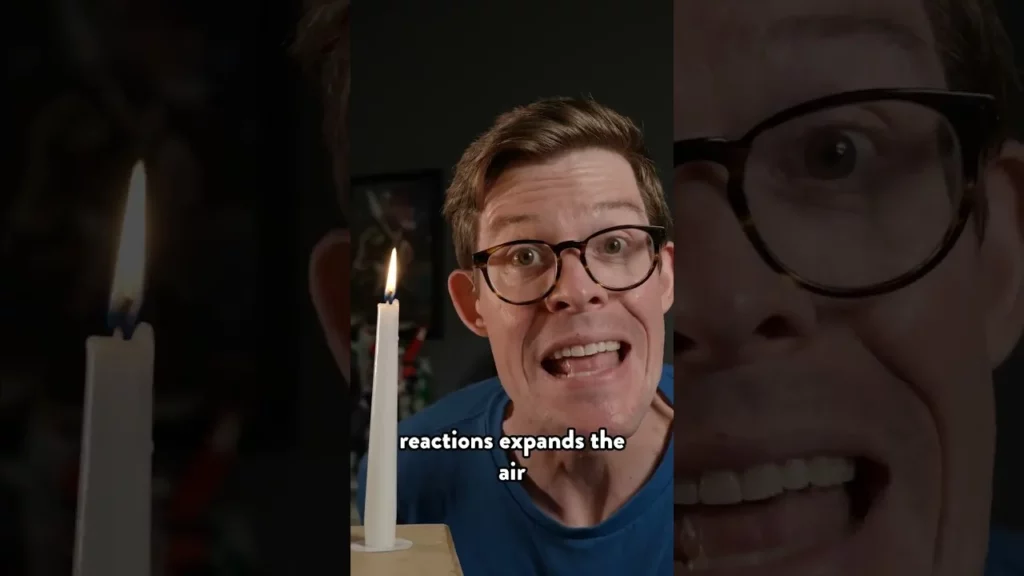
The lesson explores the fascinating science behind a candle flame, explaining that the flame is hollow due to the combustion process of wax vapor reacting with oxygen. It highlights how the glowing effect is caused by unburned carbon heated to incandescence and describes the flame’s teardrop shape resulting from convection currents. Additionally, it notes that the white smoke produced when blowing out a candle is vaporized wax, showcasing the intriguing science at play.
This is why coral reefs are in BIG trouble ????
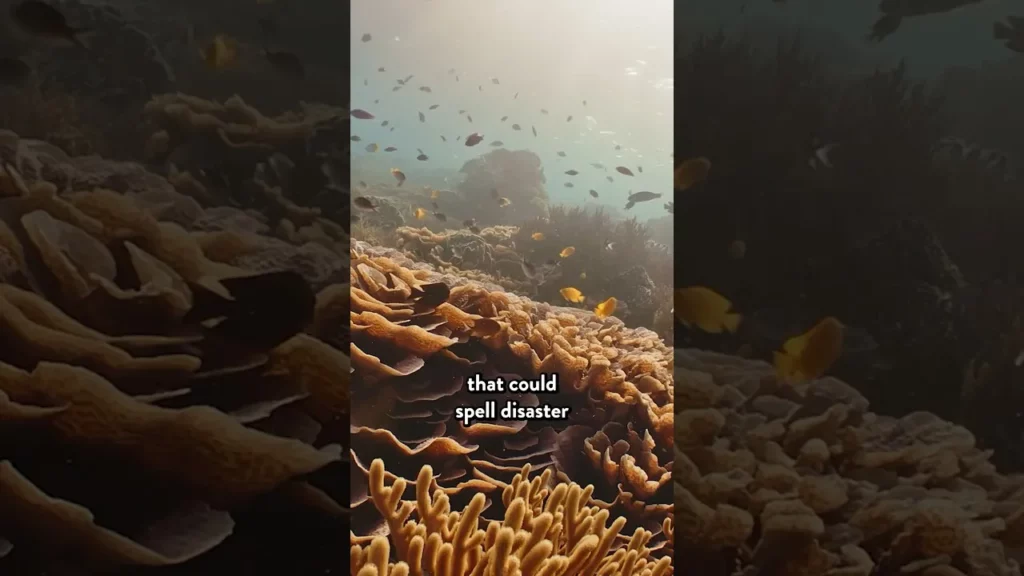
The lesson “The Journey from Sea to Land” explores the evolutionary transition of land animals from their sea-dwelling ancestors and highlights the impact of human activities on climate change, particularly through increased carbon dioxide emissions. It emphasizes the ocean’s critical role in regulating climate and the alarming effects of ocean warming and acidification on coral reefs, which are vital ecosystems facing potential extinction. To combat these challenges, the lesson advocates for reducing carbon footprints and supporting conservation efforts to protect coral reefs for future generations.
Asteroid Mining Will Change Everything About Our Future In Space
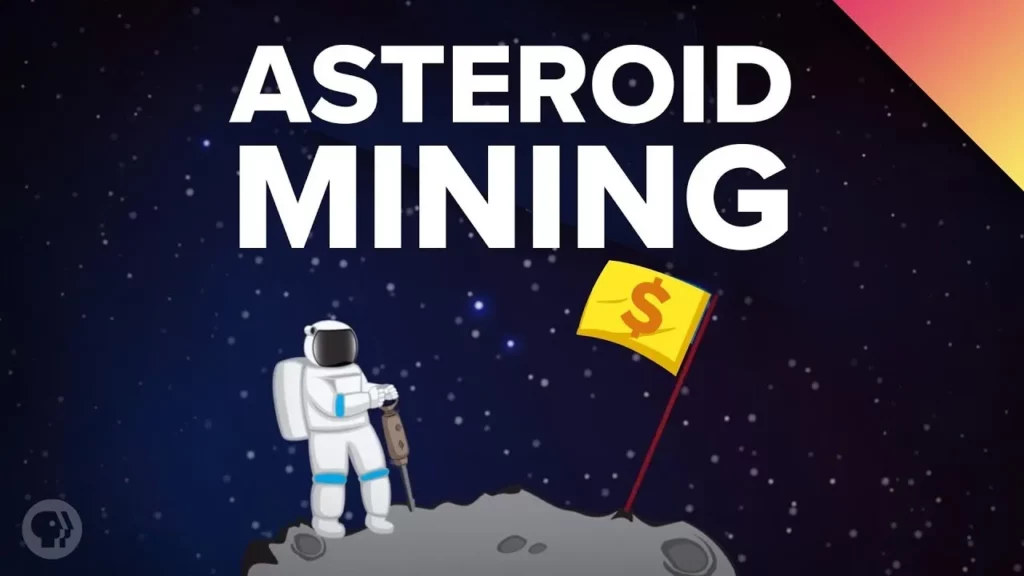
This lesson explores the feasibility of living on another planet, particularly focusing on the potential of using asteroids as a resource for building homes and infrastructure in space. It discusses the challenges and benefits of asteroid mining, including the availability of valuable materials and the need for innovative solutions to overcome the difficulties of accessing these resources. Additionally, it highlights the importance of regulations and ethical considerations in the exploration and utilization of space resources.
How Your Brain Makes Its Own Electricity
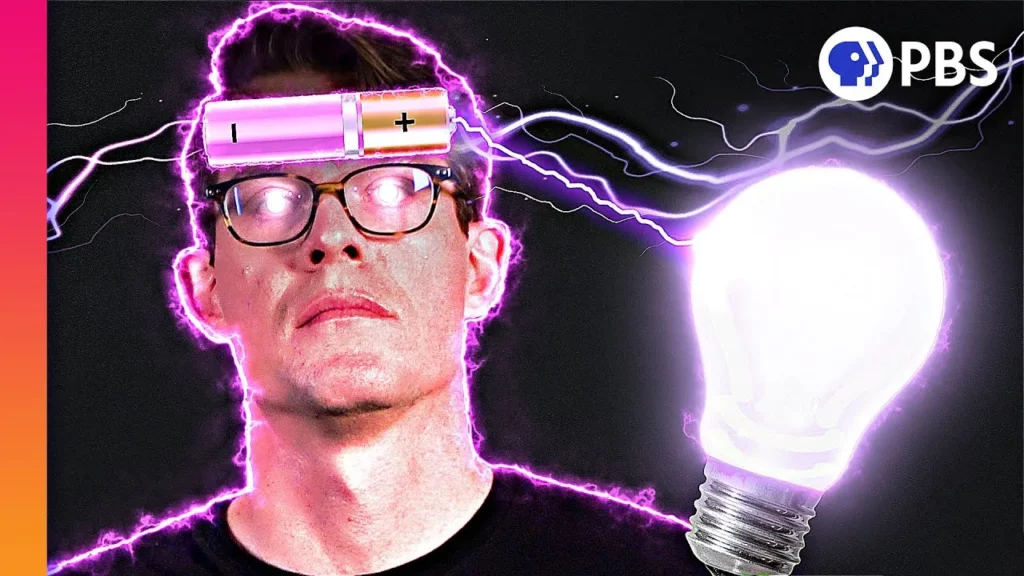
The lesson “Understanding Thoughts and Neurons” explores the fundamental role of neurons in our thoughts and actions, highlighting how these specialized cells communicate through rapid electrical signals. With approximately 86 billion neurons in the human brain, they form a complex network that enables quick communication, much like the invention of the telegraph revolutionized messaging in the 1800s. The lesson emphasizes the remarkable speed and efficiency of neuronal signaling, illustrating how our thoughts and movements are intricately linked to the electrical activity within our bodies.
What’s The Most Successful Species on Earth?
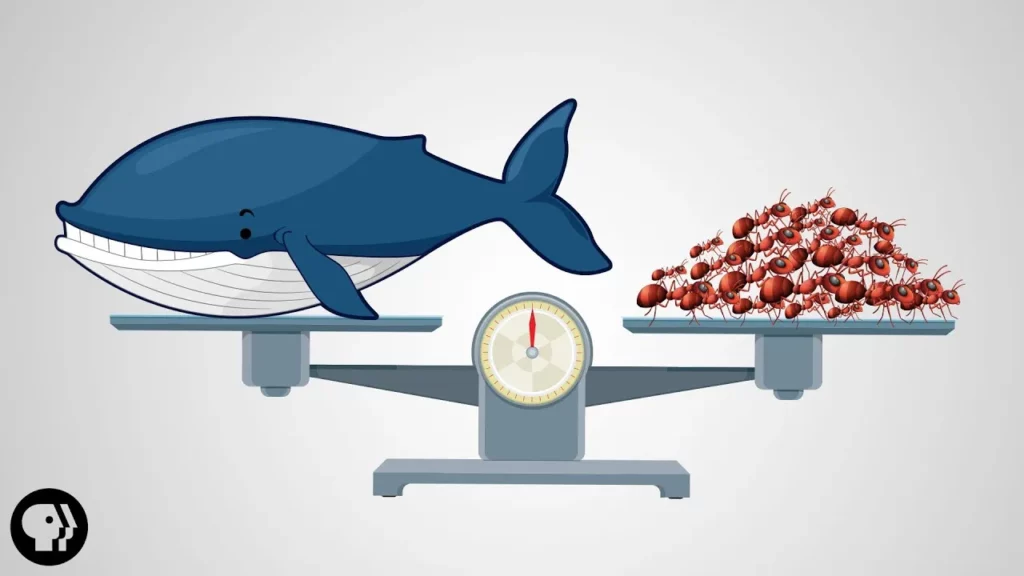
The lesson “Exploring the Success of Life on Earth” highlights the impressive numbers and biomass of various life forms compared to humans, illustrating that while there are over 7 billion humans, species like bats and the African red-billed quelea outnumber us significantly. It emphasizes the vast diversity of life, including microorganisms and fungi, and the importance of understanding these dynamics as human populations continue to grow, urging us to consider our impact on the planet and the need for sustainable practices.