
How Scientists Can Slow Down Time

The lesson on time dilation explores the intriguing concept from Einstein’s Theory of Special Relativity, which states that time passes more slowly for objects moving at high speeds compared to those at rest. Through experiments like the Hafele and Keating study, where atomic clocks on airplanes were found to run slower than those on the ground, and recent lab tests with accelerated particles, the lesson illustrates how time dilation is a real phenomenon with practical implications, such as in GPS technology. Ultimately, it encourages curiosity about the nature of time and its relationship with speed.
Perk Up Your Memory with Caffeine!

The lesson explores the effects of caffeine on memory consolidation, highlighting its potential to enhance the transfer of information from short-term to long-term memory. A study indicated that participants who consumed caffeine after learning were better at recalling previously seen images, suggesting that caffeine can aid in memory retention. Practical advice includes consuming caffeine strategically after learning new information, while being cautious of its timing to avoid sleep disruption.
Is Smoking Weed While Pregnant Dangerous?

The lesson discusses the potential risks associated with cannabis use during pregnancy, highlighting that while some women may use it to alleviate symptoms like nausea and pain, research indicates that it can negatively impact fetal development. Studies show that children exposed to cannabis in utero may face developmental challenges, including issues with attention and learning, and may be more likely to use cannabis later in life. The lesson emphasizes the need for further research to fully understand these risks and advises against cannabis use during pregnancy, in line with recommendations from health organizations.
Why Frog Tongues Are So Fast And Sticky
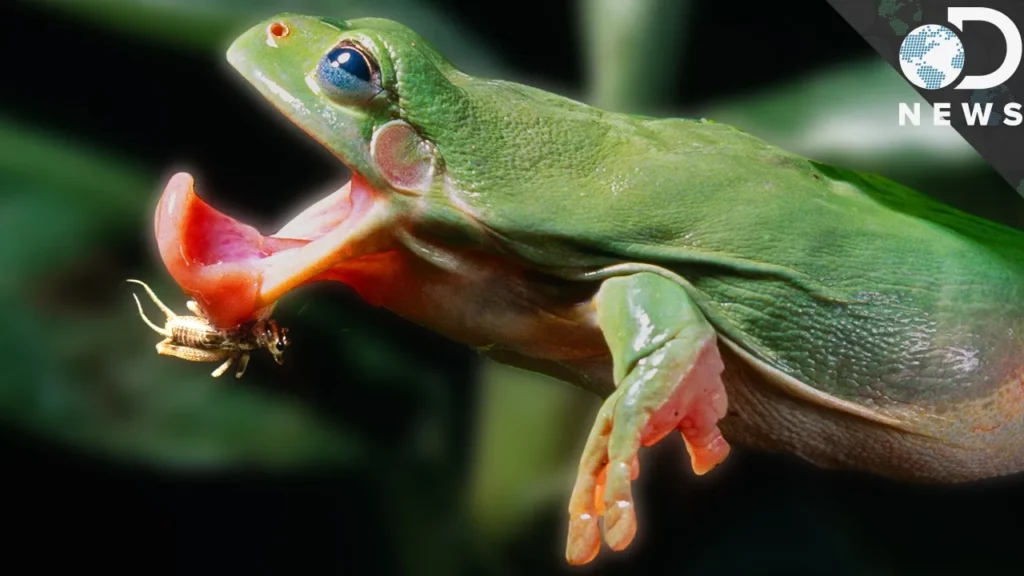
The lesson explores the remarkable adaptations of frog tongues, which are not only super sticky but also incredibly soft, allowing frogs to catch prey quickly and effectively. The unique properties of frog saliva, which behaves like a non-Newtonian fluid, enhance their ability to grip and consume food. Scientists are inspired by these natural mechanisms to develop innovative sticky materials for various applications, highlighting the intersection of nature and technology.
What Happens When You Don’t Brush Your Teeth?

In this lesson, Amy emphasizes the critical importance of maintaining oral hygiene for overall health. She explains how harmful bacteria in the mouth can lead to dental issues like cavities and gum disease, which may have far-reaching effects on the body, including increased risks of heart disease, stroke, and even dementia. Regular brushing, flossing, and dental check-ups are essential practices to keep both your mouth and body healthy.
Does The Earth Make A Sound?!
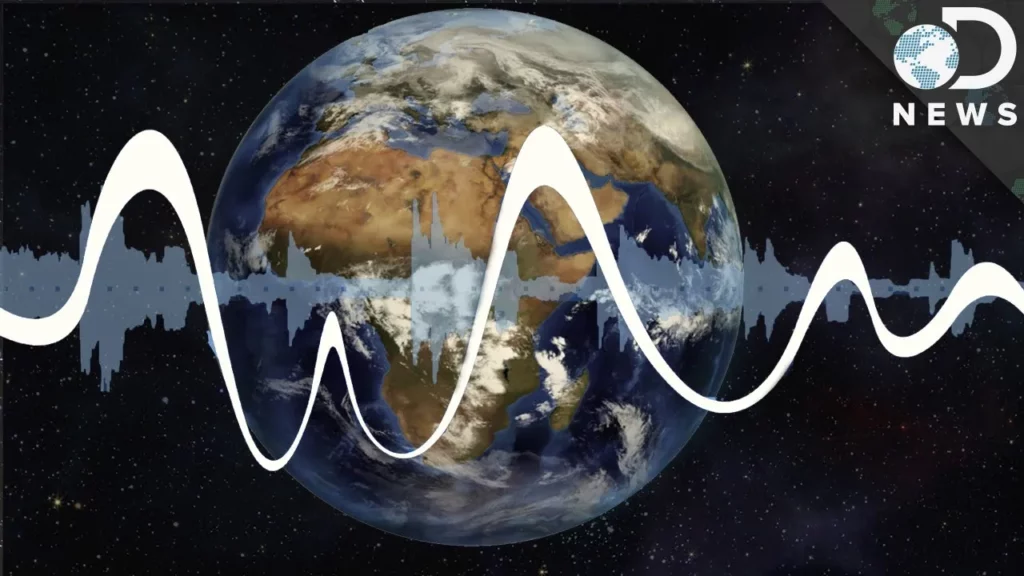
The lesson explores the phenomenon of the Earth’s mysterious hum, a low-frequency sound that only about 2% of people can hear, with reports of it originating from various locations worldwide. While some theories attribute the hum to industrial sources or even government conspiracies, scientific research suggests that it may be caused by ocean waves creating vibrations in the Earth’s crust. Ultimately, the Earth is constantly humming, producing vibrations that, if sped up, would resemble the white noise from an old television.
How Close Are We to Controlling Machines With Our Minds?
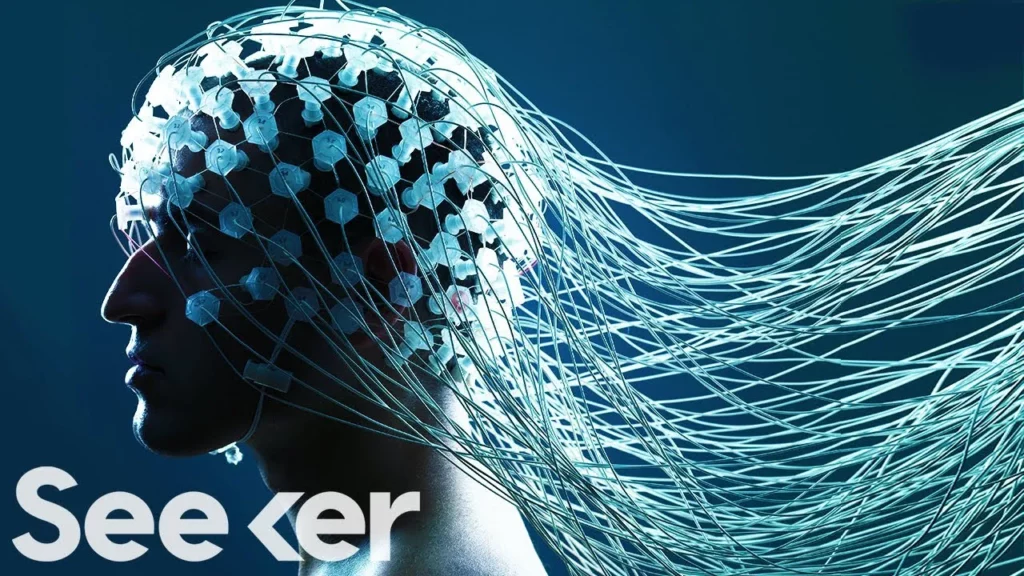
The lesson explores the transformative potential of brain-computer interfaces (BCIs), which could revolutionize how we interact with machines by allowing direct communication between our brains and technology. It discusses the challenges of current communication methods, the development of both invasive and non-invasive BCIs, and the exciting applications of this technology, such as thought-controlled devices for rehabilitation and enhanced interaction with digital environments. As advancements continue, ethical considerations and careful regulation will be essential to ensure the safe integration of these technologies into everyday life.
How Much Of America Is In A Drought?

The lesson on drought highlights the widespread and severe drought conditions affecting various states across the U.S., particularly in California, the Southern Plains, and even northern regions like Minnesota and Wisconsin. It discusses the historical context of droughts, including the Dust Bowl, and examines the scientific connections between ocean temperatures and drought severity, emphasizing the potential impact of climate change. The lesson concludes by encouraging discussion on potential solutions to the water scarcity issue.
Why You Shouldn’t Fight A Fever

This lesson explains the nature of fevers, highlighting that a body temperature above 100.4 degrees Fahrenheit (38 degrees Celsius) typically indicates a fever, which is a natural response to infections as the immune system releases pyrogens to raise body temperature. While fevers can cause discomfort, they play a crucial role in fighting off pathogens and may even enhance immune cell activity, suggesting that mild fevers can be beneficial. However, it’s important to monitor fever levels and seek medical attention if temperatures exceed 108 degrees Fahrenheit, as extremely high fevers can lead to serious health complications.
Why Do We Have An Internal Skeleton?

The lesson “The Amazing World of Skeletons: Inside vs. Outside” explores the differences between vertebrates, which have internal skeletons, and invertebrates, which possess exoskeletons. It discusses the evolutionary advantages of internal skeletons, such as growth potential, movement flexibility, and strength, while also highlighting the challenges faced by creatures with exoskeletons, including vulnerability during growth. The lesson encourages students to think critically about the advantages and disadvantages of each skeletal structure and their implications for size and mobility in the animal kingdom.