
Can A Stranger Look Exactly Like Me?
The lesson explores the intriguing concept of doppelgangers, or “double-goers,” which refers to individuals who resemble each other closely. It delves into the folklore surrounding doppelgangers, including historical accounts of eerie sightings linked to bad omens, as well as scientific explanations that suggest brain activity may play a role in these experiences. The lesson invites participants to share their own encounters with look-alikes, fostering a discussion on this captivating phenomenon.
A Dead Satellite Is Unlocking the Secrets Lurking Beneath Antarctica
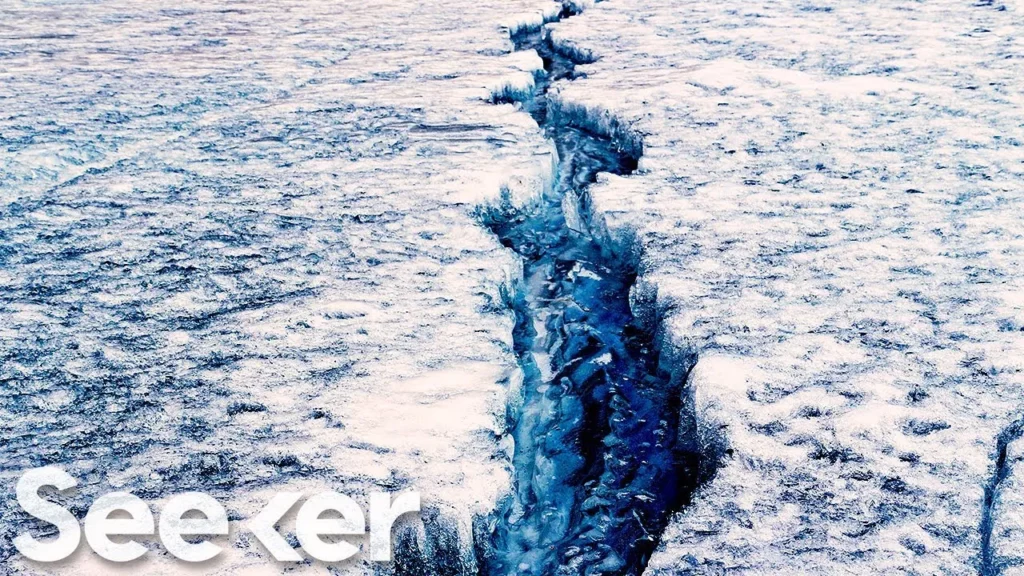
The lesson explores the significant insights gained from the GOCE satellite regarding Antarctica’s hidden geological features and its role in global sea level rise. By analyzing the satellite’s data, scientists have uncovered that Antarctica consists of ancient cratons and is a remnant of the supercontinent Gondwana, while also highlighting the alarming rate of ice melting and its implications for future sea levels. Understanding these dynamics not only sheds light on Earth’s geological history but also prepares us for the environmental challenges ahead.
How Exactly Is the Human Body Organized?
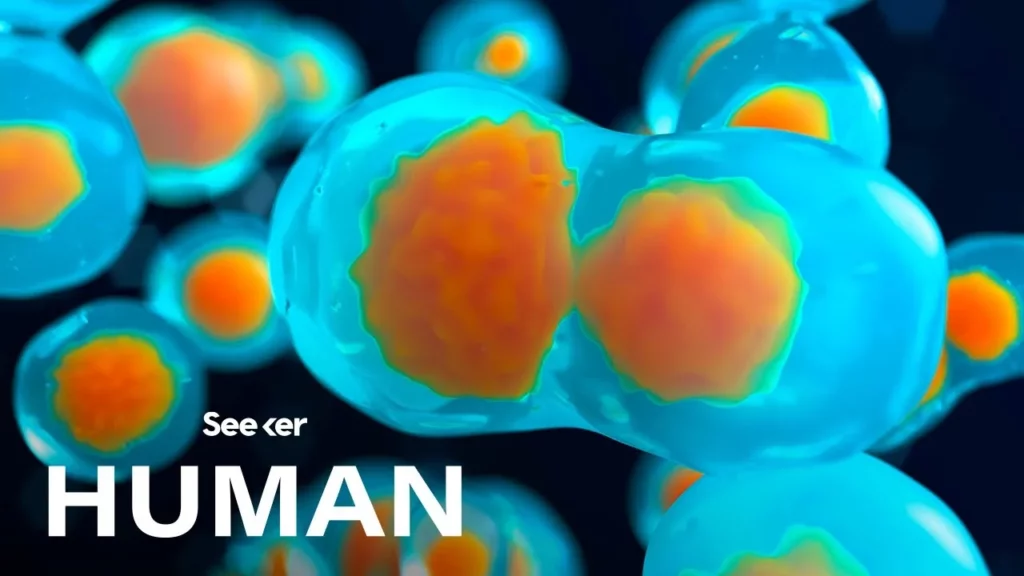
The lesson titled “The Marvel of the Human Body” introduces the intricate systems that make up the human body, emphasizing the harmony between anatomy and physiology. Hosted by Patrick, the series aims to provide foundational knowledge about the body’s structure and function, exploring topics such as cells, tissues, organs, and organ systems, while highlighting their interconnectedness and relevance to everyday life. The lesson sets the stage for a deeper understanding of human biology, preparing viewers for future discussions on various physiological processes and current research.
Why Millennials Are Fatter Than Their Parents
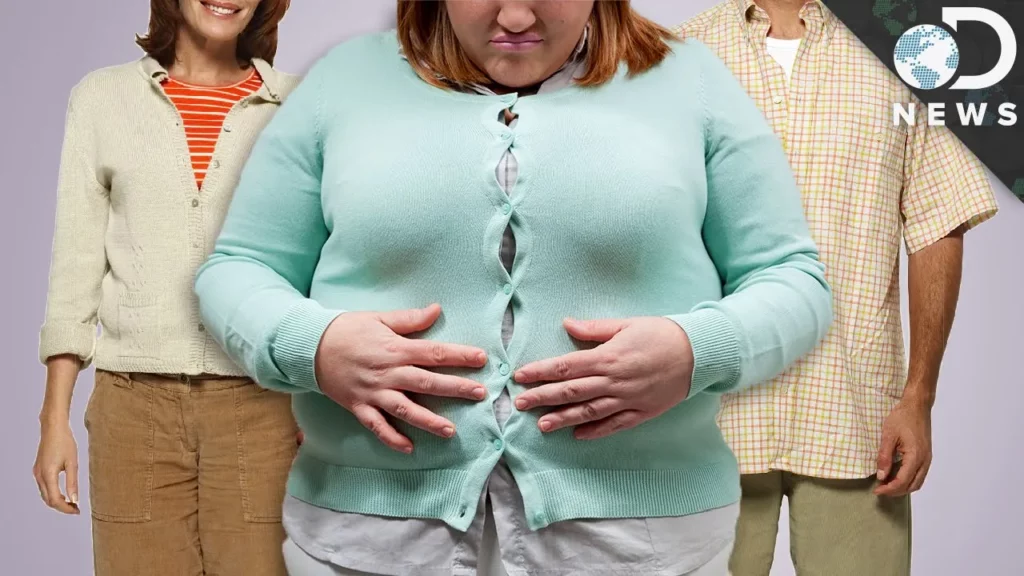
The lesson discusses the rising obesity rates in America, highlighting that nearly a third of the population is clinically obese and that average weights have increased by 10% over the past 30 years. It challenges the notion that laziness is the primary cause, presenting evidence that environmental factors, chemicals known as “obesogens,” and certain medications may significantly contribute to weight gain, suggesting that obesity is a complex issue influenced by multiple factors beyond just diet and exercise.
We Got Our DNA Tested, Here’s How It Actually Works
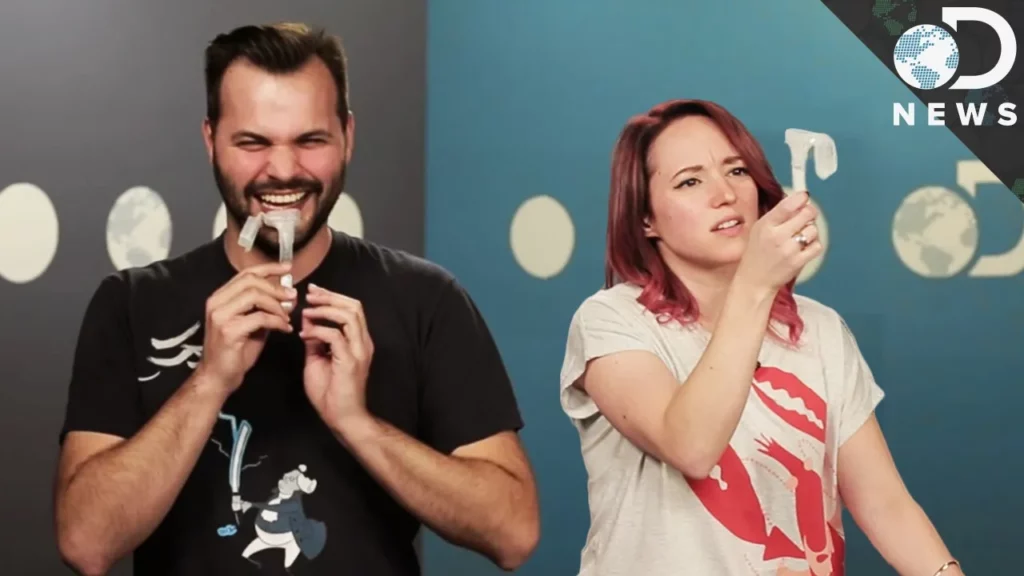
The lesson “Discovering the Secrets of DNA” explores the fundamental role of DNA in defining our biological identity and functions. It explains how DNA, structured as a double helix, serves as a blueprint for all living organisms, detailing the process of DNA testing and its implications for understanding traits, ancestry, and genetic conditions. By engaging with DNA research, individuals can contribute to scientific advancements and gain insights into their own genetic makeup.
The UAE’s Hope Probe Will Make History As It Heads to Mars
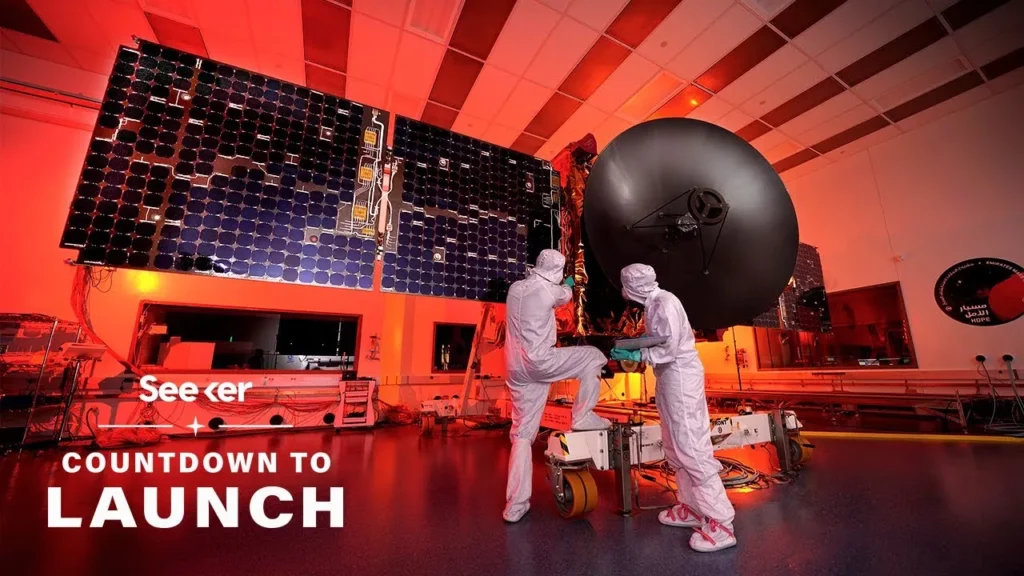
The Emirates Mars Mission, launched in July 2020, marks a historic achievement as the first interplanetary mission from the Arab world, aiming to enhance our understanding of the Martian atmosphere. The mission’s Hope probe is equipped with advanced instruments to study the lower atmosphere and exosphere of Mars over a Martian year, overcoming significant challenges, including a tight launch window and the global pandemic. The data collected will be shared openly, inspiring future generations in the UAE and beyond.
How Close Are We to Farming Human Body Parts?
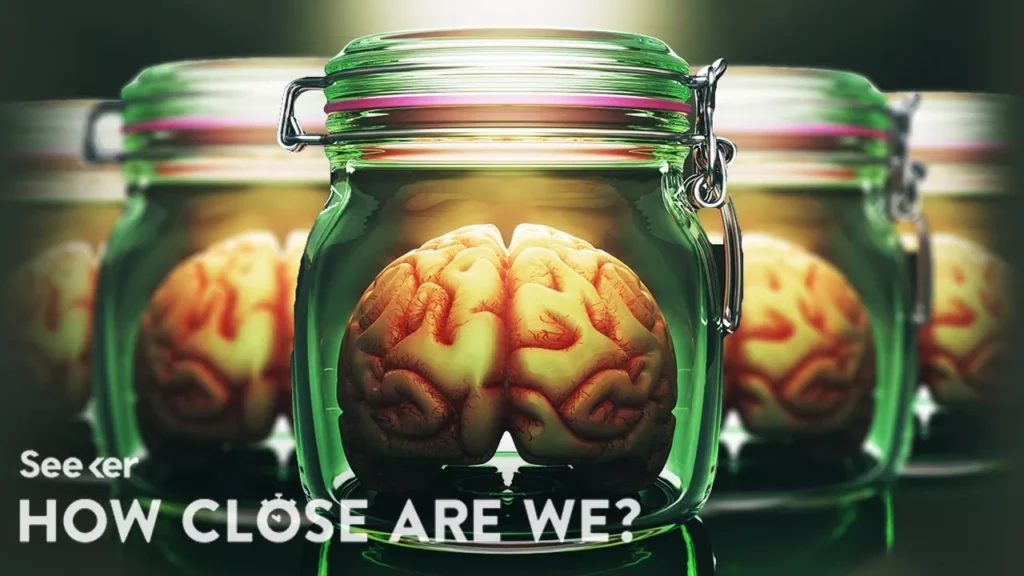
The lesson discusses the advancements in lab-grown organs, highlighting the progress made in regenerative medicine, particularly in creating organs like bladders, kidneys, and hearts. Despite the successful implantation of lab-grown bladders and a record number of organ transplants in the U.S., the demand for organs far exceeds supply, emphasizing the need for innovative solutions. While technologies such as stem cells and 3D printing show promise for future organ manufacturing, challenges remain in scaling production to meet patient needs.
Which Countries Will Be Underwater Due To Climate Change?
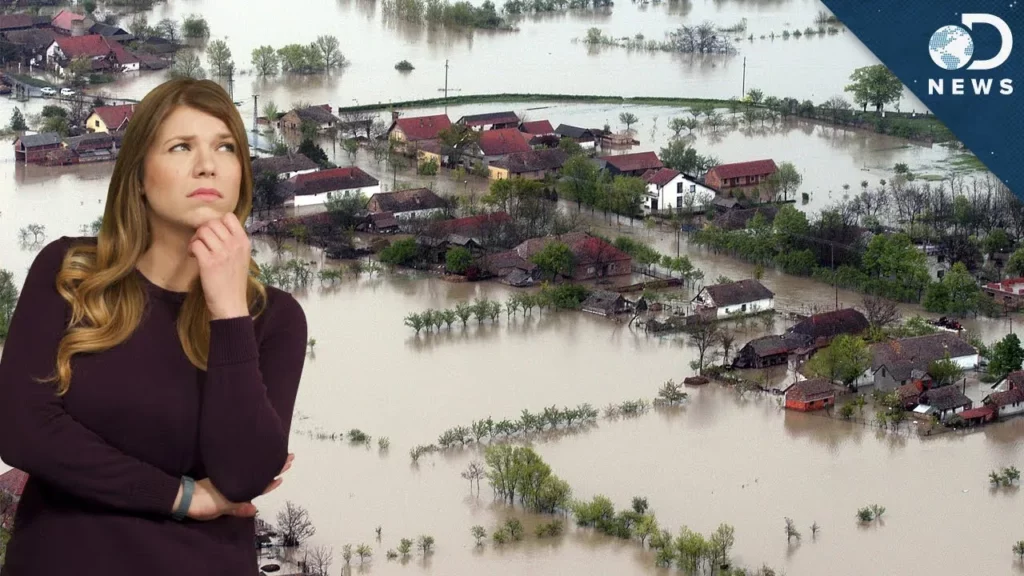
In today’s lesson, we explored the critical issue of rising sea levels and their potential impact on countries worldwide, particularly in relation to climate change and carbon emissions. A recent study highlighted that approximately 177 million people could face regular flooding by 2100 if current emission rates continue, with China being the most affected country. The lesson emphasized the uncertainty surrounding climate change projections and the need for global adaptation strategies to mitigate these risks.
Men vs. Women: Who Farts More?

In this lesson, we explored the science behind a common bodily function that everyone experiences, focusing on the gases responsible for its odor, such as hydrogen sulfide and methanethiol. We learned that while both men and women produce gas, men generally produce more, but women’s gas tends to have a stronger smell. Additionally, tips for reducing gas production, such as dietary changes, were discussed, encouraging further exploration of this and similar topics.
How Japan Gets Away With Killing Whales
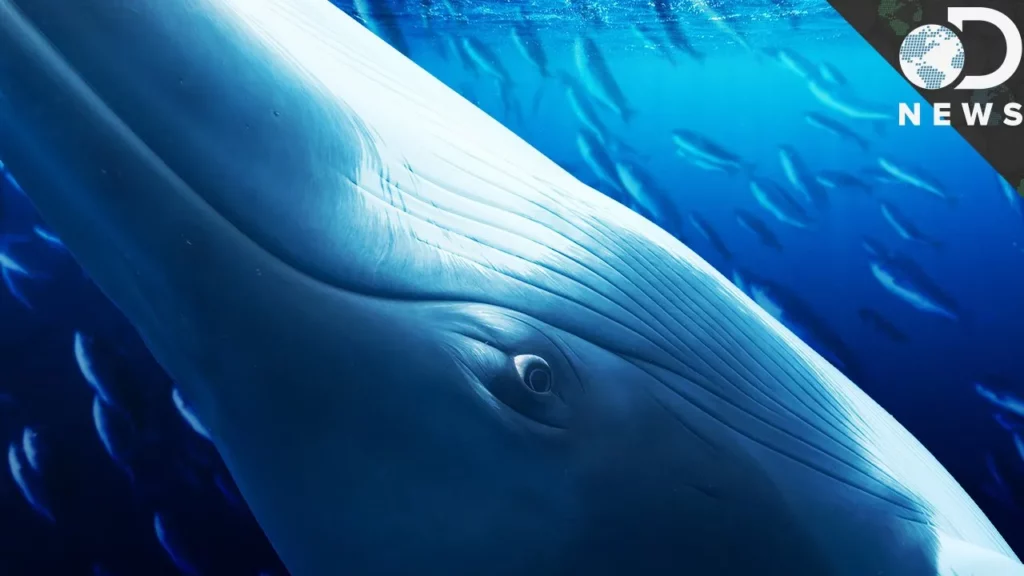
The lesson “A Whale of a Tale: Understanding Whaling and Conservation” explores the history of whaling and the ongoing efforts to protect whale populations. It highlights the establishment of international regulations, such as the 1986 commercial whaling moratorium, and the controversial practices of countries like Japan that exploit loopholes for scientific whaling. The lesson emphasizes the ecological importance of whales and the broader implications of conservation efforts for biodiversity and the health of marine ecosystems.