
Science Can Now Turn Plastic Bags Into Fuel!
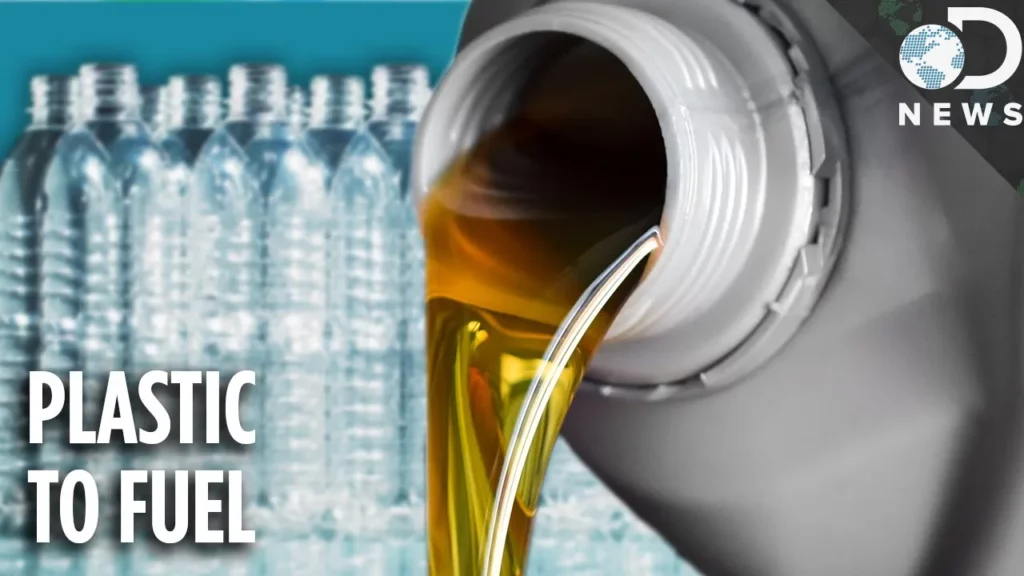
The lesson discusses the pervasive presence of plastic in our environment and its detrimental effects on wildlife and ecosystems. It highlights the role of carbon in plastics and explores innovative research on converting plastic waste into fossil fuels, which could address pollution while creating economic opportunities. Additionally, it emphasizes the need for improved recycling methods and the potential of biodegradable plastics in mitigating plastic waste issues.
These Engineers Want to 3D Print an Entire Rocket in 60 Days
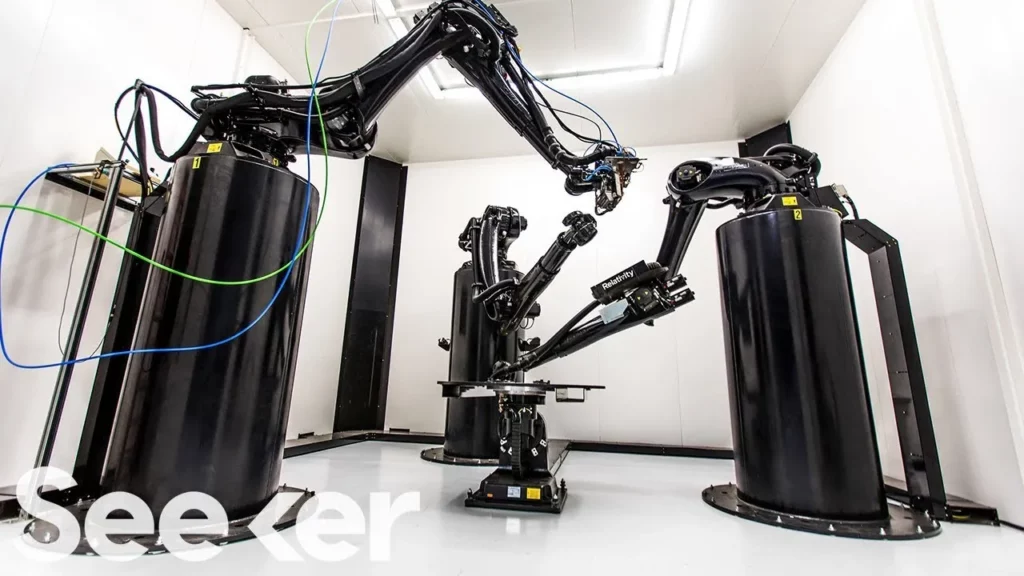
The lesson highlights the transformative impact of 3D printing on rocket manufacturing, exemplified by Relativity’s innovative approach using the Stargate printer. By significantly reducing the number of parts and enabling flexible design modifications, Relativity aims to streamline the production process, allowing rockets to go from print to launchpad in under 60 days. This advancement, combined with automation and machine learning, positions the company at the forefront of a new era in space exploration, with promising developments already underway.
Whale Vomit’s Worth More Than Gold
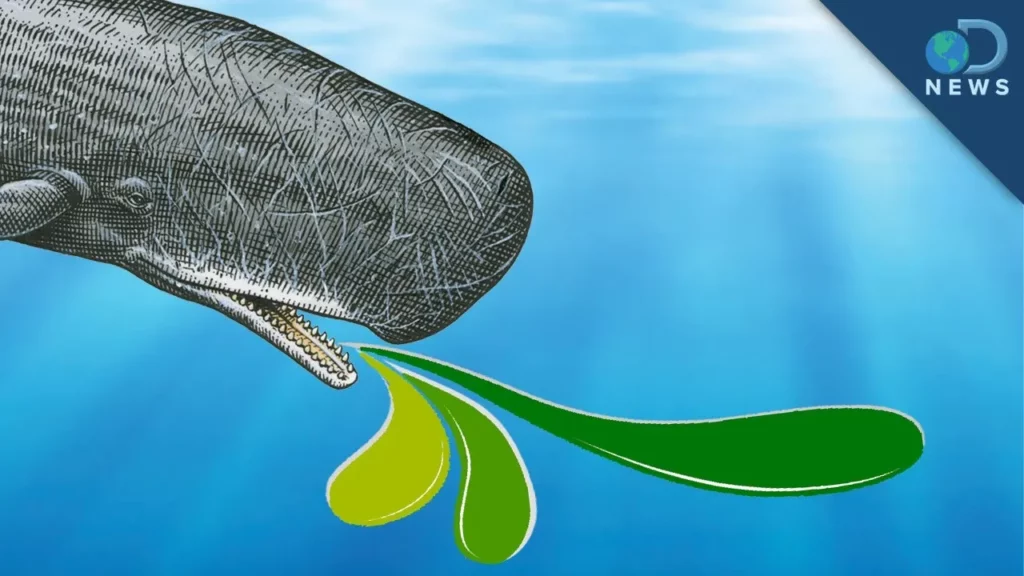
In this lesson, Lacy Green introduces the intriguing concept of ambergris, often mistaken for a rock but highly valuable as whale vomit. Found on beaches, this substance can fetch thousands of dollars due to its use as a fixative in perfumes, although its collection is illegal in the U.S. due to the endangered status of sperm whales. The lesson highlights both the historical significance and natural role of ambergris, encouraging curiosity about the treasures that may lie hidden in nature.
What Ever Happened To Saving The Rainforest?
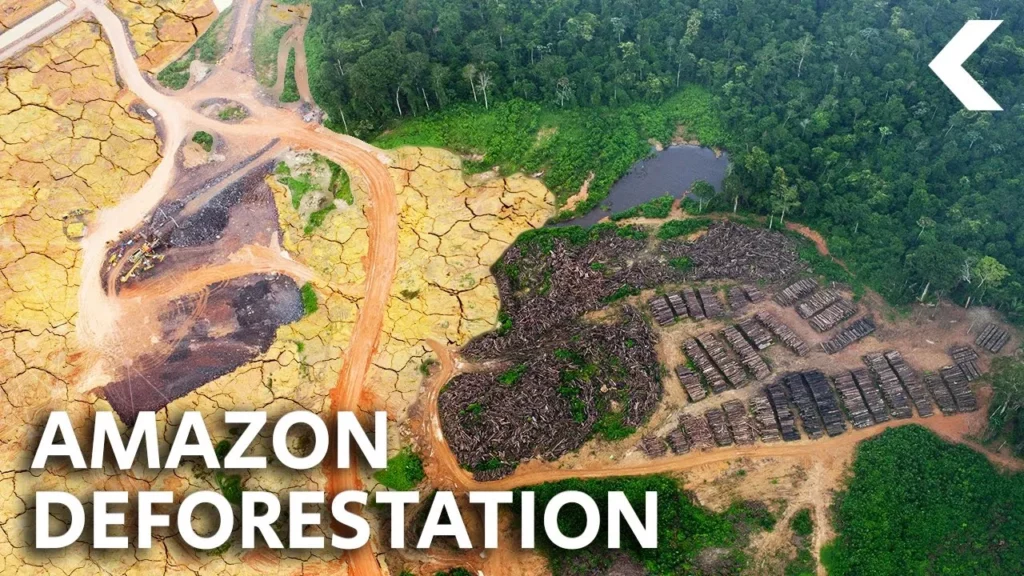
The lesson discusses the history of deforestation in the Amazon rainforest, highlighting the significant efforts made in the early 2000s to reduce tree loss, which saw an 80% decrease by 2011. However, following political shifts and a focus on economic development under President Dilma Rousseff, deforestation rates surged again, raising concerns about the future of the rainforest. The lesson emphasizes the ongoing importance of the Amazon in combating climate change and calls for renewed action to protect this vital ecosystem.
Why Can’t Some Birds Fly?
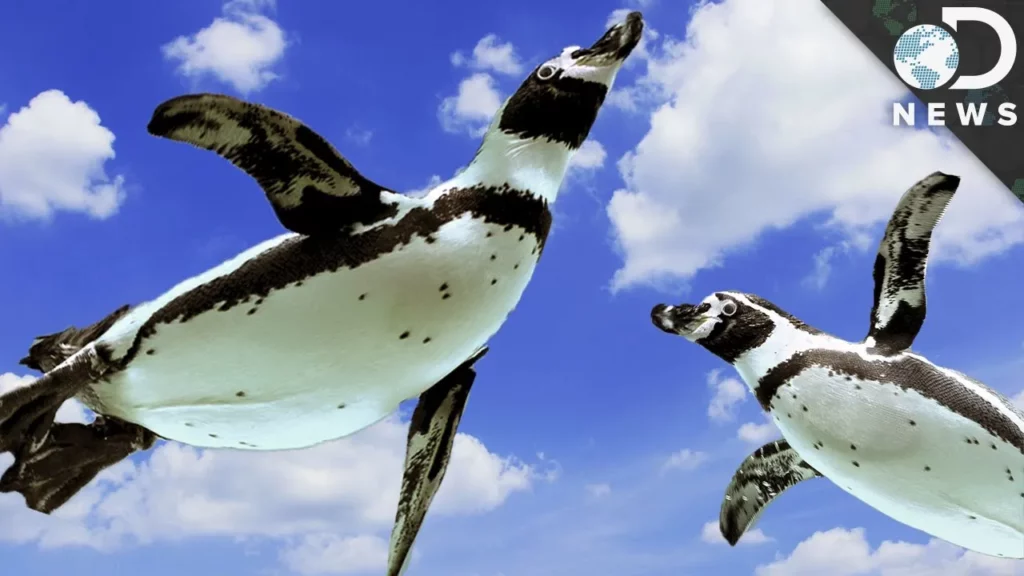
The lesson explores the fascinating reasons why some birds, such as ostriches, emus, kiwis, and penguins, have lost their ability to fly despite having flying ancestors. It highlights the concept of convergent evolution, where different species independently evolve similar traits due to environmental pressures, leading to trade-offs like enhanced swimming abilities at the expense of flight. Additionally, it discusses the role of human influence in the evolution of flightless birds through artificial selection, illustrating how both natural and human factors contribute to this phenomenon.
These Self-Aware Robots Are Redefining Consciousness
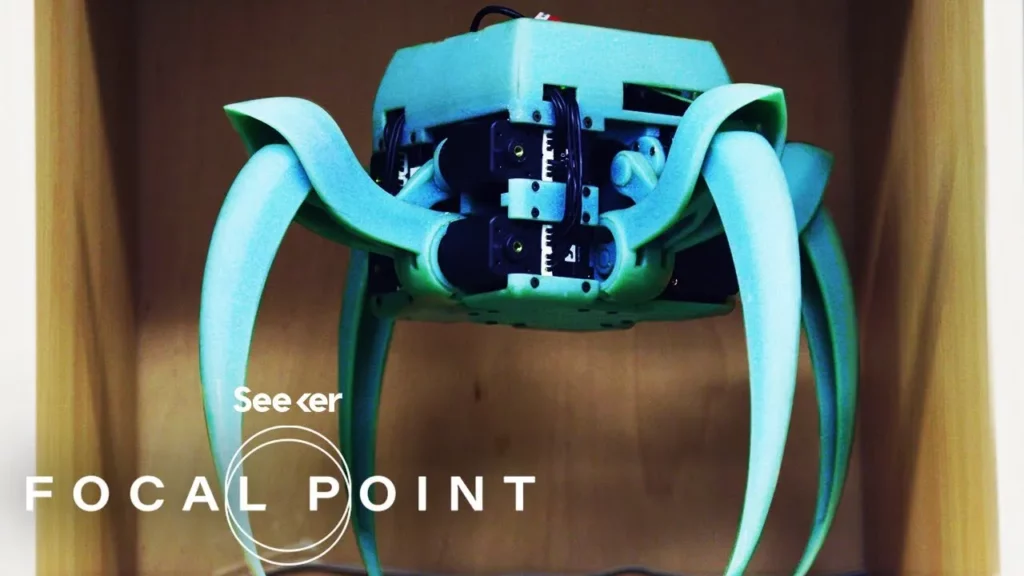
The lesson explores the emerging field of self-aware machines, highlighting advancements at Columbia University under Professor Hod Lipson, where robots are being developed to exhibit self-simulation and adapt to their environments. As machines become increasingly complex, the concept of self-awareness is redefined, focusing on their ability to predict their actions rather than mimicking human consciousness. While the potential benefits of self-aware machines are significant, ethical considerations and safety concerns must be addressed to ensure responsible development and integration into society.
The First Full-Size 3D Print of a Human Heart Is Here
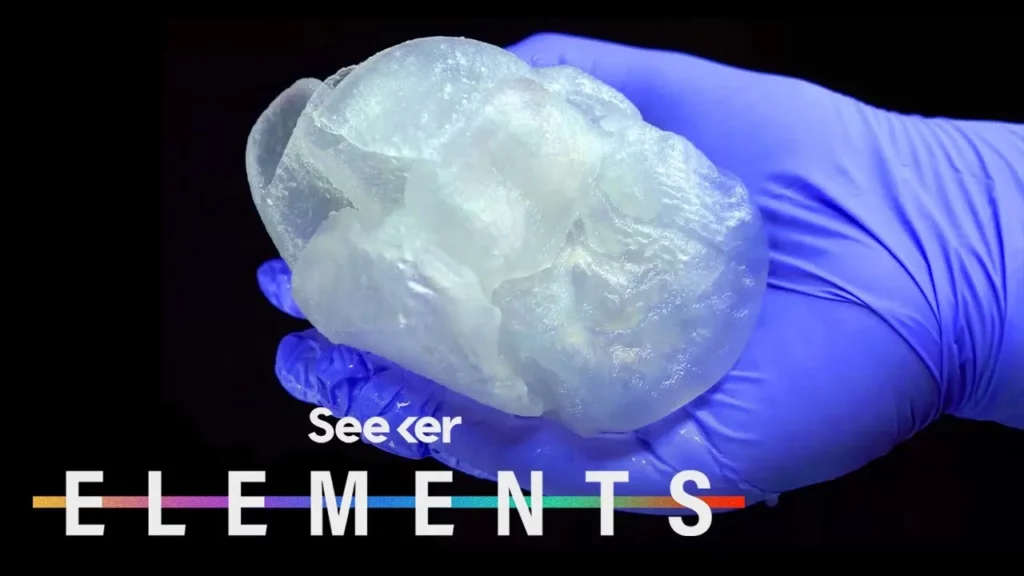
The lesson discusses the groundbreaking advancements in medicine through the development of a flexible, full-size 3D printed human heart by biomedical engineers at Carnegie Mellon University. Utilizing a novel technique called Freeform Reversible Embedding of Suspended Hydrogels (FRESH), this technology allows for the creation of realistic organ models that can aid in surgical training and personalized medical solutions. While challenges remain in creating fully functional hearts, the potential for this innovation to revolutionize organ transplantation and drug testing is significant.
How Do You Know If Your Money Is Fake?
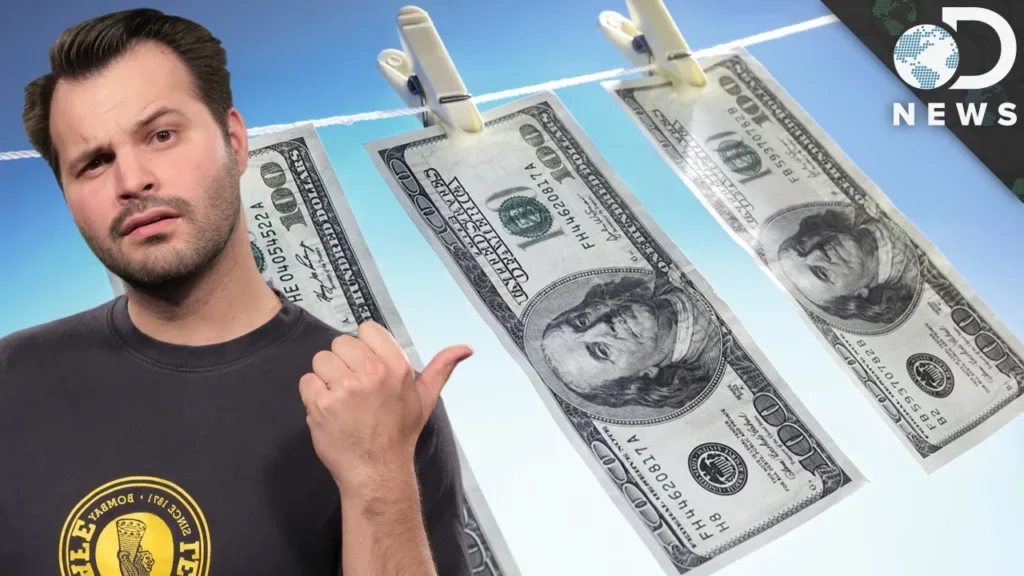
The lesson explores the evolution of trade and currency from ancient bartering systems in Mesopotamia to modern money, highlighting the challenges of counterfeiting throughout history. It discusses how various items were used as money, the emergence of precious metals and paper currency, and the scientific advancements that have been implemented to combat counterfeiting, such as specialized inks and security features in modern banknotes. Despite ongoing efforts, counterfeiting remains a challenge, prompting continuous innovation in currency design and security.
Climate Deal in Paris: Everything You Need to Know
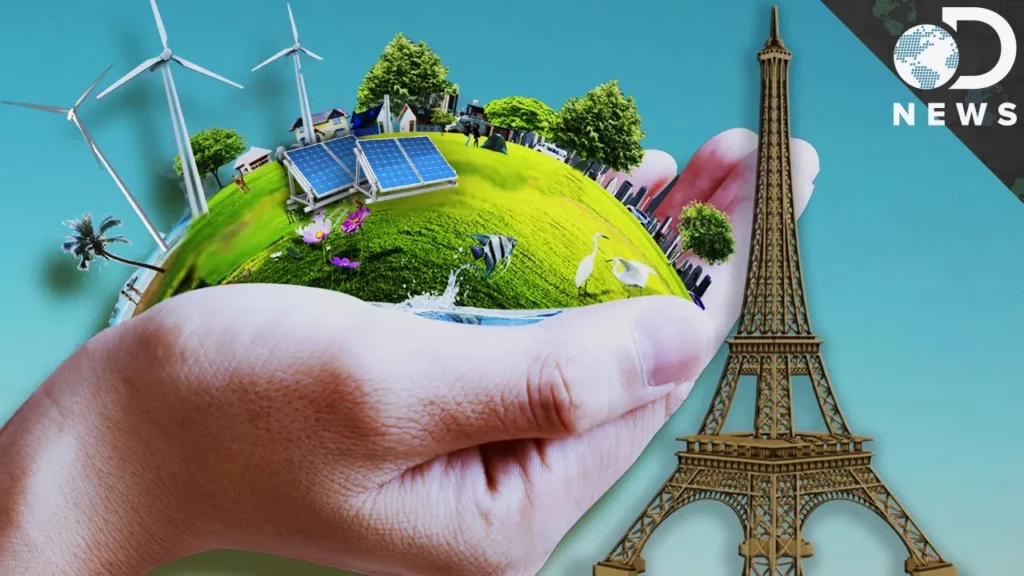
The Paris Climate Agreement, established at the COP21 conference, marks a significant global commitment by 195 countries to combat climate change through nationally determined goals for reducing carbon emissions. This new approach allows each nation to set its own targets while emphasizing transparency and inclusivity, aiming to keep global temperature increases below 2°C. Despite the diplomatic success, challenges remain, as achieving these goals will require substantial effort and investment, particularly from wealthier nations to support developing countries in their climate initiatives.
How Do Moles Become Cancerous?

This lesson emphasizes the importance of understanding moles and their potential link to melanoma, a serious skin cancer. It explains the role of melanocytes in skin protection and the process by which moles can develop mutations leading to melanoma, highlighting the significance of early detection using the ABCDE rule for assessing moles. Additionally, it discusses advancements in treatment, such as immunotherapy, and underscores the value of healthy lifestyle choices in cancer prevention.