
Mini Human “Brain” Grown In Lab
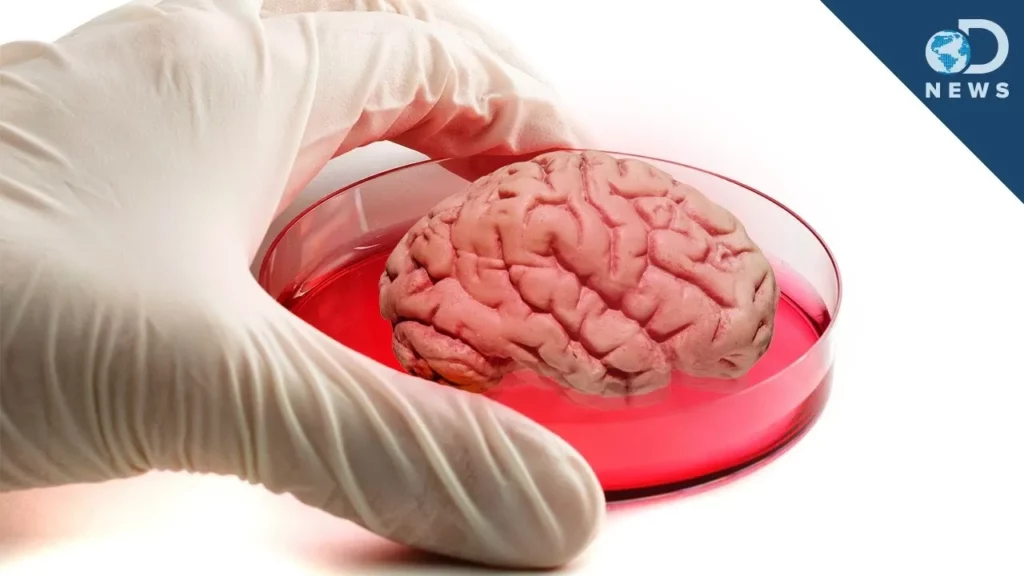
In this lesson, researchers at the Institute of Molecular Biotechnology in Vienna have successfully grown cerebral organoids, miniature brain structures made from human brain tissue, which resemble the early stages of brain development. This breakthrough holds significant promise for studying brain disorders, such as microcephaly, and highlights the role of stem cells in organ growth, paving the way for potential solutions to organ shortages by creating genetically matched organs from patients’ own cells.
How Marvel’s Superhero Technology Gets Designed
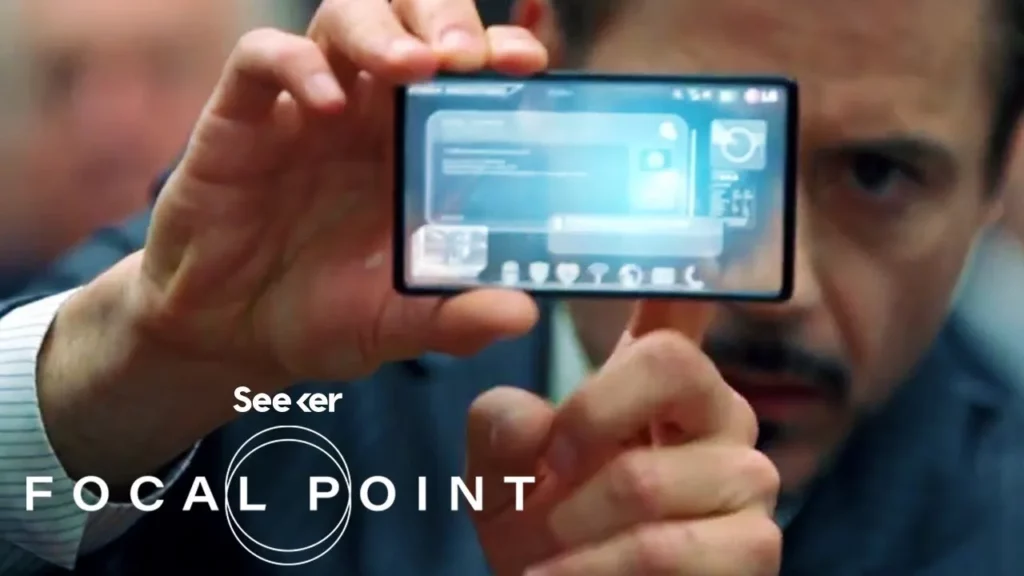
The lesson explores the fictional concept of vibranium in Marvel’s *Black Panther*, highlighting its unique properties and the scientific inspirations behind it, such as acoustic levitation and cymatics. The special effects team aimed to create technology that feels plausible and innovative, elevating the technological standards within the Marvel universe, particularly through Wakanda’s advanced, isolated development. By collaborating with scientific experts and utilizing real scientific principles, the filmmakers illustrate the “science fiction feedback loop,” where imaginative storytelling can inspire real-world technological advancements.
Doodling Helps You in School?

The lesson highlights the surprising cognitive benefits of doodling, suggesting that it can enhance focus and memory retention, particularly during monotonous tasks. Research indicates that doodlers can recall information better than non-doodlers, as the act of doodling helps prevent distractions like daydreaming. While doodling can be a useful tool for maintaining engagement, it’s essential to find a balance to ensure it remains a productive activity rather than a distraction.
Make Delicious Ice Cream In 30 Seconds With Dry Ice!

In this lesson, students learn how to make homemade ice cream quickly using dry ice, which allows for rapid freezing. The process involves mixing heavy whipping cream, condensed milk, and vanilla extract, then safely crushing dry ice to incorporate into the mixture, resulting in creamy ice cream in under a minute. Safety precautions are emphasized, including wearing gloves and goggles, and ensuring proper ventilation while handling dry ice.
Why Does Mars Have Blue Sunsets?
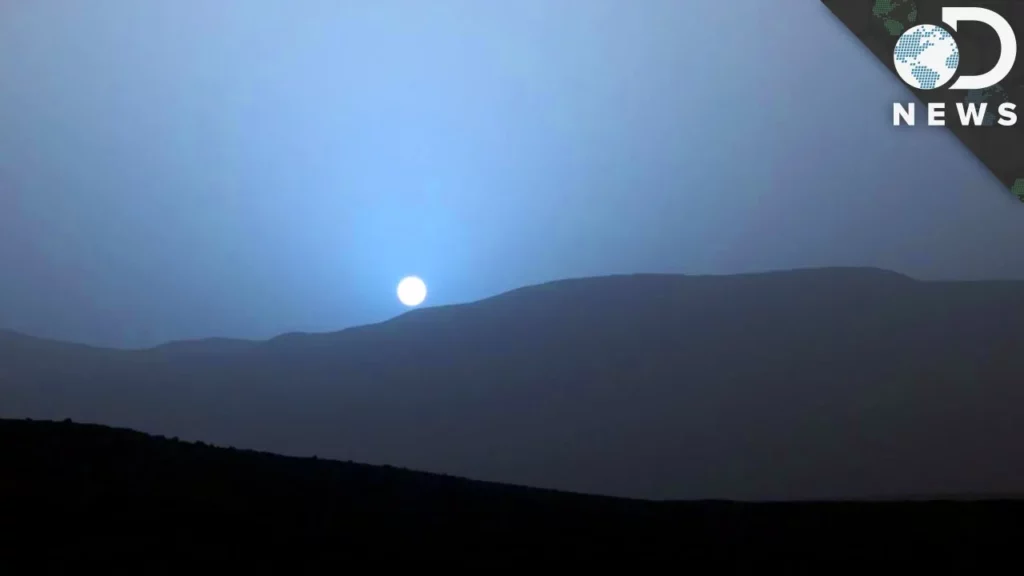
In this lesson, we explored the unique skies of Mars, Venus, and Mercury, highlighting how each planet’s atmosphere affects its appearance. Mars features a reddish-orange sky that turns blue at sunset, Venus has a thick, yellow-orange atmosphere that obscures the sun, and Mercury’s nearly nonexistent atmosphere results in a black sky with an unusually large sun. This journey into the skies of other planets reveals the fascinating diversity within our solar system.
How Did The Deepest Part Of The Ocean Get So Polluted?
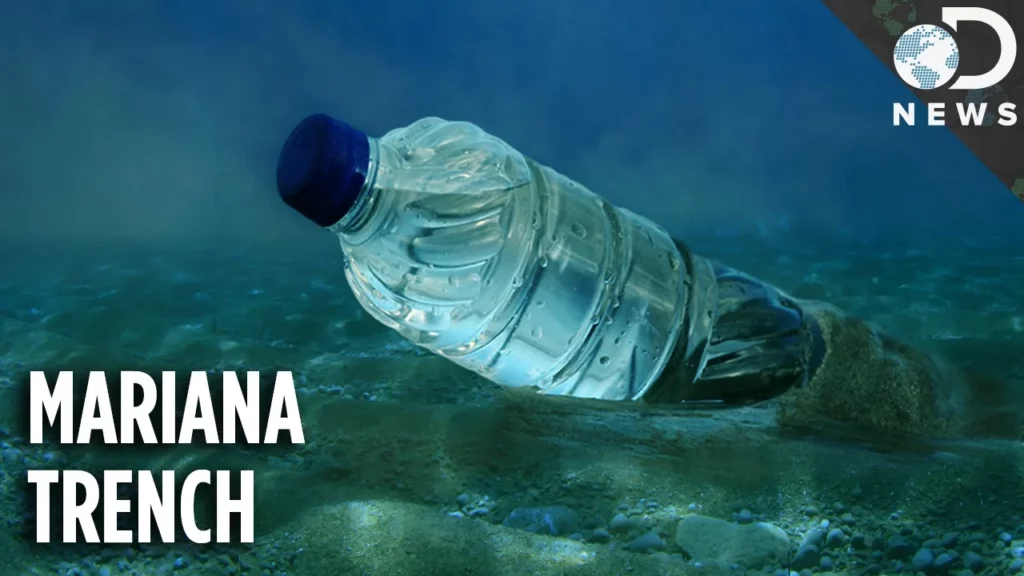
The lesson highlights the alarming reality of pollution in the deep ocean, particularly in the Mariana Trench, which is more contaminated than some of the most polluted areas on land. Despite its remoteness, researchers have discovered trash and harmful persistent organic pollutants (POPs) affecting marine life, including amphipods, which pose risks to both ocean ecosystems and human health. This underscores the urgent need to address ocean pollution, as it impacts the food chain and threatens the survival of various species.
Engineers Created A New Bionic Arm That Can Grow With You
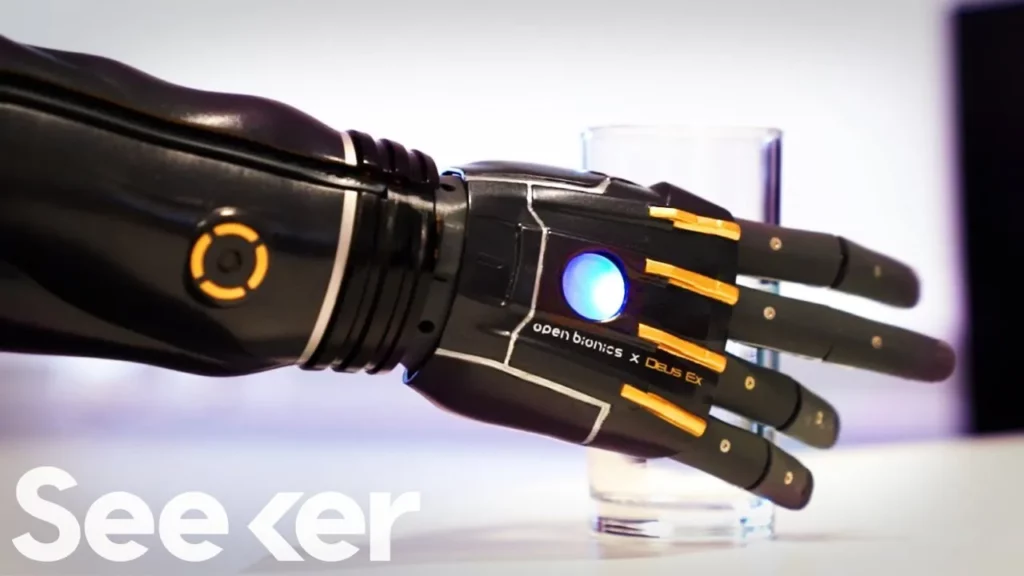
The Hero Arm by Open Bionics is a revolutionary bionic prosthetic that combines advanced technology with affordability, making it accessible to a wider audience. Designed to empower users, it features customizable aesthetics and a multi-grip functionality that responds to muscle signals, allowing for natural movement. This innovative approach not only enhances the quality of life for individuals with disabilities but also inspires a new generation by celebrating individuality and transforming challenges into opportunities.
Why Do We Have Baby Teeth?
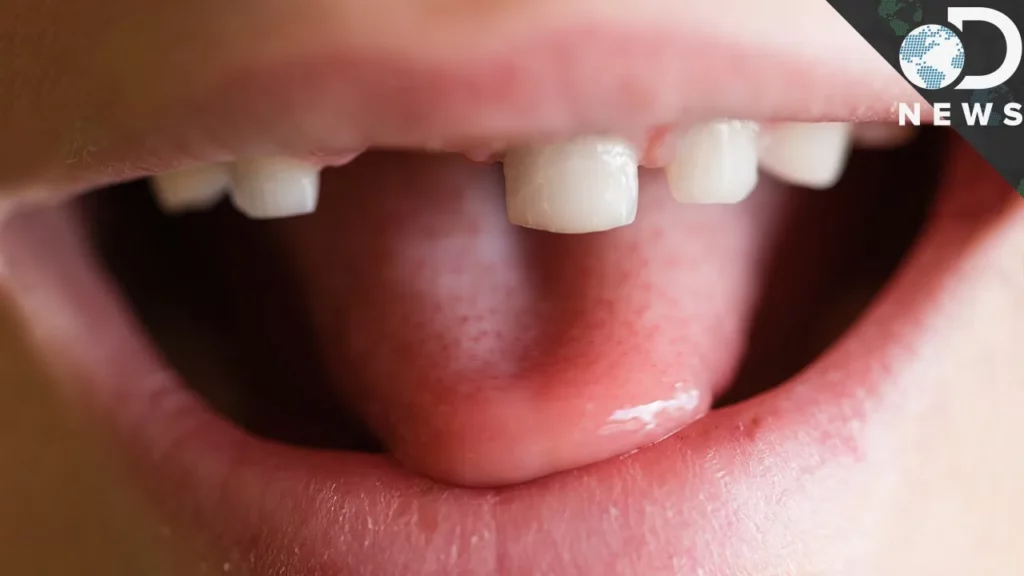
The lesson explains the significance of baby teeth, also known as deciduous teeth, which are essential for chewing, speaking, and creating space for adult teeth. Humans typically have two sets of teeth in their lifetime, with baby teeth falling out around age 6 to make way for permanent teeth. The lesson emphasizes the importance of dental care to prevent issues like cavities and gum disease, encouraging students to share their own tooth-related experiences.
Why Do Your Lips Get Chapped?
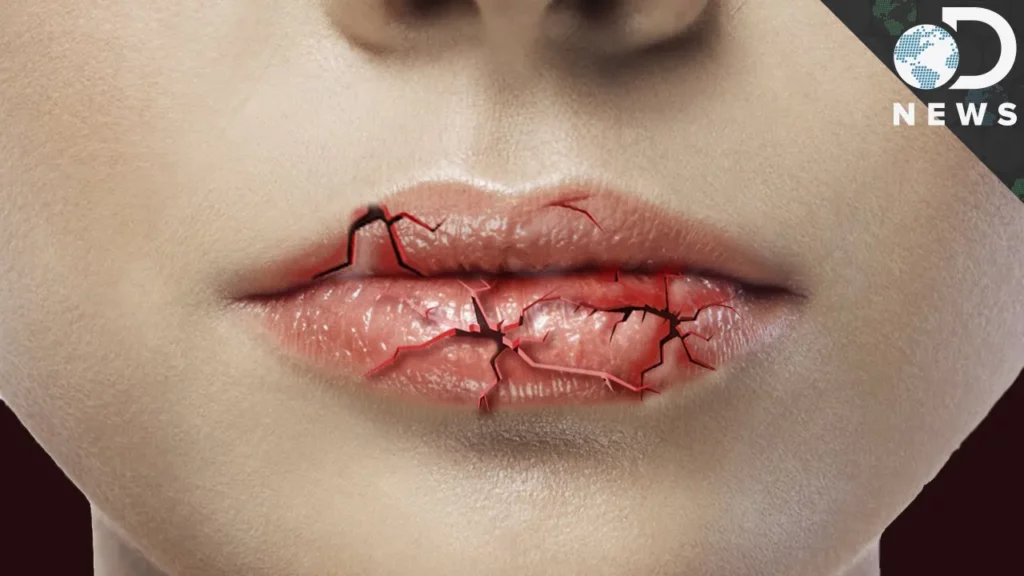
Chapped lips occur due to various factors, including weather conditions, the thin skin of the lips, and lack of moisture. Common causes include cold weather, sun exposure, and habits like mouth breathing and licking lips, which can exacerbate dryness. To maintain healthy lips, it’s important to stay hydrated, avoid irritants, and protect them from environmental elements.
Why the World’s First Solar Geoengineering Test Is So Controversial
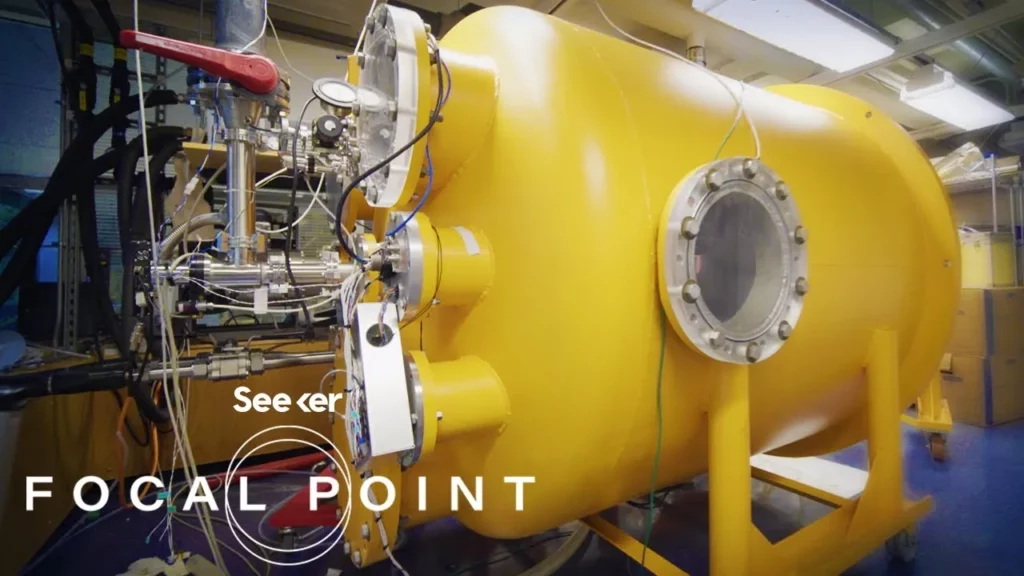
The lesson explores solar geoengineering as a potential response to climate change, highlighting its unconventional nature and the urgency for immediate action in the face of a climate crisis. It discusses the scientific basis for solar geoengineering, including the Stratospheric Controlled Perturbation Experiment (SCoPEx) and the need for careful governance and global dialogue. While acknowledging the risks and criticisms associated with geoengineering, the lesson emphasizes that it should complement, rather than replace, efforts to reduce greenhouse gas emissions.