
How Are New Dog Breeds Created?
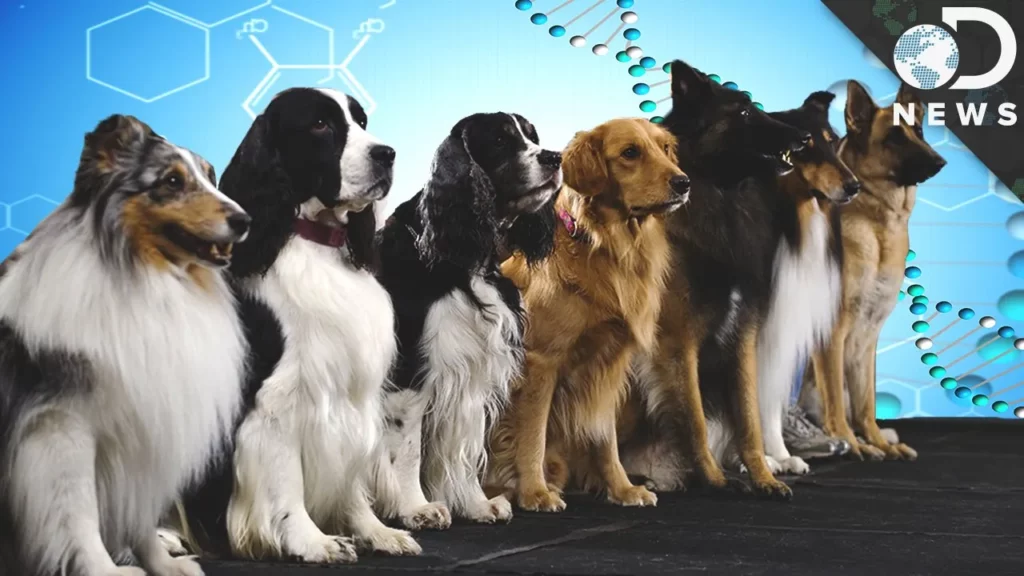
The lesson explores the diverse world of dog breeds, highlighting their historical development, genetic variations, and the impact of selective breeding on their health. It discusses the introduction of new breeds, the scientific study of dog genetics, and the health concerns that arise from breeding practices focused on appearance. Ultimately, it emphasizes the importance of responsible breeding to ensure the well-being of dogs while celebrating their evolution from common ancestors resembling wolves.
Why Does Your Phone Battery Suck?

This lesson explores the limitations of smartphone batteries, primarily lithium-ion technology, which typically lasts between 300 and 500 charge cycles before efficiency declines. While newer smartphones may appear to have improved battery life due to more efficient processors, the underlying battery technology has not significantly advanced since the 1970s. Exciting research at the University of California, Irvine, has introduced a new battery design that could potentially last up to 400 years, but it remains in early development stages, leaving current smartphones reliant on older battery technologies.
Why Is Early Puberty So Dangerous?

The lesson on puberty explores the changing age and implications of this developmental stage, noting that it is starting earlier than in previous generations, with some children experiencing precocious puberty as young as six. Factors contributing to this trend include improved health and nutrition, obesity, and environmental influences. The lesson emphasizes the importance of supporting young people through these changes, recognizing that while their bodies may mature early, their brains continue to develop, and open communication is essential for navigating the challenges associated with early puberty.
Why Aren’t Humans Naturally Nocturnal?

The lesson “The Mystery of Sleeping in the Dark” explores the significance of darkness for achieving quality sleep, emphasizing the role of the circadian rhythm and melatonin production. It highlights how exposure to light, even in small amounts, can disrupt sleep patterns and negatively impact health, while advocating for a dark sleeping environment to enhance restfulness. Additionally, it touches on the evolutionary aspects of sleep patterns in humans and other mammals, underscoring the importance of darkness for overall well-being.
We Could Back Up The Entire Internet On A Gram Of DNA
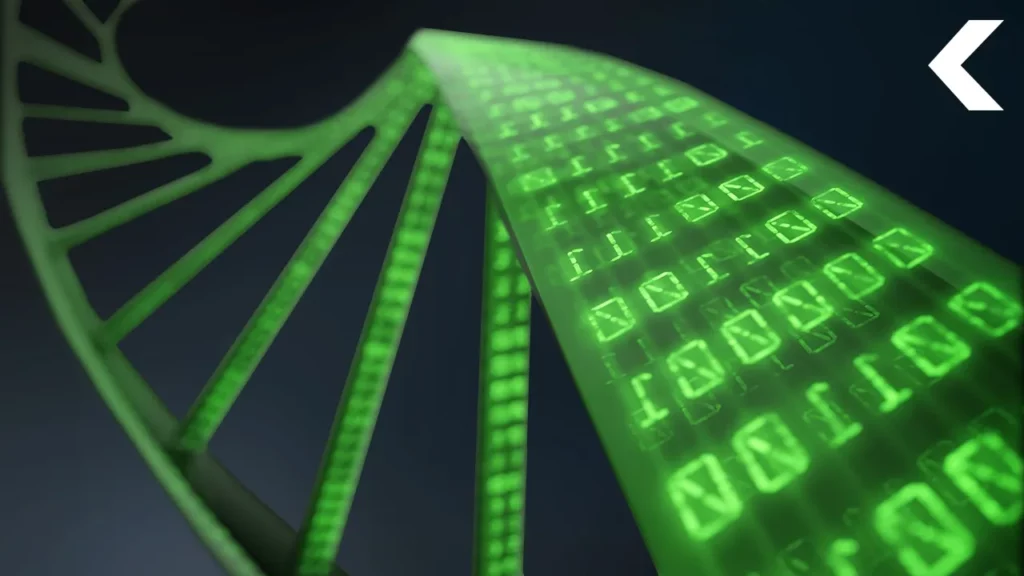
The lesson “DNA: Nature’s Hard Drive” explores the concept of DNA as a highly efficient storage medium, capable of holding vast amounts of data in a compact form, much like a sophisticated computer program. It discusses the process of encoding digital information into synthetic DNA and highlights the potential for DNA to serve as a long-term storage solution, surpassing traditional methods in both capacity and durability. Despite current challenges in cost and time, advancements in DNA storage technology suggest promising future applications, including the preservation of critical digital content.
Why Do Whales Beach Themselves?
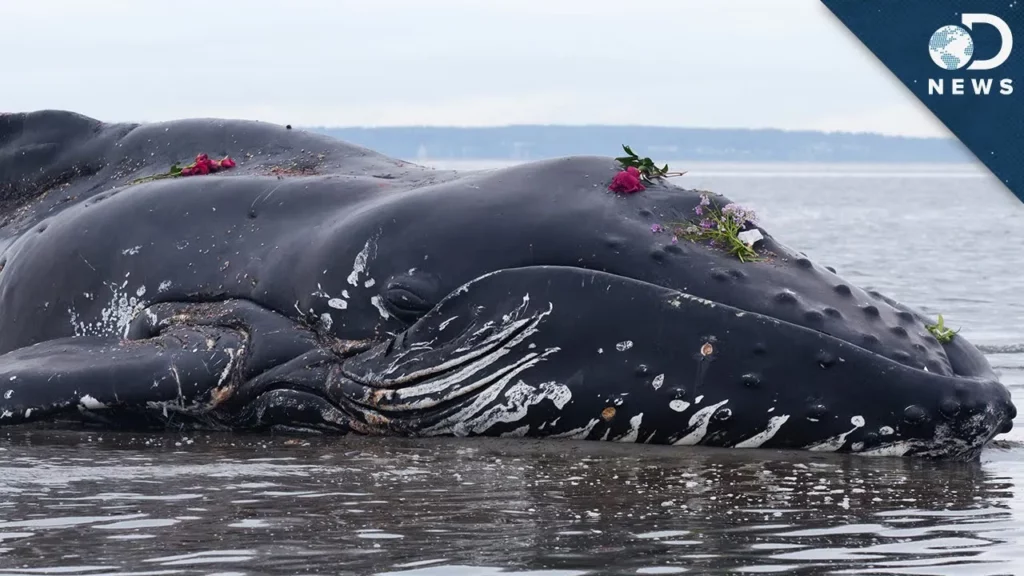
The lesson explores the complex reasons behind whale strandings on beaches, highlighting a recent incident in New Zealand where over 200 whales were found stranded. Various theories are discussed, including the pursuit of prey, social bonds, toxic algae blooms, echolocation challenges, and human impacts such as sonar interference. Ultimately, it suggests that a combination of these factors may contribute to this puzzling phenomenon, emphasizing the need for ongoing research to protect these marine animals.
Ants Are Growing Food and They’re Better at It Than We Are
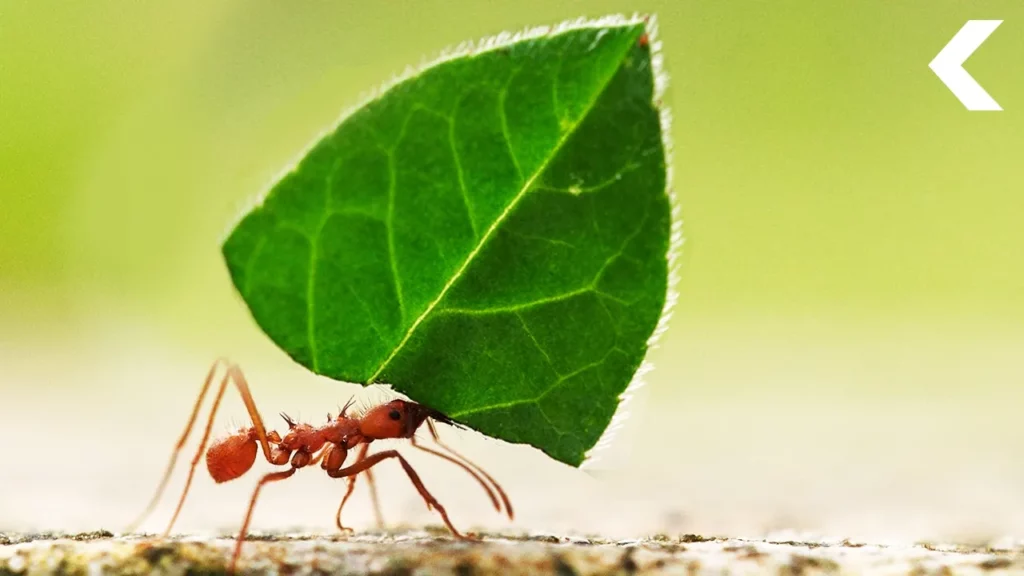
The lesson highlights the remarkable farming practices of leafcutter ants, which have been cultivating fungus for about 55 million years, long before humans began agriculture. These ants meticulously cut leaves to create optimal conditions for their fungal crops, showcasing a sophisticated form of agriculture that offers insights into sustainable farming methods. By studying these tiny farmers, humans can learn valuable lessons to address modern agricultural challenges.
Why Do We Experience Déjà Vu?
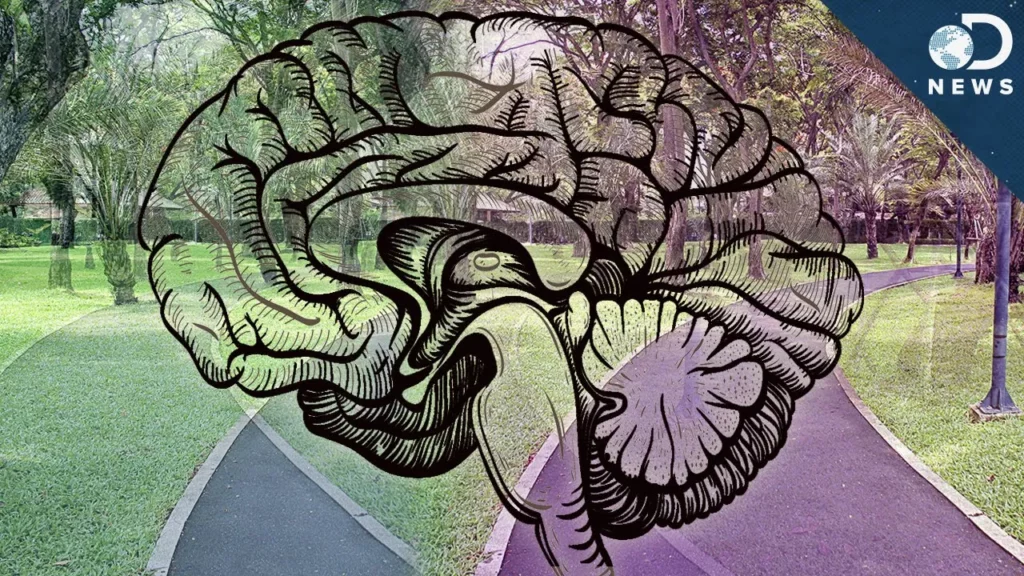
The lesson explores the phenomenon of déjà vu, a feeling of having experienced a moment before, and its various types, including associative and biological déjà vu. It discusses several theories that attempt to explain this mysterious sensation, such as the Cell Phone Theory, Hologram Theory, and Dual Processing Theory, while highlighting the involvement of the medial temporal lobe in the brain. Despite ongoing research, the exact cause of déjà vu remains elusive, making it a captivating subject for scientists and individuals alike.
What Could NASA Do With Double The Budget?

The lesson explores the potential advancements NASA could achieve if its budget were significantly increased, highlighting the agency’s current funding challenges and the impact on scientific research and space exploration. With more resources, NASA could enhance its missions, support commercial spaceflight, and conduct vital research aboard the International Space Station, ultimately paving the way for ambitious projects like a manned mission to Mars. The discussion emphasizes the importance of public support and understanding of NASA’s contributions to science and technology, despite the political and budgetary hurdles it faces.
What Happens When Comets Hit The Sun?
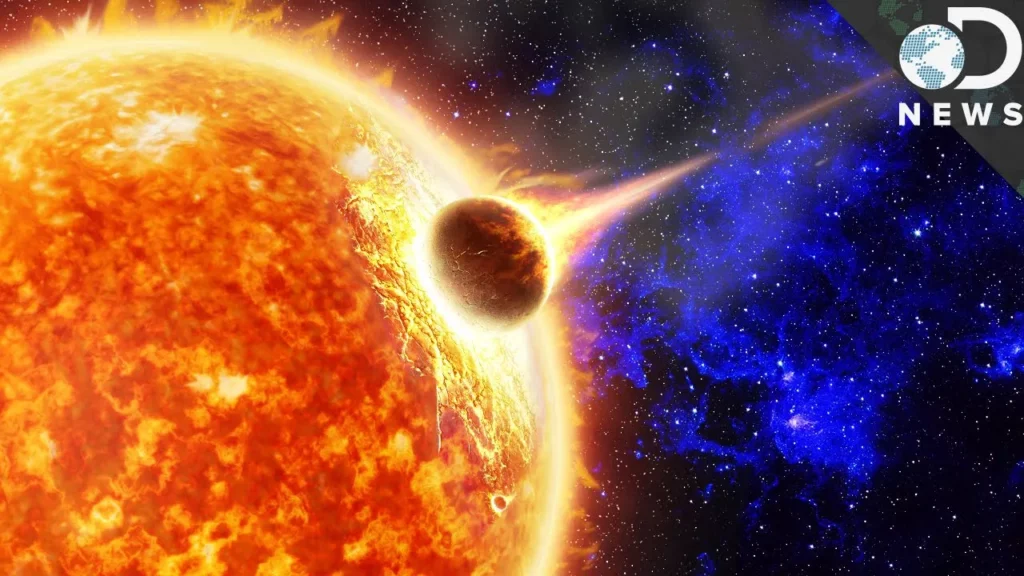
This lesson explores the intriguing interactions between comets and the Sun, particularly focusing on what happens when comets, especially Sungrazers, approach the Sun. Comets, composed of ice, dust, and rock, can be torn apart by the Sun’s gravitational pull or damaged by its intense solar radiation, though some, like Comet Lovejoy, can survive these encounters. If a large comet were to collide with the Sun, it would explode upon entry, creating a powerful release of energy, akin to a solar flare, but without posing a threat to Earth.