
How Do Spacesuits Keep Astronauts Safe From the Vacuum of Space?
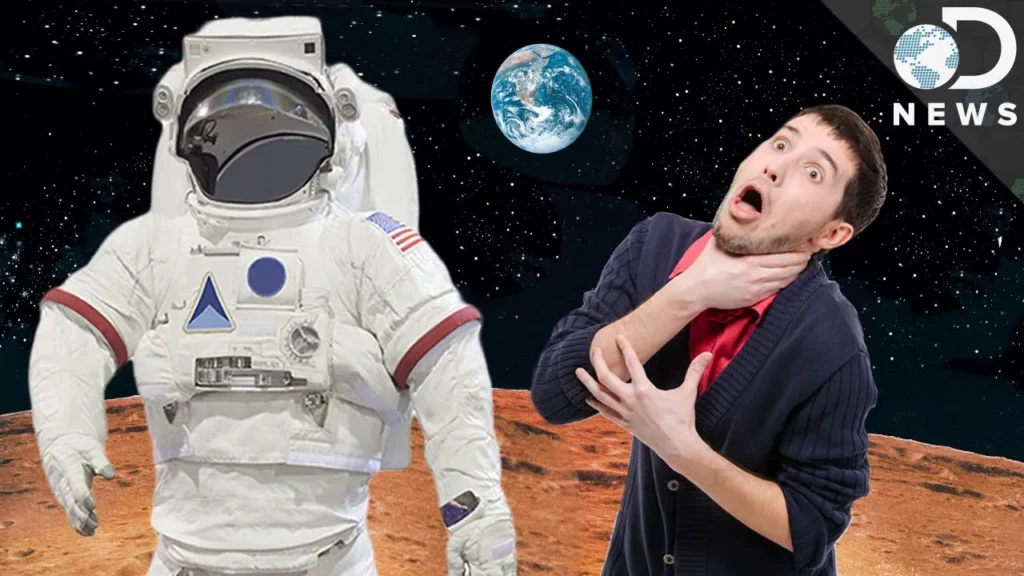
The lesson discusses the evolution and significance of spacesuits, which serve as personal spacecraft for astronauts, providing life support and protection in the harsh environment of space. It traces the development of these suits from early partial pressure designs in the 1940s to advanced models used in the Apollo missions and modern prototypes for future Mars exploration. Key features of spacesuits include waste management systems, communication capabilities, and adaptability for various missions, highlighting their crucial role in ensuring astronaut safety and functionality in space.
Scientists Were Hunting for Dark Matter…and Then This Happened

The XENON1T experiment aimed to detect dark matter, specifically Weakly Interacting Massive Particles (WIMPs), using a large tank of liquid xenon placed deep underground to minimize interference. While it did not find evidence of dark matter, the experiment successfully measured the half-life of xenon-124, revealing it to be 18 sextillion years, the longest directly measured half-life to date. This significant finding highlights the detector’s sensitivity and paves the way for future research, including plans for a larger xenon tank to continue the search for dark matter.
Transforming Air Into Pure Drinking Water Is Finally Possible, Here’s How
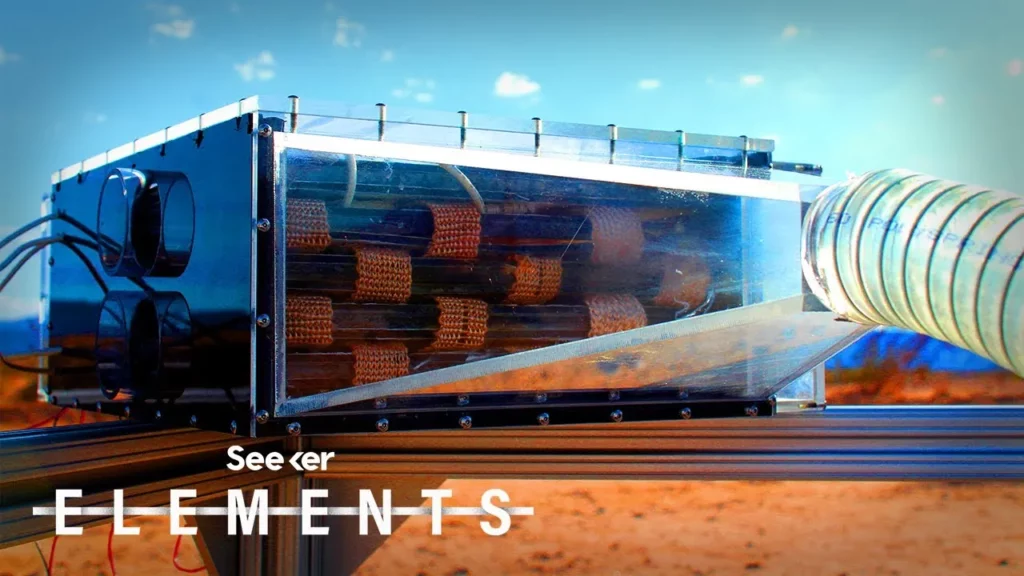
The lesson discusses innovative solutions to water scarcity in desert regions, highlighting the development of Metal-Organic Frameworks (MOFs) by researchers at the University of California, Berkeley. These materials can efficiently extract drinking water from the air, with the latest version, MOF-303, using aluminum to reduce costs and improve performance, potentially providing significant amounts of clean water for communities in arid environments. The ongoing research aims to commercialize these technologies, offering hope for sustainable water access in some of the world’s most challenging climates.
This Is What Happens To Your Body At High Altitudes

This lesson explores how altitude affects our bodies, particularly focusing on the changes in air pressure and oxygen availability as we ascend to higher elevations, such as during flights. At altitudes around 8,000 feet, reduced oxygen can lead to symptoms like headaches and nausea due to hypoxia, while extreme altitudes pose serious health risks like HAPE and HACE. The concept of acclimatization is introduced as a crucial process that allows our bodies to adapt to high altitudes over time, enhancing oxygen efficiency and red blood cell production.
Scientists Just Witnessed the Birth of a Heavy Element in Space
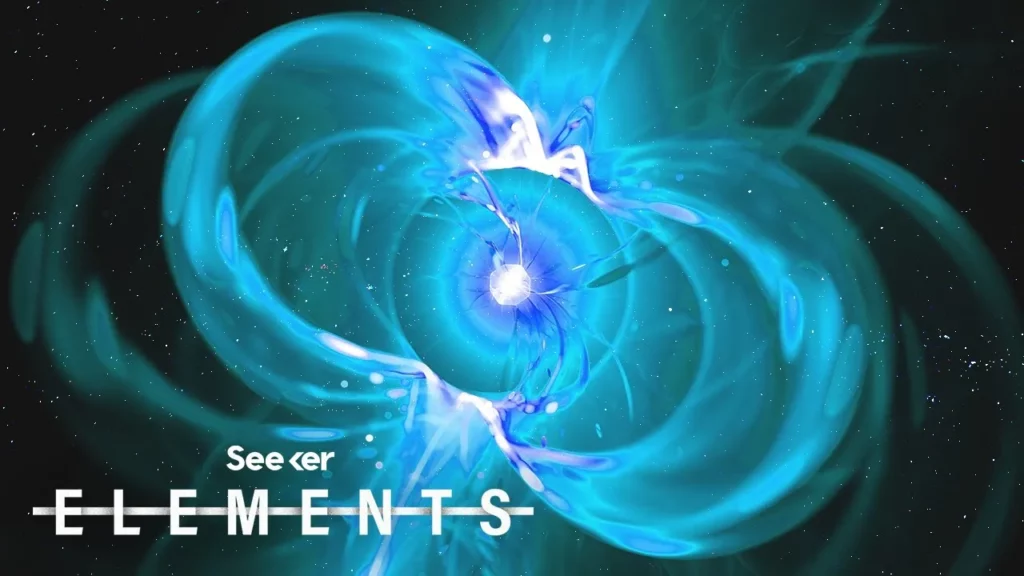
The lesson explores the origins of elements in the periodic table, detailing how light elements formed shortly after the Big Bang, while heavier elements were created in stars and through neutron star collisions. A significant breakthrough in 2019 revealed that approximately half of the elements heavier than Iron are formed via the rapid neutron capture process (r-process) during neutron star mergers, as evidenced by the discovery of strontium in the spectrum of a kilonova. Ongoing research aims to further understand the spectral signatures of heavy elements and the slow neutron capture process (s-process) occurring in older stars.
Why We Hate Our Own Voice

This lesson explores the intriguing history of old-timey accents and voice recording technology, highlighting how early 20th-century American accents were influenced by social class and performance styles. It also delves into the evolution of voice recording, from the phonautograph to the phonograph, and explains why many people find their recorded voices unappealing due to differences in perception. The lesson encourages engagement with accents and invites participants to share their favorites.
Scientists Just Witnessed the Birth of Two Stars in Stunning Detail
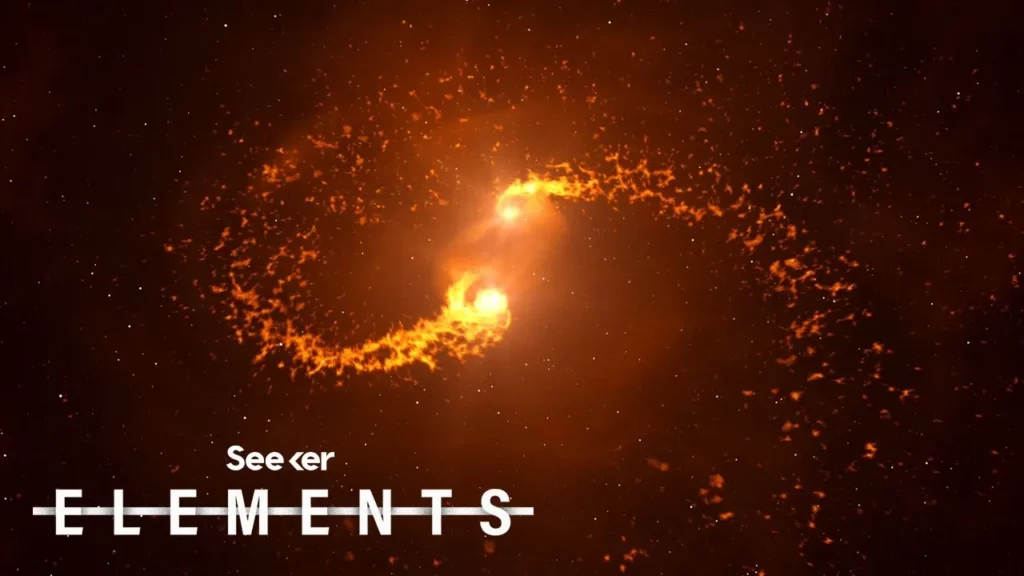
The lesson explores the fascinating process of binary star formation, highlighting a groundbreaking observation of two young stars forming within circumstellar disks. Scientists have captured detailed images that reveal the complex mechanisms involved in their birth, enhancing our understanding of how stars evolve from dense clouds of gas and dust. This new data, particularly from the binary system BHB2007 11, offers insights into the two-step mass collection process that shapes these stellar systems, paving the way for future discoveries in astrophysics.
How Fiction Makes Our Brains Better

The lesson emphasizes the surprising cognitive benefits of reading fiction, suggesting that novels can enhance brain function and empathy more effectively than traditional educational materials. Through the process of grounded cognition, stories engage multiple areas of the brain, improving memory and understanding. Additionally, literary fiction, in particular, fosters empathy by providing deeper insights into character psychology, making it a valuable tool for personal growth and emotional intelligence.
Why It’s Better To Be A Morning Person

The lesson emphasizes the significance of morning routines in enhancing productivity and overall well-being, supported by examples from successful individuals like Anna Wintour and Steve Jobs. Research indicates that waking up early can lead to increased proactivity and better decision-making due to heightened brain activity in the morning, although it also acknowledges that some people may thrive creatively in the evening. To cultivate an effective morning routine, consistency and exposure to natural light are key factors that can help synchronize biological rhythms and improve focus throughout the day.
How Exactly Do Our Brains Recognize Faces?
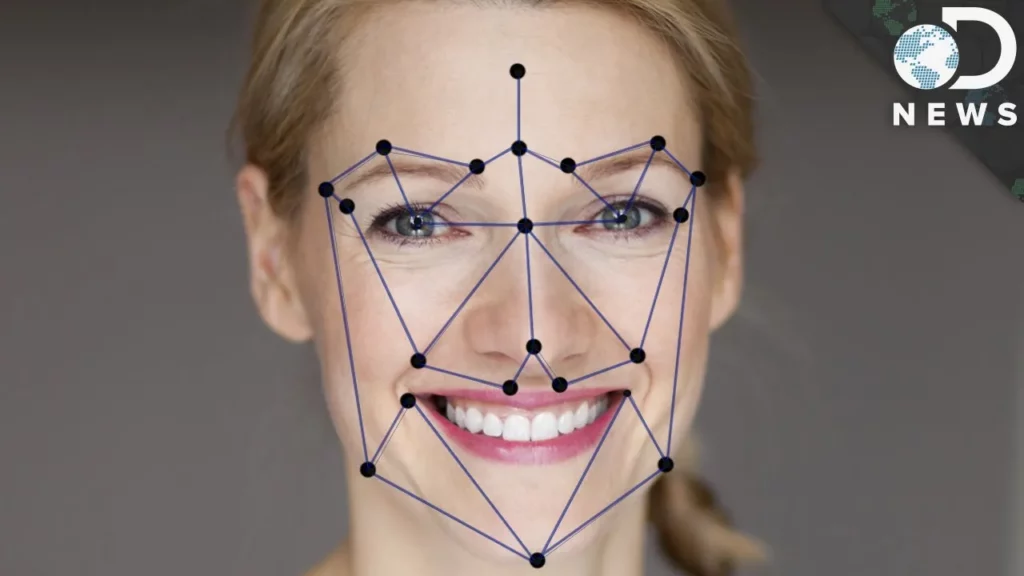
This lesson explores the remarkable ability of the human brain to recognize faces, highlighting its complexity and significance in social interactions. It explains how various brain areas, such as the occipital face area and fusiform face area, work together to process facial features and emotions, and discusses recent research that reveals specialized systems for facial recognition. The lesson also encourages readers to share strategies for remembering names when they encounter familiar faces.