
What Holding Your Breath Does To Your Body

This lesson explores the physiological changes that occur when we hold our breath, emphasizing the importance of breathing for oxygen intake and carbon dioxide expulsion. It discusses the body’s responses, such as discomfort and the mammalian diving reflex, which conserves oxygen during underwater breath-holding. While impressive records exist for breath-holding, the lesson cautions against attempting such feats without proper training and highlights the need for further research on the long-term effects of breath-holding.
Can You Spot A Fake Smile?

The lesson explores the complexities of facial expressions, particularly smiles, revealing that they do not always indicate genuine happiness. Research shows that while smiles are often perceived as signs of joy, they can also be fake, serving various social functions. By focusing on the eyes rather than just the smile, we can gain a clearer understanding of true emotions, highlighting the importance of context in interpreting facial expressions.
The Z Machine Recreates a Dying Star on Earth
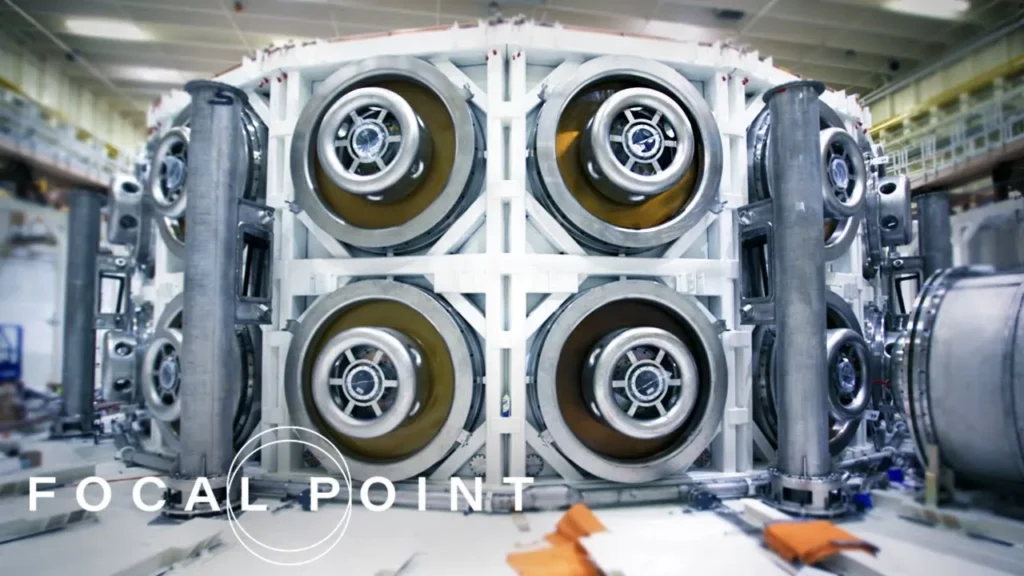
The Z Machine is a groundbreaking scientific tool that unleashes over 20 megajoules of energy in nanoseconds, enabling researchers to simulate cosmic conditions and conduct experiments that transform our understanding of the universe. By replicating star-like environments, scientists can study phenomena such as white dwarf stars and refine models that estimate the age of celestial bodies, ultimately advancing the field of astronomy from mere observation to experimental science. This innovative approach not only enhances our knowledge of astrophysics but also exemplifies the power of human ingenuity in exploring the mysteries of the cosmos.
Cursive is Dead!
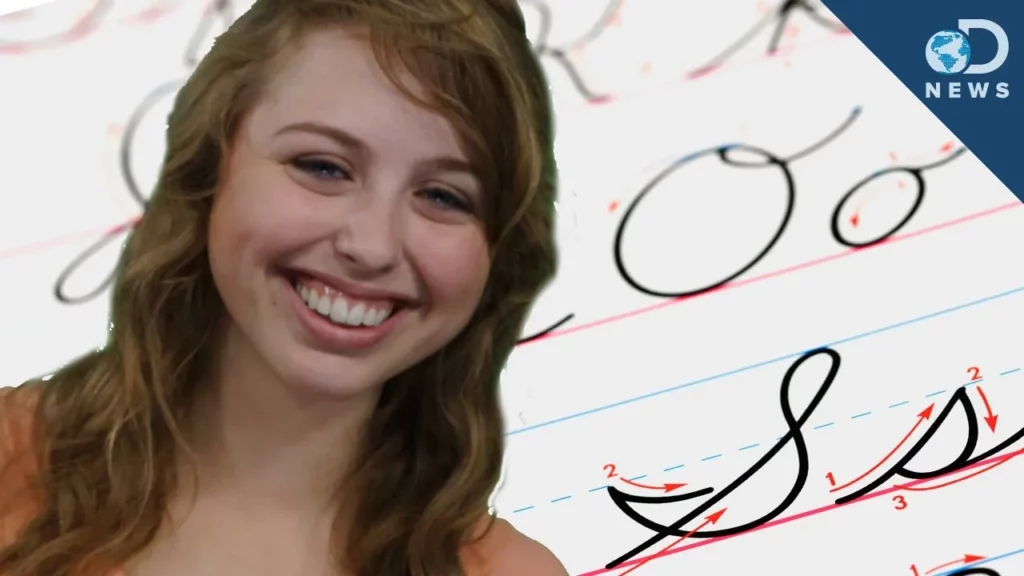
The lesson discusses the relevance of cursive writing in today’s educational landscape, highlighting the debate over its necessity since it was removed from the Common Core curriculum. While some argue that cursive is outdated, others emphasize its benefits for brain function and memory, supported by research showing that handwriting can enhance learning outcomes. Ultimately, the lesson encourages reflection on personal preferences for handwriting versus typing, acknowledging the divided opinions on teaching cursive.
How We Turn Solar Energy Into Electricity
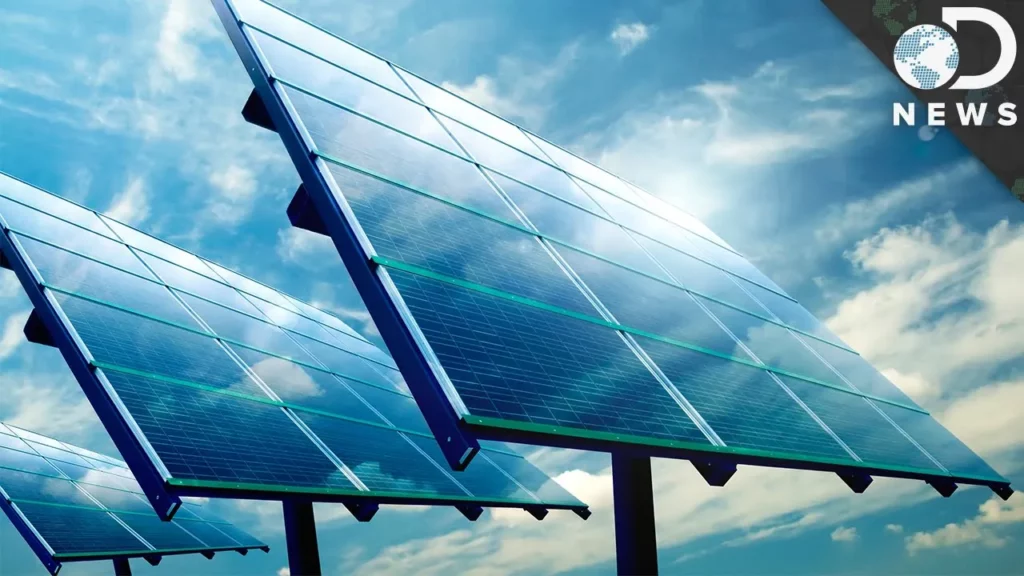
The lesson explores the evolution and potential of solar energy, highlighting its discovery in the 19th century and the subsequent development of photovoltaic cells that convert sunlight into electricity. It discusses the growth of solar energy usage, innovations that have made it more affordable, and ongoing research into sustainable materials for solar panels, such as using shrimp shells. The lesson concludes by encouraging reflection on the future of renewable energy and the various paths it may take.
The World’s Most Powerful Supercomputer Is Almost Here
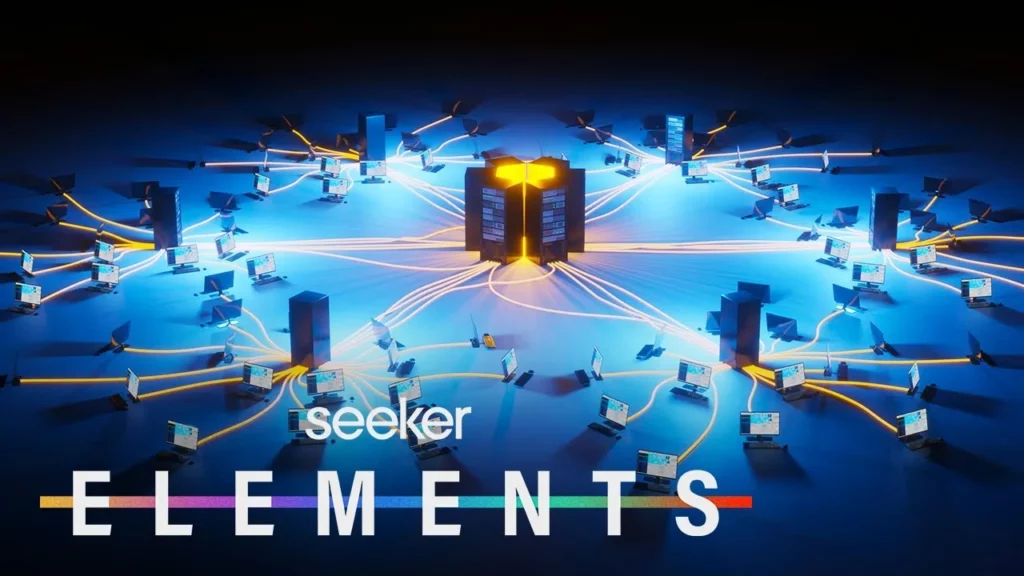
The lesson explores the transformative potential of supercomputers, particularly the upcoming exascale computing era, which promises to revolutionize various fields by enabling simulations and analyses of complex phenomena like climate change and molecular interactions. It highlights the historical evolution from early computers like ENIAC to today’s powerful machines capable of performing quintillions of operations per second, while also addressing the significant challenges and costs associated with developing and maintaining these advanced systems. The lesson emphasizes the critical role of software engineers in maximizing the capabilities of exascale computing to tackle pressing global issues.
Why Clean Coal Is A Myth
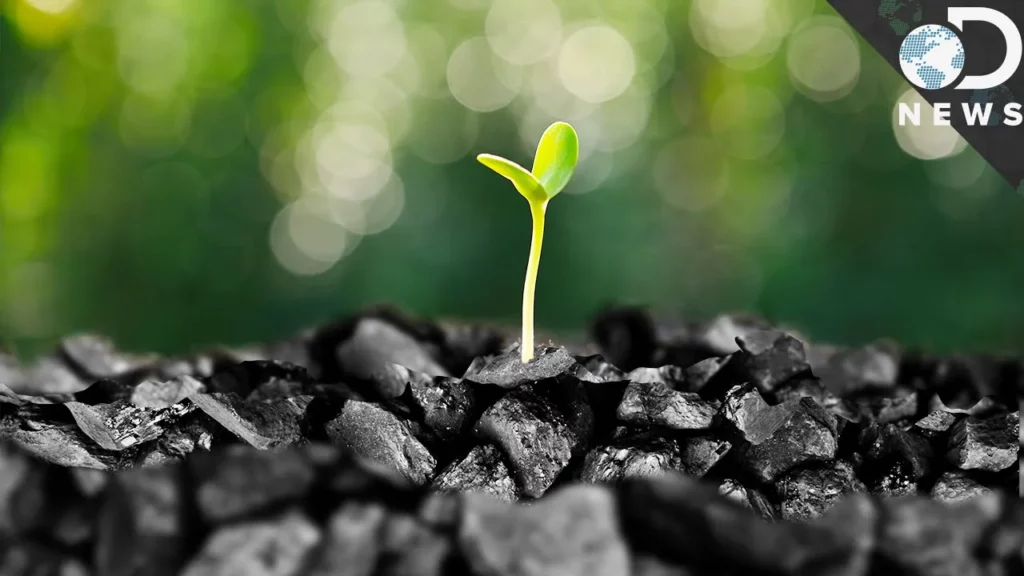
The lesson on clean coal explains the significance of coal as an energy source and the environmental challenges associated with its use, such as harmful emissions that contribute to air pollution and health issues. It introduces clean coal technologies, including carbon capture and storage, coal washing, and oxy-fuel combustion, which aim to reduce these emissions. However, the lesson also highlights the ongoing debate about the effectiveness and transparency of these technologies, suggesting that while they may improve coal’s image, they do not fully resolve environmental concerns.
Why Do We Get Thirsty?
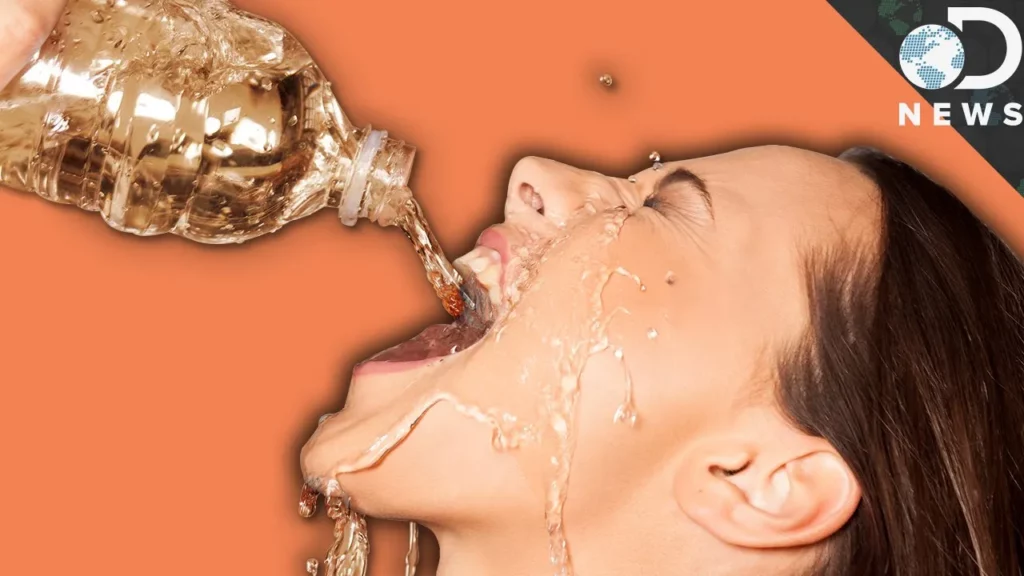
The lesson explores the science behind thirst, explaining that it is the body’s signal for the need for water, essential for maintaining health. It details how the brain regulates thirst through the subfornical organ, which monitors electrolyte balance and predicts fluid needs, responding quickly to drinking water. Additionally, the lesson highlights the importance of hydration while cautioning against overhydration, emphasizing the brain’s precise management of thirst to maintain balance.
The Earth’s Spin Is Slowing Down! What Happens If It Stops?
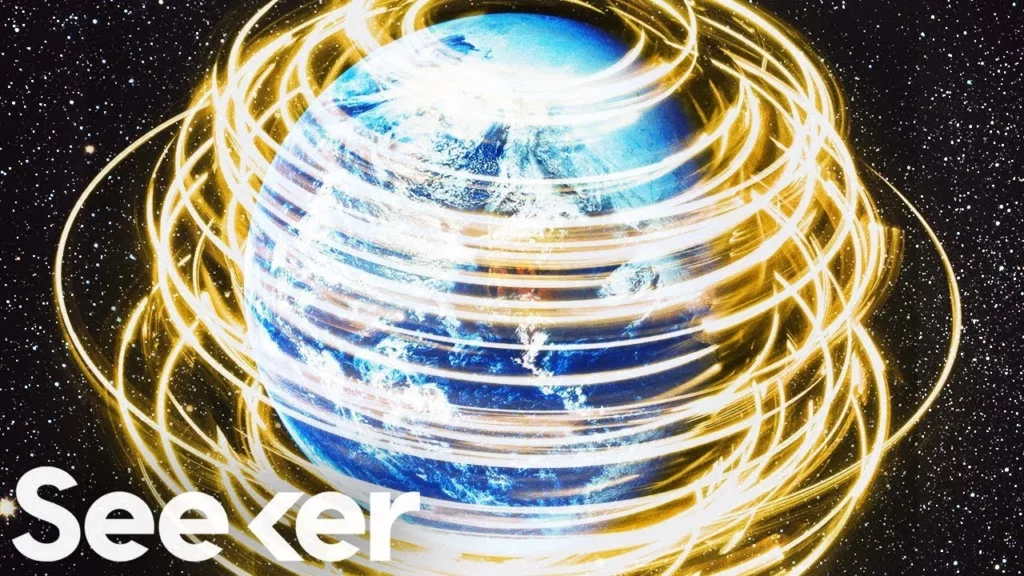
The lesson discusses the gradual slowing of the Earth’s rotation and its potential long-term effects on the planet. Initially spinning rapidly due to a collision with a Mars-sized object, the Earth now experiences longer days as friction from ocean tides slows its rotation. If this trend continues, future changes could lead to extreme day-night cycles, shifts in climate and geography, and significant impacts on geological and biological systems, although these changes will occur over millions of years.
This Device Tells You Exactly What’s In Your Food!
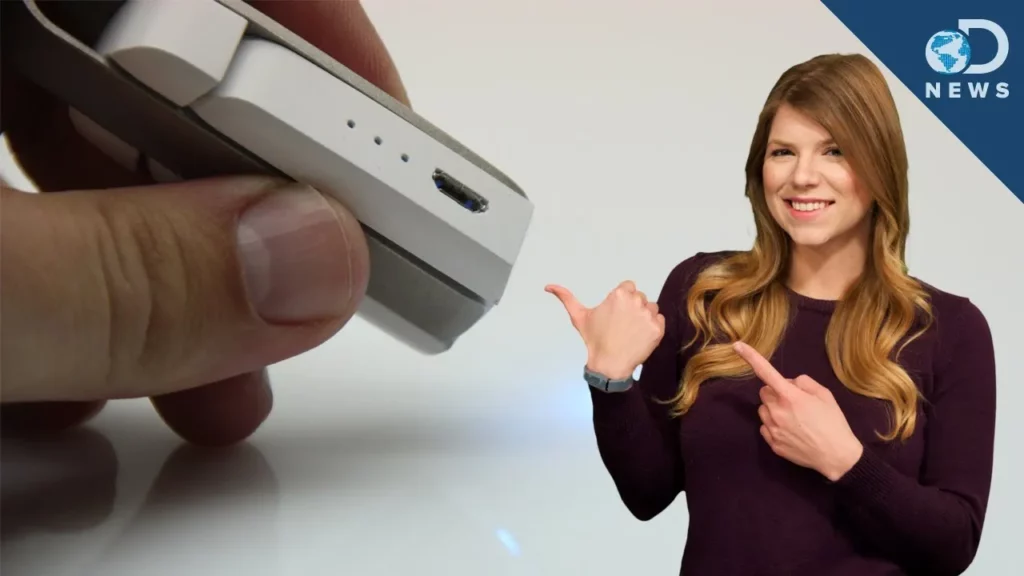
In this lesson, we explored Scio, a groundbreaking molecular scanner developed by Consumer Physics that analyzes the chemical composition of everyday objects using infrared light and a spectrometer. This versatile device can provide nutritional information about food, assess plant moisture levels, and verify the authenticity of medicines, with plans for future applications in various materials. Additionally, students are encouraged to participate in a science video contest for a chance to win scholarships and prizes, promoting creativity and innovation in science.