
This Next Generation Camera Aims To Capture Alien Life
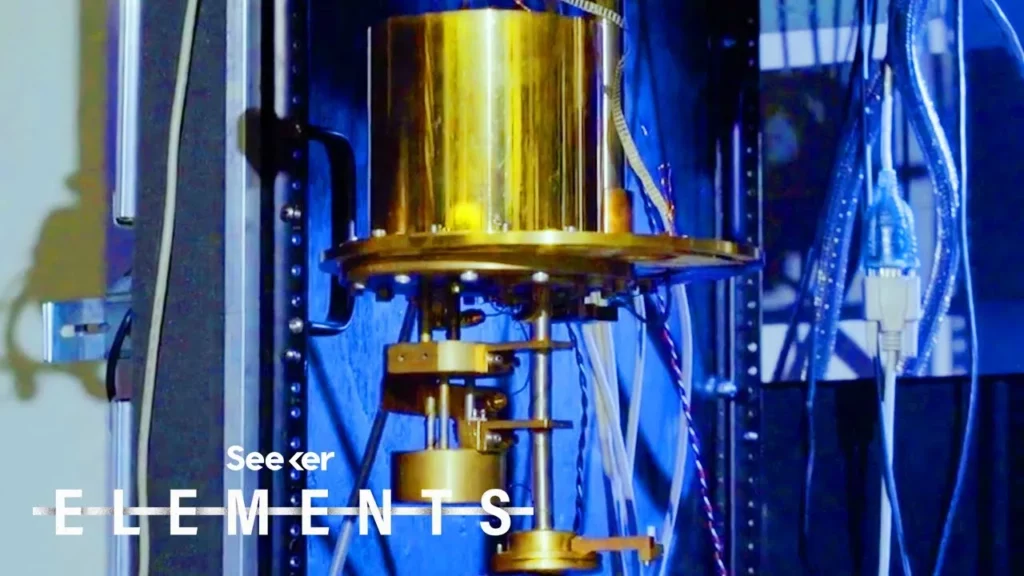
The lesson discusses the pivotal role of cameras in space exploration, particularly in the context of the James Webb Space Telescope and a new groundbreaking camera developed by the National Institute of Standards and Technology (NIST). This innovative camera, utilizing superconducting materials, enhances sensitivity and reduces noise, enabling the detection of chemical signs of life on exoplanets by capturing detailed spectral signatures. Despite the promising advancements, the NIST team acknowledges that further optimization is needed to fully realize the camera’s potential in uncovering extraterrestrial life and understanding cosmic phenomena.
Where Does Hydrogen Come From?
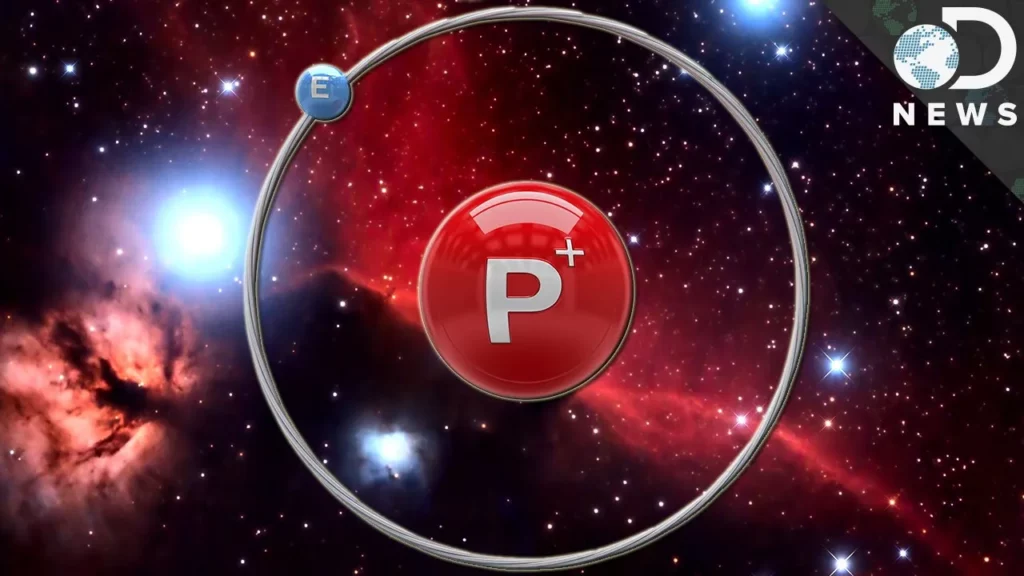
The lesson explores hydrogen, the universe’s most abundant element, highlighting its significance in the formation of stars and planets, as well as its role in water on Earth. Despite being plentiful in the universe, hydrogen is less common on our planet, primarily found in compounds like water. The lesson also discusses hydrogen’s various applications, including its potential as a clean fuel source and the future possibilities of sourcing it from space for energy and exploration.
How Does Mercury Get Into Fish?
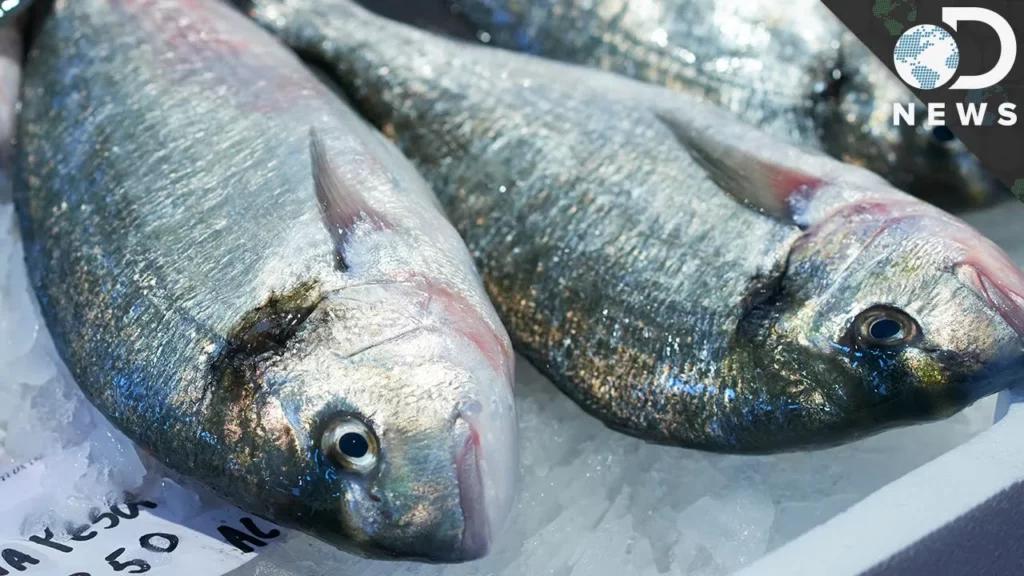
The lesson “Are Fish Really Our Friends?” explores the dual nature of fish as both a healthy food source rich in omega-3 fatty acids and a potential risk due to mercury accumulation in larger fish. While the health benefits of consuming fish generally outweigh the risks for most people, pregnant women are particularly advised to avoid high-mercury species due to potential developmental impacts on their babies. The lesson also highlights the environmental sources of mercury, its effects on marine life, and the potential of biomimicry and sustainable practices to address ocean pollution.
How The ‘Impossible Drive’ Could Break Newton’s Third Law
The EmDrive is a controversial propulsion concept that claims to enable rocket travel without the need for fuel by bouncing microwaves within a closed cone, potentially creating thrust without expelling mass. This idea challenges Newton’s Third Law of motion, which has governed propulsion technology for centuries, leading to skepticism among physicists. Ongoing experiments aim to validate the EmDrive’s functionality, and if successful, it could revolutionize space travel by allowing spacecraft to operate more efficiently using solar energy.
Nuclear Power Plants Are Floating on Water…Wait What?

The lesson discusses nuclear power as a clean energy alternative to fossil fuels, highlighting its ability to generate electricity without emitting carbon dioxide, despite the challenge of managing radioactive waste. It explores the innovative concept of floating nuclear power stations, which can provide reliable energy in remote areas, while addressing safety concerns and technical challenges associated with their design. Additionally, the lesson emphasizes the potential of offshore nuclear power to contribute to climate change mitigation, alongside ongoing developments in modular nuclear reactor technology.
What’s the Right Amount of Eye Contact?

The lesson explores the complexities of eye contact in communication, challenging the common belief that it universally enhances persuasion and power. Research indicates that while eye contact can signify confidence, it may also be perceived as confrontational, particularly in skeptical interactions, and its effectiveness varies across cultural contexts. Finding a balance in eye contact—such as maintaining it for seven to ten seconds in one-on-one conversations—can improve communication without triggering defensive reactions.
Understanding The Weird Anatomy Of An Octopus
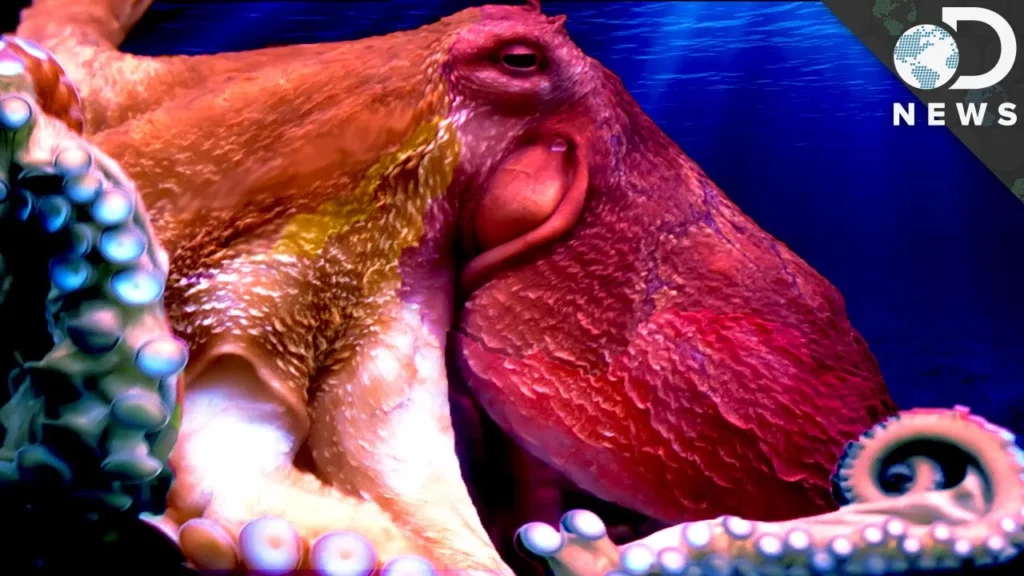
In this lesson, we explored the fascinating world of octopuses, learning about their unique anatomy, including their three hearts and blue blood, as well as their remarkable intelligence and camouflage abilities. We also discovered their social behaviors, particularly in species like the larger Pacific striped octopus, and the ongoing research that continues to unveil their intriguing characteristics. Overall, octopuses are not only skilled hunters but also complex creatures that captivate our curiosity.
This is How Your Body Makes New Cells
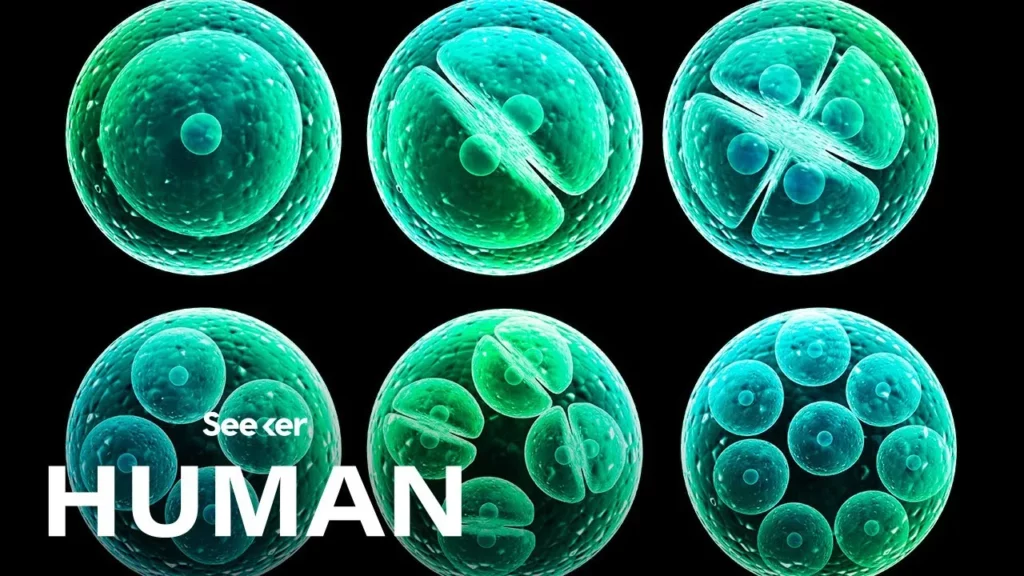
The lesson explores the intricate world of DNA and cell division, highlighting the complexity of DNA as the blueprint of life and the processes of DNA replication, mitosis, and meiosis. It emphasizes the significance of chromosomes, the role of stem cells in differentiation and potential therapies, and the advancements in stem cell research, particularly with induced pluripotent stem cells (iPSCs). Overall, the lesson underscores the ongoing discoveries in genetics and their implications for understanding human biology and developing medical treatments.
Why Are The Biggest Animals on Earth Vegetarian?
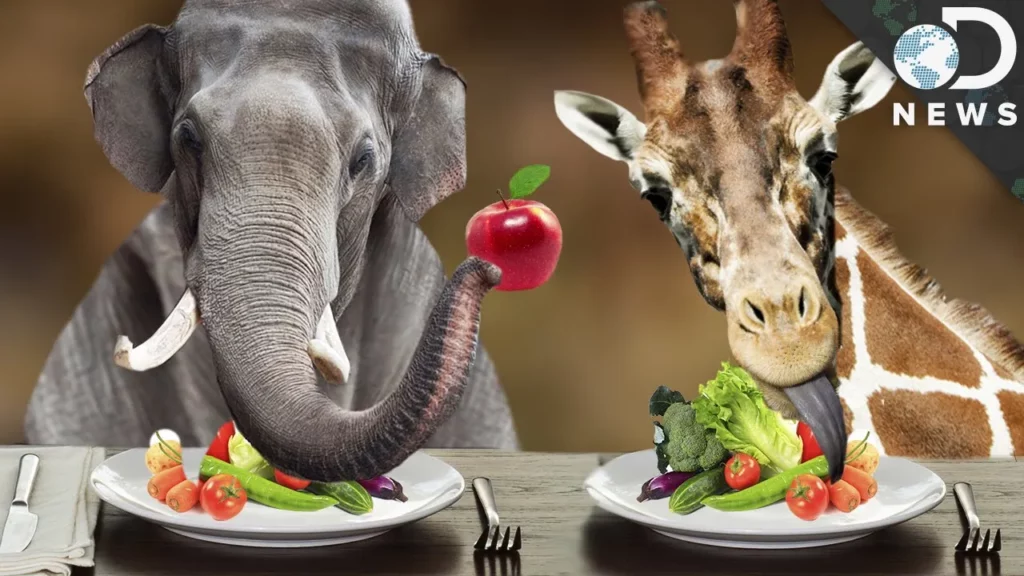
The lesson explores the reasons behind the large size of herbivores compared to predators, highlighting that size provides evolutionary advantages such as protection from predators and the ability to efficiently digest large amounts of plant material. It explains how energy loss in the food chain limits the size of carnivores and discusses the evolutionary processes that have led to the development of giant herbivores over millions of years, while also considering the physical constraints on human growth.
NASA’s Crazy Plan to Save the World From the Supervolcano Under Yellowstone

The lesson explores the unique features and potential dangers of Yellowstone National Park, particularly its status as a supervolcano that could erupt and significantly impact global climate. It discusses NASA’s innovative plan to cool the magma chambers to prevent an eruption while harnessing geothermal energy, highlighting both the benefits of this clean energy source and the challenges it presents. Additionally, the lesson encourages sharing personal experiences of Yellowstone and invites engagement with the content.