
An Unexpected Side Effect Of Ibuprofen

The lesson explores a study suggesting that ibuprofen, commonly used for physical pain, may also alleviate emotional pain, particularly in women. Conducted with 138 participants, the research found that women who took ibuprofen reported feeling less hurt by social exclusion and painful memories, while men experienced heightened sensitivity to rejection. The findings indicate a potential link between emotional and physical pain processing in the brain, prompting further investigation into how pain relievers might help individuals cope with emotional distress.
Can The Earth Run Out Of Oxygen?
In this lesson, Julia explains that while Earth’s atmosphere is gradually leaking into space, this phenomenon is a natural occurrence shared by many planets in our solar system. Despite the loss of atmospheric molecules, the current rate is not alarming, and Earth has protective mechanisms, such as its magnetic shield, that help maintain its atmosphere for billions of years to come. Overall, there’s no immediate cause for concern regarding the atmosphere disappearing, although solar storms may pose risks to technology.
The Shocking Reason Why People Cheat On Tests

The lesson explores the psychological and hormonal factors that contribute to cheating behavior in students. It highlights how hormones like testosterone and cortisol influence decision-making, with higher testosterone levels increasing confidence to cheat and cortisol levels affecting stress responses. To promote honesty, the lesson suggests implementing group activities and stress-reducing practices, such as yoga, which can mitigate the hormonal influences that lead to cheating.
Are Ultra-Processed Foods Really That Bad For You?
The lesson “Understanding Processed Foods: The Good and the Bad” explores the nature of processed foods, clarifying that not all processed foods are unhealthy. While some processing methods, like pasteurization and freezing, can enhance food safety and nutrient retention, ultra-processed foods—characterized by high levels of sugar, salt, and unhealthy fats—pose health risks such as obesity and heart disease. The key takeaway is to make informed choices by prioritizing whole or minimally processed foods for better health.
Can You Be Born Without An Imagination?

The lesson on aphantasia explains that this condition prevents individuals from creating mental images, affecting their ability to visualize scenes or objects in their minds. First identified in 1880 and named in 2015, aphantasia can result from differences in brain function, particularly in areas responsible for visualization. Despite these challenges, many people with aphantasia adapt by using alternative cognitive strategies and can lead fulfilling lives in various fields.
How Scientists Found The Oldest Rock On Earth
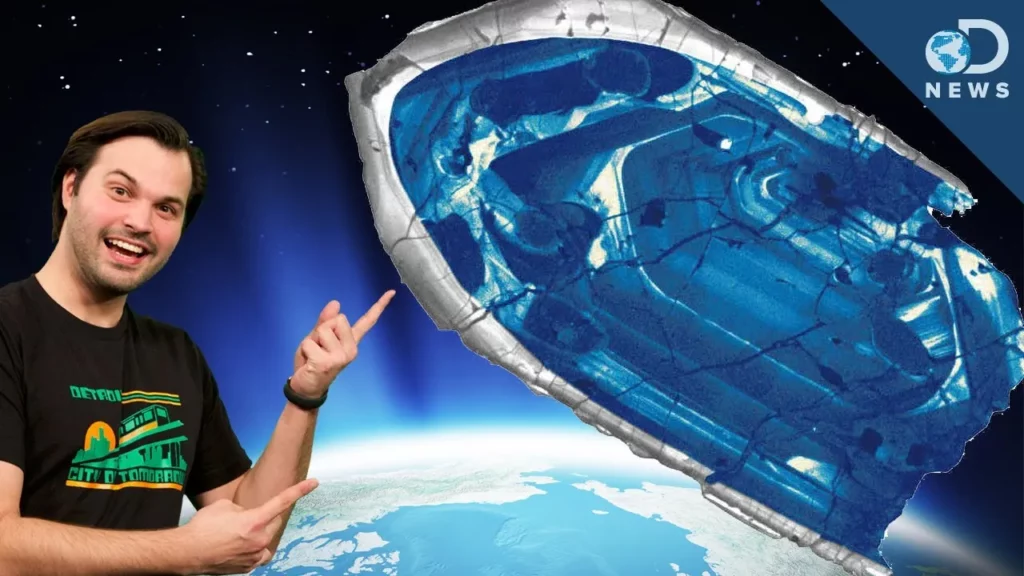
In the lesson “Unveiling Earth’s Ancient Secrets,” students learn about the discovery of the oldest known rock, a 4.4 billion-year-old zircon found in Western Australia, which provides insights into the early Earth’s conditions. The rock was dated using uranium-lead dating, a method that relies on the decay of uranium trapped in zircon crystals, and highlights the importance of advanced techniques like atom probe tomography for accurate measurements. This finding not only sets a new record for the oldest rock but also enhances our understanding of Earth’s formation and history.
The Mystery of Our Interstellar Visitor May Have Just Been Solved
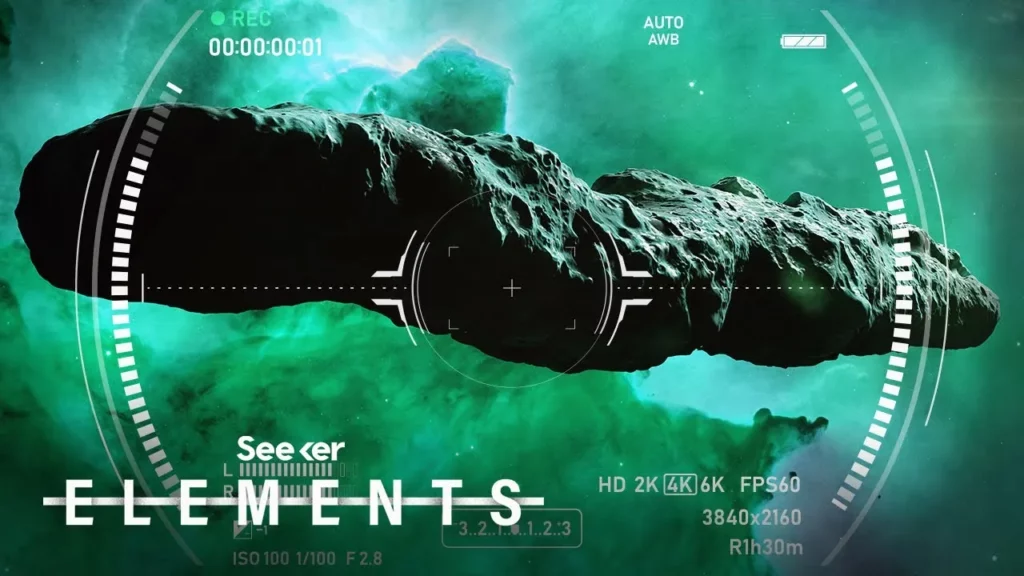
The lesson introduces ‘Oumuamua, an unusual interstellar object that passed through our solar system in October 2017, sparking scientific curiosity about its origin and nature. Initially thought to be a comet, its lack of typical features led to a hypothesis suggesting it may have been a fragment from a larger body in another solar system, torn apart by tidal forces from its star. Ongoing research aims to uncover more about such interstellar visitors, potentially providing insights into the origins of life and the dynamics of celestial bodies.
How Can You Breathe On An Airplane?

This lesson explains how airplanes enable comfortable breathing at high altitudes, despite the thin air found at 30,000 feet. It highlights the use of pressurized cabins to maintain air pressure similar to lower altitudes, the process of obtaining cabin air from jet engines, and the challenges posed by low humidity. Additionally, it covers safety measures like oxygen masks in case of cabin pressure issues, ensuring passengers can breathe easily during flights.
Why Is There Air?

The lesson explores the origins of Earth’s atmosphere, beginning with its formation around 4.6 billion years ago when lighter gases escaped into space due to the planet’s proximity to the Sun. It discusses the contributions of comets, meteors, and volcanic activity in creating a diverse mix of gases, leading to the rise of oxygen through the photosynthesis of cyanobacteria, which ultimately shaped the atmosphere we have today, composed mainly of nitrogen and oxygen.
What Can We Learn By Drilling Into The Earth’s Mantle?
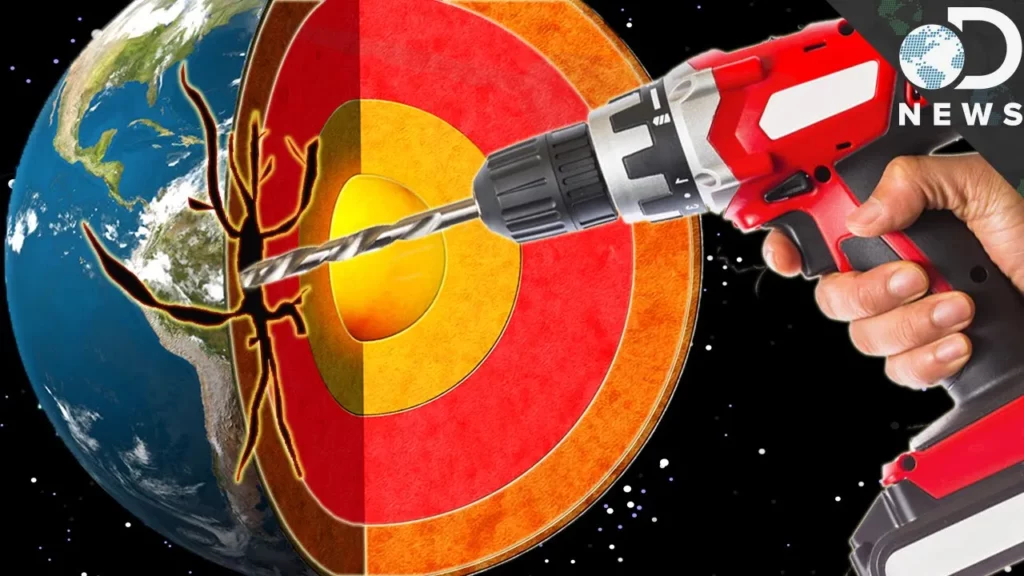
In this lesson, we explored the significance of drilling into Earth’s mantle to uncover vital information about our planet’s structure and processes. Despite the challenges of reaching the mantle, such as the extreme depths and temperatures involved, recent discoveries, including signs of microbial life in oceanic crust, highlight the potential for understanding both Earth’s geological history and the possibility of life beyond our planet. The ongoing quest to access the mantle promises to enhance our knowledge of tectonic movements and the universe’s composition.