
This New Form of Light Is a Physical Molecule, Here’s How We Made It

This lesson explores the nature of photons, highlighting their dual behavior as both waves and massless particles that travel at the speed of light. Recent research has revealed that under specific conditions, photons can interact and form bonded groups, known as photonic molecules, which exhibit unique properties such as a slight mass and reduced speed. These discoveries open up exciting possibilities for applications in technology, particularly in computer science and quantum computing, while prompting further exploration into the complex interactions of photons.
When Did Dogs Become Man’s Best Friend?

The lesson explores the fascinating evolution of dogs from their wolf ancestors, detailing their domestication process and the diverse breeds that have emerged over time. It highlights the timeline of dog domestication, suggesting it began during the Neolithic era, and discusses how human preferences and environmental factors have shaped the development of various breeds. Ultimately, the lesson emphasizes the enduring bond between dogs and humans, showcasing their journey from wild animals to beloved companions.
How NASA’s Rover Team Reimagined Mars 2020
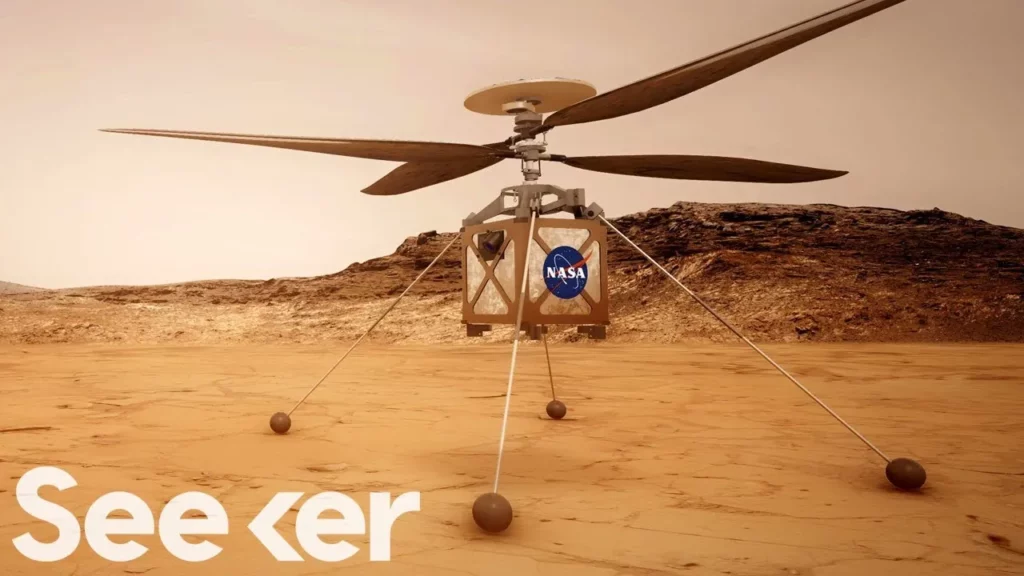
The lesson explores NASA’s Mars rovers and their significant role in advancing our understanding of the planet, highlighting the technological innovations and challenges faced during missions. Dr. Vandi Verma emphasizes the limitations of the rovers’ computing power and the importance of careful planning for their operations due to the vast distance from Earth. The Mars 2020 mission introduces exciting advancements, including a helicopter for aerial data collection and plans to store Martian samples for future analysis, paving the way for human exploration of Mars.
How Dirty Is Our Money?
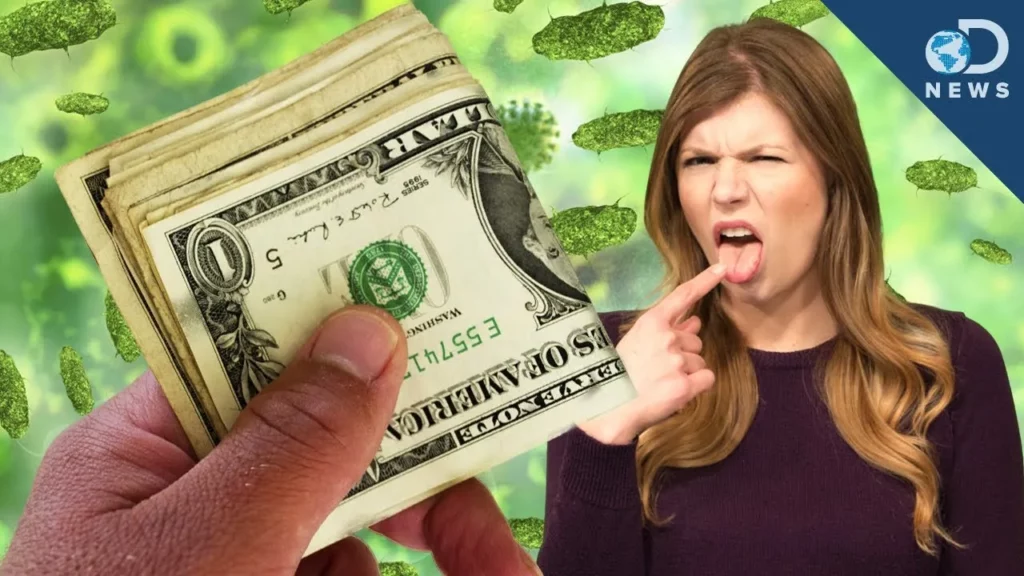
The lesson discusses the surprising findings about the bacteria present on American dollar bills, revealing that a study found over 3,000 types of bacteria, including those linked to skin problems and even traces of anthrax. It highlights the absorbent nature of cotton-based paper money, which contributes to its dirtiness, and raises the question of whether the U.S. should consider switching to cleaner polymer currency like other countries. The lesson concludes by promoting the idea of staying germ-free through audiobooks as a fun alternative.
Earth-Like Planet Discovered! What You Need To Know
The lesson discusses the discovery of Proxima b, an Earth-like exoplanet orbiting the nearby star Proxima Centauri, which is about 4.2 light-years away. While Proxima b is located in the habitable zone where liquid water could potentially exist, challenges such as intense radiation from its red dwarf star and its unique tidal locking raise questions about its ability to support life. This discovery not only highlights the potential for future interstellar exploration but also ignites curiosity about the possibilities of life beyond our solar system.
How Brain Waves Can Control Physical Objects
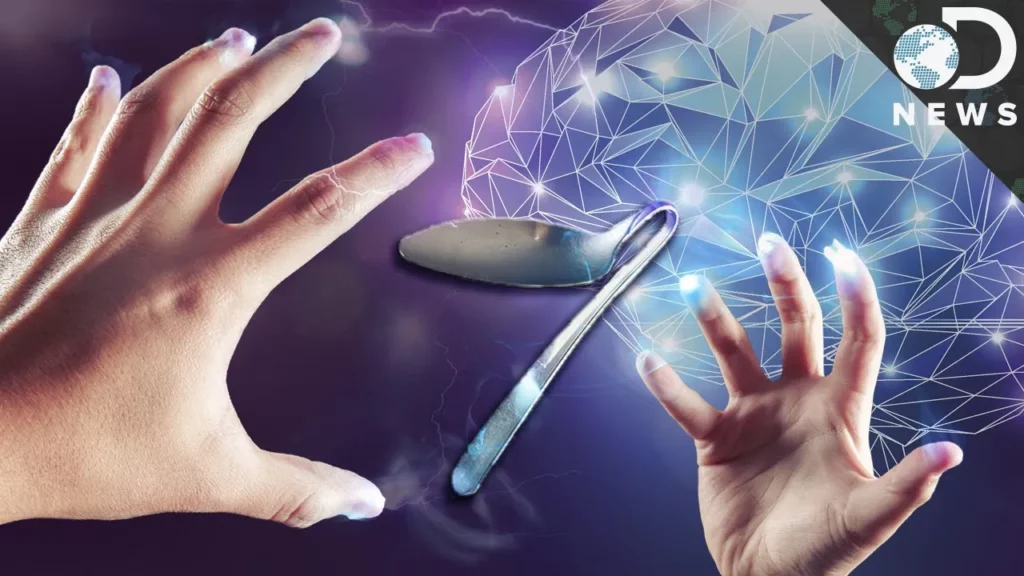
The lesson explores the exciting realm of brain-computer interfaces (BCIs), which enable direct communication between the brain and computers, allowing individuals to control devices through thought alone. BCIs have significant applications, particularly for people with disabilities, enhancing their ability to communicate and interact with their environment. The lesson also highlights innovative developments, such as mind-controlled cars and toys, showcasing the potential of this technology to transform everyday life and hinting at a future where our bodies could power gadgets through movement.
How Close Are We to Photographing a Black Hole?
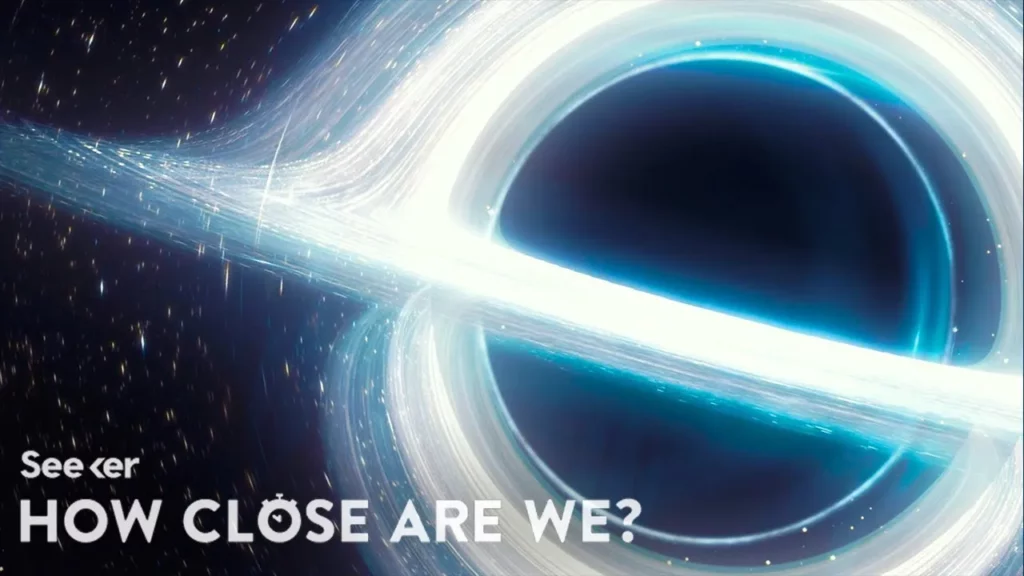
The lesson explores the enigmatic nature of black holes, which, despite being fundamental to our understanding of the universe, remain invisible due to their ability to trap light. It discusses the challenges scientists face in capturing an image of a black hole, emphasizing the use of advanced technology like the Event Horizon Telescope and the significance of confirming artistic representations with actual data. The anticipation surrounding the potential first image of a black hole, particularly Sagittarius A* and M87, highlights the intersection of science and technology in unraveling cosmic mysteries.
Can We Power Everything With Solar Panels?

The lesson discusses the advancements and future potential of solar power, highlighting how solar panels convert sunlight into electricity through photovoltaic cells. It covers the historical development of solar technology, recent breakthroughs in efficiency, and the emergence of perovskite solar cells as a promising alternative to traditional silicon panels. Overall, the lesson emphasizes solar power’s role in providing a cleaner, more sustainable energy source as technology continues to evolve.
9 Facts You Didn’t Know About Bald Eagles

The lesson highlights the significance of the bald eagle as America’s national bird, a designation made in 1782, despite Benjamin Franklin’s preference for the turkey. It emphasizes the bald eagle’s impressive hunting skills and remarkable recovery from endangerment due to conservation efforts, leading to a thriving population today. Additionally, the lesson shares fascinating facts about their size, nesting habits, and lifespan, encouraging further exploration of wildlife and nature.
How Einstein’s Brain Is Different Than Yours
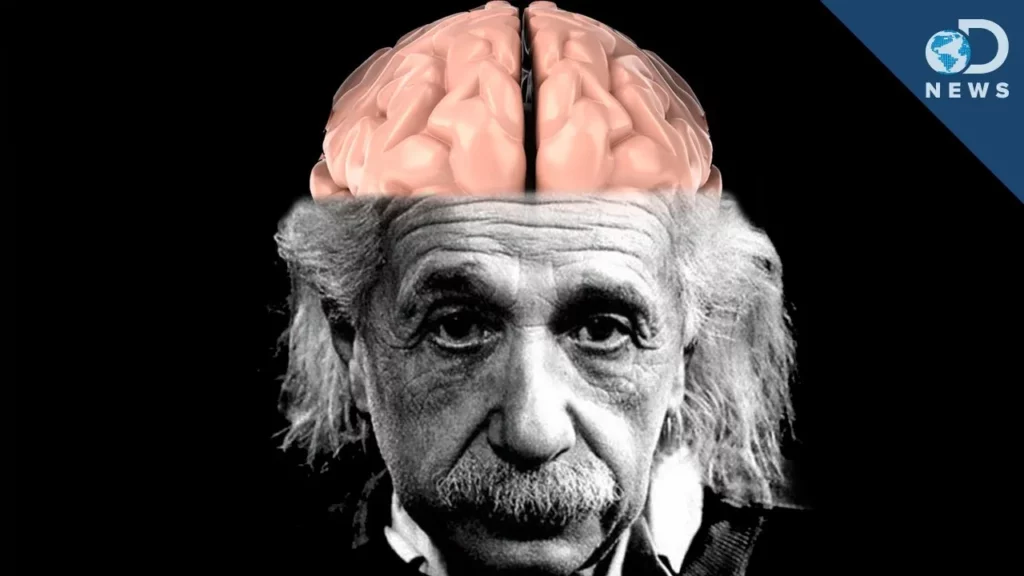
The lesson explores the unique characteristics of Albert Einstein’s brain, particularly the thicker connections in his corpus callosum, which may have facilitated better communication between the brain’s hemispheres and contributed to his exceptional cognitive abilities. It debunks the myth of left-brain versus right-brain dominance, emphasizing the brain’s plasticity and the importance of engaging both sides through activities like playing music or solving puzzles. Ultimately, the lesson raises the question of whether Einstein’s genius was innate or developed through his pursuits, encouraging ongoing exploration of brain function and personal cognitive development.