
No Human Has Ever Left Earth’s Atmosphere, Here’s Why

The lesson explores the ongoing debate among scientists regarding the boundary between Earth’s atmosphere and space, traditionally defined by the Kármán Line at 100 kilometers above sea level, while some argue for a lower threshold of 80 kilometers. Recent research using the Solar Wind Anisotropies Instrument (SWAN) suggests that the exosphere, the outermost layer of the atmosphere, may extend up to 630,000 kilometers, potentially encompassing the Moon within Earth’s atmospheric influence. This discovery enhances our understanding of atmospheric dynamics and has implications for future space observation and exploration.
What Does Malaria Do to the Human Body?
The lesson on malaria provides a comprehensive overview of the disease’s historical significance, its transmission through specific mosquito species, and the complex lifecycle of the Plasmodium parasite within the human body. Despite advancements in treatment and prevention, malaria continues to pose a significant global health challenge due to the parasite’s adaptability and the limitations of current vaccines. Ongoing research and innovative strategies are crucial for developing effective solutions to combat this enduring disease.
Why Does Your Cat Have Strange Eyes?
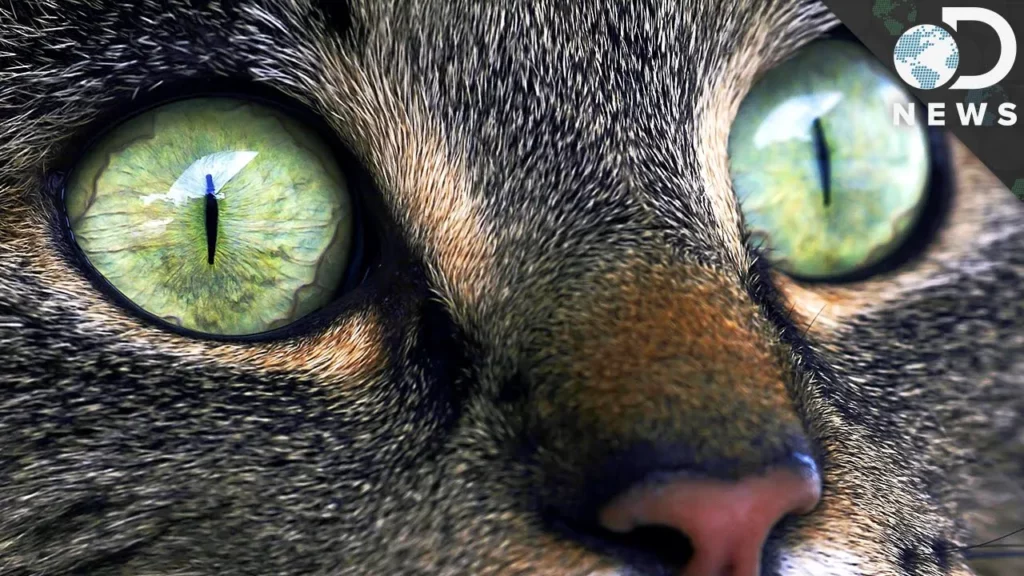
In this lesson, we explore the unique structure of cat eyes, specifically their vertical slit pupils, which enhance their ability to see in varying light conditions, aiding their nocturnal hunting. Unlike humans, whose round pupils adjust size to control light intake, slit pupils can change size more dramatically, improving depth perception and color recognition. The lesson also highlights the diversity of pupil shapes across different animal species, each adapted to their specific environments and needs.
WTF Is Asbestos, Really?!
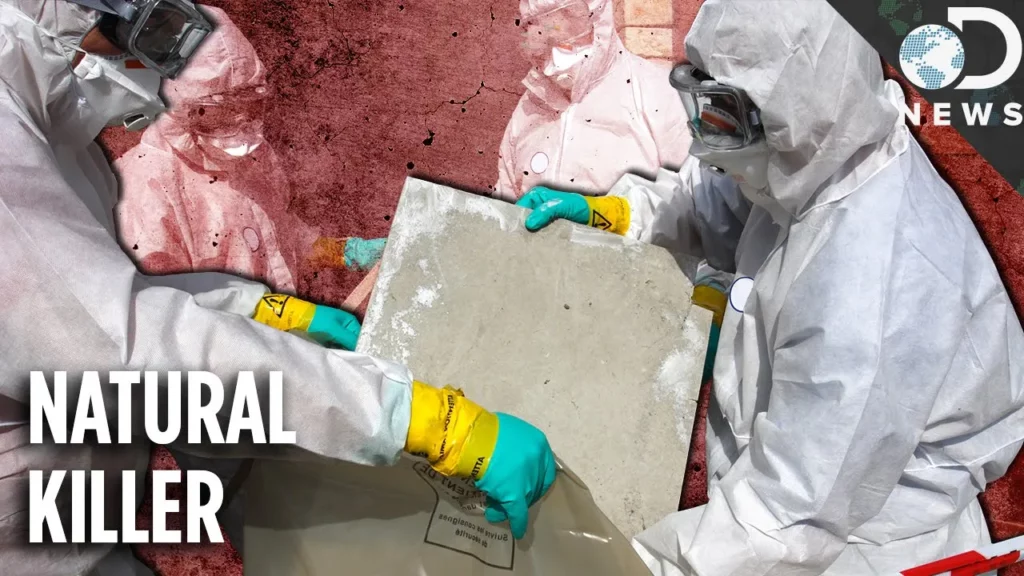
The lesson on asbestos highlights its historical significance and unique properties, emphasizing its widespread use in construction and various products due to its strength and fire resistance. However, it also underscores the serious health risks associated with asbestos exposure, including lung cancer and asbestosis, which have led to regulatory measures in the U.S. since the 1970s. Ultimately, the lesson serves as a reminder that natural materials can pose hidden dangers, urging individuals to remain informed and cautious about their surroundings.
Weird Things Your Body Does When You’re Around Your Crush

The lesson explores the physiological changes that occur in the body when someone has a crush, focusing on pupil dilation, blushing, and voice modulation. These responses are driven by the autonomic nervous system, particularly the sympathetic nervous system, which influences attraction and social interactions. The lesson highlights how these involuntary reactions can reveal feelings of attraction, even when individuals try to conceal their emotions.
This Is How HPV Causes Cancer
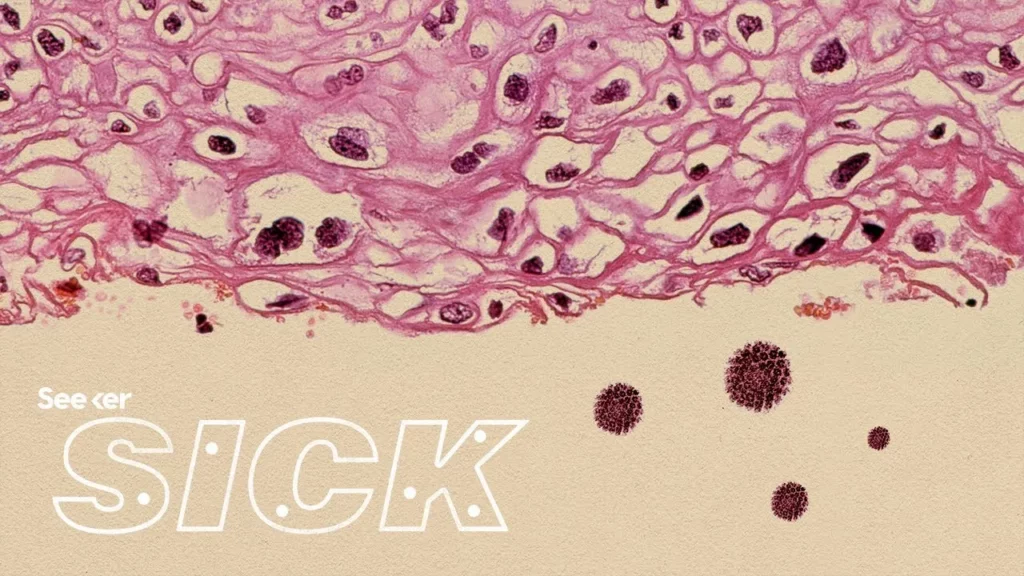
The lesson provides a comprehensive overview of Human Papillomavirus (HPV), highlighting its dual nature as both a common sexually transmitted infection and a potential cause of various cancers. It explains how HPV enters the body, the infection process, and the immune system’s ability to clear most infections, while also emphasizing the importance of preventive measures such as vaccination and screenings to reduce the risk of HPV-related health issues. Understanding HPV is essential for informed decision-making regarding sexual health and cancer prevention.
How Do We Clean Up Oil Spills?
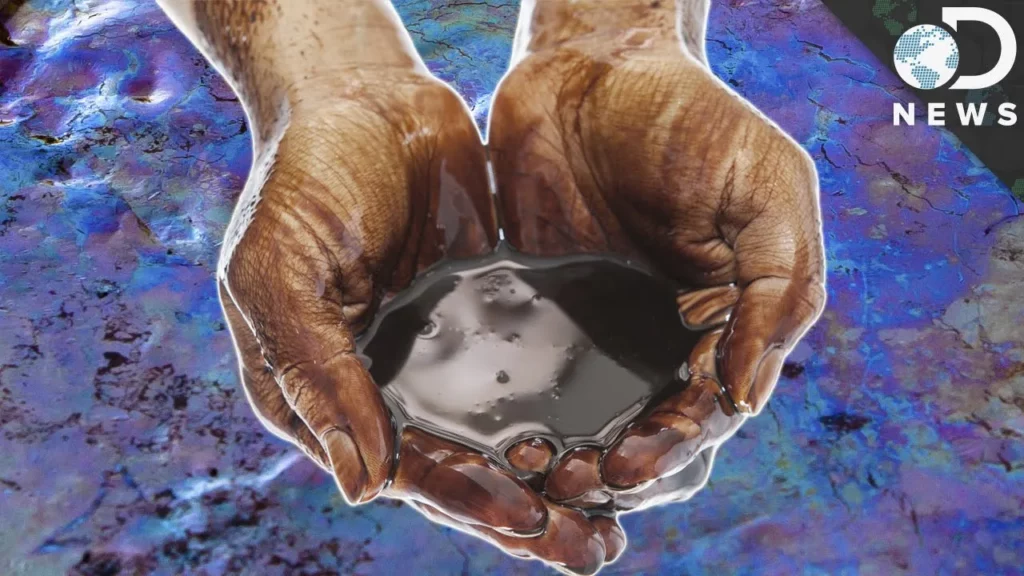
The lesson on oil spills highlights their devastating impact on marine environments and the ongoing challenges of cleanup efforts, exemplified by the Gulf of Mexico oil spill in 2010. It outlines the initial containment strategies using booms, followed by removal techniques like skimmers and dispersants, while also introducing innovative cleanup tools and natural methods that leverage biological agents. Looking ahead, the lesson emphasizes the importance of developing environmentally friendly technologies to mitigate future oil spill risks.
How To Survive A Day On No Sleep

The lesson provides practical strategies for managing a day without sleep, emphasizing the importance of starting the day right, eating a nutritious breakfast, and timing tasks effectively. It highlights that while sleep is essential for optimal functioning, individuals can still navigate a sleepless day by prioritizing alertness in the morning, choosing healthy meals, and breaking tasks into manageable chunks as fatigue sets in. By following these tips, one can minimize the negative effects of sleep deprivation and maintain productivity throughout the day.
How Radiation Changes Your DNA
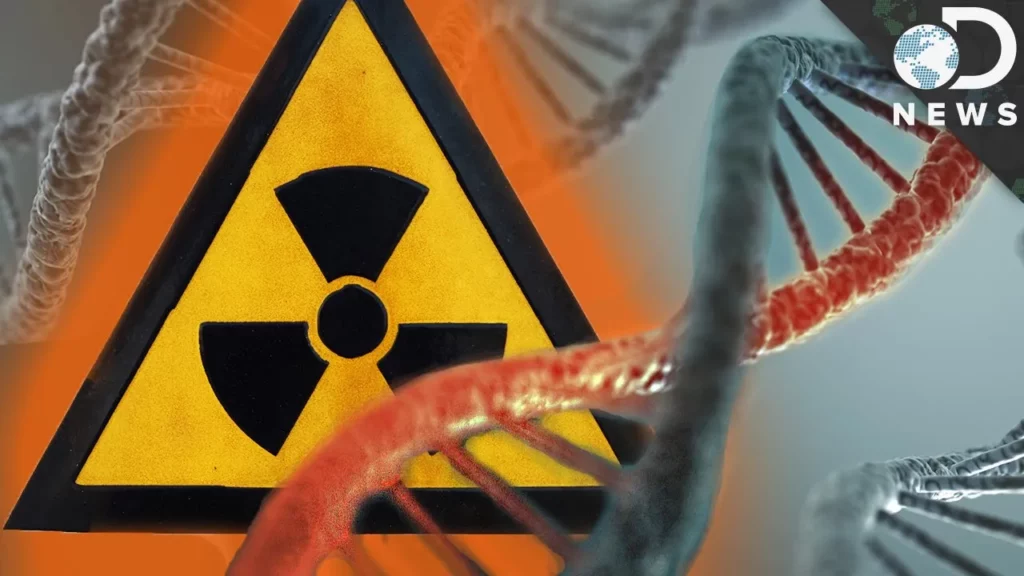
The lesson “Understanding Radiation: It’s All Around Us!” explains that radiation is a common phenomenon present in various forms, including heat from the sun and radio waves from devices. It distinguishes between non-ionizing radiation, which is generally safe, and ionizing radiation, which can pose health risks if exposure is excessive. By understanding the different types of radiation and their effects, individuals can make informed decisions about safety and health.
What Does Lyme Disease Do To Your Body?
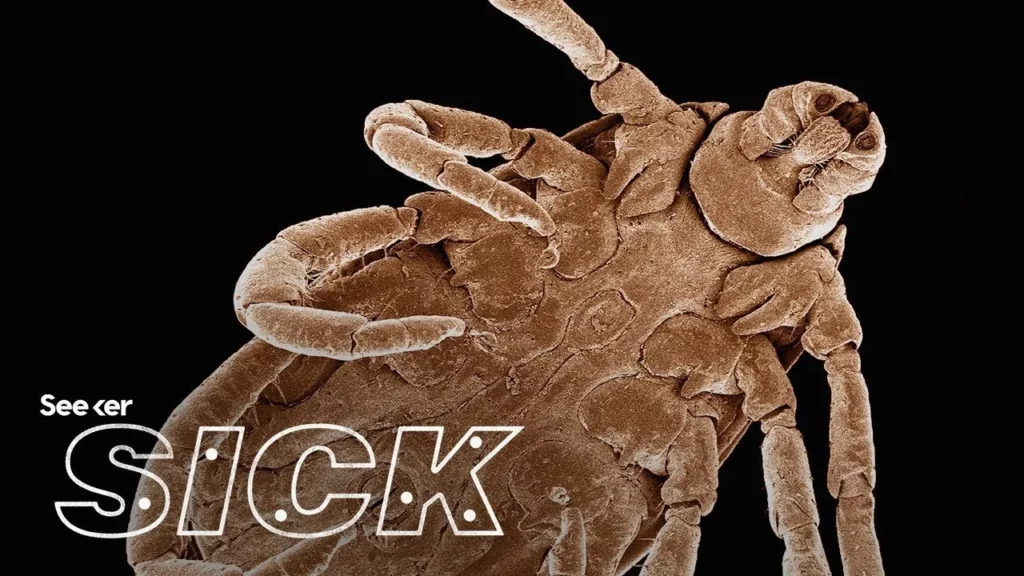
The lesson on Lyme disease provides an in-depth understanding of how the bacterium *Borrelia burgdorferi*, transmitted through tick bites, leads to various symptoms primarily due to the body’s immune response rather than direct bacterial damage. It highlights the role of tick saliva in facilitating infection and discusses the challenges in treatment and vaccine development. Additionally, it notes that while many animals can carry the bacterium, they do not develop Lyme disease, raising questions about potential protective mechanisms.