
Meet the Xenobot, the World’s First-Ever “Living” Robot

The lesson introduces xenobots, the world’s first “living” robots created from stem cells of the African Clawed frog, designed by researchers at the University of Vermont and Tufts University. These tiny, programmable lifeforms have the potential to revolutionize environmental cleanup and medical treatments, such as repairing organs or clearing artery blockages. However, their creation raises ethical questions about the nature of life and the need for regulatory frameworks as the technology advances.
What Really Causes a Migraine?
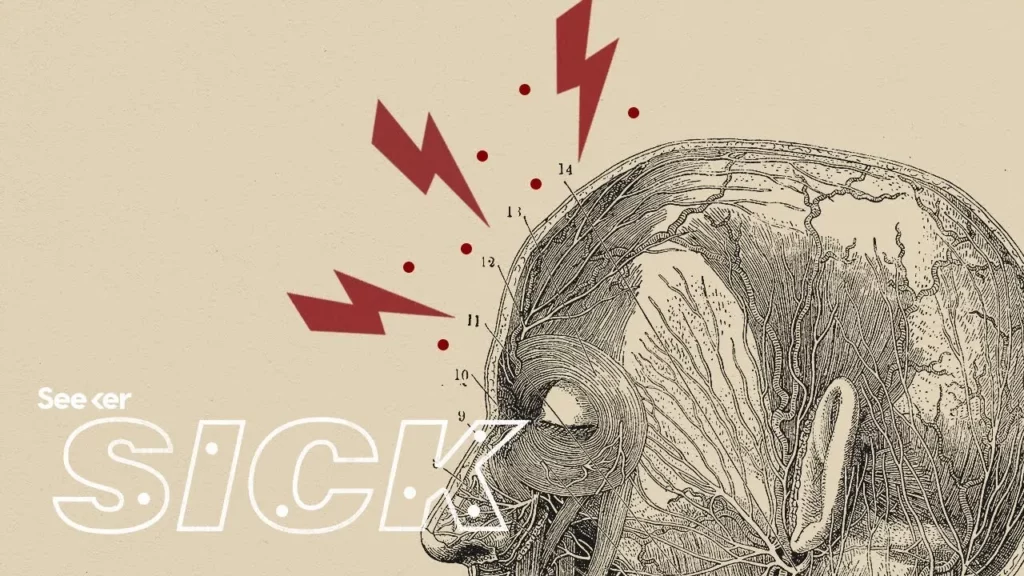
The lesson on migraines emphasizes that they are complex neurological disorders that extend beyond mere headaches, involving various phases and symptoms such as nausea, fatigue, and sensory sensitivities. It highlights the genetic and brain function influences on migraines, detailing their four stages—prodrome, headache, postdrome, and aura—and the advancements in research that have led to innovative treatments targeting the underlying mechanisms of migraine attacks. Understanding these aspects is crucial for better management and treatment of this often debilitating condition.
Scientists Discovered How Sleep Cleans Toxins From Your Brain
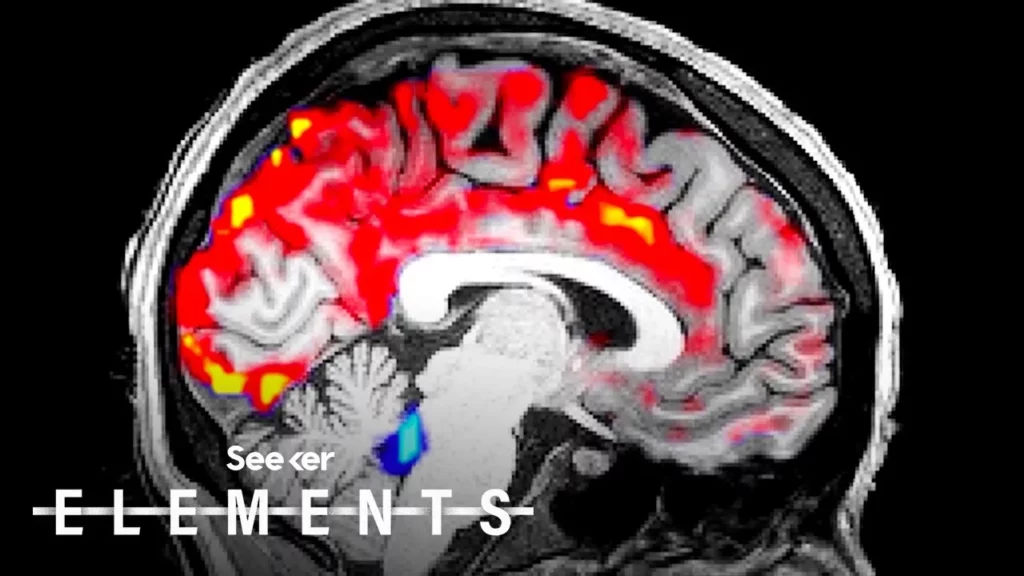
The lesson emphasizes the crucial role of sleep in maintaining brain health, highlighting research that shows how sleep facilitates the removal of neurotoxic waste, such as beta amyloid, through the glymphatic system. It underscores the importance of different sleep phases, particularly slow wave sleep, in processing information, forming memories, and cleansing the brain, which has significant implications for understanding and potentially treating neurodegenerative diseases like Alzheimer’s. Ultimately, the lesson advocates for prioritizing quality sleep to support overall brain function and health.
Whole vs. Skim: Which Milk Is Better For You?

The lesson explores the debate between whole milk and low-fat milk, revealing that recent studies suggest whole milk may be more beneficial for health than previously thought. Research indicates that higher dairy fat consumption is linked to a lower risk of diabetes and obesity, challenging the long-standing preference for low-fat options. Ultimately, the lesson emphasizes that dietary fat’s impact on health may be more complex than simply its presence or absence in milk, highlighting the importance of overall eating habits.
Is A Brain Dead Person Actually Dead?
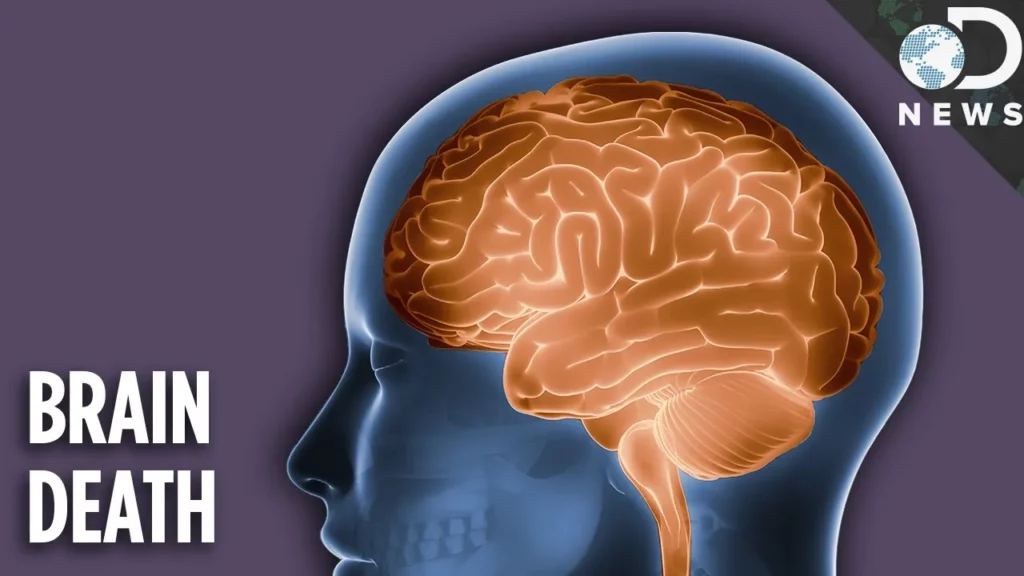
This lesson clarifies the distinctions between three critical medical terms: vegetative state, coma, and brain death. A vegetative state involves wakefulness without awareness, while a coma is characterized by a lack of both wakefulness and awareness. In contrast, brain death signifies the irreversible cessation of all neural activity, leading to a legal declaration of death, despite the potential for bodily functions to continue temporarily with life support.
Why Does Everything In The Universe Spin?

The lesson explores the phenomenon of spinning in the universe, tracing its origins back to the formation of our solar system from a massive gas cloud about 4.5 billion years ago. This spinning motion, driven by angular momentum and the laws of physics, shapes everything from planets to galaxies, with most celestial bodies maintaining a counterclockwise rotation while some, like Venus and Uranus, exhibit unusual spins. Ultimately, the lesson highlights the conservation of energy and angular momentum as fundamental principles governing this cosmic dance.
How Coffee is Decaffeinated

The lesson explores the fascinating world of decaf coffee, detailing its history, modern decaffeination methods, and health benefits. While decaf coffee has significantly less caffeine than regular coffee, it still retains some health advantages and flavor, making it a popular choice for those sensitive to caffeine. Ultimately, the lesson highlights the importance of understanding caffeine’s effects on our daily lives and encourages curiosity about coffee consumption.
What Exactly Is Food Poisoning?
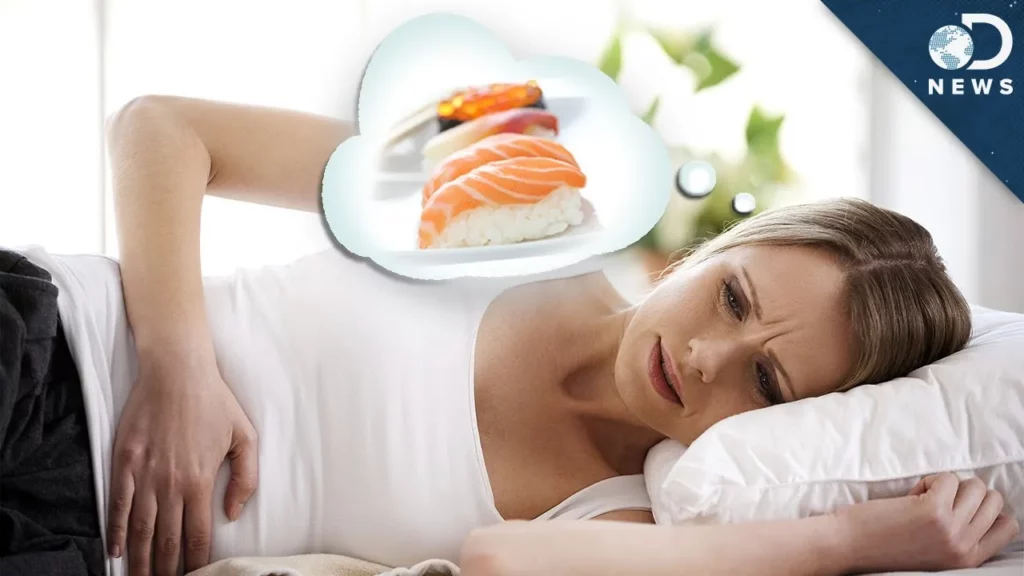
The lesson on “Understanding Foodborne Illnesses” explains that foodborne illnesses, commonly referred to as food poisoning, occur when harmful microorganisms like bacteria and viruses contaminate food, leading to sickness. It highlights various pathogens, their symptoms, and how food can become contaminated due to improper handling or cooking. Additionally, the lesson provides guidance on managing symptoms and emphasizes the importance of hydration while avoiding certain foods and medications during recovery.
The Mystery of the Earth’s Core Explained

This lesson explores the Earth’s interior, highlighting the layers beneath our feet, including the crust, mantle, and core, and how scientists study these layers using seismic waves. It also discusses the Earth’s magnetic field, its dynamics, and historical changes, including magnetic pole reversals, emphasizing the importance of understanding these phenomena for our planet’s future. Overall, the lesson encourages curiosity about the mysteries lying beneath the Earth’s surface.
What Really Causes A Food Coma?

In this lesson, we explored the phenomenon of food comas, scientifically known as postprandial somnolence, which occurs after consuming large meals. The lesson explained how the autonomic nervous system shifts focus to digestion, leading to feelings of sleepiness, and debunked the myth that turkey is solely responsible for this effect, highlighting the role of carbohydrates and tryptophan in various foods. Ultimately, it emphasized that individual experiences of food comas can vary based on personal health and body chemistry.