
Seven Questions to Restart Love

The lesson emphasizes the critical role of emotional intelligence in fostering healthy relationships, highlighting key components such as self-awareness, empathy, and effective communication. It discusses how skills like active listening and resilience can help partners navigate challenges, manage stress responses, and adapt to major life changes. Ultimately, developing emotional intelligence not only strengthens interpersonal connections but also promotes personal growth and understanding within relationships.
Open Up
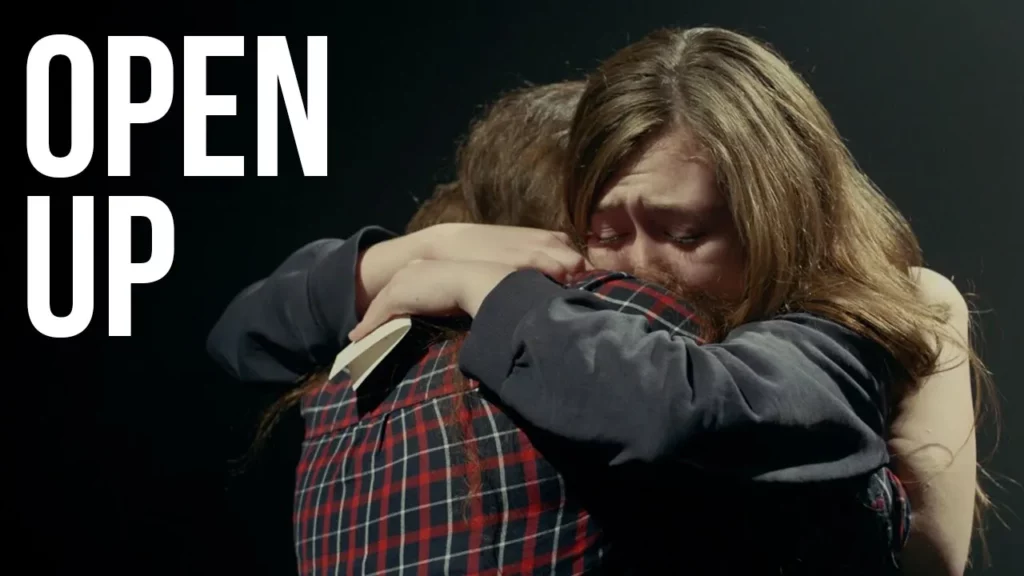
The lesson emphasizes the transformative power of communication, self-reflection, and personal growth in overcoming misunderstandings and fostering healthier relationships. Through candid admissions of past mistakes and the importance of vulnerability, the speaker highlights the necessity of honesty, support systems, and learning from experiences to cultivate deeper connections and navigate the complexities of identity. Ultimately, the journey towards self-acceptance and meaningful dialogue is presented as essential for leading a fulfilling and authentic life.
On Still Being a Virgin

The lesson explores the complexities of sexual liberation, highlighting that while the sexual revolution of the 1960s aimed to free individuals from traditional constraints, it inadvertently created new stigmas and pressures. It emphasizes the need for a broader definition of sexual freedom that respects and includes all consensual choices, whether engaging in sexual activity or choosing abstinence, ultimately advocating for a stigma-free society where diverse sexual expressions are celebrated.
What Everyone Really Wants

The lesson emphasizes the importance of reassurance as a fundamental human need, highlighting that everyone experiences doubts and insecurities regardless of their circumstances. By offering genuine, compassionate words of support, we can help others feel valued and understood, fostering deeper connections and contributing to a more empathetic society. The distinction between reassurance and flattery is crucial, as true reassurance acknowledges vulnerabilities with kindness and encourages resilience.
How to Complain
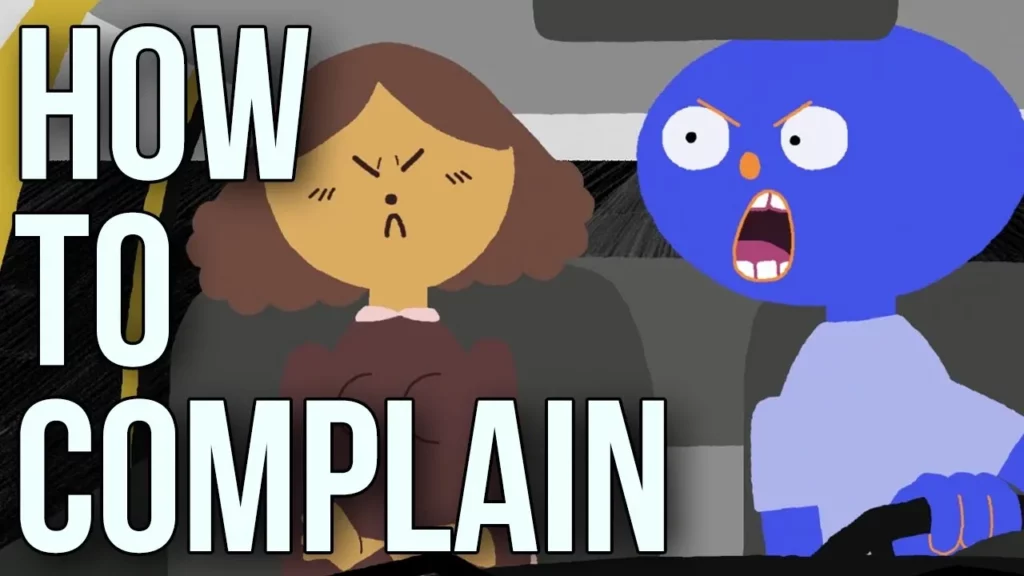
The lesson on “The Art of Constructive Complaining” emphasizes the importance of how we express our grievances in daily interactions, highlighting three main complaint styles: live fury, cold fury, and mature complaint. While explosive and silent resentment often lead to misunderstandings and unresolved issues, adopting a mature complaint approach fosters constructive dialogue and emotional intelligence. By developing self-awareness, self-regulation, empathy, and social skills, individuals can navigate disappointments more effectively, leading to healthier relationships and greater coexistence.
Should You Tell Your Partner Everything?

The lesson explores the spectrum of introversion and extroversion, emphasizing that individuals may exhibit traits of both depending on the context. It highlights the importance of embracing personal quirks for self-acceptance and underscores the necessity of open communication in relationships to foster understanding and trust. By appreciating these complexities, we can cultivate deeper connections and enhance our social interactions.
How We Lie to Ourselves

The lesson emphasizes the profound value of true friendship and the importance of cherishing connections in a fast-paced world. It explores various themes, including the impact of education on social bonds, the complexity of modern relationships, the pursuit of creative authenticity, and the joys of solitude, all underscoring the role of emotional intelligence in personal growth and fulfillment. Ultimately, the gathering highlighted that fostering genuine relationships and embracing individuality can lead to a more enriched and meaningful life.
Against Philanthropy

The lesson “Rethinking Philanthropy: The True Spirit of Art and Business” challenges the traditional view of philanthropy, advocating for a shift in focus from how wealth is distributed to how it is created. It emphasizes the importance of integrating values such as kindness, empathy, and beauty into everyday business practices, suggesting that ethical operations can lead to a more equitable society. By promoting enlightened capitalism, the lesson encourages business leaders to prioritize humane practices over profit maximization, ultimately fostering a culture that reflects the true essence of art in all aspects of life.
The Kindness Fix

The lesson emphasizes the crucial role of kindness in today’s fast-paced and often competitive world, highlighting that it is a strength rather than a weakness. Kindness fosters community, enhances mental health, and promotes empathy, which is essential for reducing conflicts and building inclusive societies. By prioritizing kindness and teaching it to future generations, we can create a more compassionate and supportive environment for everyone.
To My Parents… You Ruined My Childhood

The lesson emphasizes the significant role family dynamics play in shaping individual development, particularly through early interactions with parents. It highlights how parental conflicts and emotional neglect can lead to issues like low self-esteem and unhealthy coping mechanisms, while also underscoring the importance of open communication and supportive environments for fostering emotional well-being. Seeking therapy is presented as a constructive step towards healing and personal growth, enabling individuals to break negative patterns and build resilience.