
How Did Dinosaurs Evolve Into Birds?
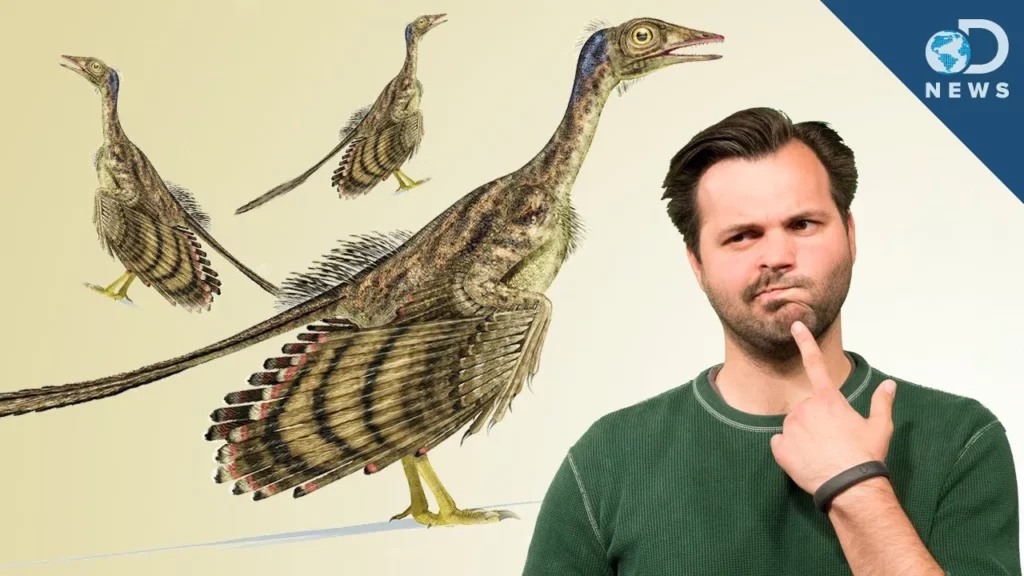
The lesson explores the fascinating connection between dinosaurs and modern birds, revealing that birds are actually the descendants of small theropod dinosaurs that survived the mass extinction event 65 million years ago. Research indicates that these dinosaurs evolved to become smaller and developed feathers, which aided their survival and eventual adaptation to flight. This exciting discovery suggests that instead of being extinct, dinosaurs continue to thrive today in the form of approximately 10,000 bird species.
Subatomic Particles Explained In Under 4 Minutes
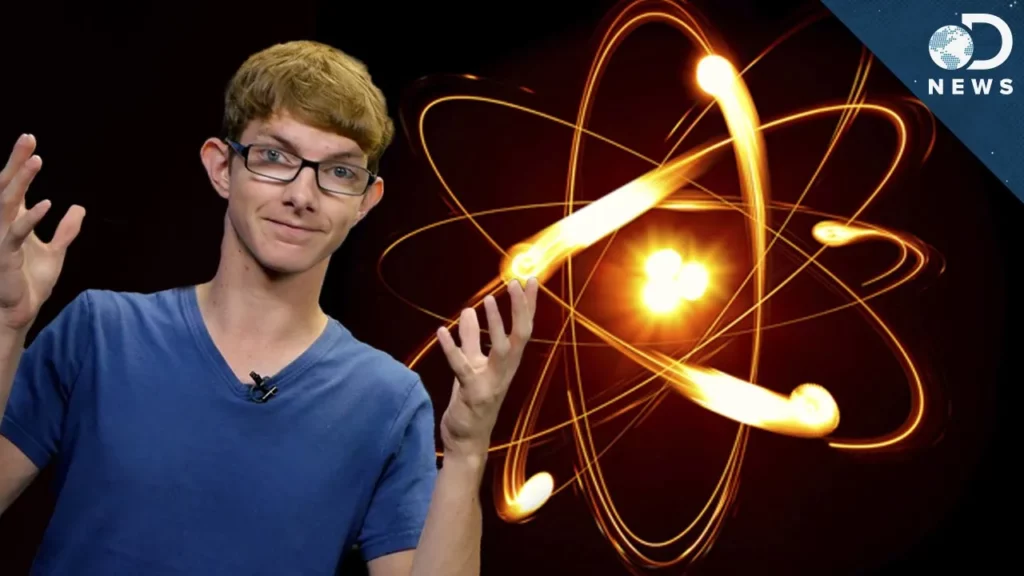
The lesson explores the enigmatic nature of dark matter and the potential role of sterile neutrinos in its composition, highlighting recent X-ray observations from the XMM-Newton spacecraft that suggest the presence of previously unseen particles. It delves into the basics of subatomic particles, distinguishing between baryonic and non-baryonic matter, and discusses how sterile neutrinos, if they exist, could account for gravitational effects observed in galaxies. The lesson emphasizes the ongoing mystery surrounding dark matter and encourages further exploration of this fascinating topic.
Typing vs. Handwriting: Which Is Better for Your Memory?

The lesson emphasizes the continued relevance of handwriting in a digital age, highlighting its benefits for learning and retention compared to typing. While technology has shifted note-taking practices towards laptops, research indicates that handwriting promotes deeper understanding and summarization of material. Ultimately, the effectiveness of note-taking methods varies depending on the type of information, and despite technological advancements, handwriting may still play a significant role in education.
Racing With The Sun | Light Speed Trailer

The lesson explores the World Solar Challenge, a prestigious solar car racing event that showcases innovation and teamwork among 44 teams from 21 countries. It emphasizes the significance of solar energy in combating climate change and highlights the challenges teams face during the 2,000-mile race through the Australian Outback. Ultimately, the event serves as a platform for learning and advancing sustainable technologies, inspiring future developments in clean energy transportation.
Why Does Thinking Hard Make You Tired?

The lesson explores why learning can be exhausting, highlighting that while our brains only account for about 2% of our body weight, they consume around 20% of our energy, primarily through glucose usage during mental tasks. Research indicates that intense cognitive activities can deplete glucose levels in the bloodstream, leading to feelings of fatigue, which may be exacerbated by stress and environmental factors like high carbon dioxide levels in classrooms. Ultimately, understanding the interplay between energy consumption, stress, and learning environments can help us manage fatigue and maintain focus while studying.
Reading Can Change Your Brain!

The lesson explores how reading can significantly alter brain activity and connectivity, enhancing cognitive functions and potentially improving real-life skills. Through a study conducted at Emory University, it was demonstrated that reading a novel not only activates specific brain regions but also creates lasting effects, akin to muscle memory, even after the reading has stopped. This highlights the transformative power of books in shaping our brains and experiences.
Gravitational Waves Discovered! Here’s What You Need To Know

The lesson explores the groundbreaking discovery of gravitational waves, which are ripples in spacetime caused by cosmic events like the collision of black holes. Detected by the Laser Interferometer Gravitational-Wave Observatory (LIGO), this monumental finding confirms Einstein’s theory of relativity and opens new avenues for understanding the universe. The lesson highlights the significance of this discovery for future research and its potential to deepen our knowledge of cosmic phenomena.
The Fear of Being Bad in Bed
The lesson emphasizes that true sexual fulfillment extends beyond physical performance and is rooted in mental engagement and emotional intimacy. It challenges the misconception that sexual prowess is solely linked to physical attributes, highlighting the importance of trust, open communication, and mutual exploration of desires. Ultimately, being a good lover involves creating a safe space for partners to express their hidden selves and connect on deeper emotional levels.
Why We Love to Suffer
The lesson on masochism explores its complex nature, distinguishing between sexual and emotional forms. While sexual masochism involves consensual pleasure derived from pain or humiliation, emotional masochism often manifests as a subconscious pattern of seeking unhealthy relationships, rooted in early life experiences. Understanding these dynamics is essential for personal growth and fostering healthier relationships based on mutual respect and self-worth.
HISTORY OF IDEAS – Ancient Greece
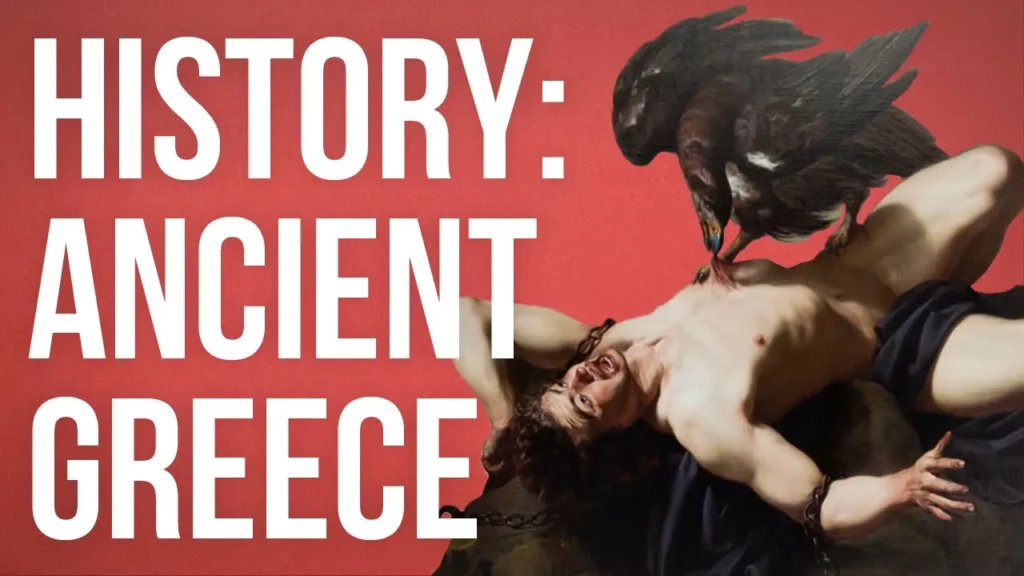
The lesson explores the enduring influence of ancient Greece on modern society, highlighting five key ideas: the power of tragedy, the pursuit of philosophy, the spirit of democracy, architectural legacy, and the balance of mind and body. These concepts emphasize the importance of empathy, critical thinking, civic engagement, aesthetic values, and holistic personal development, demonstrating how ancient Greek culture continues to provide valuable insights for contemporary life. Ultimately, the lessons from this remarkable civilization encourage us to cultivate a more thoughtful and harmonious society.