
Exercise for Intellectuals
The lesson emphasizes the ancient Greek philosophy that advocates for a harmonious relationship between the mind and body, highlighting that both physical fitness and intellectual pursuits are essential for overall well-being. Through examples like Socrates engaging in discussions at gymnasiums and the representation of Apollo as a symbol of balance, it illustrates how physical exercise contributes to mental clarity and cognitive function. Modern reflections support this notion, showing that regular physical activity enhances mental health, reinforcing the timeless wisdom of integrating both aspects for a fulfilling life.
POP CULTURE: What Is Cinema For?

The lesson emphasizes the profound impact of cinema beyond mere entertainment, highlighting its therapeutic potential to address significant human challenges. Films can evoke emotions, encourage moral reflection, and foster appreciation for everyday life, while also bridging cultural gaps and cultivating courage. By redefining how we classify films based on their therapeutic benefits, society can better harness cinema’s transformative power for personal and collective growth.
You Have the Right to Speak Up
The lesson “The Silent Struggle: Overcoming the Fear of Speaking Up” emphasizes the historical and psychological barriers that prevent individuals from expressing their thoughts and feelings, despite living in a more democratic society. It highlights the ingrained fear of speaking out, rooted in past experiences and societal norms, and encourages individuals to recognize their rights to free expression while building confidence to articulate their needs and grievances. By addressing these challenges, we can transform our silence into a powerful tool for personal growth and change.
Our Need for Connection
The lesson emphasizes the profound isolation experienced by individuals with mental illness, stemming from the belief that their suffering is unique and the fear of judgment from others. It highlights the critical need for connection and community as essential components of healing, encouraging individuals to reach out and share their experiences in supportive environments. By fostering regular interactions and mutual understanding, individuals can combat the illusion of isolation and find solace in their shared struggles.
The Secrets of Happiness – in 60 Seconds
The lesson emphasizes that happiness is attainable through mindset shifts and the adoption of specific habits. Key strategies include managing expectations, practicing gratitude, cultivating empathy and forgiveness, reflecting on mortality, and embracing self-love and uniqueness. By focusing on self-awareness, connection with others, and disconnecting from technology, individuals can enhance their overall well-being and find joy in everyday life.
How to Avoid Being a Bore
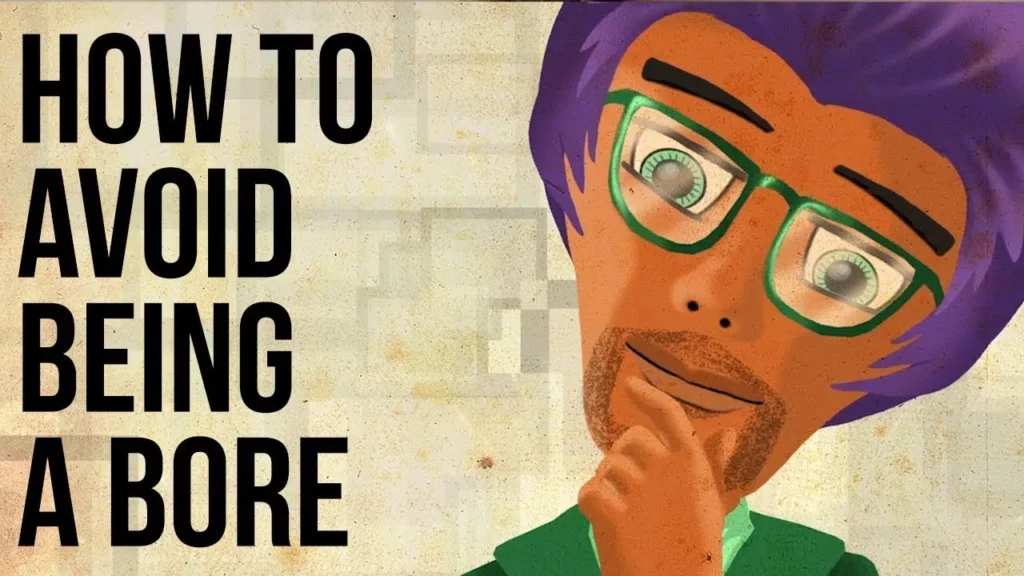
The lesson on “Understanding the Art of Engaging Conversations” emphasizes the importance of recognizing subtle signs of disinterest in our interactions, such as delayed responses and lack of eye contact, which can indicate that we may be boring our audience. It explores the emotional roots of ignoring these cues, linking our fear of being uninteresting to our desire for acceptance, and encourages the development of resilience and emotional intelligence to foster more authentic and engaging conversations. Ultimately, accepting the possibility of being boring can enhance our communication skills and strengthen our connections with others.
A Working Day – Brain Surgeon, Texas

The lesson recounts a personal journey from childhood dreams of becoming a circus clown to a fulfilling career in neurosurgery, driven by a desire to alleviate suffering. It highlights the fragility of life, the emotional challenges of delivering difficult news, and the importance of blending scientific knowledge with a philosophical understanding of the human experience. Ultimately, the narrative emphasizes the profound sense of purpose and gratitude derived from making a meaningful impact in patients’ lives.
How to Get Angry a Lot
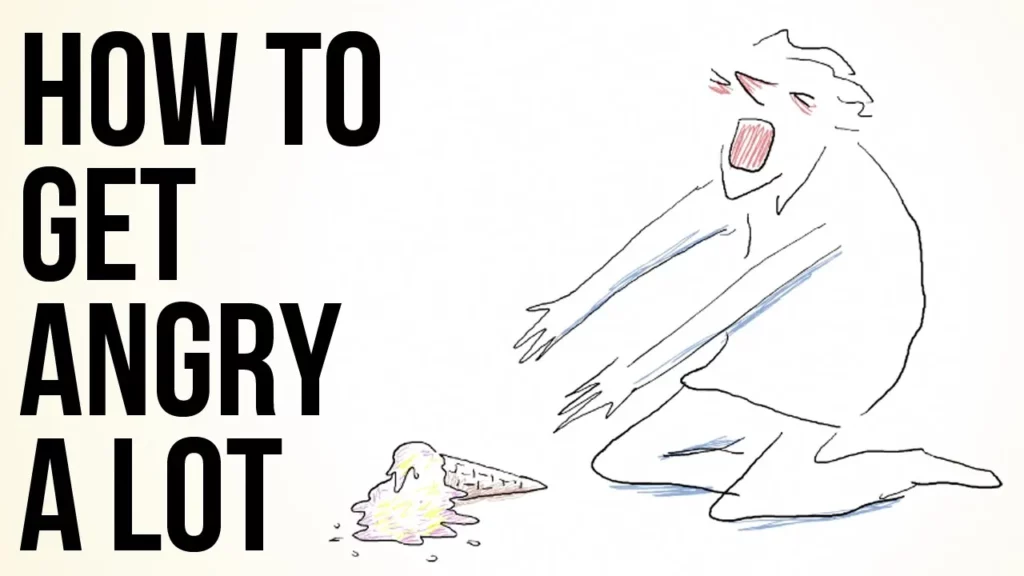
The lesson “The Art of Anger: Understanding and Managing Your Emotions” emphasizes that while anger is a natural emotion, it can negatively impact our mental and physical health if not managed properly. It explores various triggers of anger, such as perfectionism, personalizing problems, and unrealistic expectations, and offers strategies for managing these feelings, including practicing gratitude, maintaining perspective, and using humor. Ultimately, the lesson encourages self-awareness and a shift in mindset to foster a more peaceful and fulfilling life.
Why you NEED to visit an art museum
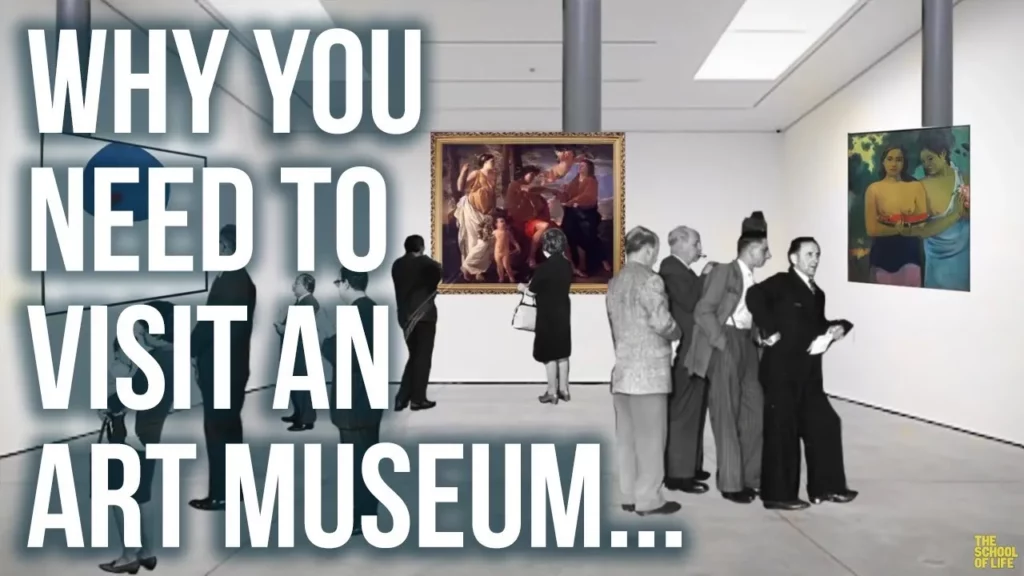
The lesson emphasizes the need to rethink the role of art museums in contemporary society, suggesting that they should transition from traditional cultural institutions to therapeutic spaces that address emotional and psychological needs. By curating art around themes such as love, anxiety, and creativity, museums can foster personal growth and healing, making art more accessible and relevant to visitors. This transformation would redefine museums as vibrant environments that inspire and console, ultimately enriching the lives of their audiences.
The Secrets of Other People’s Relationships
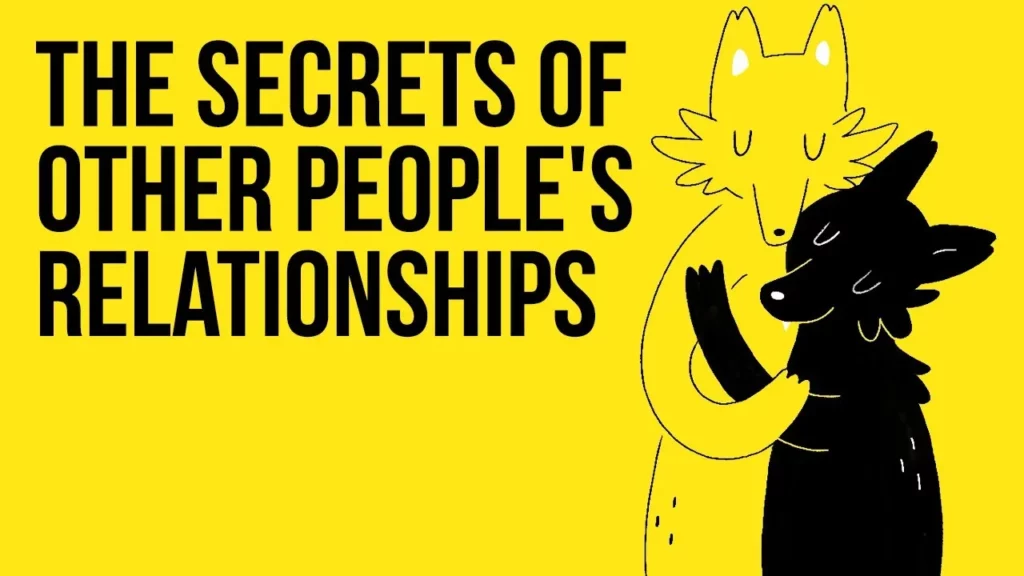
The lesson “Understanding the Reality of Relationships: A Closer Look” explores the complexities and challenges inherent in romantic relationships, emphasizing that feelings of dissatisfaction are common and not indicative of personal failure. It highlights the skewed perceptions we have of others’ relationships due to the polished nature of public interactions, and encourages embracing the nuanced reality of love, which often includes both joy and struggle. By learning from honest portrayals in media and engaging in open conversations, individuals can cultivate a more compassionate understanding of their own relationships, recognizing that success in love is attainable through effort and learning.