
What Do You Love Me For?
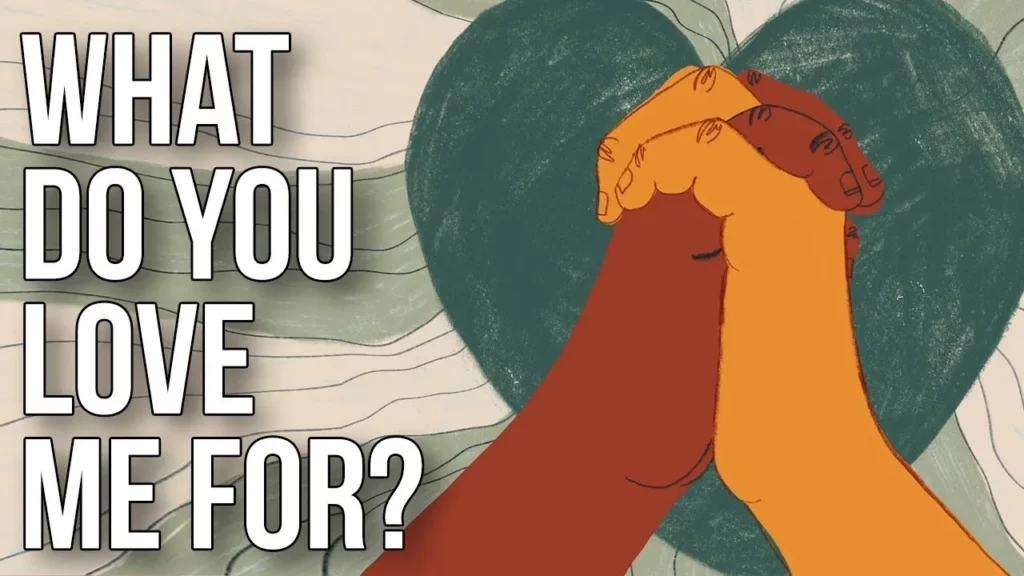
The lesson explores the significance of the question “What do you love me for?” in romantic relationships, emphasizing its potential to deepen or challenge emotional bonds. It highlights the importance of specificity in expressing love, recognizing both strengths and vulnerabilities, and appreciating unique physical attributes, which fosters a more profound connection. Ultimately, the lesson encourages embracing the complexities of love as a means to affirm and strengthen relationships.
Student Philosopher: Where to Start with Philosophy?

This lesson serves as an accessible introduction to philosophy, encouraging beginners to approach the subject with curiosity rather than intimidation. It emphasizes that philosophy is about questioning and exploring life’s profound inquiries, and provides a recommended reading list featuring accessible works that illustrate key philosophical concepts. Ultimately, the lesson highlights that anyone can engage with philosophy by adopting an open mindset and a willingness to explore new ideas.
These Three Natural Things Can Save You…

The lesson emphasizes the importance of finding perspective and resilience through nature, particularly by observing clouds and trees. Clouds remind us that our problems are temporary and encourage patience, while trees symbolize endurance and the natural cycles of life. By connecting with nature, we can enhance our mental well-being, gain clarity, and appreciate the beauty and lessons it offers.
You Should Finally Leave School

The lesson “Breaking Free from the School Mindset: Embracing True Adulthood” emphasizes the importance of recognizing and overcoming the lingering school-based mindset that can hinder personal growth and fulfillment in adulthood. It highlights key aspects such as the reliance on authority, the limitations of a predetermined path, and the need to embrace uncertainty and individuality. By questioning authority, listening to feelings of boredom, and developing a strong character, individuals can break free from these constraints and explore a more fulfilling and authentic life.
How to Be Memorable, Interesting and Likable
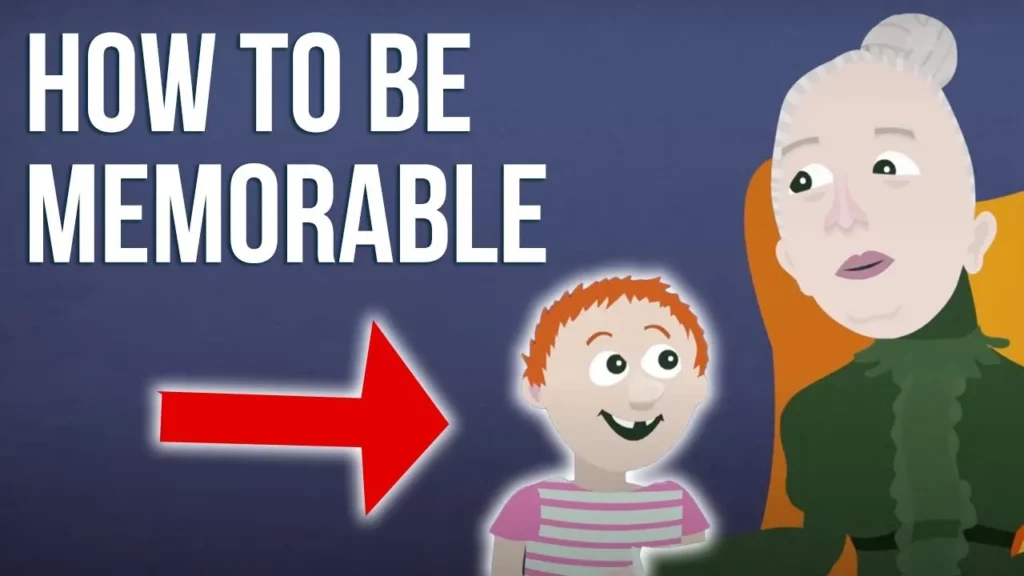
The lesson emphasizes that to be a memorable guest at social gatherings, one should balance individuality with social empathy, moving beyond mere politeness. While many guests adopt a mimetic approach by conforming to their hosts, those who express their unique personalities and engage authentically tend to foster deeper connections and leave lasting impressions. By embracing their true selves and sharing personal stories, guests can transform ordinary interactions into meaningful experiences.
Why You Need to Stop “Mothering” Your Partner…

The lesson emphasizes the importance of communication and understanding in relationships through a playful dialogue between two individuals. It highlights key themes such as the need for compromise in social situations, the significance of shared preferences, and the impact of emotional dynamics on relationship harmony. Ultimately, the conversation underscores that love and commitment serve as the foundation for navigating everyday challenges together.
How You Can Be Too Clever
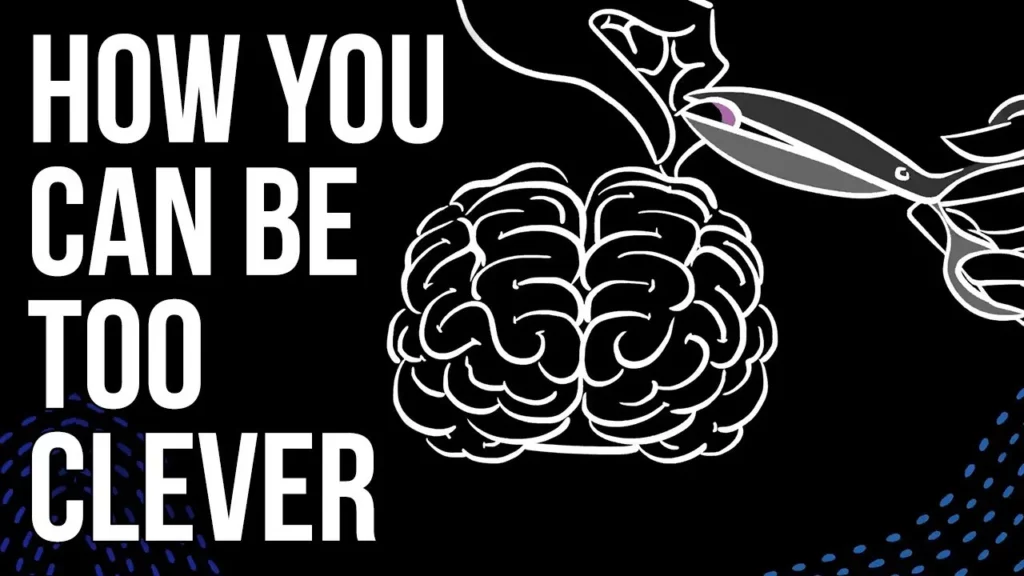
The lesson explores the paradox of excessive intelligence, highlighting how being overly intellectual can hinder one’s ability to grasp simple truths and meaningful experiences. It emphasizes the importance of balancing complex thinking with the ability to appreciate simplicity, particularly in personal relationships and everyday life. Ultimately, true intelligence involves knowing when to embrace straightforward concepts to foster deeper understanding and connection with others.
What Is Mental Health?
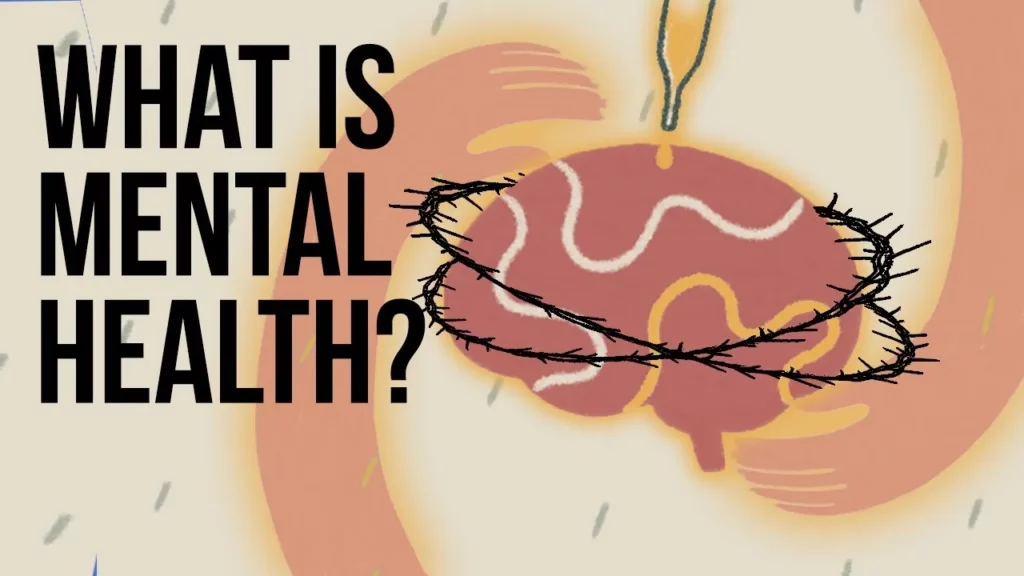
The lesson emphasizes the importance of understanding mental health as a crucial component of overall well-being, highlighting how a healthy mind functions by filtering thoughts, managing self-criticism, and resisting unfair comparisons. It discusses the balance between fear and reality, the ability to engage with the world, and the cultivation of hope and positivity, while also recognizing the prevalence of mental illness and the importance of seeking help. Ultimately, the lesson advocates for a compassionate approach to mental health, encouraging individuals to prioritize their mental well-being just as they would their physical health.
Cultural Mining
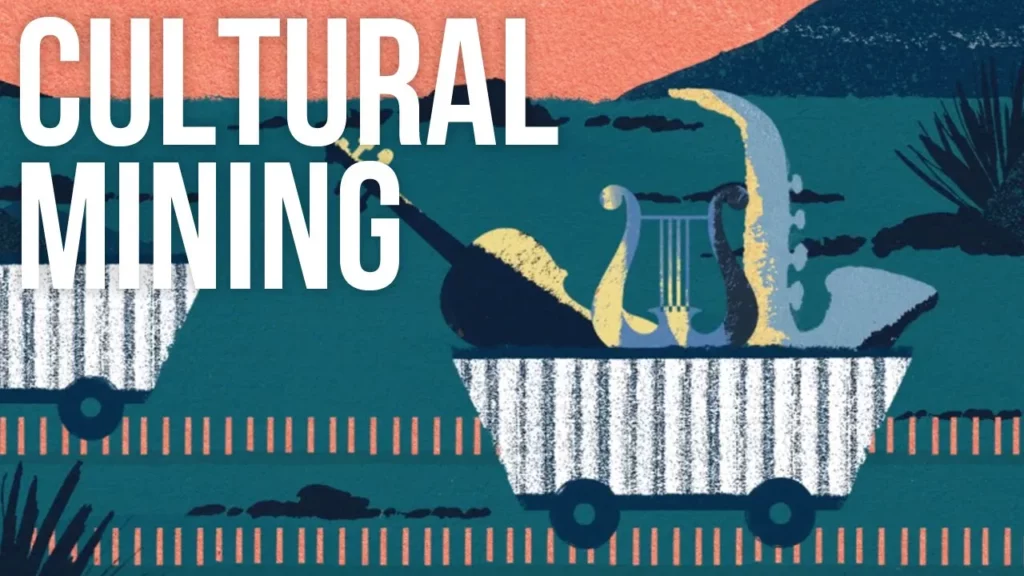
Cultural mining is the process of extracting valuable insights from the arts, humanities, and philosophy to make them relevant and applicable in contemporary life. This involves refining dense cultural materials to uncover practical tools that enhance critical thinking, emotional intelligence, creativity, and historical perspective. By making cultural knowledge accessible, cultural mining fosters appreciation for human expression and equips individuals to navigate modern complexities effectively.
Be the Change You Want to See
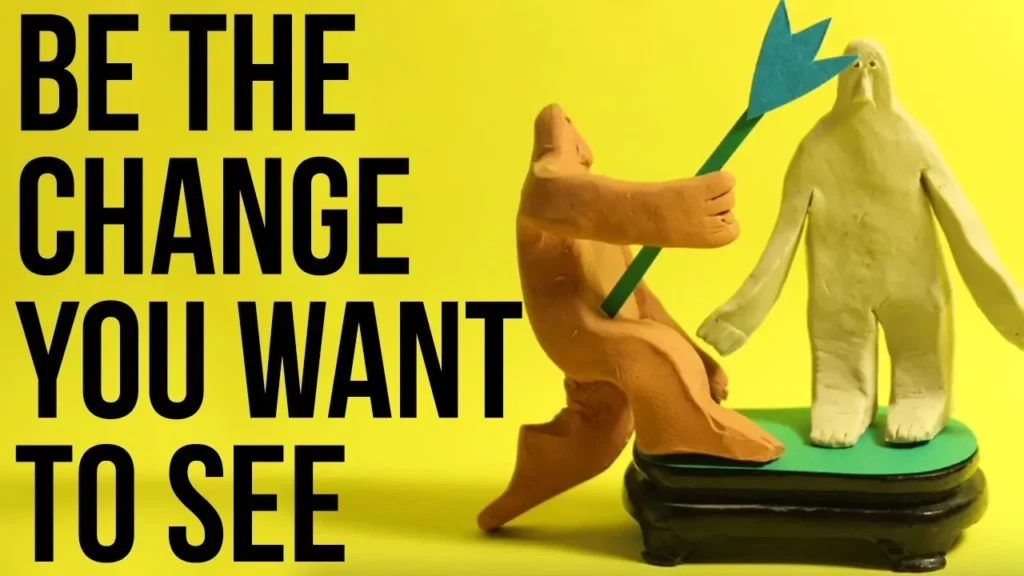
The lesson emphasizes that instead of trying to change others’ behaviors, we should focus on transforming ourselves to positively influence our relationships. By embodying virtues like kindness and empathy, we can inspire similar responses in others through the mirroring effect, ultimately creating a more harmonious environment. This approach highlights the importance of self-change as a powerful tool for fostering meaningful connections and personal growth.