
How Our Past Influences Our Present
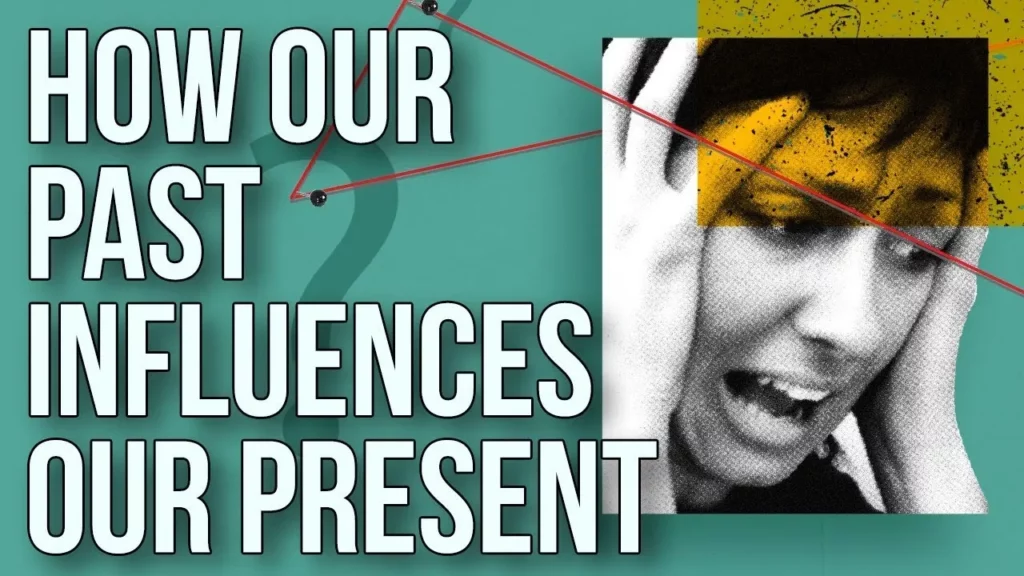
The lesson on “Understanding Psychological Projections” emphasizes how our past experiences, particularly from childhood, significantly influence our present perceptions and reactions. It explains the concept of projection, where individuals unconsciously transfer feelings from past events onto current situations, often leading to misinterpretations of reality. By recognizing these projections and their origins, individuals can work towards healthier interactions and personal growth, ultimately fostering more authentic relationships.
How This Photo Changed the World

The lesson on “Earthrise: A Transformative Perspective on Our Planet” explores the profound impact of the iconic photograph taken during the Apollo 8 mission, which shifted humanity’s perception of Earth from a vast entity to a fragile oasis in the cosmos. This image not only highlights the interconnectedness of all life and the responsibility we share in preserving our planet but also serves as a symbol for a new secular spirituality centered on kindness and unity. Ultimately, Earthrise calls for a collective recognition of our vulnerability and the importance of caring for both each other and our environment.
Why Clothes Matter

The lesson “The Art of Self-Expression Through Clothing” emphasizes the journey of discovering personal style as we transition from relying on others for clothing choices to expressing our identities through fashion. It highlights the significance of clothing as a tool for self-portrayal, influencing how we are perceived by others and allowing us to communicate our values and emotions. Ultimately, our wardrobes serve as autobiographies, reflecting our life stories and the deeper meanings behind our fashion choices.
What About Polyamory?

The lesson on polyamory explores the concept of loving multiple partners simultaneously with consent and transparency, distinguishing it from casual sexual encounters or swinging. It emphasizes the importance of radical honesty, effective communication, and setting boundaries to foster healthy relationships, while also addressing common misconceptions and emotional complexities associated with this lifestyle. Ultimately, the suitability of polyamory varies for each individual, depending on their values and relationship dynamics.
In Praise of Unrequited Love

The lesson explores the complexities and virtues of unrequited love, highlighting its prevalence and the psychological insights it offers. While often viewed as futile, unrequited love allows individuals to daydream, practice optimism, and idealize their beloved, fostering personal growth and humility. Ultimately, embracing this experience can lead to a deeper understanding of oneself and the potential of human emotions.
Alain De Botton talks with Darren Brown

The lesson explores the nature of magic as an experience rooted in psychology rather than supernatural phenomena, emphasizing the roles of suggestibility and storytelling in creating compelling illusions. It highlights how the audience’s openness to influence and the narratives crafted by performers shape perceptions, ultimately revealing the intersection of magic and psychology in understanding human behavior. Additionally, it encourages a balanced perspective on life by acknowledging both joy and tragedy, promoting resilience and contentment in the face of challenges.
Why Small Pleasures Are a Big Deal

The lesson emphasizes the importance of recognizing and appreciating small pleasures in everyday life, rather than solely pursuing grand experiences for happiness. It highlights how societal values often prioritize the extraordinary, leading us to overlook the joy found in simple moments, such as enjoying a meal or spending time with loved ones. By trusting our own feelings and embracing these ordinary experiences, we can uncover hidden treasures of joy that enrich our lives.
How to Forgive
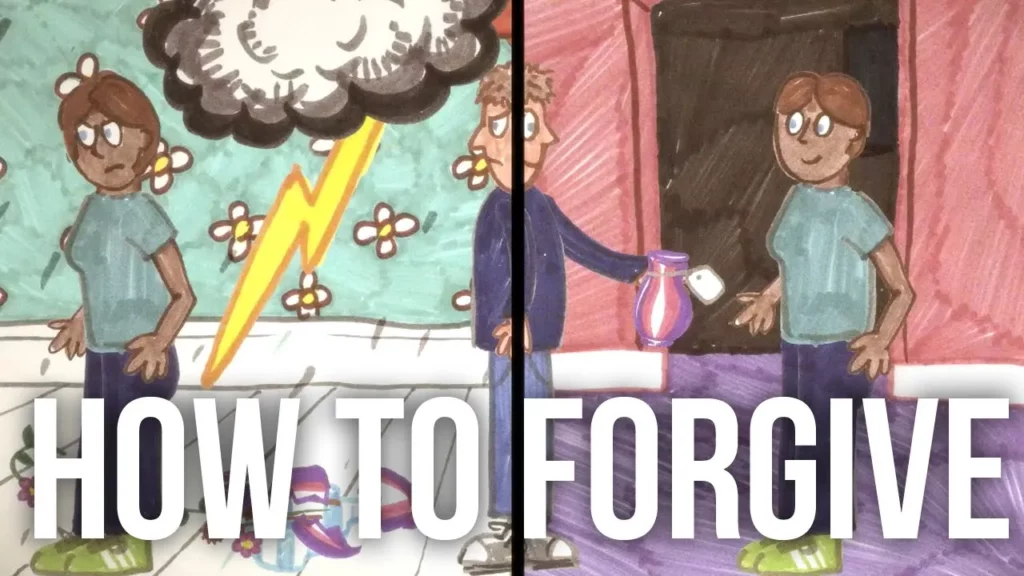
The lesson emphasizes that conflicts with loved ones, while challenging, can be approached constructively through empathy and understanding. By recognizing that negative behaviors often stem from fear and anxiety, and acknowledging the dual nature of human traits, we can foster forgiveness and personal growth. Ultimately, this compassionate perspective not only aids in conflict resolution but also strengthens relationships, leading to deeper connections and mutual respect.
POLITICAL THEORY – John Maynard Keynes
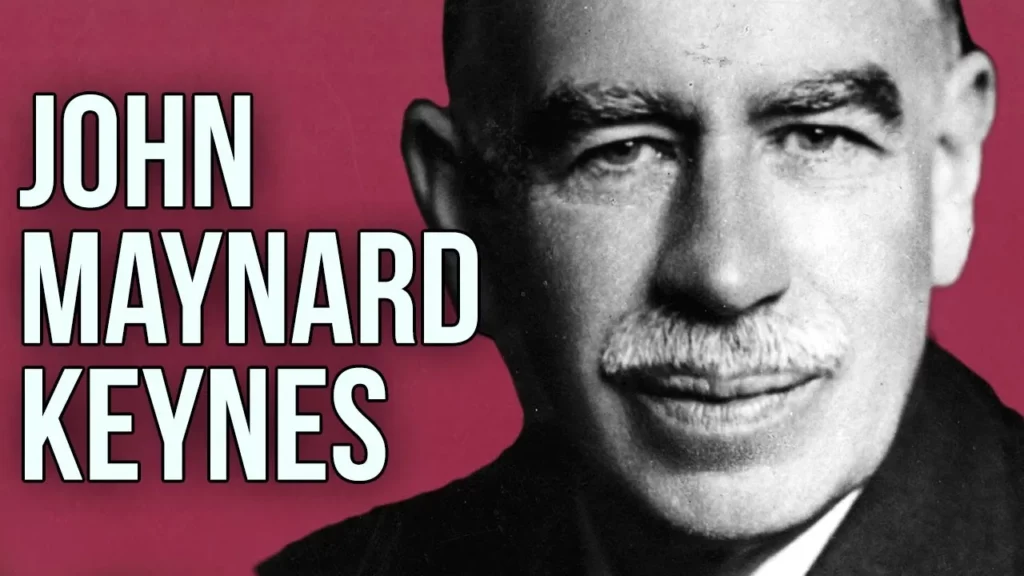
John Maynard Keynes was a revolutionary economist who advocated for government intervention to stabilize economies and promote prosperity, challenging traditional economic theories that emphasized free markets. His seminal work, “The General Theory of Employment, Interest, and Money,” highlighted the importance of boosting demand during economic downturns, proposing that public works projects could stimulate growth even at the cost of budget deficits. Keynes’ ideas have had a lasting impact on economic policy, influencing global institutions and remaining relevant in contemporary discussions, especially in response to crises like the 2008 financial collapse.
Esther Perel is Coming to the School of Life
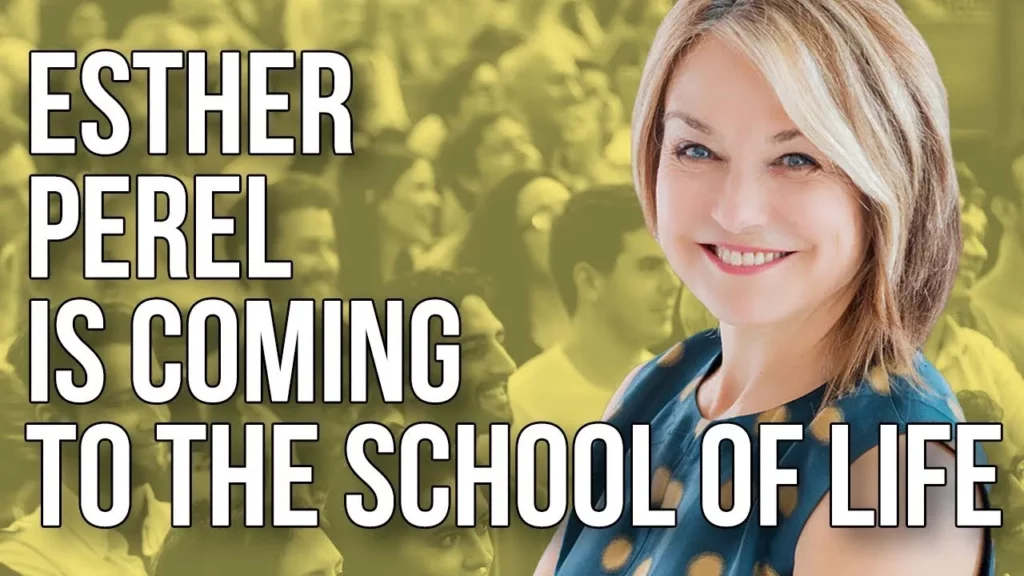
In her recent discussion at the School of Life, Esther Perel explores the evolving landscape of modern relationships, emphasizing the shift from traditional motivations like status and security to a focus on personal happiness and emotional connection. She highlights the complexities of contemporary partnerships, including the necessity of effective communication, the paradox of infidelity, and the importance of emotional education, while advocating for diverse relationship models that cater to individual needs. Perel’s insights encourage couples to navigate their relationships with openness and creativity, fostering deeper connections in an increasingly demanding romantic environment.