
PHILOSOPHY – René Descartes

René Descartes, a pivotal 17th-century French philosopher, revolutionized thought by advocating for the use of human logic and reason over traditional reliance on divine authority. His method of doubt and emphasis on personal experience laid the foundation for modern philosophy, culminating in his famous assertion, “I think, therefore I am,” which underscores the undeniable proof of existence through thought. Descartes’ legacy endures as a testament to the importance of introspection and rational inquiry in the quest for knowledge.
24 hours as an English Farmer
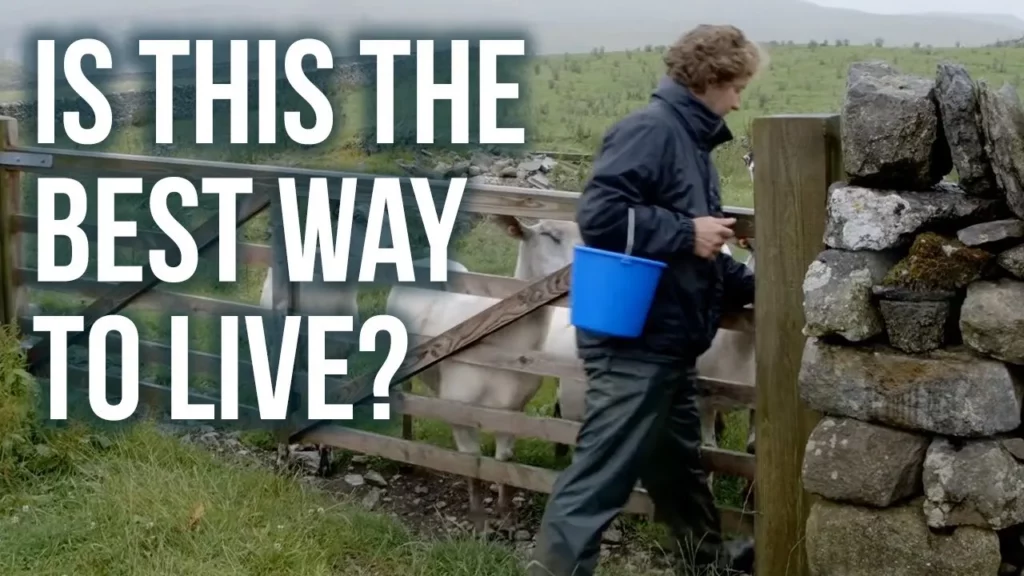
The lesson on Hill Top Farm highlights the importance of sustainable farming practices and the deep-rooted family traditions that accompany them. Neil Hazeltine shares his experiences managing the farm, emphasizing the dedication required for animal care and the challenges of balancing work with personal life. Ultimately, the farm serves as a model for integrating traditional methods with modern sustainability, showcasing the enduring connection between farmers, their land, and their heritage.
Learning to Be Angry
The lesson emphasizes that while overt expressions of anger are often highlighted in society, a more significant issue is the widespread inability to express anger constructively. This suppression can lead to emotional distress and unhealthy relationships, as individuals may feel undervalued and unable to voice their frustrations. By learning to communicate anger in a calm and assertive manner, people can foster personal growth and improve their emotional well-being, ultimately transforming anger into a tool for positive change.
Hysteria When Your Partner Is Too Calm
The lesson on “Understanding Emotional Outbursts in Relationships” emphasizes the importance of recognizing that intense emotional reactions during arguments often stem from deeper concerns rather than irrational behavior. It highlights the need for both partners to approach these situations with compassion and understanding, as well as to employ strategies like active listening and time-outs to manage conflicts effectively. By fostering empathy and open communication, couples can navigate emotional challenges and strengthen their relationship dynamics.
Why Children’s Drawings Matter
The lesson emphasizes the significance of children’s art as a reflection of our lost creativity and playfulness in adulthood, as exemplified by Bobby Kennedy’s choice to decorate his office with his children’s drawings. This shift in appreciation highlights the value of embracing the imaginative qualities found in children’s art, which can liberate adults from the constraints of precision and encourage a balance between discipline and creativity. Ultimately, children’s art serves as a reminder to reconnect with our true selves and integrate joy and freedom into our lives.
How You Could Ruin Someone’s Day or Life

The lesson emphasizes the significant impact our words and actions can have on others, often leading to unintentional harm due to a lack of awareness. It highlights the importance of empathy, mindful communication, and self-awareness in fostering positive interactions, both in personal relationships and professional settings. By adopting practices such as reflective listening and conflict resolution, we can cultivate a more compassionate environment that uplifts rather than harms.
5 Reasons the Modern World Is so Ugly

The lesson explores the aesthetic decline of modern architecture, highlighting how the shift towards functionalism and the rejection of ornamentation have led to uninspired urban landscapes. It emphasizes the historical importance of beauty in architecture and critiques the modern belief that beauty is subjective, advocating for a renewed appreciation of aesthetic value in urban planning. Ultimately, the lesson calls for integrating beauty into architectural practices to create uplifting and inspiring environments for all.
How Do You Like to Be Comforted?

The lesson emphasizes the importance of navigating workplace challenges by transforming setbacks into opportunities for personal and professional growth. It highlights the significance of perspective, self-reflection, networking, and skill development, while also advocating for effective stress management and the power of active listening in supporting colleagues. Ultimately, the lesson encourages individuals to embrace change and view challenges as stepping stones toward a more fulfilling career.
ART/ARCHITECTURE – Caspar David Friedrich
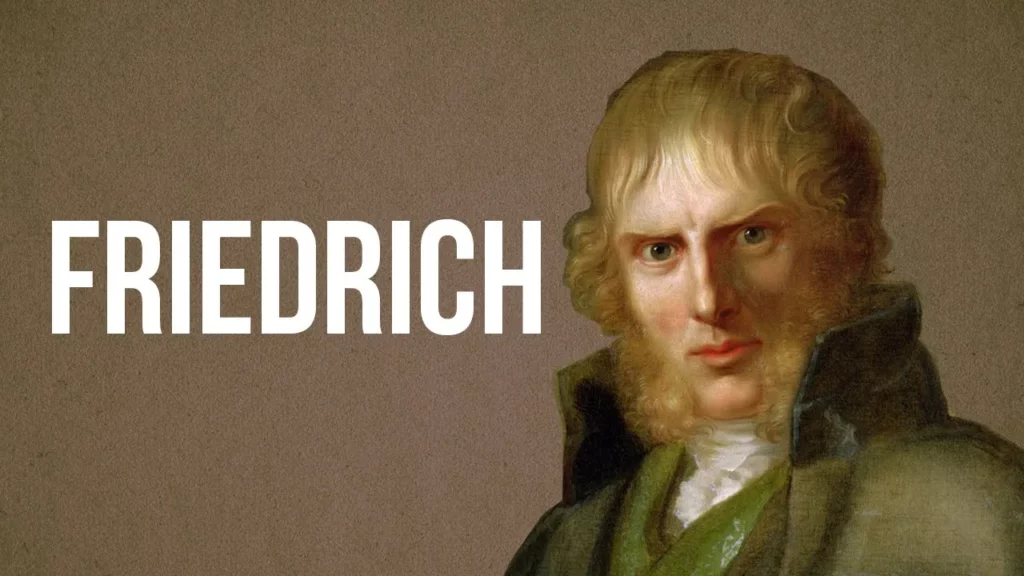
The lesson explores how the art of Caspar David Friedrich serves as a profound means of embracing and understanding grief. Through his evocative depictions of nature and melancholy, Friedrich illustrates that suffering is an intrinsic part of the human experience, encouraging viewers to find solace and resilience in their emotions. His work ultimately highlights the transformative power of art in processing sorrow and appreciating the beauty within life’s challenges.
ART/ARCHITECTURE – Louis Kahn
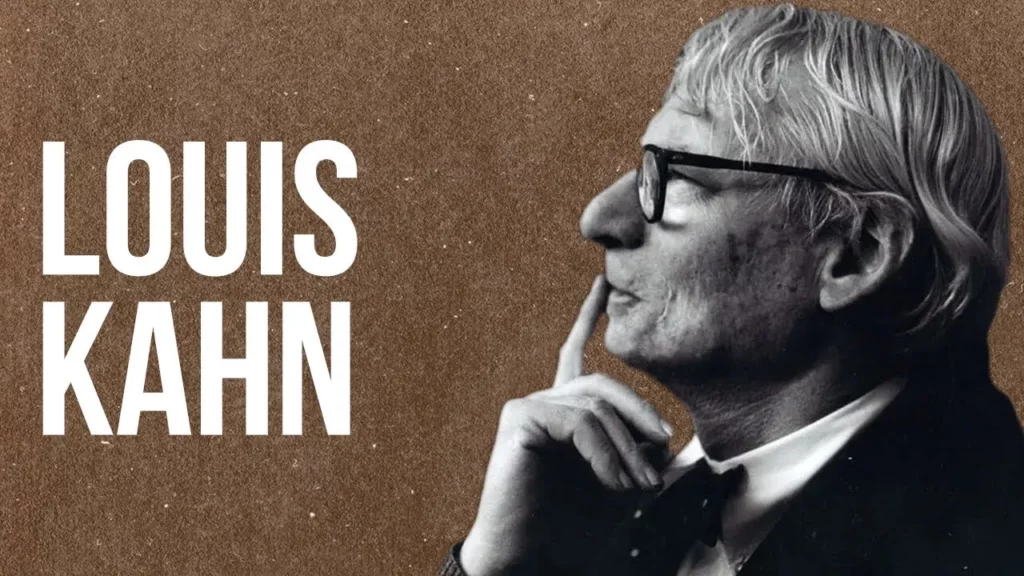
The lesson on “The Timeless Appeal of Traditional Architecture: Lessons from Louis Kahn” explores how Kahn successfully integrated traditional materials and principles into modern architectural design, creating structures that embody both innovation and timeless elegance. By emphasizing symmetry, the use of classic materials, and a sense of monumentality, Kahn’s work challenges the coldness often associated with modernism and highlights the enduring value of architectural beauty. His legacy serves as a reminder for contemporary architects to blend the old with the new, ensuring that buildings remain functional, beautiful, and relevant for generations to come.