
How to Find Creative Work
The lesson emphasizes the importance of broadening our understanding of creativity beyond traditional roles, such as those in the arts or journalism, which can often feel limiting and competitive. By identifying the core pleasures and interests that drive our creative aspirations, we can discover fulfilling opportunities in a wider range of careers, allowing us to thrive in unexpected fields. Ultimately, this approach encourages individuals to explore diverse paths that align with their creative desires, unlocking new possibilities for personal and professional growth.
Why Nice People Are Scary

The lesson explores the paradox of seeking niceness in relationships, highlighting that while many desire a kind and humorous partner, genuine niceness can evoke skepticism and self-doubt. This confusion often stems from our own self-perception and insecurities, making it challenging to embrace affection from others. By fostering self-awareness, open communication, and patience, individuals can navigate the complexities of niceness in relationships, ultimately leading to healthier connections.
ART/ARCHITECTURE – Edward Hopper
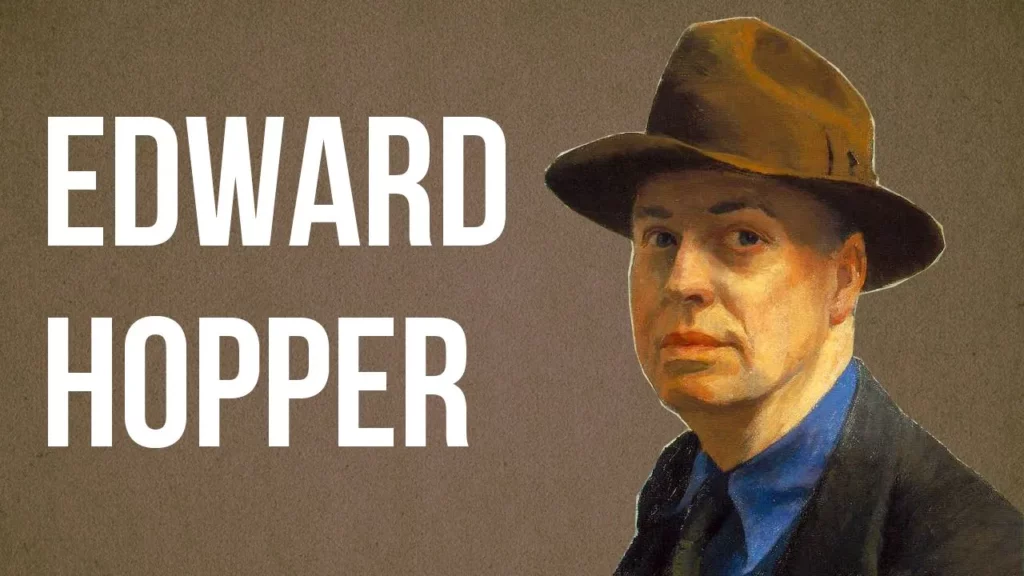
The lesson explores the profound themes of loneliness and introspection in Edward Hopper’s artwork, highlighting how his paintings, such as “Automat,” evoke a sense of solitude without necessarily inducing sadness. Hopper’s unique ability to capture the essence of isolation in urban settings reflects his own experiences and offers viewers a therapeutic lens through which to understand their own emotions. Ultimately, his legacy endures as a testament to the power of art to illuminate the complexities of the human condition.
In Praise of Introspective People
The lesson emphasizes the importance of embracing individuality through self-reflection, highlighting how introspection can lead to personal growth and a deeper understanding of oneself. It outlines the traits of introspective individuals, such as enjoying solitude, engaging in deep conversations, and seeking therapeutic exploration, while also noting the significance of understanding one’s past. Ultimately, the pursuit of self-knowledge is presented as a fulfilling journey that enriches life and fosters a meaningful existence.
The Children of Snobs
The lesson explores the concept of snobbery, defining it as a lack of independent judgment influenced by societal elites, and examines its impact on parenting and personal development. It highlights the challenges snobbish parents face in valuing their children, often leading to conditional love based on achievements, which can result in emotional turmoil for the children. Ultimately, the lesson emphasizes the importance of recognizing these dynamics and fostering unconditional love and self-worth to promote healthier relationships and personal growth.
How To Get Over A Crush

The lesson explores the complexities of modern love, focusing on the distinction between admiration and reality through the journey of a protagonist infatuated with an idealized woman he has yet to meet. It highlights the psychological phenomenon of the halo effect, the importance of effective communication, and the need for self-awareness in fostering genuine connections. Ultimately, the lesson emphasizes that true relationships thrive on balancing romantic ideals with everyday realities and embracing imperfections.
Can Pills or Therapy Save You?

The lesson outlines the significant evolution of psychiatric medication, highlighting its transformative impact on mental health treatment from the mid-20th century onwards. It discusses the introduction of antipsychotic drugs like chlorpromazine and the rise of antidepressants such as SSRIs, which have drastically improved the management of mental illnesses. However, the lesson also emphasizes the limitations of these medications, including side effects and the necessity of combining them with psychotherapy for comprehensive healing, underscoring the importance of addressing both biological and psychological aspects of mental health.
The Secret Power of Gratitude
The lesson emphasizes the importance of crafting meaningful thank you notes by drawing inspiration from the art world. By focusing on specific details that highlight what we are grateful for, rather than using general expressions, we can create notes that genuinely convey our appreciation and resonate more deeply with the recipient. This approach not only enhances the impact of our gratitude but also strengthens our relationships.
20 Signs You’re Emotionally Mature
The lesson on emotional maturity emphasizes that it is a continuous journey of self-awareness and understanding others, marked by key signs such as empathy, effective communication, and the ability to forgive. It highlights the importance of recognizing the underlying emotions in others, letting go of self-righteousness, and embracing imperfection, while also providing educational insights to foster personal growth and healthier relationships. Ultimately, emotional maturity involves cultivating a balanced perspective on life, valuing meaningful connections, and learning from experiences.
Why We Shouldn’t Worry About Dying Young
The lesson emphasizes that the value of a life should be measured by the quality of experiences and contributions rather than the number of years lived. It highlights how remarkable individuals, despite their short lifespans, achieved profound impacts, encouraging us to focus on living deeply and meaningfully. Ultimately, the goal is to enrich our lives with purpose and appreciation, transforming them into fulfilling narratives regardless of their length.