
Transference
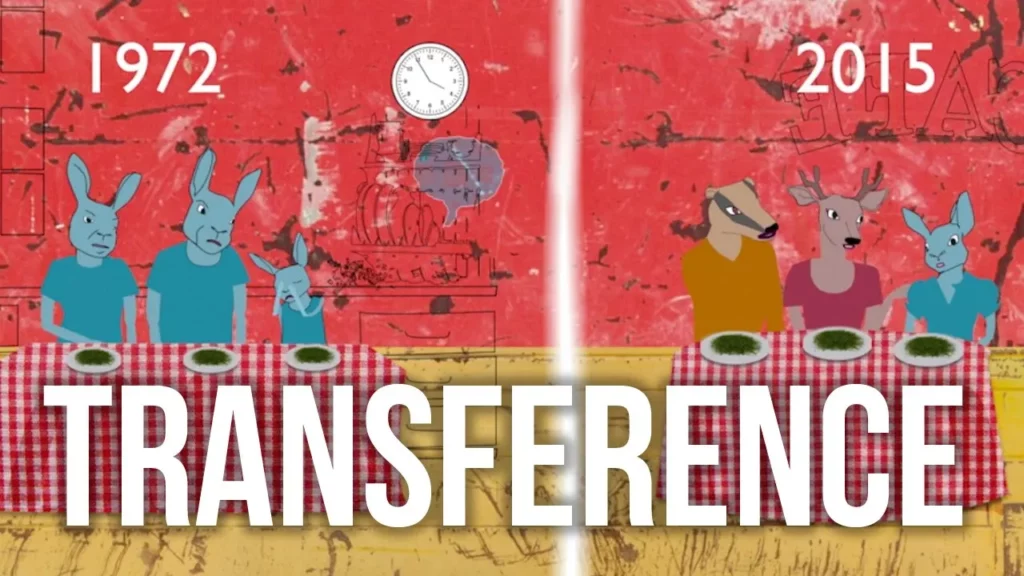
The lesson on transference highlights how unconscious feelings from past relationships, particularly those with influential figures like parents, can shape our perceptions and interactions in the present. By recognizing and addressing these patterns through psychological exercises and therapy, individuals can achieve greater self-awareness, emotional freedom, and healthier relationships. Ultimately, understanding transference is a crucial step toward personal growth and maturity.
Why We Eat Too Much
The lesson “Understanding Overeating: Beyond the Plate” explores the deeper emotional and psychological needs that drive people to overeat, emphasizing that true hunger often stems from a lack of emotional connection and fulfillment rather than just physical appetite. It critiques the diet industry’s focus on food choices while neglecting the root causes of overeating, such as feelings of isolation and the need for understanding and support. Ultimately, the lesson advocates for developing emotional intelligence to address these underlying needs, suggesting that true satisfaction comes from nurturing our emotional well-being rather than merely satisfying our physical cravings.
HISTORY OF IDEAS – French & English Gardens
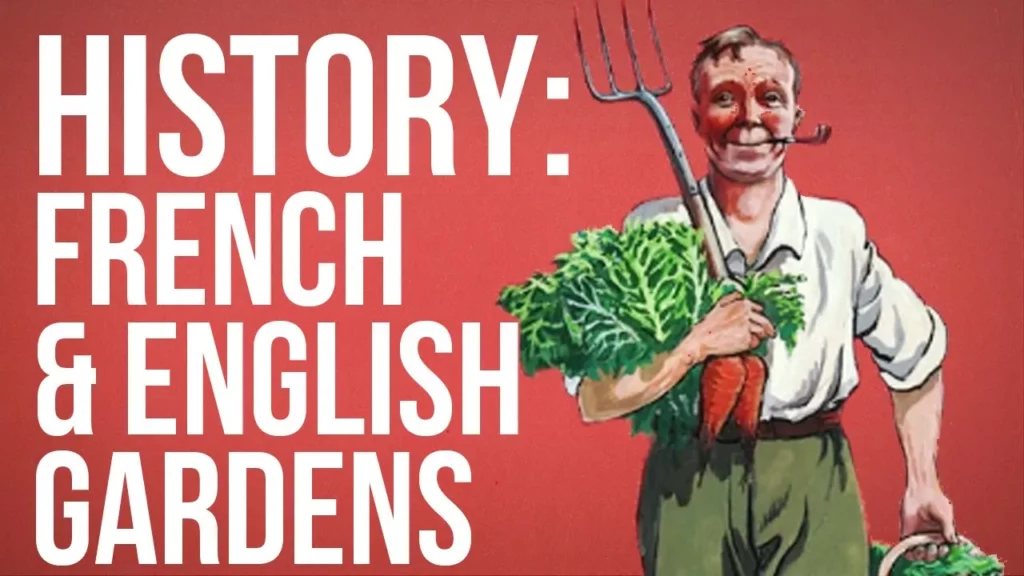
The lesson explores the evolution of European gardening through two distinct traditions: the formal French garden (“Jardin à la française”) and the natural English garden (“Jardin à l’anglaise”). The French style emphasizes symmetry and order, reflecting a rational approach to nature, while the English style celebrates natural beauty and harmony, promoting acceptance and adaptation. By understanding these contrasting philosophies, we can cultivate a balanced perspective that enriches both our gardens and our lives.
What Your Home Says About You…
The lesson emphasizes that creating a home is a profound journey that reflects our identities and sense of belonging. It highlights how the objects we choose for our living spaces serve as extensions of ourselves, embodying our values and aspirations while providing stability and a sense of connection to who we are. Ultimately, our homes act as sanctuaries for our souls, reminding us of our authentic commitments and offering a tangible representation of our inner selves.
What Your Parents Made You Do for Love…
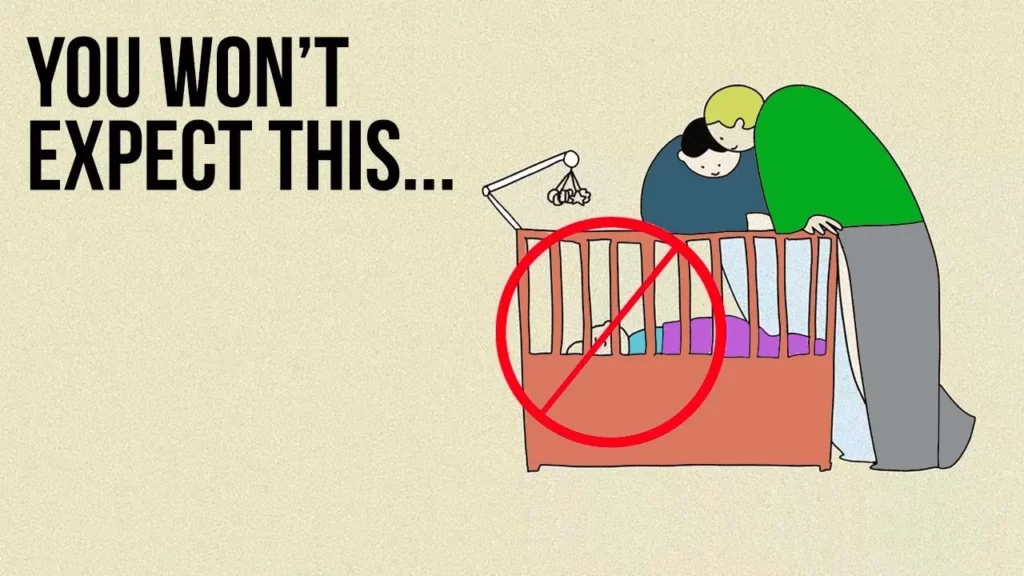
The lesson emphasizes the profound impact of early childhood experiences on personality development, particularly how caregivers’ responses to a child’s needs shape their sense of self-worth and emotional health. It outlines three types of parental love—unconditional, conditional based on success, and conditional based on failure—highlighting the long-term psychological consequences of each. Ultimately, fostering an environment of unconditional love is crucial for nurturing resilient and confident individuals who can navigate life’s challenges effectively.
The Horrors of Jealousy

This lesson explores the nature of jealousy in relationships through a relatable party story, highlighting its origins in insecurity and fear of loss. It emphasizes the importance of open communication to address misunderstandings and offers practical tips for discussing feelings calmly and effectively. Ultimately, the lesson encourages couples to manage jealousy constructively, fostering trust and strengthening their connection.
Why We Could Love Anyone

The lesson on “The Radical Love of Jesus” emphasizes the revolutionary nature of Jesus’ teachings on love, which advocate for compassion towards those marginalized by society. Through biblical stories and philosophical insights, it illustrates how Jesus challenged social norms by embracing outcasts and encouraging love that transcends superficial judgments. Ultimately, the lesson calls for a broader understanding of love that fosters empathy and deeper connections among all individuals, regardless of their circumstances.
Why so Many People Want to Be Writers

The lesson explores the contemporary rise in aspiring writers, linking it to increased literacy and educational opportunities while also highlighting a pervasive sense of loneliness in society. Writing often serves as a refuge for those who feel unheard, reflecting deeper emotional struggles and a desire for connection. Ultimately, the lesson emphasizes the importance of fostering genuine human relationships to address the underlying issues that drive people to seek solace in writing.
The Horrors of Children
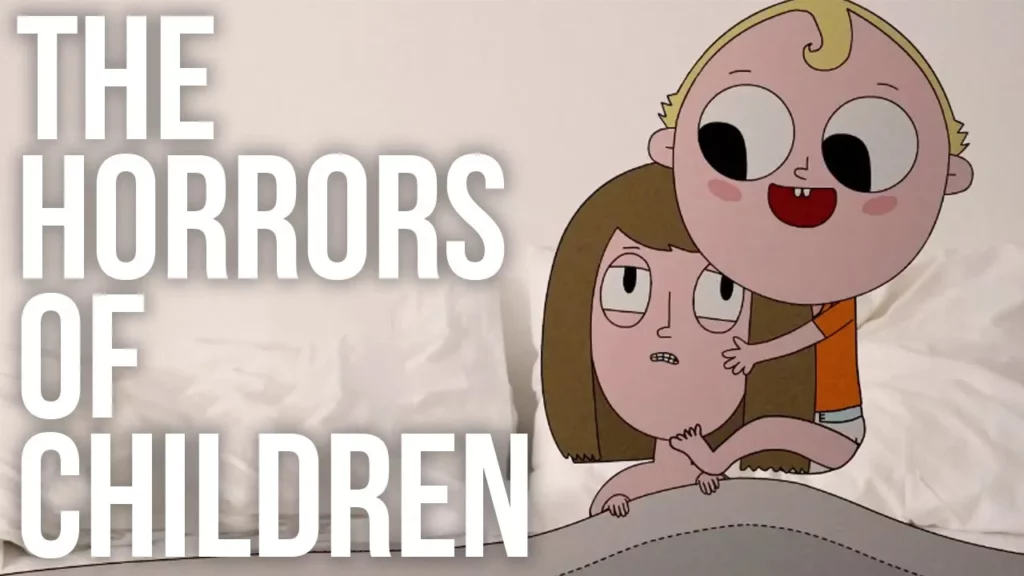
The lesson highlights the often-overlooked challenges of parenthood, emphasizing that while raising children can bring joy, it also strains romantic relationships, complicates personal growth, and presents the reality of mediocrity in children’s achievements. It stresses the importance of setting boundaries, the inevitability of regret regardless of the choice to have children, and the need for society to acknowledge these complexities to better support parents. Ultimately, the article advocates for a more balanced perspective on the parenting journey, recognizing both its rewards and difficulties.
How to Tell If You Are an Introvert
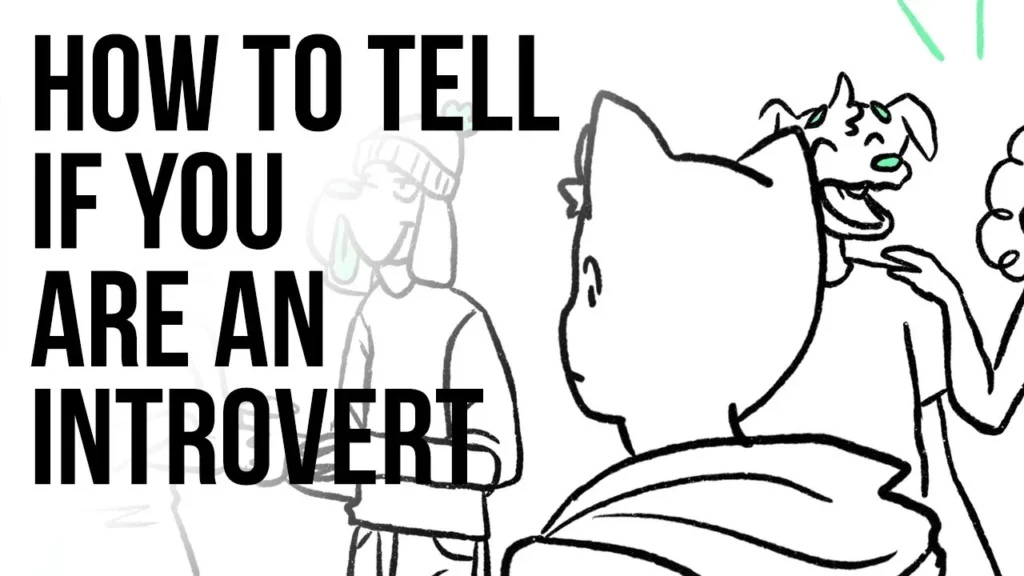
The lesson “Embracing Introversion in an Extroverted World” highlights the challenges introverts face in a society that often favors extroverted traits, leading to feelings of misunderstanding and anxiety. It emphasizes the importance of self-acceptance and offers strategies for introverts to thrive, such as setting boundaries, communicating their needs, and embracing solitude as a source of creativity and self-discovery. Ultimately, the lesson advocates for recognizing and valuing the unique qualities of introverts, fostering a more inclusive understanding of diverse personality types.