
What If We Never Find True Love…

The lesson explores the complex and often elusive nature of love, highlighting the journey many undertake in search of meaningful connections. It acknowledges the challenges and disappointments that arise along the way, emphasizing the importance of coping with these realities through art, friendship, and self-reflection. Ultimately, the pursuit of love, despite its difficulties, enriches our lives and fosters resilience, reminding us that we are not alone in our experiences.
How to Stop Being a ‘good’ Boy or Girl

The lesson explores how childhood obedience to authority figures can significantly impact adult life, often leading to dissatisfaction and unfulfilled potential. It emphasizes the importance of prioritizing personal desires over societal expectations to achieve true freedom and authenticity. By embracing our genuine interests and resisting the urge to conform, we can break free from the constraints of our upbringing and lead more fulfilling lives.
Why We Look down on Low Wage Earners
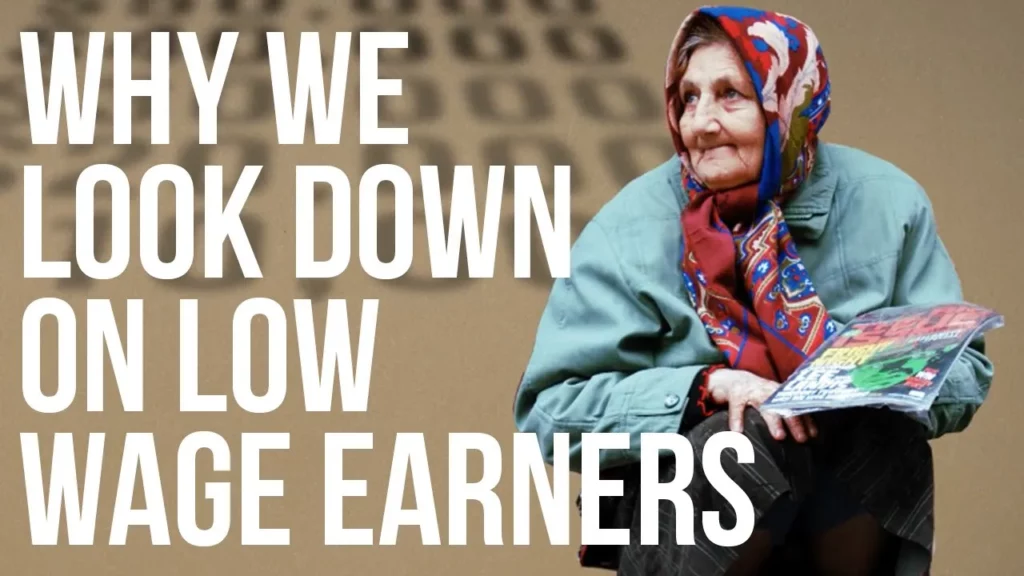
The lesson explores the complex relationship between income and social respect, highlighting how higher earnings often correlate with greater admiration and perceived worth in society. It contrasts this perception with economic theories that attribute wage levels to labor supply and demand, rather than social contribution, and discusses historical attempts to address wage injustices through ideologies like Christianity and Marxism. Ultimately, the lesson advocates for a shift in societal perspectives, emphasizing the role of art in redefining worth and fostering a more equitable distribution of respect that values contributions beyond mere financial compensation.
Heidegger in the Kitchen
The lesson on Martin Heidegger emphasizes the importance of acknowledging the fragility of existence and the inevitability of death. Heidegger’s philosophy encourages individuals to confront “The Nothing,” which represents the void surrounding life, and to recognize their interconnectedness with all living beings. By moving beyond societal distractions and embracing authenticity, we can cultivate a deeper appreciation for life and live more intentionally.
The Importance of Self-Pity
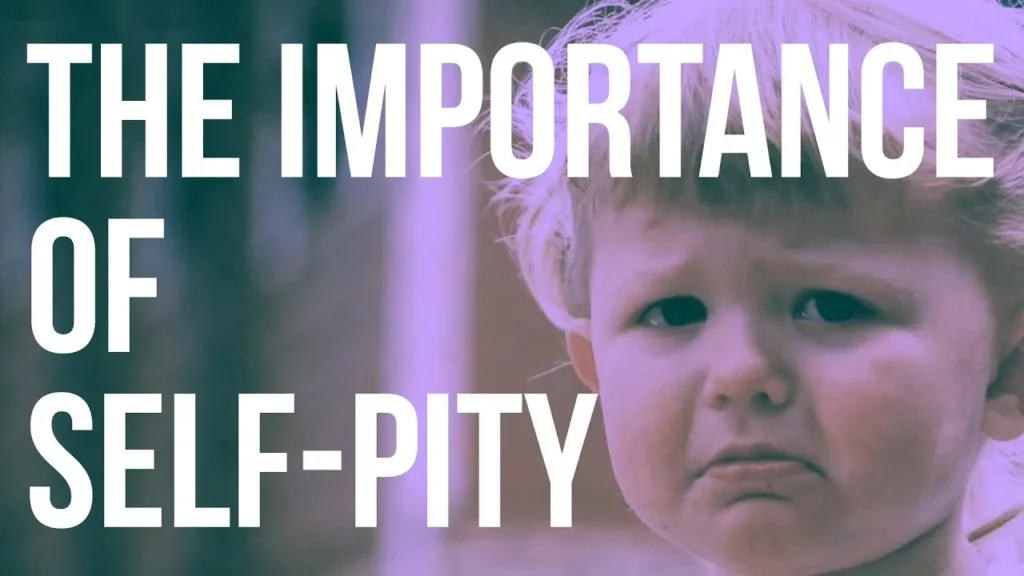
The lesson emphasizes that self-pity, often viewed negatively as a sign of selfishness, is actually a vital emotion that plays a crucial role in our emotional health. Originating in childhood, self-pity serves as a coping mechanism that fosters self-compassion and helps us navigate life’s challenges, ultimately contributing to our mental well-being. By embracing self-pity, we can cultivate resilience and a deeper understanding of our emotional needs.
Should We Laugh Or Should We Cry?

The lesson explores the contrasting philosophies of Heraclitus and Democritus regarding how to respond to life’s challenges, encapsulated in the question of whether to laugh or cry. Heraclitus, the “Weeping Philosopher,” emphasizes the sorrow inherent in human existence and the chaos of life, while Democritus, the “Laughing Philosopher,” advocates for finding joy and humor even amidst adversity. By embracing the concept of “cheerful despair,” we can acknowledge life’s difficulties while also savoring its fleeting moments of beauty and kindness, leading to a more fulfilling existence.
The Mind Body Problem
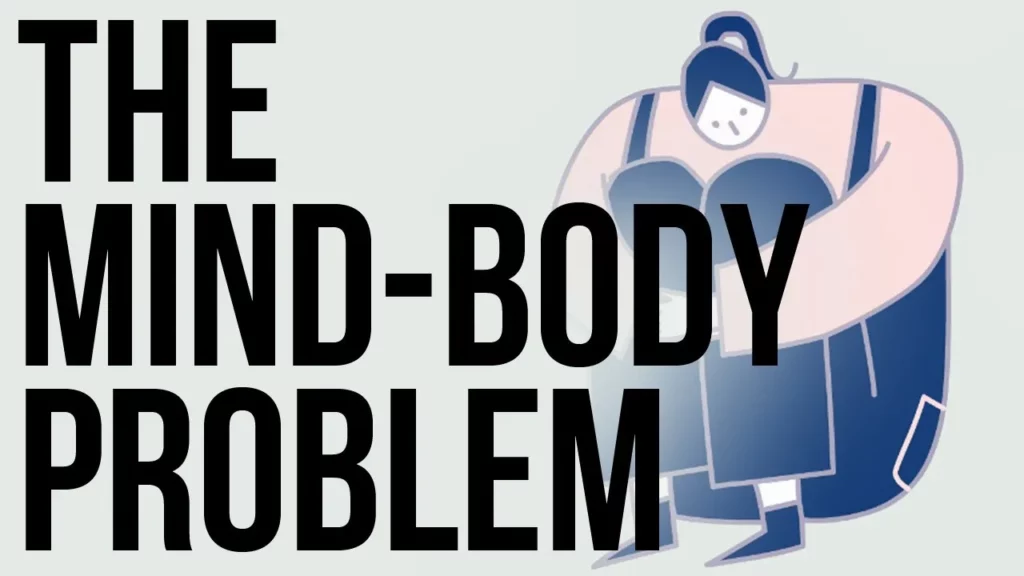
The lesson on the mind-body problem explores the disconnect between physical appearance and true identity, emphasizing how societal judgments based on looks can shape perceptions and influence personal behavior. It highlights the importance of recognizing that genuine love and understanding involve seeing beyond surface traits to appreciate the inner character of individuals. Ultimately, fostering a compassionate perspective can help bridge the gap between appearance and identity, promoting authenticity and empathy in our interactions with others.
The Importance of Flattery
The lesson emphasizes that flattery, often viewed as insincere manipulation, can actually serve as a positive force for personal and societal growth when used ethically. Through examples like parenting, architecture, and art, it illustrates how constructive flattery can inspire individuals to develop their best qualities and foster a supportive environment. Ultimately, the lesson advocates for embracing flattery as a tool for motivation and transformation rather than dismissing it as mere deception.
Are You Romantic or Classical?
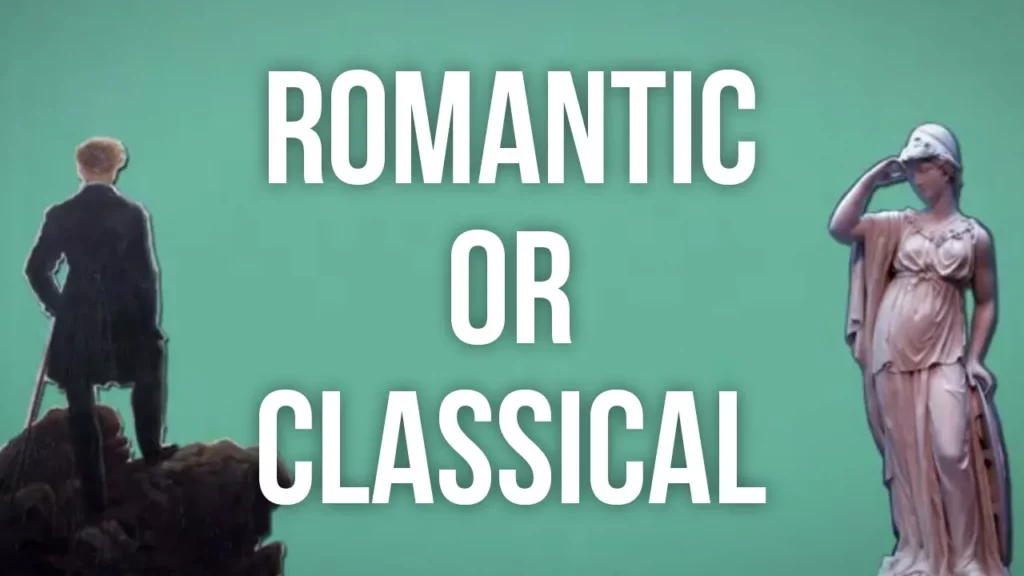
The lesson on “Understanding Romantic and Classical Personalities” explores the distinct characteristics that define romantic and classical personality types, highlighting their differing approaches to emotion, intellect, spontaneity, honesty, idealism, and everyday life. While romantics prioritize emotional experiences and authenticity, often seeking excitement and idealism, classical individuals value intellect, education, and social harmony, favoring realism and routine. The lesson emphasizes the importance of balancing these perspectives to enhance personal growth and improve interactions with others.
How to Read Fewer Books and Get Wiser
The lesson explores the historical evolution of reading practices, contrasting the modern obsession with reading extensively to the pre-modern emphasis on deep understanding of a few select texts. In earlier times, reading was viewed as a means to achieve spiritual and personal growth, with a focus on purpose rather than quantity. The lesson advocates for a return to this mindset, suggesting that true fulfillment comes from being profoundly influenced by a limited number of carefully chosen books that align with one’s personal goals and values.