
Stop Wishing Your Life Away

The lesson “The Power of Fantasy: A Journey Through Imagination” explores how imagination serves as an escape from reality, illustrating the profound impact of dreams and desires on our lives. Through a series of fantastical scenarios, the narrative highlights themes of heroism, the interconnectedness of success, the transformative power of storytelling, and the complexities of fame, ultimately emphasizing the importance of embracing our imperfections while pursuing our aspirations. The journey encourages readers to balance their fantasies with the realities of life, fostering personal growth and fulfillment.
Why we think so much about our hair
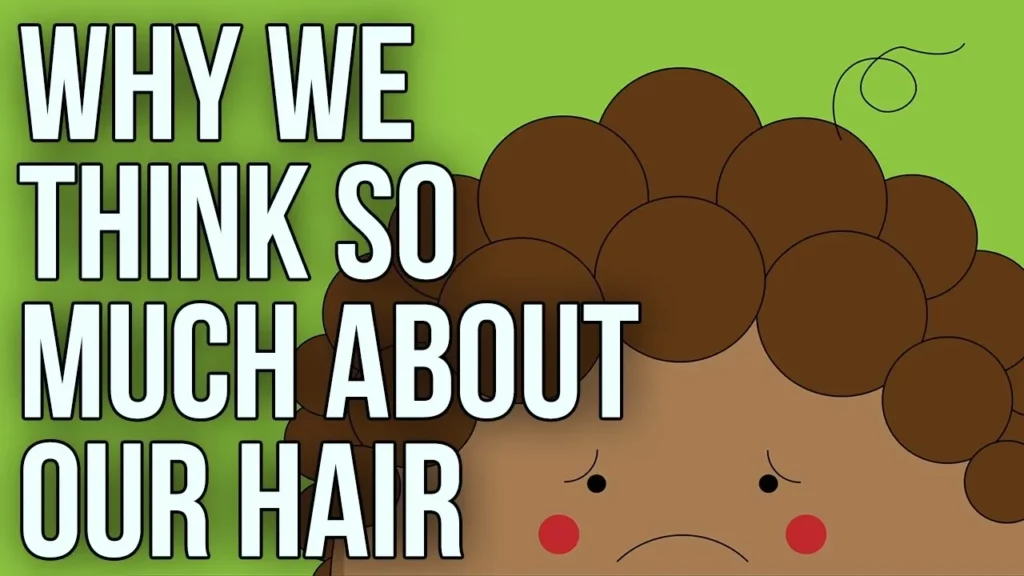
The lesson emphasizes that hair serves as a significant form of non-verbal communication and self-expression, reflecting our identity and the messages we wish to convey to the world. It explores the time and resources we invest in our hair, the meanings behind various hairstyles, and the universal desire for connection and understanding. Ultimately, the lesson encourages embracing the importance of hair in our lives as a vital tool for expressing who we are.
CALM
The lesson “Finding Calm in a Frantic World” emphasizes the importance of self-reflection and gaining perspective amidst the chaos of daily life. By recognizing our insignificance in the vastness of time and space, we can alleviate anxiety and stress, allowing us to focus on what truly matters and cultivate a sense of peace and fulfillment. Ultimately, this shift in mindset encourages us to break free from the pressures of societal expectations and embrace a more tranquil existence.
Anxiety Attacks

The lesson “Understanding Anxiety Attacks: A New Perspective” reframes anxiety attacks as heightened sensitivity to the complexities of life rather than mere symptoms of a mental illness. Drawing on insights from literature, particularly George Eliot’s reflections, it suggests that anxiety can be viewed as a legitimate response to the chaos of existence, offering profound insights rather than indicating a flaw. By embracing anxiety as a natural reaction, we can foster a more compassionate understanding of ourselves and others, transforming distress into a catalyst for deeper awareness and creativity.
12 Questions to Evaluate your Parents
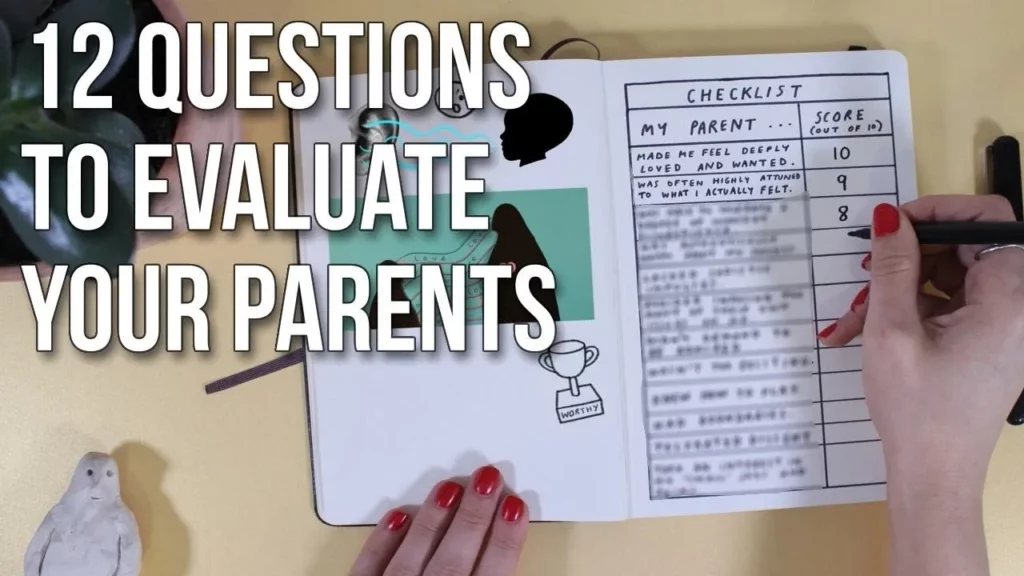
The lesson on “Understanding the Essentials of Good Parenting” emphasizes that effective parenting is rooted in unconditional love, attunement to a child’s needs, and the encouragement of independence. It highlights the importance of establishing boundaries and providing a stable environment, which fosters emotional security and resilience in children. Additionally, reflecting on one’s own upbringing can offer insights for improvement, particularly for those who may have faced challenges in their childhood.
Why We Call Our Partners ‘baby’

The lesson explores the significance of regression in adult relationships, highlighting how affectionate behaviors, like using nicknames, can reveal deeper psychological dynamics. It emphasizes the importance of reconnecting with our childlike selves to foster vulnerability and emotional safety, while also addressing the challenges faced by individuals with traumatic childhood experiences. Ultimately, the lesson advocates for embracing our inner child as a pathway to genuine adulthood and healthier relationships.
The Secret Book to Win Friends and Influence People

The lesson from “How to Win Friends and Influence People” emphasizes the importance of genuine human connection and emotional intelligence in building relationships and influencing others. Dale Carnegie outlines simple yet powerful principles, such as listening, showing empathy, and understanding others’ perspectives, which are essential for fostering trust and rapport. His teachings remain relevant today, offering valuable insights for personal and professional growth in an increasingly digital world.
PHILOSOPHY – Aristotle
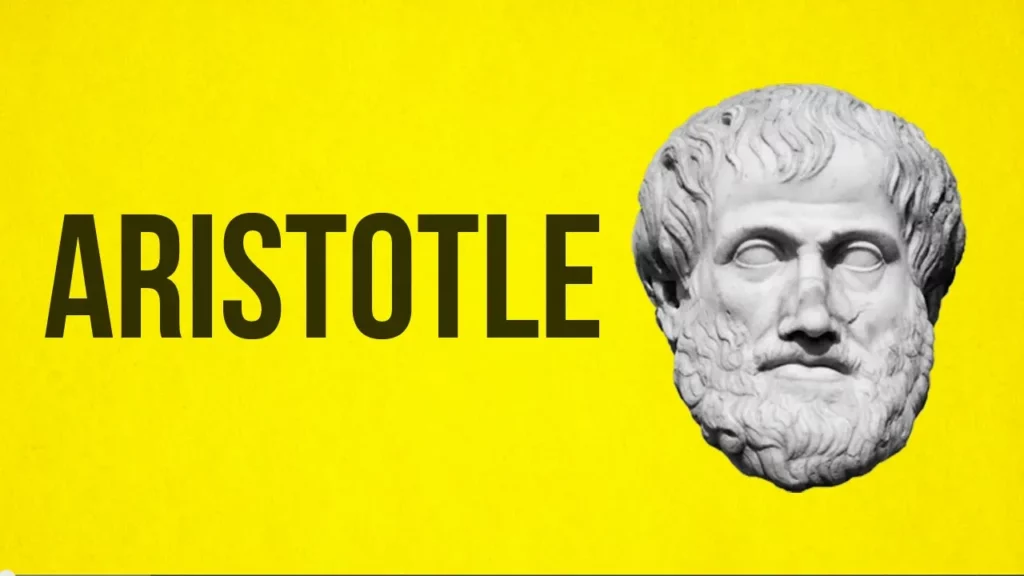
The lesson on Aristotle highlights his profound influence as a philosopher whose ideas have shaped various fields, including ethics, art, and rhetoric. It explores his early life, educational journey, and key concepts such as the pursuit of happiness through virtue, the purpose of art in evoking emotions, and the nature of friendship. Aristotle’s emphasis on practical wisdom and the importance of effective communication continues to resonate, encouraging individuals to seek a balanced and fulfilling life.
LITERATURE – Edward Gibbon

The lesson emphasizes the importance of understanding contemporary challenges through the lens of history, particularly by examining Edward Gibbon’s insights on the decline of the Roman Empire. It highlights that societal turmoil is not unprecedented, as history reveals a pattern of crises followed by renewal and transformation. By reflecting on past events, we can gain a more balanced perspective on current issues and find hope for future progress.
How to Stop People Pleasing and Be Happy
The lesson “Discovering Authentic Happiness: A Journey to Self-Understanding” emphasizes that true happiness is a complex journey influenced by early desires, societal expectations, and personal growth. It encourages individuals to peel back layers of external influences to uncover their authentic selves, reevaluate relationships, and disconnect from digital distractions, ultimately advocating for a life that embraces individuality and genuine fulfillment. The urgency of living authentically is highlighted, particularly in the face of mortality, reinforcing the importance of self-discovery throughout life.