
Why We Are Lonely
The lesson explores the complex nature of loneliness, particularly for introspective individuals who often struggle to connect with others on a meaningful level. It highlights how deep self-examination can lead to feelings of isolation, as many people may not share the same interest in exploring their inner thoughts and emotions. By recognizing different perspectives and seeking like-minded individuals, introspective people can navigate their loneliness and find fulfilling connections.
Alain de Botton on Love
The lesson explores the evolution of romantic love, highlighting how the Romanticism movement shifted marriage from practical arrangements to a focus on love and personal happiness. While this change has enriched emotional experiences, it has also created unrealistic expectations, such as the myth of the soulmate and the belief that love should be effortless. To foster healthier relationships, the lesson advocates for embracing imperfection, prioritizing effective communication, and adopting a more pragmatic approach to love that acknowledges the complexities of human nature.
Why Arts Graduates Are Under-Employed
The lesson emphasizes the often-overlooked value of arts graduates in modern society, highlighting their frustration with underemployment despite their extensive education in the humanities. It argues that the skills and insights gained from studying subjects like philosophy, history, and art are crucial for addressing contemporary challenges, such as improving relationships and enhancing communication. Ultimately, the lesson advocates for a greater recognition of the practical applications of the humanities, suggesting that integrating these insights into the economy could lead to a more enriched and balanced society.
Why We Sulk and How Not To

The lesson emphasizes the initial allure of intuitive understanding in romantic relationships, where partners seem to effortlessly connect and comprehend each other’s feelings. However, it warns against the pitfalls of expecting this level of understanding to persist, as it can lead to misunderstandings and sulking when partners fail to meet these unrealistic expectations. Ultimately, the lesson advocates for open communication as the foundation for a healthy relationship, encouraging individuals to express their feelings and needs clearly to foster deeper connections.
Why You Should Try to Be More Selfish

The lesson emphasizes the misunderstood virtue of selfishness, arguing that while society often views selfishness negatively, a lack of healthy self-focus can hinder personal growth and authenticity. It encourages individuals to practice “intelligent selfishness” by prioritizing their own needs and desires, embracing authenticity, and setting boundaries, ultimately leading to a more fulfilling and meaningful life. By balancing self-care with social responsibility, individuals can cultivate a life that reflects their true values and interests.
Procrastination
The lesson “Understanding the Anxiety of Productivity” delves into the challenges faced by individuals grappling with productivity anxiety, highlighting the pressures of time, fear of failure, and the impact of perfectionism. It emphasizes the importance of shifting focus from perfection to progress, offering practical strategies such as embracing imperfection, setting realistic goals, practicing mindfulness, and seeking support to help manage anxiety and enhance productivity. Ultimately, the lesson encourages individuals to prioritize progress over perfection in their journey toward achieving a healthier balance between productivity and well-being.
The News is Driving you INSANE
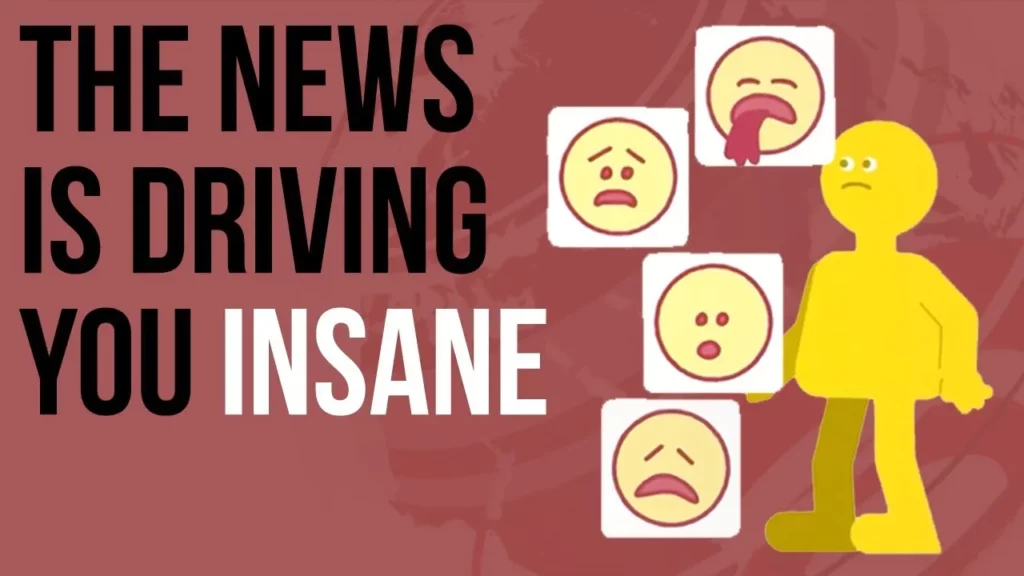
The lesson explores the dual nature of news as both a vital source of information and a potential barrier to self-understanding. It highlights how news narratives can manipulate our emotions and distract us from personal introspection, leading to a misguided focus on external events rather than our own emotional needs. Ultimately, the lesson advocates for a more balanced approach to news consumption, emphasizing the importance of self-reflection to navigate the complexities of modern life effectively.
How Not to Think on a Date
The lesson on “Exploring Regional Italian Cuisine” delves into the diverse culinary traditions of Italy, emphasizing how each region’s unique ingredients and cultural influences shape its dishes. It highlights a local restaurant celebrated for its authentic regional offerings, allowing diners to experience Italy’s rich flavors. Additionally, the lesson touches on the broader themes of social interactions and shared experiences that enhance our appreciation of food and community.
The Need to be Alone
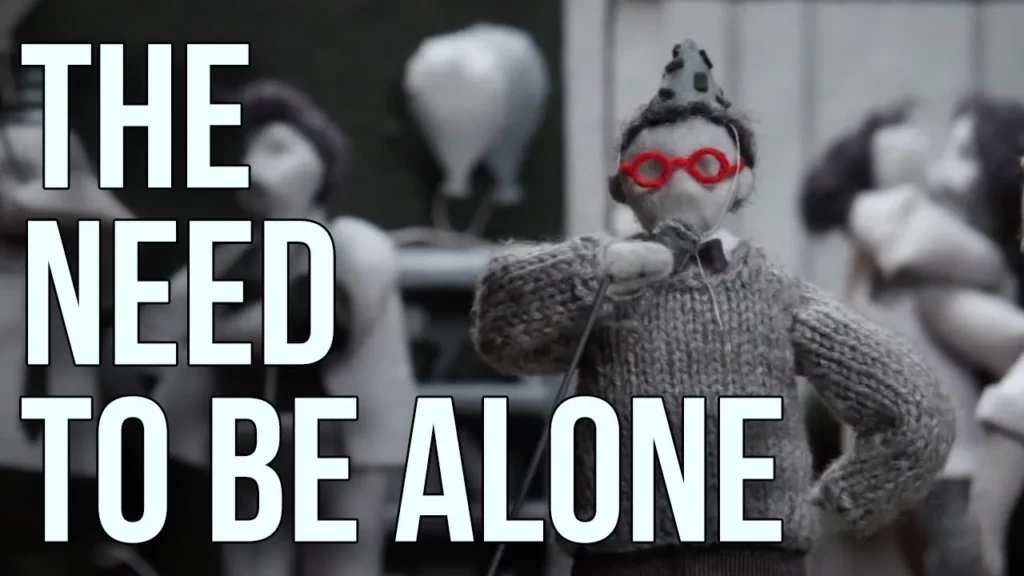
The lesson emphasizes the significance of solitude in a society that often prioritizes social interaction. It highlights that solitude is essential for self-identity, emotional processing, and personal growth, allowing individuals to recharge and engage more meaningfully with others. Ultimately, embracing solitude enriches social experiences and fosters authenticity and empathy in relationships.
ART/ARCHITECTURE – Francisco Goya

The lesson on Francisco Goya emphasizes his profound impact on art and the exploration of human emotion, particularly through his print “The Sleep of Reason Produces Monsters.” This work serves as a metaphor for the chaos that ensues when reason is abandoned, illustrating the internal struggles and intrusive thoughts that can arise, especially during vulnerable moments. Ultimately, the lesson advocates for the importance of understanding and managing our inner demons through love and reason, promoting mental well-being and self-acceptance.