
PHILOSOPHY – Plato

In this lesson on Plato’s philosophy, we explore the key concepts that guide individuals toward fulfillment, or “εὐδαιμονία.” Plato emphasizes the importance of deep thinking, transformative relationships, the appreciation of beauty, and societal reform, advocating for a life led by wisdom and virtue. His enduring legacy encourages critical thinking and personal growth, highlighting the role of philosophy in achieving a meaningful existence.
Two Reasons People End up Bad Parents

The lesson emphasizes the complexities of parental love and the challenges some parents face in providing the emotional support their children need. It highlights that unresolved childhood trauma and feelings of envy can hinder effective parenting, leading to a cycle of generational trauma. To foster healthy relationships with their children, parents must confront their past experiences and develop empathy, ultimately breaking the cycle and ensuring a nurturing environment for future generations.
Why We Love Certain Books

The lesson explores the deep emotional connection between readers and books, emphasizing how literature can provide understanding and companionship that may be lacking in real-life relationships. It highlights the transformative power of books to validate personal experiences, foster empathy, and promote personal growth through diverse narratives. Ultimately, engaging with literature allows readers to feel less alone in their struggles, reinforcing the idea that their emotions are shared and understood.
How to Be More Grateful

The lesson emphasizes the importance of embracing gratitude alongside ambition in our fast-paced society. While ambition drives us to pursue goals, cultivating gratitude enhances our well-being and enriches our perspective on life, allowing us to appreciate the present moment and the small joys often overlooked. By integrating gratitude practices into our daily routines, we can achieve a fulfilling balance that acknowledges both our aspirations and the abundance already present in our lives.
ART/ARCHITECTURE – Andrea Palladio
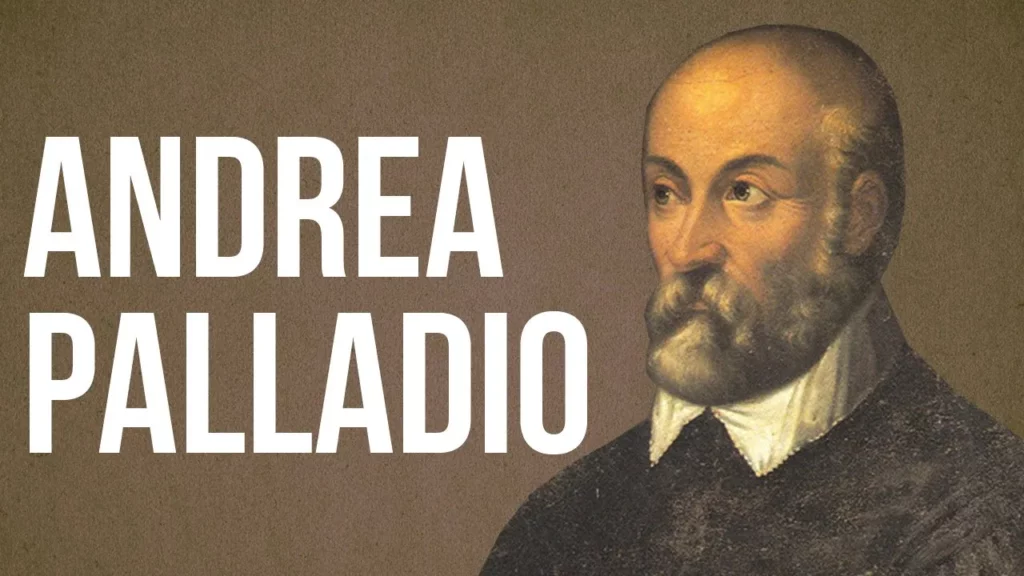
The lesson explores the architectural legacy of Andrea Palladio, a pivotal figure in the history of architecture, particularly noted for his work in Vicenza. It highlights Palladio’s innovative philosophy that architecture should promote calmness, harmony, and dignity, emphasizing simplicity and proportion in design. His influential publication, “The Four Books on Architecture,” and the enduring impact of his principles continue to inspire architects and shape architectural practices worldwide.
Why You Should Read Self-help Books

The lesson argues for the recognition and appreciation of self-help books, which are often dismissed by intellectual circles despite their popularity and potential for emotional education. It highlights the historical significance of self-help literature, tracing its roots to respected works by ancient philosophers, and calls for a reevaluation of the genre as a valuable source of wisdom and guidance, akin to classic literary masterpieces. Ultimately, the lesson advocates for elevating self-help literature to its rightful place within the literary canon, acknowledging its role in fostering emotional intelligence and personal growth.
You NEED to know this about State Broadcasters…

The lesson emphasizes the crucial role of state broadcasters in addressing national psychological issues by leveraging their unique position to influence public mentality through engaging content. It critiques traditional government approaches to social problems, highlighting their limitations, and advocates for a redefined mission for state broadcasters to tackle pressing societal challenges creatively. By utilizing psychological principles in media, state broadcasters can effectively promote positive change and improve societal well-being.
How to Handle Sulkers

The lesson on sulking in relationships highlights how this behavior often stems from unexpressed disappointment and silent expectations, leading to confusion and communication breakdowns between partners. It emphasizes the importance of open communication, encouraging couples to articulate their feelings and needs rather than relying on unspoken understanding. By addressing the roots of sulking and fostering dialogue, couples can transform these challenging moments into opportunities for growth and deeper intimacy.
If Your Parents Didn’t Listen to You Properly…

The lesson emphasizes the critical role of listening to children in fostering their emotional intelligence and self-esteem, which are essential for their personal growth and healthy relationships. It highlights the challenges parents face in truly hearing their children, often due to their own suppressed emotions and identities, and discusses the detrimental effects of non-listening, such as fragmented personalities in children. Ultimately, the lesson advocates for empathetic listening as a means to validate children’s experiences and support their development into confident adults.
The Ancient Origin of Cancellation
The lesson emphasizes the importance of understanding reputation through the lenses of Stoicism and modern psychotherapy. Stoic philosophy teaches that while we cannot control how others perceive us, we can focus on cultivating a strong self-perception, which serves as a defense against external judgment. Modern psychotherapy complements this by highlighting how past experiences shape our self-image, encouraging us to overcome negative biases and develop a secure sense of self, ultimately allowing us to navigate reputation-related anxieties with confidence.