
Good and Bad Childhoods
The lesson emphasizes the profound impact of childhood experiences on adult life, highlighting the contrasting effects of supportive versus challenging upbringings. Supportive environments foster emotional health, resilience, and healthy relationships, while adverse experiences can lead to long-term struggles with self-worth and relationships. The article also offers coping strategies for those with difficult childhoods, encouraging self-understanding, mindful responses, and open communication to facilitate healing and personal growth.
How to Overcome Shyness
The lesson on “Understanding Shyness: Beyond the Surface” delves into the complex nature of shyness, revealing that it stems from deep-seated self-doubt and a distorted self-image rather than merely a lack of confidence. It emphasizes the importance of addressing these underlying issues through self-reflection, cognitive restructuring, gradual exposure to social situations, mindfulness, and seeking support, ultimately advocating for a healthier self-perception to foster more fulfilling social interactions.
Why We Love to Blame Our Partners
The lesson explores the intricate dynamics of blame in relationships, highlighting how it often stems from deep emotional bonds and unrealistic expectations placed on partners. While blaming can lead to misunderstandings, it also reflects a level of intimacy and trust that allows individuals to express their frustrations. By recognizing the roots of blame and fostering open communication, couples can transform conflicts into opportunities for growth and strengthen their connection.
The Point of Travel
The lesson emphasizes the transformative power of travel as a means of personal growth and inner development, rather than merely a break from routine. By viewing travel as a therapeutic journey, individuals can select destinations that foster reflection and cultivate desired qualities, ultimately leading to a deeper understanding of themselves and their place in the world. Embracing a conscious and ambitious approach to travel allows us to evolve and enrich both our lives and the lives of those around us.
Why We Are All Addicts
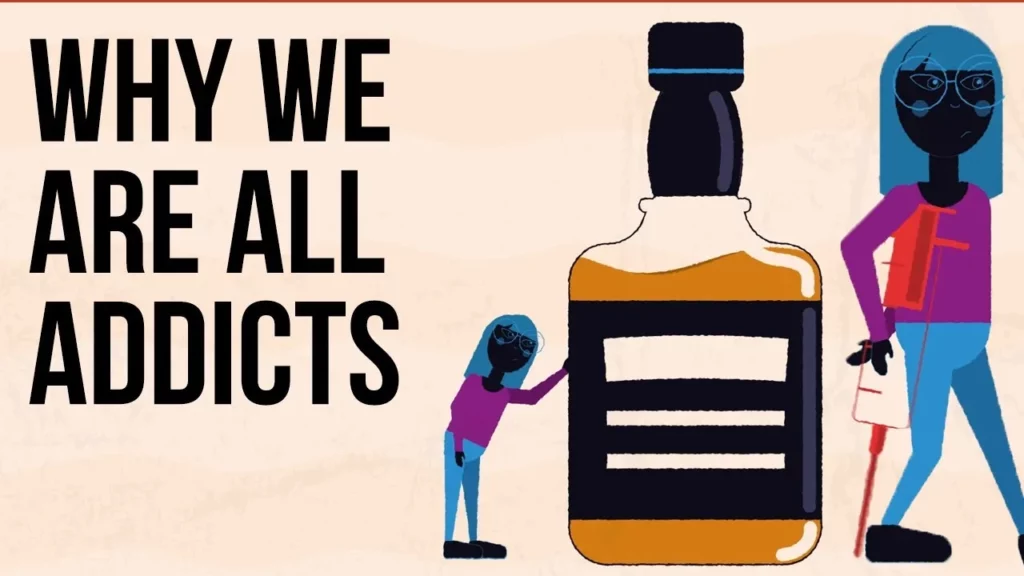
The lesson “Understanding Addiction: Beyond the Stereotypes” emphasizes that addiction is not solely about substances like drugs or alcohol, but rather a coping mechanism for managing difficult emotions and thoughts. It highlights the importance of recognizing the broader spectrum of addictive behaviors, including seemingly harmless activities, and advocates for a compassionate approach to support individuals struggling with addiction. By fostering empathy and encouraging self-reflection, we can help address the root causes of addiction and promote healthier coping strategies in a complex modern world.
Misemployment
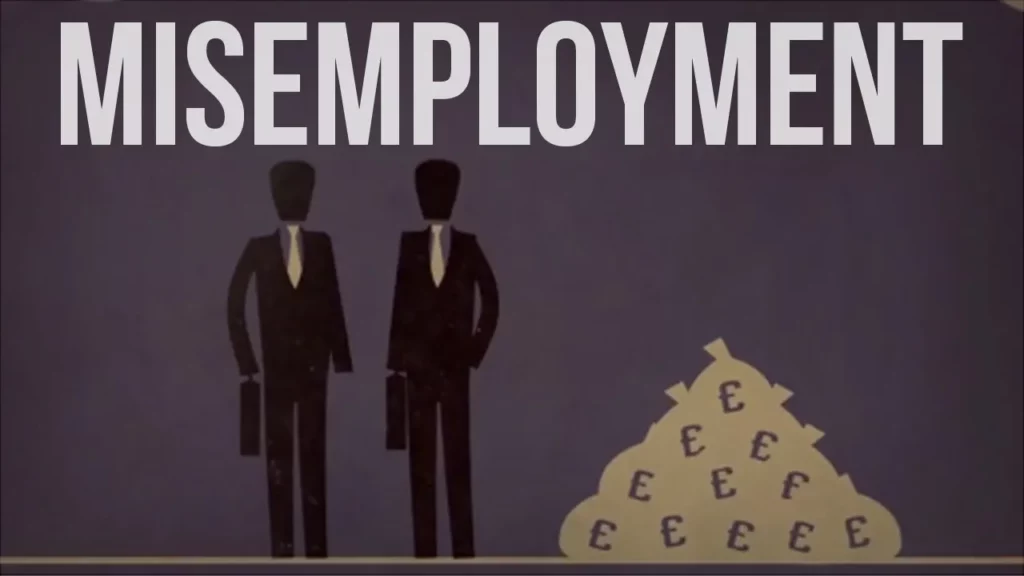
The lesson explores the complexities of employment and misemployment, highlighting that while lower unemployment rates are often viewed positively, many jobs may not contribute meaningfully to society. Misemployment refers to jobs that fulfill superficial needs or support harmful industries, which can detract from overall societal well-being. To foster a healthier economy, it is essential to prioritize meaningful employment that enhances human welfare, necessitating a shift in focus from mere job creation to the quality and purpose of work.
How Death Can Set You Free…
The lesson emphasizes the significance of living with gratitude and purpose, highlighting the fragility of life and the importance of appreciating each moment. By cultivating gratitude through daily reflection, expressing appreciation, and engaging in mindful living, individuals can enhance their well-being and enrich their experiences. Ultimately, living intentionally and prioritizing meaningful relationships and passions allows us to face life’s end with fewer regrets and a deeper sense of fulfillment.
Why We Are Mean to Those We Love
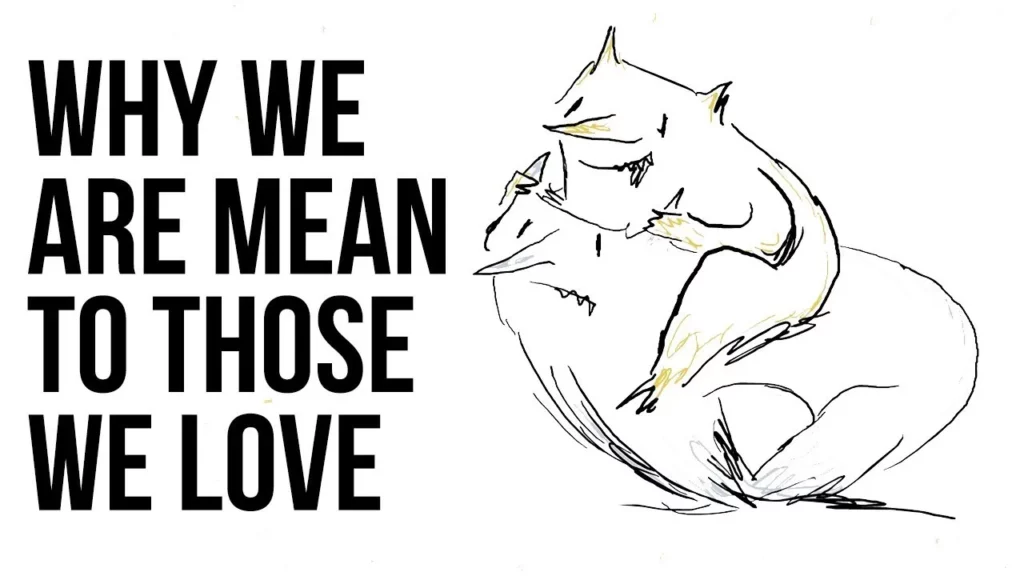
The lesson on “Understanding the Dynamics of Love and Relationships” explores the complexities of romantic partnerships, highlighting how high expectations and emotional investments can lead to misunderstandings and conflicts. It emphasizes the importance of empathy, open communication, and recognizing our own complexities to foster healthier relationships. By shifting our perspective to blame the challenges rather than our partners, we can cultivate more fulfilling and harmonious connections.
You Still Have a Chance to Be Very Original
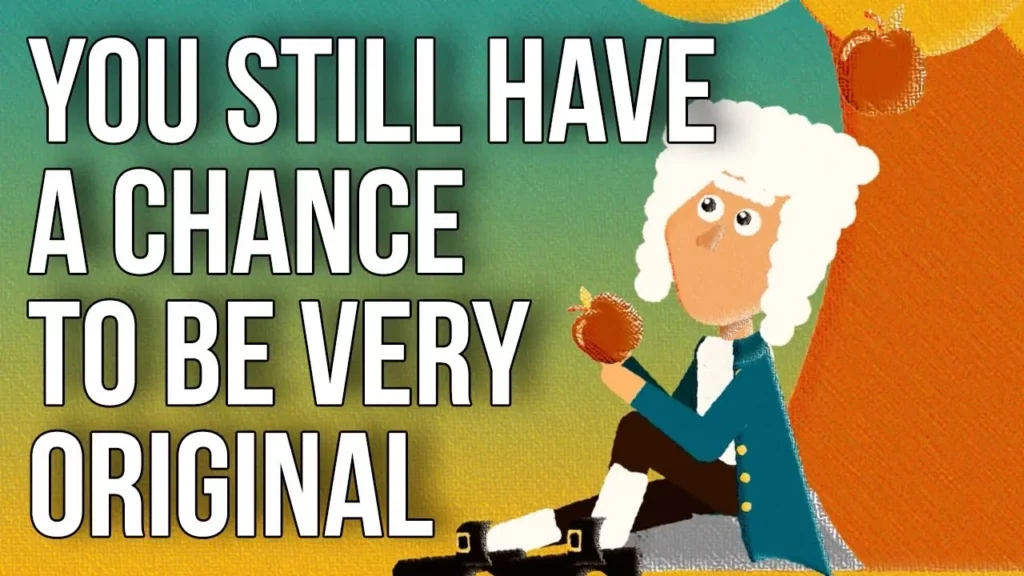
The lesson emphasizes the importance of recognizing and valuing the personal insights that reside within each individual, rather than solely relying on external sources of knowledge like libraries. It encourages self-reflection, confidence in one’s ideas, and creative exploration, suggesting that everyone has the potential to contribute unique perspectives to the world. By embracing our internal knowledge, we can unlock our creative potential and realize that the thoughts of great thinkers are often reflections of our own overlooked insights.
How Not to Break Up With Someone
The lesson emphasizes the complexities of romantic relationships, highlighting the importance of effective communication and understanding emotional nuances. It discusses how to navigate challenges by fostering open dialogue, balancing romantic ideals with practical realities, and coping with changes in feelings. Ultimately, the lesson underscores that every relationship is unique and requires effort, empathy, and mutual understanding to thrive.