
The Untapped Power Of Psychedelic Therapy
The lesson explores the emerging field of psychedelic therapy, particularly focusing on substances like MDMA, which show promise in addressing mental health issues by facilitating deeper emotional exploration and self-reflection. Unlike traditional psychotherapy, which can be hindered by patients’ reluctance to confront difficult emotions, psychedelic therapy creates a supportive environment that encourages openness and insight. As research progresses and legal barriers are reevaluated, this innovative approach could transform mental health treatment, offering new hope for those dealing with trauma and psychological distress.
On Feeling Painfully Different #short #individual #different
The lesson emphasizes the dual nature of individuality, highlighting both the celebration of uniqueness and the potential feelings of loneliness that can accompany it. While standing out can foster creativity and personal growth, it may also lead to isolation; thus, building connections and practicing empathy are essential for creating supportive communities. Ultimately, embracing our differences can transform feelings of loneliness into strengths that enrich human diversity.
Van Gogh As a Guide to Confidence
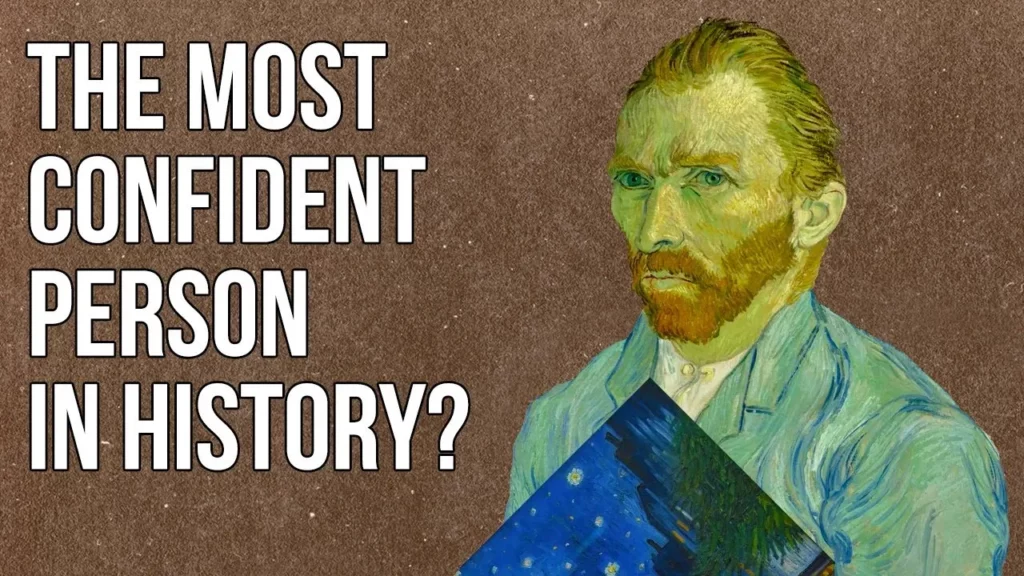
The lesson on Vincent van Gogh emphasizes the importance of recognizing and valuing individuality and creativity, even when they go unappreciated by society. Van Gogh’s struggles highlight how human nature often leads to conformity and the overlooking of true genius, reminding us that many great thinkers and artists were initially misunderstood. Ultimately, the lesson encourages perseverance, self-belief, and the courage to follow one’s passions despite societal indifference.
How to Make an Attractive City

The lesson on “The Science of Beautiful Cities” emphasizes the importance of balancing order and chaos, fostering visible life, and promoting compactness in urban design to create aesthetically pleasing and functional cities. It highlights the significance of human-centric design, local character, and sustainable practices, while also addressing the intellectual and political challenges that hinder the creation of beautiful urban environments. By applying these principles, cities can enhance their vibrancy and quality of life for residents.
On Feeling Ugly

The lesson “Understanding Self-Perception: The Mirror’s Reflection” explores the complex relationship between our self-image and our mood, emphasizing that feelings of unattractiveness often stem from internal insecurities rather than actual appearance. It highlights the importance of external validation and support in overcoming self-doubt, while also advocating for the development of confidence as a learnable skill through tools and techniques. Ultimately, the lesson encourages embracing a positive self-image by recognizing the subjective nature of beauty and fostering self-compassion.
Are You A Sleazebag?

The lesson explores the significance of daydreams and erotic fantasies in navigating human desires and reality, emphasizing that these thoughts are a natural and healthy part of life. Rather than being harmful or inappropriate, daydreams serve as a coping mechanism, allowing individuals to explore their emotions and desires without acting on them. By recognizing the value of these fantasies, we can better understand ourselves and our relationships, ultimately appreciating the complexity of human attraction.
POLITICAL THEORY – Karl Marx

The lesson emphasizes the importance of reassessing Karl Marx’s critiques of capitalism in light of modern economic challenges. It highlights key concepts such as alienation in work, employment insecurity, wage disparities, and economic instability, all of which remain relevant today. By revisiting Marx’s insights, we can better understand the systemic issues within our economic systems and explore reforms that prioritize human well-being over profit.
There is no Safety

The lesson emphasizes that while humans instinctively seek safety through various means, life’s inherent unpredictability reveals our vulnerability. Acknowledging the fragility of existence encourages us to embrace our vulnerabilities, build resilience, and cultivate a mindset of gratitude and preparedness. Ultimately, by accepting the limits of our control and fostering kindness, we can navigate life’s uncertainties with greater courage and grace.
The Uses of Envy
The lesson “Understanding Envy: A Path to Self-Discovery” emphasizes that envy, often viewed negatively, can serve as a valuable tool for personal growth and self-awareness. By examining our feelings of envy rather than suppressing them, we can uncover insights about our true desires and aspirations, ultimately transforming these emotions into actionable goals. The lesson encourages practices such as keeping an “envy diary,” self-reflection, and gratitude to harness the positive aspects of envy and foster a more fulfilling life.
HISTORY OF IDEAS – Modernity
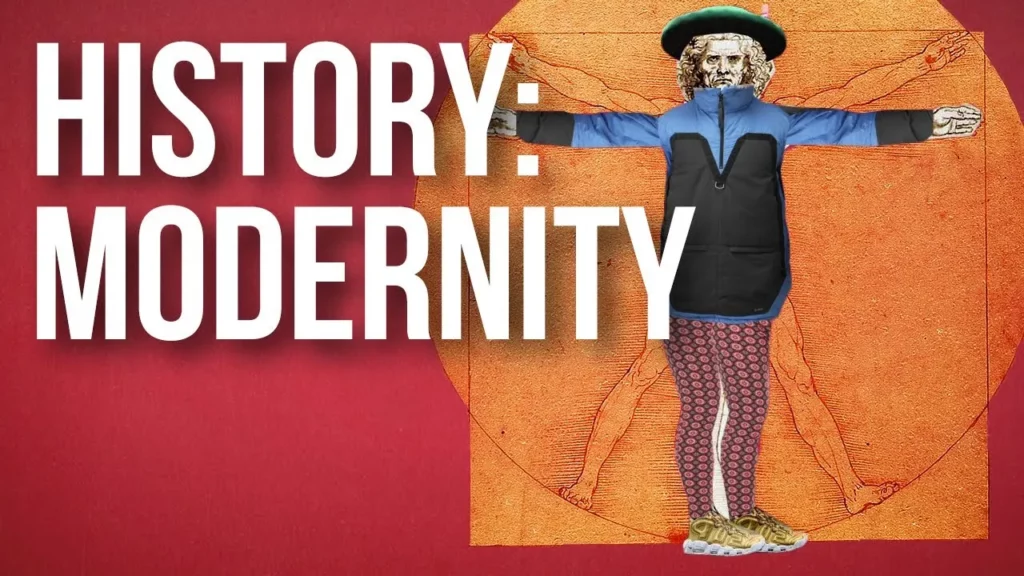
The lesson on “Understanding Modernity: A Journey Through Time and Consciousness” explores the transformative impact of modernity since the mid-18th century, highlighting shifts in perception, identity, and societal structures. It emphasizes the transition from cyclical to linear time, the rise of individualism, urbanization, and the acceleration of life, while also addressing the emotional toll and challenges that accompany these changes. Ultimately, the lesson advocates for recognizing the complexities of modern life and integrating meaningful practices to foster balance and fulfillment amidst rapid social evolution.