
What True Love Really Is

The lesson emphasizes that the world’s challenges stem from a fundamental misunderstanding of love, which is often romanticized rather than deeply understood. It advocates for a new philosophy of love that incorporates essential elements such as charity, imagination, kindness, forgiveness, loyalty, generosity, and patience, urging individuals to embrace these principles as a guiding force in their lives. By doing so, we can foster a more compassionate and humane society, transcending traditional notions of love to create a better world.
How to Stop Being a People Pleaser
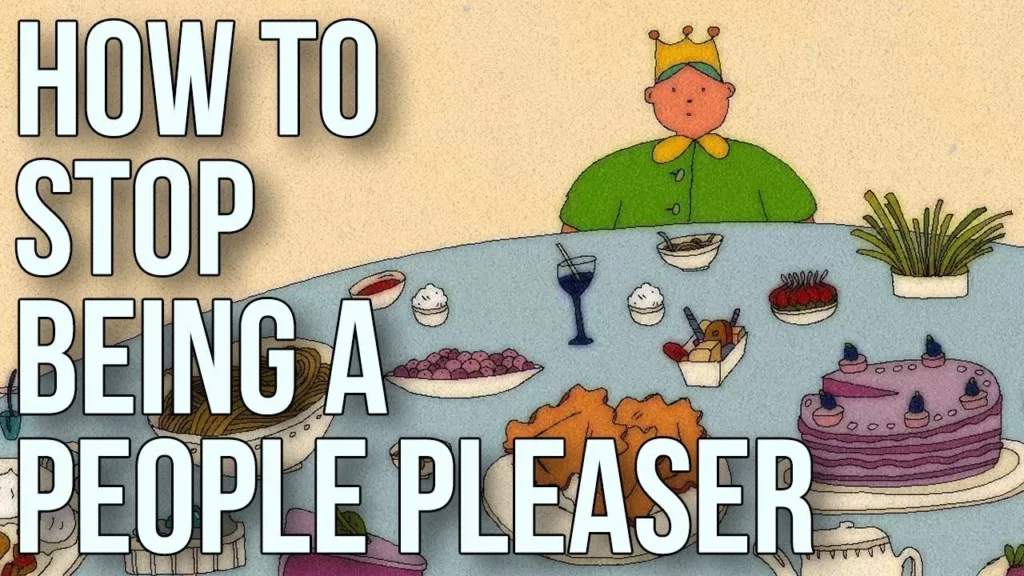
The lesson on “Understanding the People Pleaser” delves into the complexities of people-pleasing behavior, highlighting its origins in childhood experiences and the emotional toll it takes on individuals. It emphasizes the importance of recognizing the differences in adult relationships, acknowledging the harmful effects of not expressing true feelings, and developing effective communication skills to foster healthier, more authentic connections. By understanding these dynamics, individuals can work towards breaking free from people-pleasing patterns and enhancing their personal growth.
One Key Question to Liberate Yourself From Childhood
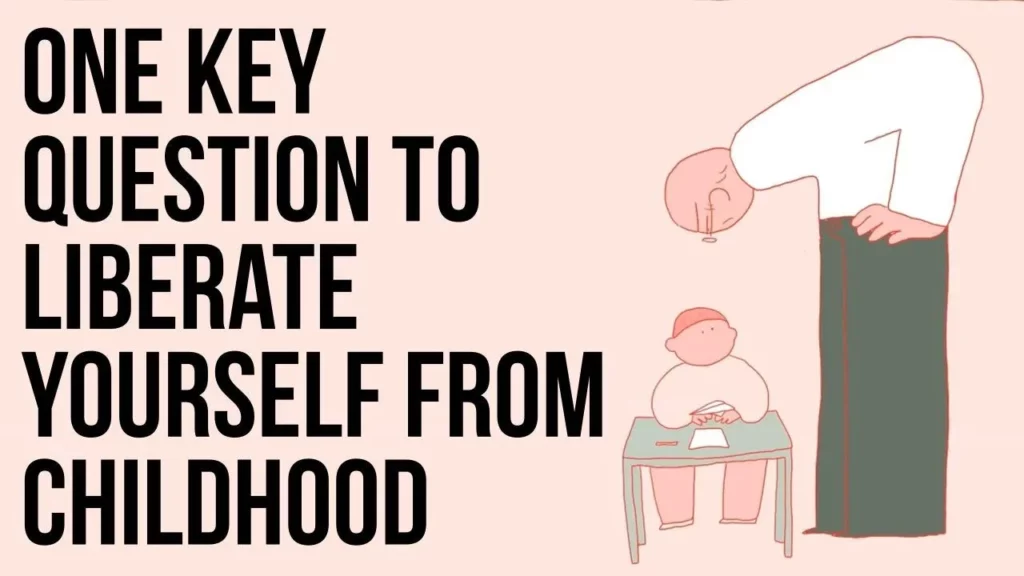
The lesson emphasizes the importance of exploring childhood experiences in modern psychotherapy to understand and heal from current psychological issues, despite the challenge of childhood amnesia, which limits access to early memories. By focusing on present behaviors, fears, and anxieties, individuals can uncover the influences of their past and use self-reflection as a tool for recovery. Ultimately, this process of revisiting the past with patience and courage can lead to a deeper understanding of oneself and a more liberated future.
Intimacy and Closeness
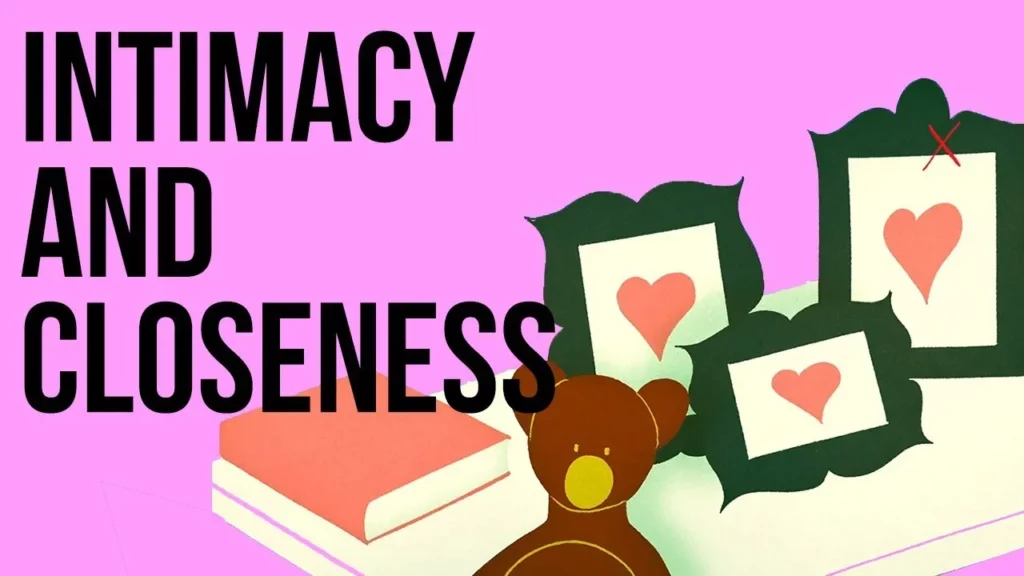
The lesson explores the paradox of love and desire in romantic relationships, highlighting how deep emotional connections can sometimes diminish sexual intimacy, while new encounters can ignite strong desires. Drawing on Freud’s insights, it discusses the impact of childhood influences and the incest taboo on adult relationships, emphasizing the importance of understanding and accepting the coexistence of love and sexual desire. Ultimately, it encourages individuals to embrace diverse roles within their relationships to foster a more fulfilling romantic life.
What Is “Trauma” – and How to Cope With It
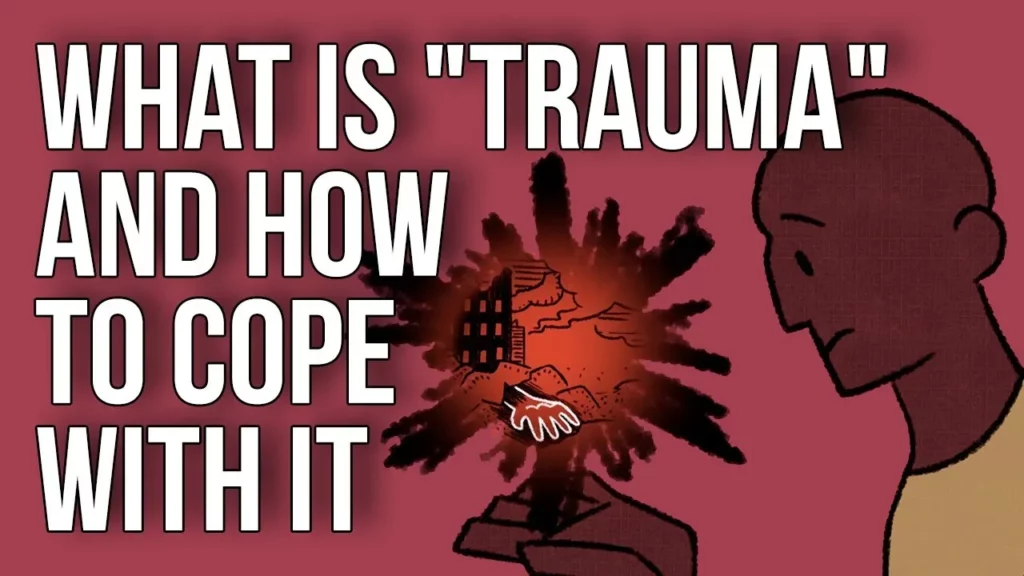
The lesson emphasizes that trauma is not merely a distressing event but rather an unprocessed experience that continues to affect an individual’s life. It highlights how trauma can arise from both extreme situations, like war, and seemingly benign environments, such as a child’s interaction with a volatile parent. Healing from trauma involves recognizing its origins, rationally examining the memories, and reframing experiences to reduce their emotional impact, ultimately allowing individuals to reclaim their lives from the shadows of past events.
How to Start a Business

The lesson emphasizes that entrepreneurship extends beyond technological innovation, highlighting the significance of traditional industries and passion-driven businesses. It distinguishes between pragmatic businesses, which prioritize profit, and businesses of love, which focus on quality and personal fulfillment. Aspiring entrepreneurs are encouraged to enter mature sectors with a commitment to excellence, demonstrating that meaningful impact can be achieved through dedication and authenticity rather than solely through groundbreaking inventions.
Why We Pick Our Skin
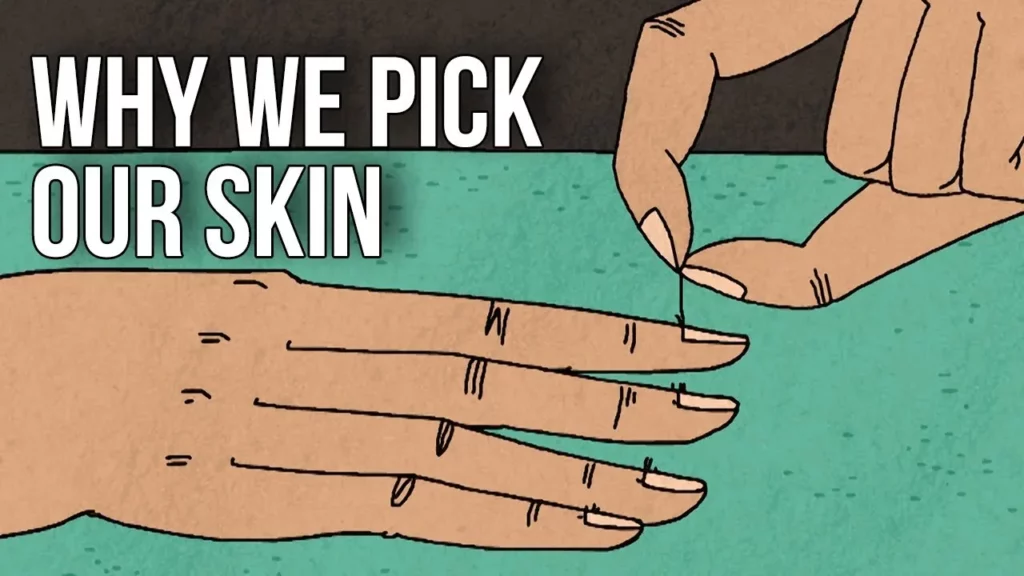
The lesson on dermatillomania highlights the psychological condition characterized by compulsive skin picking, often linked to anxiety and self-soothing behaviors. It emphasizes the importance of understanding the emotional roots of this behavior, including early experiences of neglect and lack of support, and outlines pathways to healing through emotional awareness, therapeutic interventions, and the cultivation of self-compassion. Ultimately, the lesson underscores the need for compassionate support to help individuals manage their anxiety and break the cycle of self-loathing associated with dermatillomania.
Why We Worry All the Time and How to Cope
The lesson on “Understanding and Managing Worry” explores the pervasive nature of worry in our lives, particularly through the lens of Donald Winnicott’s insights. It emphasizes that many of our worries are rooted in unresolved childhood traumas rather than solely future concerns, and offers strategies such as reflecting on past experiences, developing coping skills, and embracing adult agency to manage these feelings effectively. By recognizing the origins of our worries and empowering ourselves, we can approach life with greater resilience and confidence.
How To Be Confident
The lesson emphasizes that true self-confidence stems from embracing our inherent foolishness rather than solely focusing on our strengths. By acknowledging our vulnerabilities and accepting that mistakes are a natural part of life, we can overcome the fear of looking foolish, which often holds us back from seizing opportunities. Ultimately, embracing our imperfections allows us to take risks and engage more fully with life, leading to greater confidence and fulfillment.
PHILOSOPHY – The Stoics

The lesson on Stoicism explores this ancient philosophy’s relevance in achieving inner peace and resilience amidst life’s challenges. It emphasizes practical strategies for managing emotions such as anxiety and anger, encouraging individuals to confront fears, adjust expectations, and accept the inevitability of death. Through the teachings of key philosophers like Seneca and Marcus Aurelius, Stoicism offers timeless wisdom for living a virtuous life in harmony with nature.