
Why Introspection Matters

The lesson emphasizes the significance of self-knowledge in personal growth, illustrated through the allegorical tale of “Androcles and the Lion.” The story highlights how understanding our inner struggles, represented by the lion’s thorn, can lead to healing and improved relationships, while also cautioning against misdiagnosing our distress and ignoring emotional pain. By cultivating self-awareness through reflective practices, mindfulness, and open communication, we can navigate our inner challenges and live more fulfilling lives.
The Worst and Best Ways to Tell Someone It’s Over

The lesson on “The Art of Mature Breakups” emphasizes the importance of handling breakups with emotional intelligence and compassion to mitigate heartache. Key strategies include making timely decisions, communicating clearly without unnecessary blame, and acknowledging personal flaws, all of which contribute to a more respectful and constructive ending. By embracing these principles, individuals can transform the painful experience of a breakup into an opportunity for personal growth and resilience.
How to Make Love Last Forever

The lesson on “Understanding the Dynamics of Relationship Enthusiasm” emphasizes that the initial excitement in relationships can diminish due to unprocessed anger and the accumulation of minor disappointments. It highlights the importance of open communication, where partners regularly express their feelings and grievances, no matter how small, to prevent resentment and maintain admiration for one another. By addressing these issues honestly, couples can preserve the love and appreciation that initially drew them together.
Thoreau and Civil Disobedience
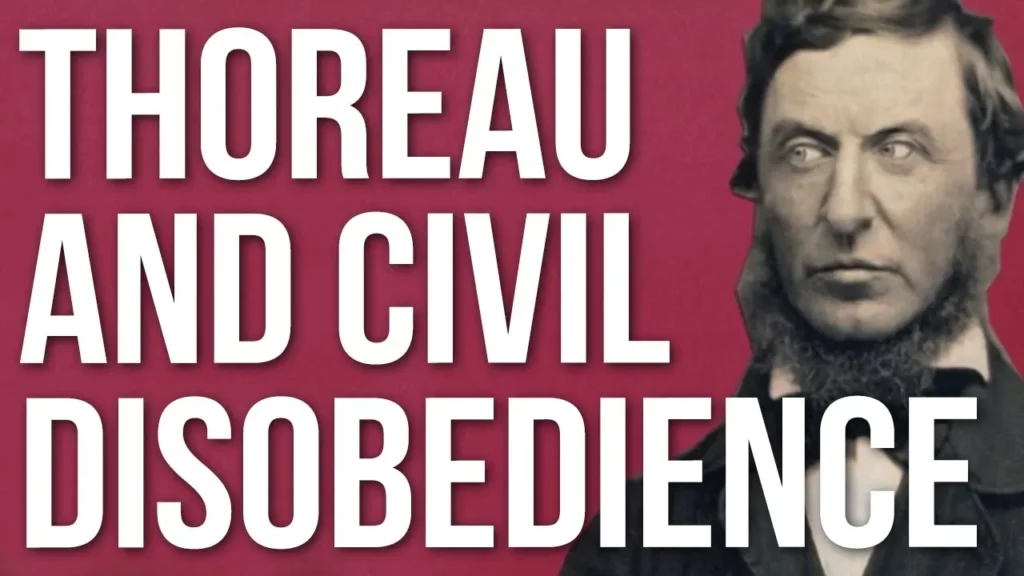
The lesson discusses Henry David Thoreau’s critique of President James K. Polk’s policies, particularly regarding the Mexican-American War and slavery, which prompted Thoreau to write his influential essay “Civil Disobedience.” Thoreau argued that true patriotism involves following one’s conscience rather than blindly obeying the government, advocating for non-violent resistance against unjust laws, exemplified by his refusal to pay taxes. His ideas on civil disobedience have inspired many future activists, emphasizing the importance of individual conscience in the face of injustice.
How to Test Your Emotional Maturity
The lesson on emotional maturity emphasizes the distinction between physical aging and emotional growth, highlighting that emotional maturity is not automatically attained with age. It outlines common immature reactions to emotional disappointment, such as sulking, excessive anger, and coldness, while contrasting these with the traits of emotional maturity: the ability to communicate feelings, maintain composure, and embrace vulnerability. Ultimately, the lesson encourages individuals to actively develop emotional maturity through self-awareness and the cultivation of key virtues, leading to healthier relationships and personal growth.
Why We’re Fated to be Lonely

The lesson explores loneliness as a complex and natural aspect of the human experience, often misunderstood and stigmatized. It emphasizes that loneliness arises from the gap between our inner thoughts and societal expectations, and while it can lead to feelings of isolation, it also offers opportunities for creativity and deeper self-reflection. By embracing loneliness, individuals can cultivate a richer understanding of themselves and prepare for more meaningful connections with others.
EASTERN PHILOSOPHY – Lao Tzu
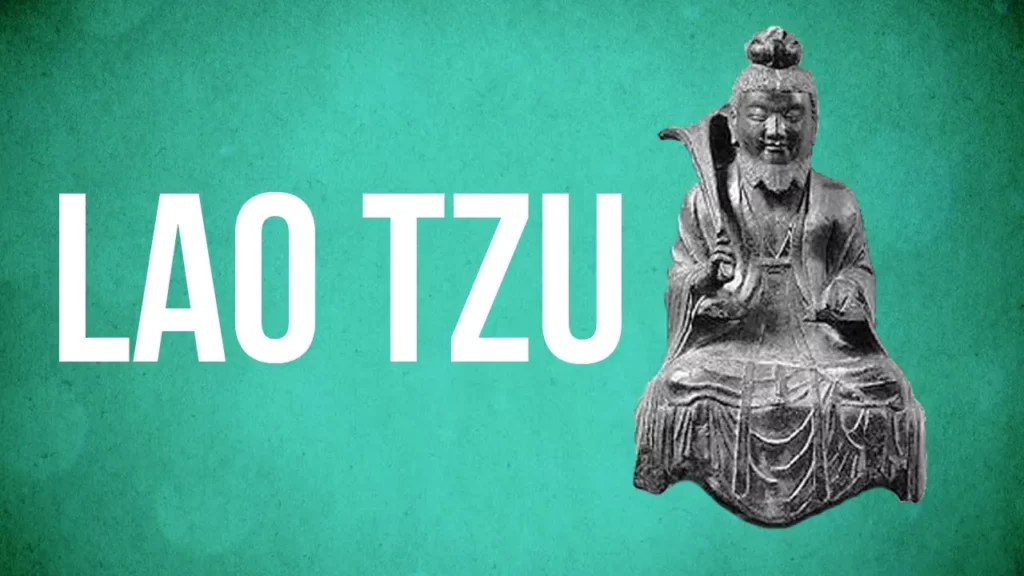
The lesson explores the enigmatic figure of Lao Tzu, the foundational philosopher of Daoism, whose life and teachings are steeped in mystery and legend. Central to his philosophy is the “Tao Te Ching,” which emphasizes living in harmony with the Dao through simplicity, stillness, and an appreciation for nature, offering timeless wisdom that remains relevant in today’s fast-paced world. Lao Tzu’s insights encourage individuals to embrace openness and self-discovery, fostering a deeper connection with themselves and the universe.
Criticism when you’ve had a bad childhood
The lesson explores how childhood experiences significantly shape our responses to criticism, highlighting that a nurturing environment fosters resilience, while a lack of emotional support can lead to fragile self-esteem. It emphasizes the importance of understanding the roots of our sensitivity to criticism and offers strategies for managing its effects, such as seeking support, healing past wounds, and building confidence. Ultimately, the lesson encourages self-awareness and the development of constructive coping mechanisms to navigate criticism more effectively.
How To Simplify Your Life

The lesson emphasizes the importance of simplicity and rest in our lives, drawing parallels between the needs of babies and adults. Just as babies require downtime to process their experiences, adults often overlook their own need for rest amidst the chaos of modern life, leading to overstimulation and anxiety. By prioritizing simplicity, reflection, and even a digital detox, we can cultivate mental well-being and redefine what truly matters in our pursuit of happiness.
Acceptance and Mental Health
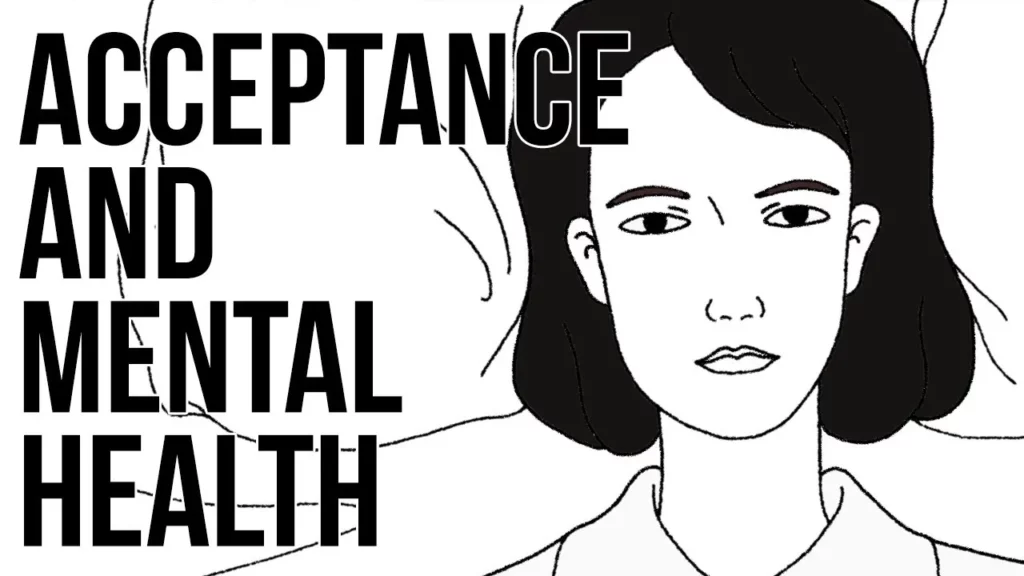
The lesson emphasizes the importance of embracing mental illness as a natural aspect of the human experience rather than viewing it as a source of shame or fear. By adopting a philosophy of acceptance and celebrating imperfections, individuals can navigate their mental health challenges with dignity and courage, ultimately leading to a more authentic and fulfilling life. The lesson also highlights the significance of normalizing mental struggles and recognizing that everyone faces difficulties, fostering a sense of shared humanity and resilience.