
Why We Go Cold On Our Partners
The lesson on “Understanding Emotional Coldness in Relationships” explores the reasons behind the emotional detachment that can develop over time in romantic partnerships. It emphasizes that this coldness often stems from unresolved emotional distress rather than mere boredom, highlighting the importance of recognizing the vulnerable aspects of oneself in love. To rekindle connection, couples are encouraged to engage in open communication, active listening, and regular emotional check-ins, fostering a supportive environment that addresses each partner’s sensitivities.
Why We Behave As We Do
The lesson emphasizes the importance of adaptation in both the animal kingdom and human behavior, illustrating how species develop specific traits to thrive in their environments. By examining examples such as the nocturnal owl, camouflaged stick insect, and collaborative African wild dog, the article highlights how these adaptations inform our understanding of human behaviors shaped by social environments. Ultimately, it encourages individuals to reassess and evolve their behaviors in response to changing circumstances for improved relationships and personal fulfillment.
How to Overcome Shyness
The lesson emphasizes that shyness is not an inherent personality trait but a mindset shaped by our interpretations of others and societal influences. By exploring the origins of shyness and adopting a psychological cosmopolitanism—a perspective that recognizes our shared humanity despite superficial differences—individuals can overcome their inhibitions and foster deeper connections with others. Ultimately, embracing this inclusive worldview allows for richer interpersonal relationships and a more open engagement with the diverse world around us.
Colons and Semicolons
This lesson explores the distinct functions of colons and semicolons in writing, emphasizing their unique roles in enhancing clarity and connection between ideas. Colons serve to introduce lists, elaborate on statements, and highlight key phrases, while semicolons connect related independent clauses, allowing for a more nuanced relationship between thoughts. Mastering these punctuation marks can significantly enrich a writer’s prose, making it more engaging and sophisticated.
The One Question We Need to Ask Ourselves When We Feel Anxious
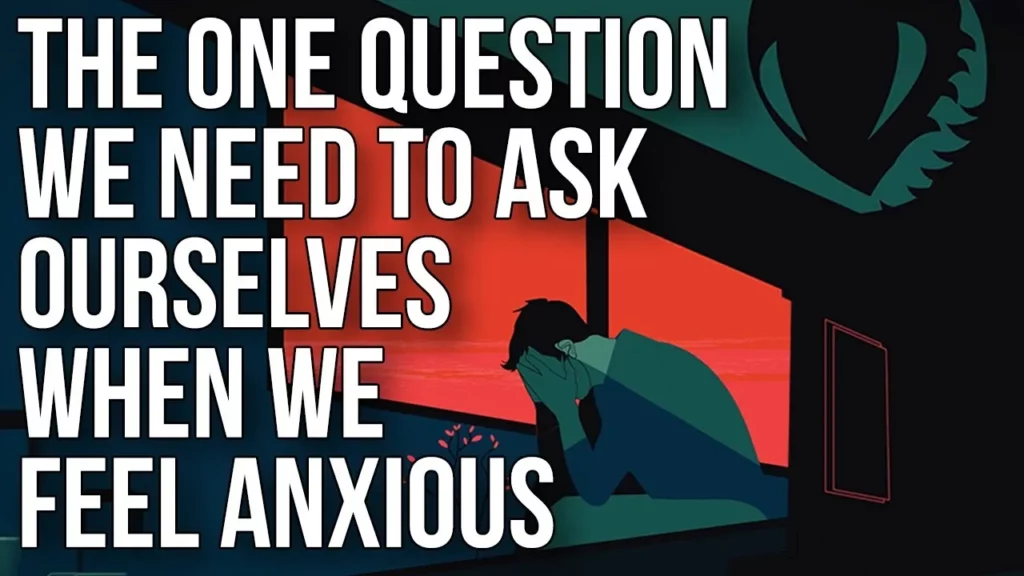
The lesson “Understanding Anxiety: A Path to Self-Discovery” explores the pervasive nature of anxiety, highlighting how it often obscures deeper emotional issues and prevents individuals from engaging with their true feelings. By encouraging self-reflection and the use of strategies such as mindfulness, journaling, therapy, and lifestyle changes, the lesson emphasizes the importance of identifying and addressing the root causes of anxiety to foster personal growth and self-awareness. Ultimately, confronting these underlying issues can lead to a more fulfilling and balanced life.
Of Course You’ve Messed Up
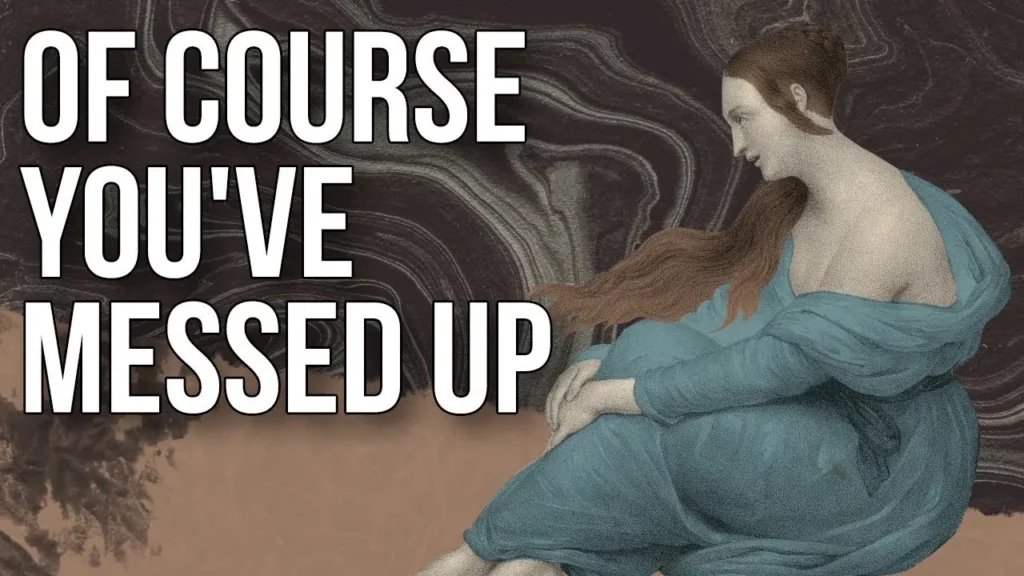
The lesson emphasizes the importance of reframing our perspective on failure, encouraging us to embrace setbacks as a natural part of life rather than a source of despair. By adopting attitudes of radical melancholy and defiant vulnerability, we can transform our narratives around failure, recognizing that our unique histories shape our experiences and mistakes. Ultimately, the lesson advocates for self-compassion and humor as essential tools for navigating life’s challenges, allowing us to celebrate our existence despite its inherent absurdities.
What is an Existential Crisis?
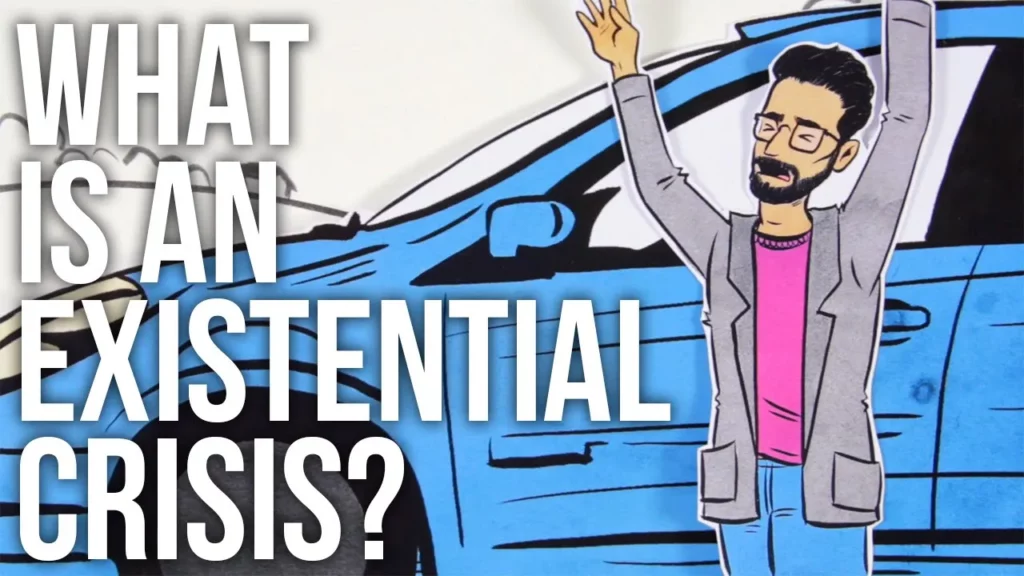
The lesson on “Understanding Existential Crises: Insights from Philosophy” explores the profound nature of existential crises through the lens of five key philosophers. It highlights that such crises involve questioning life’s meaning, grappling with freedom and responsibility, and confronting mortality, ultimately leading to personal growth and reflection. By embracing the insights of existentialism, individuals can navigate their struggles with greater understanding, recognizing that challenges and regrets are intrinsic to the human experience.
How To Choose A Partner Wisely
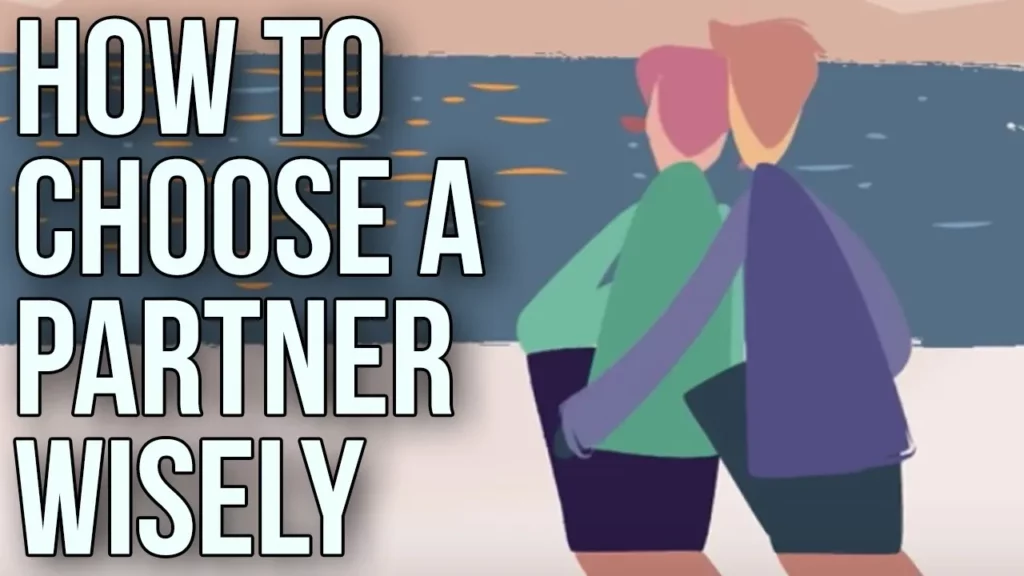
The lesson on “Understanding the Dynamics of Romantic Attraction” explores the complexities of love beyond the romanticized notion of simply trusting one’s feelings. It emphasizes that our attraction patterns are often shaped by childhood experiences, leading us to seek familiar, albeit potentially unhealthy, dynamics in adult relationships. By reflecting on these emotional legacies and recognizing the influence of our past, we can make more informed choices in love, ultimately fostering healthier and more fulfilling connections.
What is Emotional Intelligence?
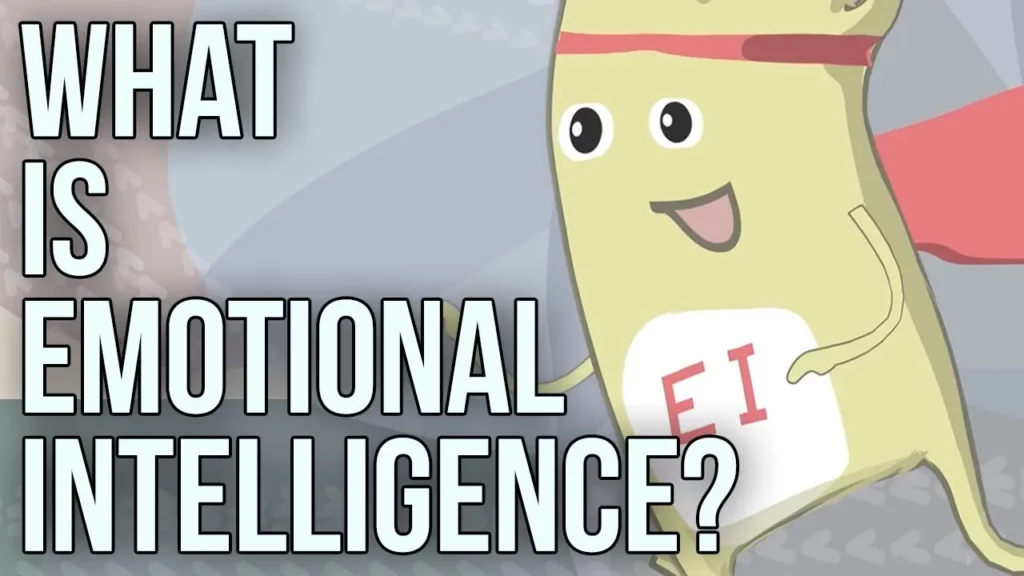
The lesson emphasizes the significance of emotional intelligence (EI) as a vital skill for managing personal and social relationships effectively. It outlines the key components of EI, such as self-awareness, self-regulation, motivation, empathy, and social skills, and highlights its importance in improving relationships, communication, decision-making, and resilience. Additionally, the lesson provides strategies for developing EI through self-reflection, mindfulness, empathy exercises, and emotional education, while also recognizing the role of culture in enhancing emotional understanding.
Why Touch Matters so Much in Love

The lesson emphasizes the significant emotional impact of a lack of physical touch in long-term relationships, highlighting how this absence can lead to feelings of rejection and loneliness. It encourages open communication between partners to express feelings of hurt and the need for physical connection, framing love as a skill that can be learned and nurtured. By addressing these issues with vulnerability and empathy, couples can strengthen their bond and enhance their emotional well-being.