
How to Get Out of a Despairing Mood
The lesson emphasizes the transformative power of imagination in overcoming life’s challenges and rebuilding our lives. It highlights how creative thinking allows us to envision new possibilities and navigate obstacles, encouraging us to embrace flexibility and adaptability. By nurturing our imaginative faculties through practical exercises, we can find fulfillment and resilience, even in difficult circumstances.
How to Cope When You’ve Been Left
The lesson explores the emotional turmoil of being left for someone else, emphasizing the pain of comparison and the illusion of perfection that often accompanies such experiences. It encourages individuals to recognize that everyone has flaws, including their ex-partner’s new lover, and highlights the importance of accepting imperfections in oneself and others to foster healthier relationships. Ultimately, the lesson advocates for resilience and a realistic perspective on love, suggesting that true fulfillment comes from finding a partner who embraces our flaws rather than idealizing us.
How Unloving Parents Generate Self-Hating Children
The lesson emphasizes the critical role of early childhood experiences in shaping emotional development and self-perception. It highlights how the presence or absence of parental love significantly influences a child’s ability to thrive and form healthy relationships, with emotional deprivation leading to long-lasting self-doubt and shame. By understanding these dynamics, individuals can work towards healing and improving their emotional well-being and interpersonal connections.
The Challenge of Being Close
The lesson emphasizes the importance of balancing independence and vulnerability in relationships to foster healthy connections. It highlights the challenges individuals face, such as avoidance and control, which often stem from fears rooted in past experiences. By promoting open communication and empathy, partners can overcome these barriers, leading to stronger, more fulfilling relationships.
Why Avoidant and Anxious Partners Find It Hard to Split Up

The lesson explores the complexities of the anxious-avoidant relationship dynamic, where an anxiously attached individual seeks closeness while their avoidant partner withdraws emotionally, leading to a cycle of dissatisfaction. It highlights the origins of these attachment styles, the predictable patterns of conflict, and the potential for breaking the cycle through awareness and understanding of attachment theory. By recognizing their behaviors and addressing their fears, both partners can work towards creating a healthier and more fulfilling relationship.
The Three Requirements of a Good Relationship
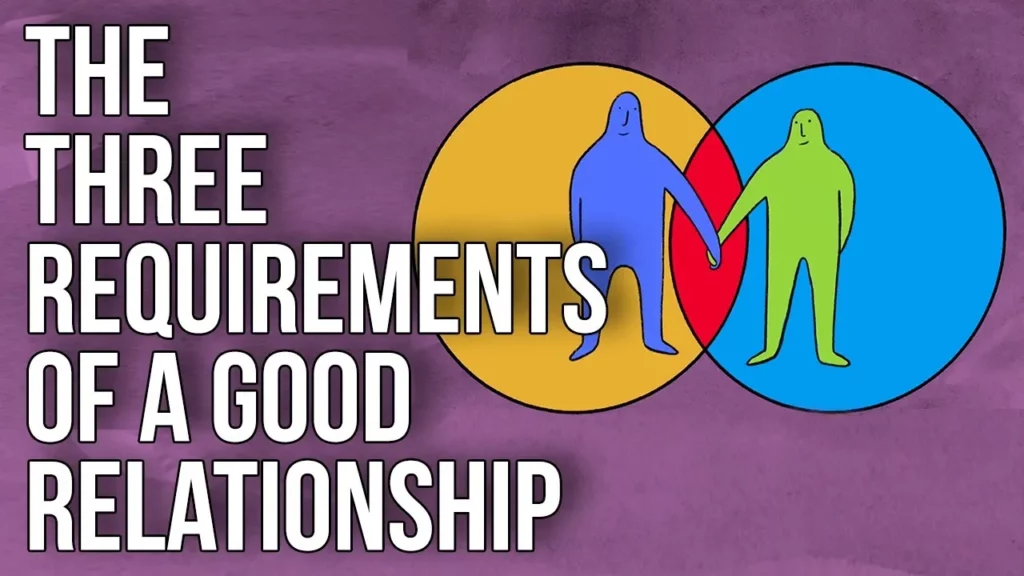
The lesson emphasizes the importance of rethinking relationship expectations by focusing on simplicity rather than societal ideals that often lead to frustration. By prioritizing kindness, shared vulnerability, and understanding, partners can cultivate deeper connections and find fulfillment, regardless of differences in lifestyle or opinions. Simplifying expectations allows individuals to navigate their relationships more effectively, leading to greater satisfaction and informed decisions about staying or leaving.
Self-Hatred & Anxiety
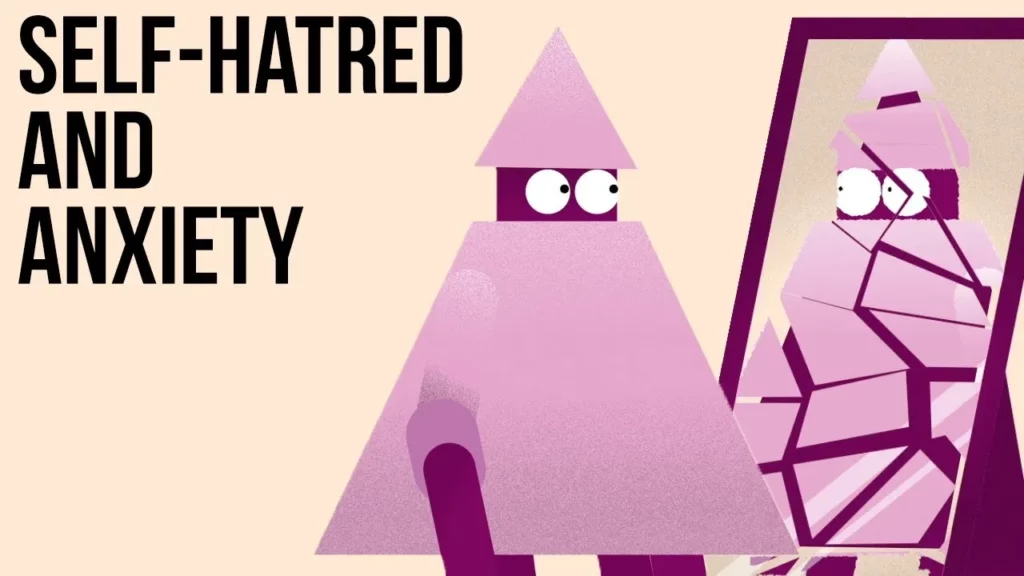
The lesson emphasizes that anxiety often stems from deeper psychological issues, particularly self-hatred and low self-esteem, rather than just external triggers. By recognizing and addressing these underlying feelings of unworthiness, individuals can break the cycle of anxiety and self-loathing. The path to healing involves cultivating self-love and compassion, rather than relying solely on logical reasoning to combat anxiety.
The Charms of Unavailable People

The lesson explores the paradox of unrequited love, highlighting how the allure of unattainable partners often intensifies our feelings, as these situations provide a sense of safety and control over vulnerability. It emphasizes the importance of recognizing patterns in our romantic inclinations and the true challenge of embracing relationships with available partners, which requires courage and a willingness to accept the complexities of mutual trust. Ultimately, the lesson advocates for shifting focus from impossible love to genuine connections, leading to more fulfilling and rewarding relationships.
Who Initiates Sex and why it Matters so Much

The lesson explores the emotional complexities of unreciprocated touch in relationships, highlighting how seemingly minor gestures can lead to significant misunderstandings and feelings of rejection. It emphasizes the importance of open communication and self-awareness in addressing these issues, encouraging couples to discuss their feelings and assumptions to foster stronger connections. By promoting self-love and effective dialogue, partners can navigate the challenges of unreciprocated touch and enhance their relationship dynamics.
Higher Consciousness
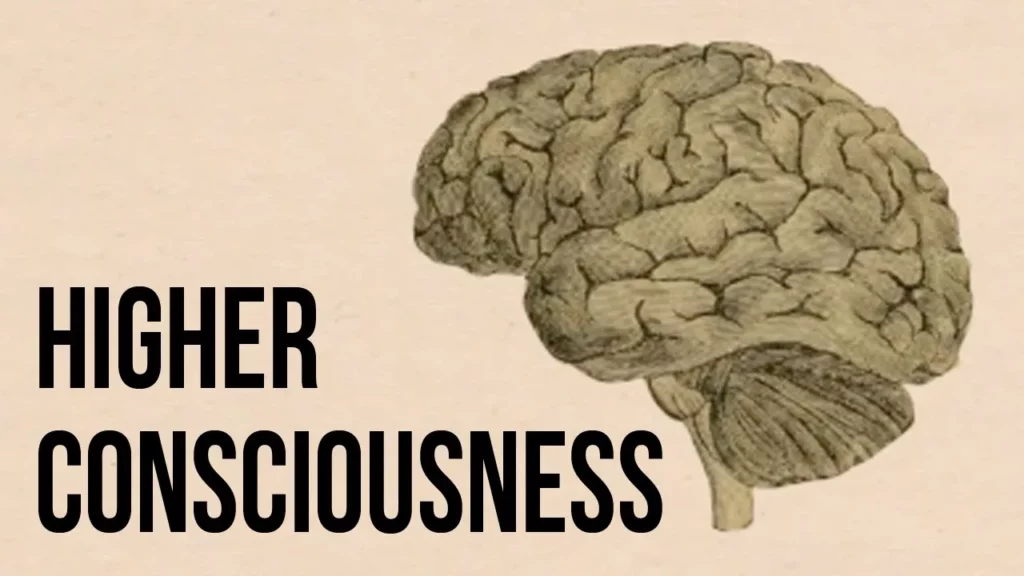
The lesson “Exploring Higher Consciousness: A Secular Approach” examines the concept of higher consciousness, traditionally linked to spirituality, through a rational lens. It highlights the distinction between lower and higher consciousness, emphasizing how the latter fosters empathy, understanding, and a broader perspective on life, while also acknowledging its temporary nature. By engaging in practices like mindfulness and meditation, individuals can intentionally cultivate moments of higher consciousness, leading to a more fulfilling and compassionate existence.