
Why We Should Be ‘Babyish’ in Love

The lesson emphasizes that while adult relationships are built on commitment and maturity, they also thrive on the playful innocence reminiscent of childhood. Embracing playfulness fosters vulnerability and authenticity, allowing partners to connect more deeply and express their emotions freely. By nurturing our inner child, we can enhance empathy and understanding in our relationships, ultimately enriching our adult lives.
How to be an Entrepreneur

The lesson emphasizes that successful entrepreneurship goes beyond practical tasks and requires a deep understanding of human unhappiness. By reflecting on personal experiences of distress and identifying common challenges faced by others—such as relationship issues, parenting struggles, and mental health concerns—aspiring entrepreneurs can uncover innovative business opportunities. Ultimately, recognizing and addressing these emotional complexities can lead to ventures that not only achieve financial success but also positively impact society.
The Number One Rule for Healthy Relationships
The lesson emphasizes that honest communication is essential for maintaining healthy relationships, as it fosters understanding and connection between partners. It highlights the challenges individuals face in expressing their true feelings and offers practical strategies, such as reframing statements and practicing empathy, to enhance communication. By prioritizing kindness and emotional honesty, couples can bridge the gap between their emotions and words, leading to deeper connections and more fulfilling partnerships.
The Problem With Perfectionism
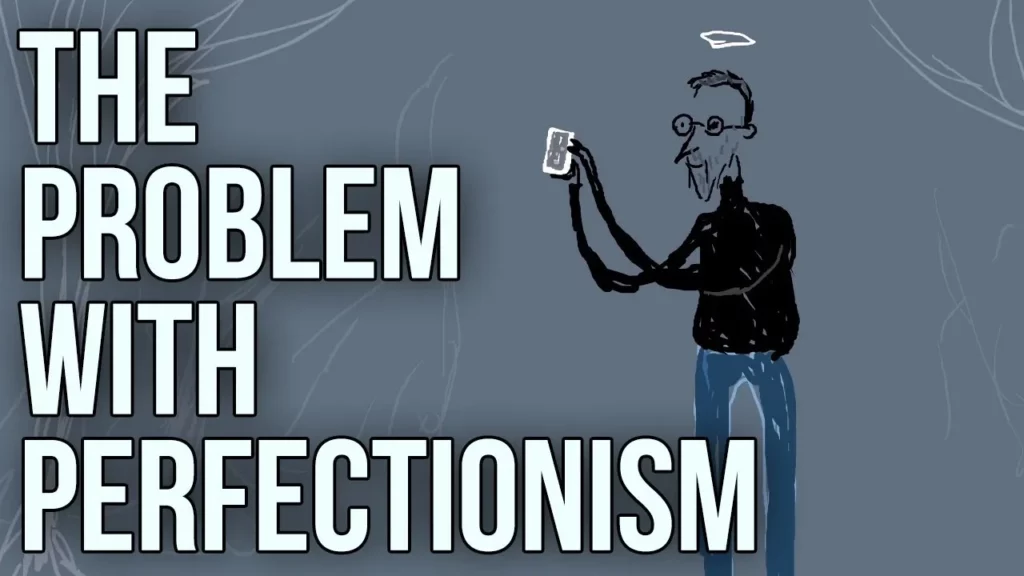
The lesson on perfectionism highlights its dual nature as both a motivating force and a source of frustration due to unrealistic expectations. It emphasizes the importance of recognizing the challenges involved in achieving our ideals and encourages a shift towards a more balanced perspective that values the journey and emotional intelligence. By fostering a realistic understanding of success and sharing the struggles behind achievements, we can transform perfectionism into a healthier pursuit of excellence.
The Paranoia Test
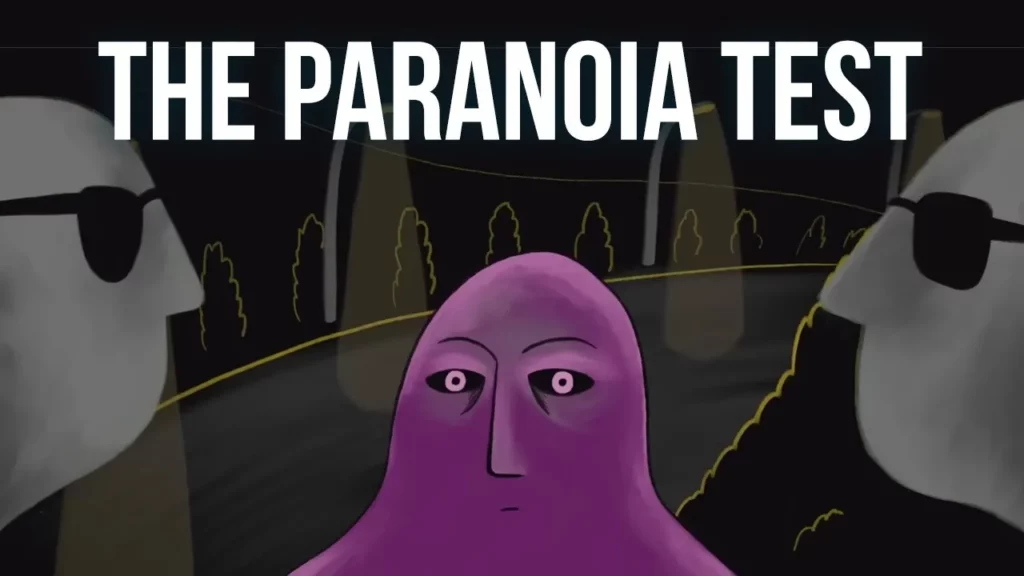
The lesson on paranoia emphasizes that it is a complex and common experience, often rooted in personal insecurities and past traumas rather than the exaggerated stereotypes typically portrayed in media. By understanding the origins of these feelings and embracing vulnerability, individuals can work towards self-awareness and emotional healing, ultimately dismantling the barriers that paranoia creates in their lives. Seeking support through therapeutic interventions can further aid in processing these experiences and fostering a healthier self-image.
Stop Trying to Be Nice All the Time
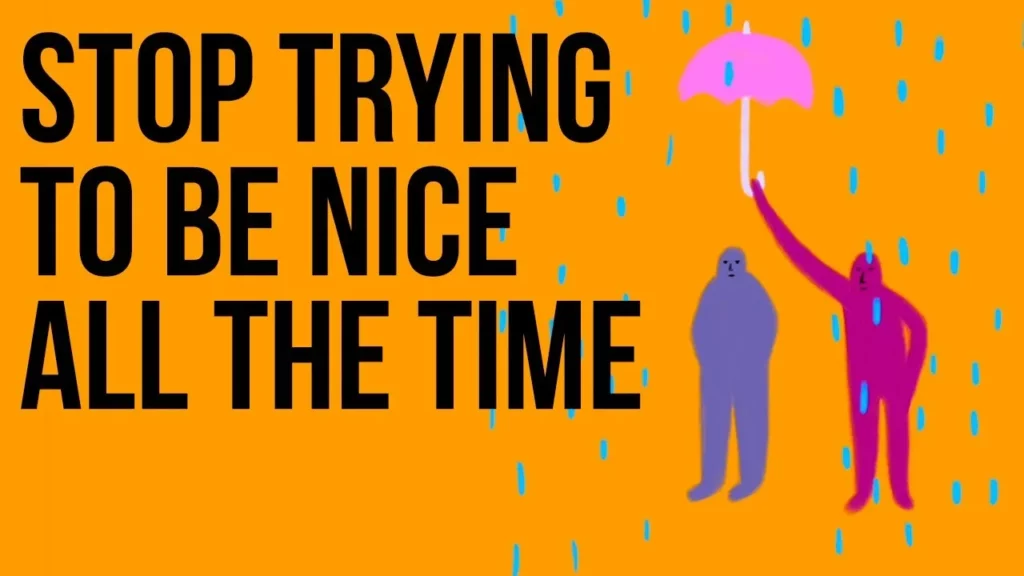
The lesson emphasizes that true kindness goes beyond mere niceness and requires honesty, integrity, and the courage to engage in difficult conversations. While the desire to be kind is admirable, individuals must navigate the complexities of relationships by balancing loyalty with sincerity, understanding that making tough decisions is essential for personal growth and authentic connections. Ultimately, cultivating a strong character rooted in empathy and clear communication fosters deeper, more meaningful relationships.
The Power of Lies to Transform Your Love Life
The lesson explores the intricate dynamics of romantic relationships, highlighting the tension between the desire for honesty and the fear of abandonment. It emphasizes the importance of open communication and emotional honesty, encouraging partners to embrace the full spectrum of feelings, including negative emotions, as a natural part of intimacy. By fostering a safe environment for difficult conversations, couples can strengthen their connections and navigate the complexities of love more effectively.
Why We Go Off People Who Like Us
The lesson explores the complexities of receiving love, highlighting the internal conflicts and psychological barriers that can make acceptance challenging. It emphasizes that our ability to embrace love is closely tied to our self-perception and self-worth, often leading to self-sabotaging behaviors when we doubt our lovability. By reframing our perspective and practicing self-compassion, we can learn to accept love and recognize our inherent worth, paving the way for healthier relationships.
The Wisdom of Pessimism
The lesson emphasizes the surprising benefits of adopting a pessimistic outlook in a society that typically celebrates optimism. By lowering expectations and accepting life’s inherent challenges, individuals can cultivate resilience, find humor in disappointments, and achieve a more stable sense of happiness. Ultimately, embracing a balanced perspective that acknowledges both the darker aspects of life and moments of joy can lead to a more fulfilling existence.
How to Be Strong and Resilient
The lesson emphasizes the importance of embracing life’s challenges as a realistic path to success, highlighting that many people give up on their goals due to unrealistic expectations about the effort required. By fostering a culture of honesty in education and personal development, individuals can learn to accept struggles as integral to meaningful achievements, ultimately cultivating resilience and a clearer perspective on their journeys. This shift in mindset allows for greater perseverance and fulfillment in relationships, careers, and personal growth.