
How to Get Your Parents Out of Your Head
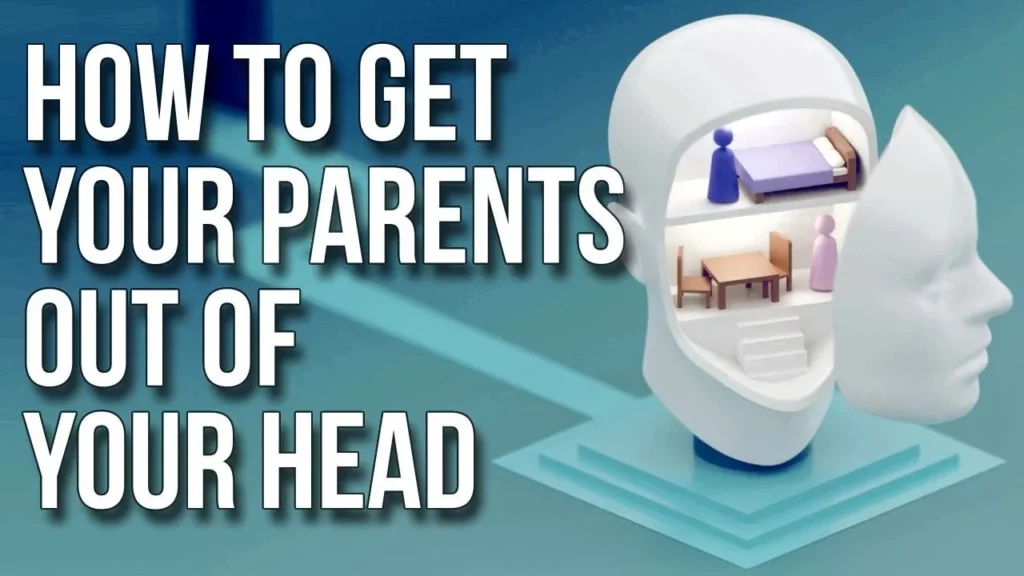
The lesson emphasizes the profound impact of childhood experiences, particularly parental influence, on adult life. It highlights how early emotional and psychological development shapes our self-perception and internal dialogues, often leading to ingrained beliefs that can hinder personal growth. By engaging in self-reflection and questioning these internalized beliefs, individuals can embark on a journey of self-discovery, ultimately fostering healthier relationships and a more fulfilling life.
ART/ARCHITECTURE – Mark Rothko

The lesson explores the profound impact of Mark Rothko’s art, which, while often centered on themes of grief and loss, offers solace and understanding to those facing personal struggles. Rothko’s use of color and form invites viewers to confront their own pain, fostering a sense of shared humanity and vulnerability. Ultimately, his legacy emphasizes the importance of acknowledging our struggles and finding comfort in the collective experience of suffering.
Why Some Adults Can’t… “Act Their Age”
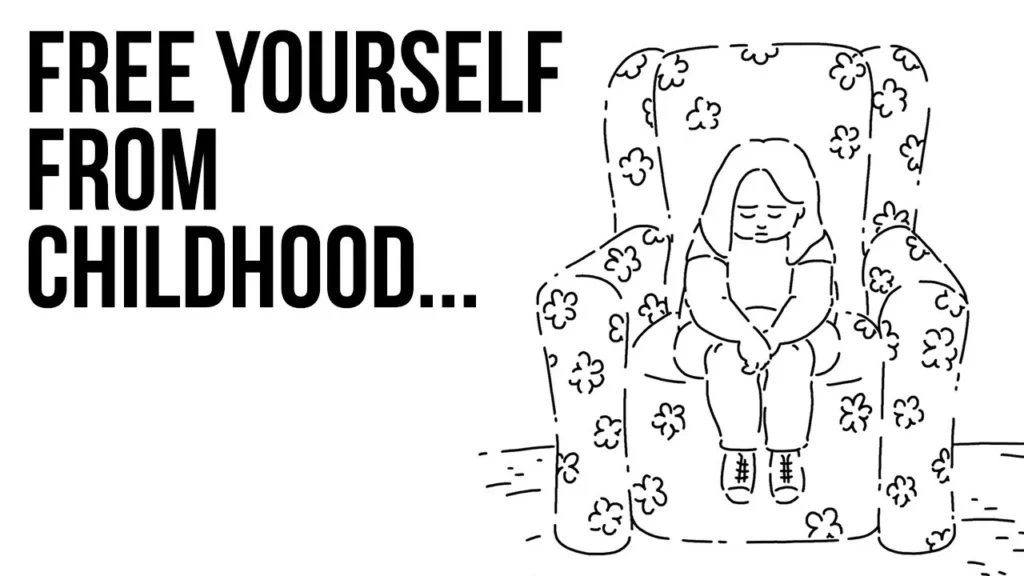
The lesson on “Understanding Emotional Regression: The Child Within Us” explores how adults may revert to childlike emotional states during stressful situations, often as a response to past traumas. It emphasizes the importance of recognizing triggers, developing self-awareness, and employing coping strategies such as grounding techniques and self-compassion to manage these regressions effectively. By acknowledging and understanding this phenomenon, individuals can foster personal growth and emotional resilience.
Why Are People So Nasty?
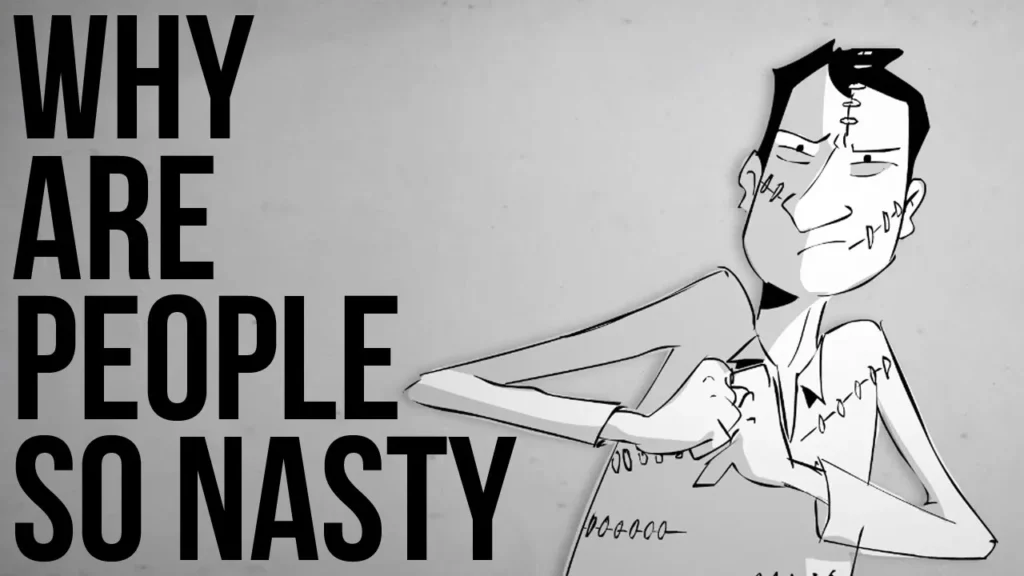
The lesson emphasizes that casual cruelty often stems from the internal struggles of those who inflict it, rather than reflecting our self-worth. By understanding this dynamic, we can shift our perspective from feeling victimized to feeling empowered, recognizing that the aggressor’s behavior is a reflection of their own pain. Embracing compassion and empathy allows us to break the cycle of hurt and foster a more understanding and supportive society.
Good Enough Is Good Enough
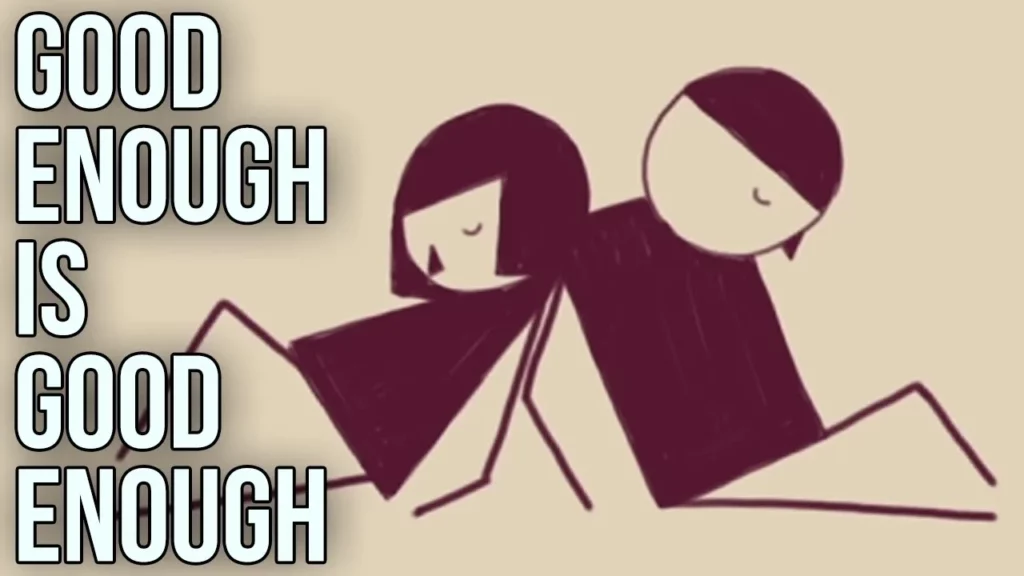
The lesson emphasizes the importance of embracing the “good enough” philosophy as a means to enhance mental well-being and combat the detrimental effects of perfectionism. Drawing on Donald Winnicott’s insights, it highlights that striving for unattainable ideals can lead to stress and disappointment, while accepting our imperfections in parenting, relationships, and work can foster a healthier, more compassionate outlook on life. Ultimately, recognizing that our lives, despite their flaws, are “good enough” is a significant step towards personal fulfillment and emotional resilience.
The Perfectionist Trap
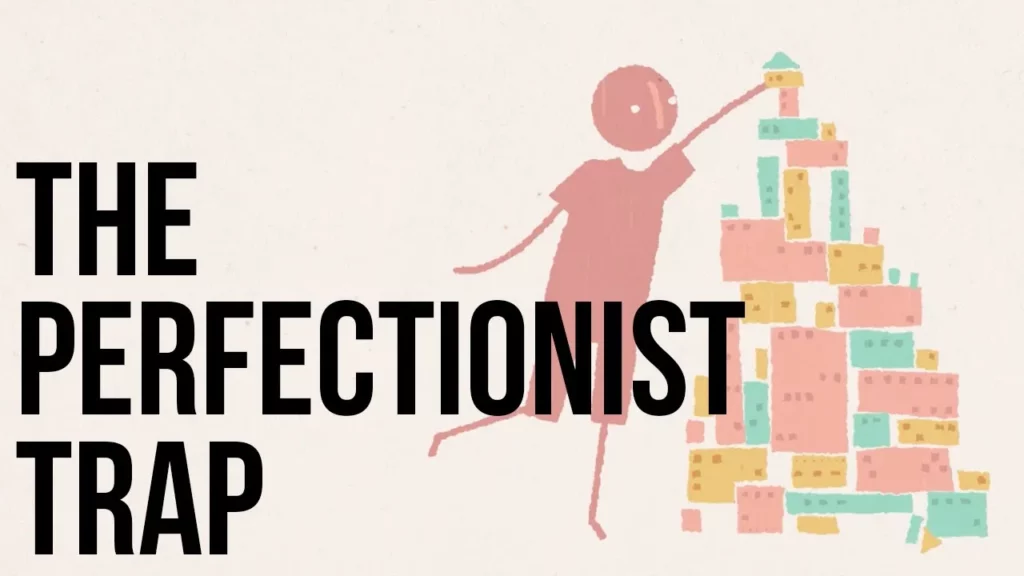
The lesson “Understanding the Perfectionist’s Trap: Embracing the Journey to Success” emphasizes the importance of recognizing that the path to success is often fraught with challenges and setbacks, rather than a straightforward ascent. It encourages individuals to embrace imperfection, seek out the backstories of successful figures, and cultivate a growth mindset, understanding that failure is a crucial part of the learning process. Ultimately, the lesson advocates for a healthier relationship with ambition, where the journey is valued as much as the destination.
The Cure for Unrequited Love
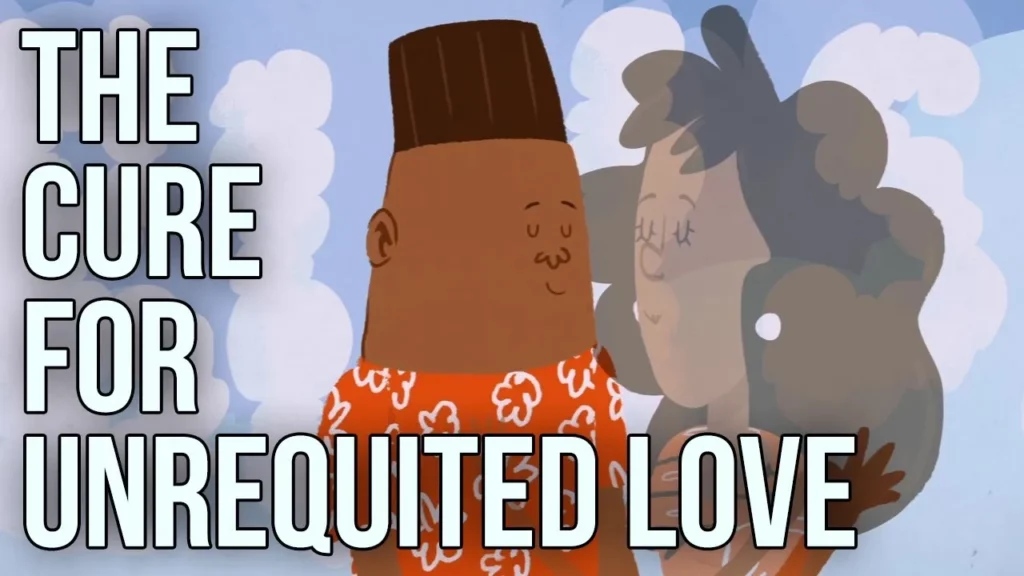
The lesson on unrequited love highlights the emotional challenges of one-sided affection and the importance of understanding the beloved as a flawed individual rather than an idealized figure. It emphasizes that healing comes from shifting our perspective, accepting the reality of human imperfections, and recognizing that true happiness cannot solely depend on reciprocated feelings. Ultimately, this journey of self-discovery can lead to personal growth and a healthier approach to love and relationships.
Can Exes Be Friends?
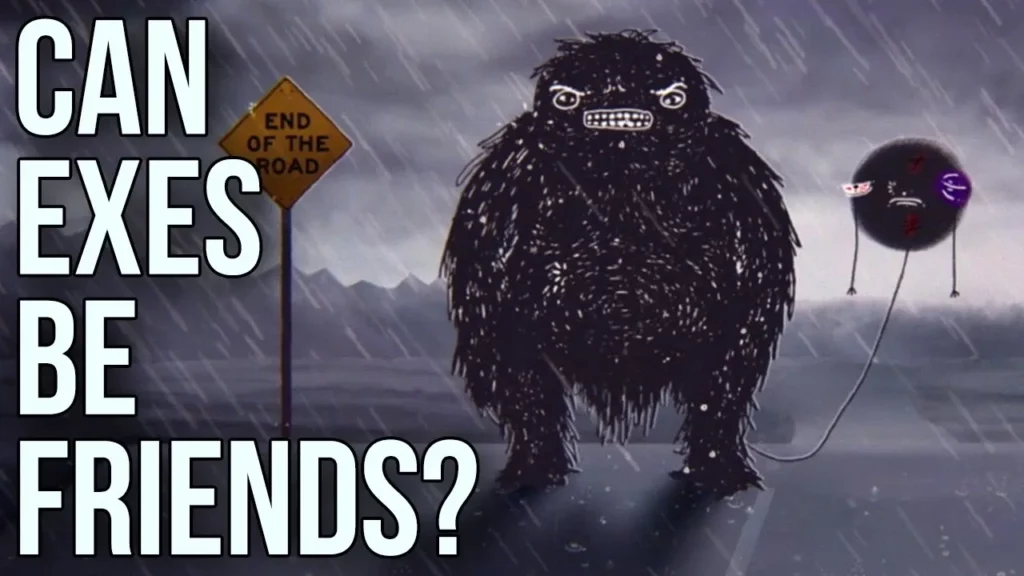
The lesson explores the complexities of maintaining friendships after a breakup, highlighting the emotional challenges that arise for both parties involved. While the desire to stay friends may stem from nostalgia and societal expectations, this transition often complicates the healing process and can lead to feelings of loss and guilt. Instead of pursuing a friendship, the article suggests establishing civil distance to allow for personal healing and reflection, ultimately fostering healthier futures.
Should I Choose Passion or Duty?
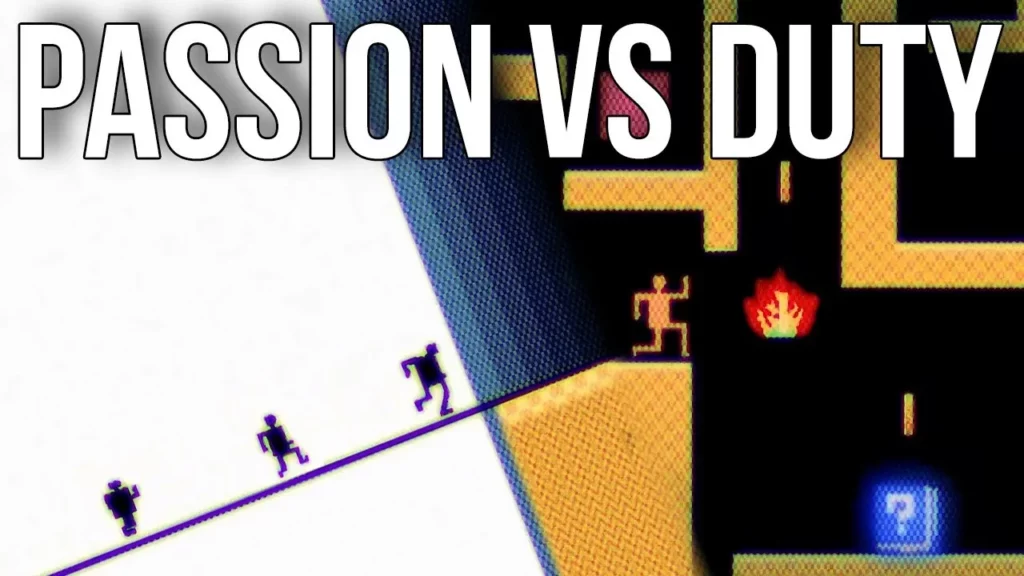
The lesson explores the dilemma between pursuing passion and choosing a stable career, highlighting the complexities and consequences of each path. While the safe route offers security, it can lead to dissatisfaction and mental health risks if one is stuck in a job they dislike. Conversely, following one’s passion, despite its uncertainties, can lead to greater fulfillment, creativity, and success, emphasizing that true safety lies in pursuing what we love rather than avoiding risks.
How to End a Relationship
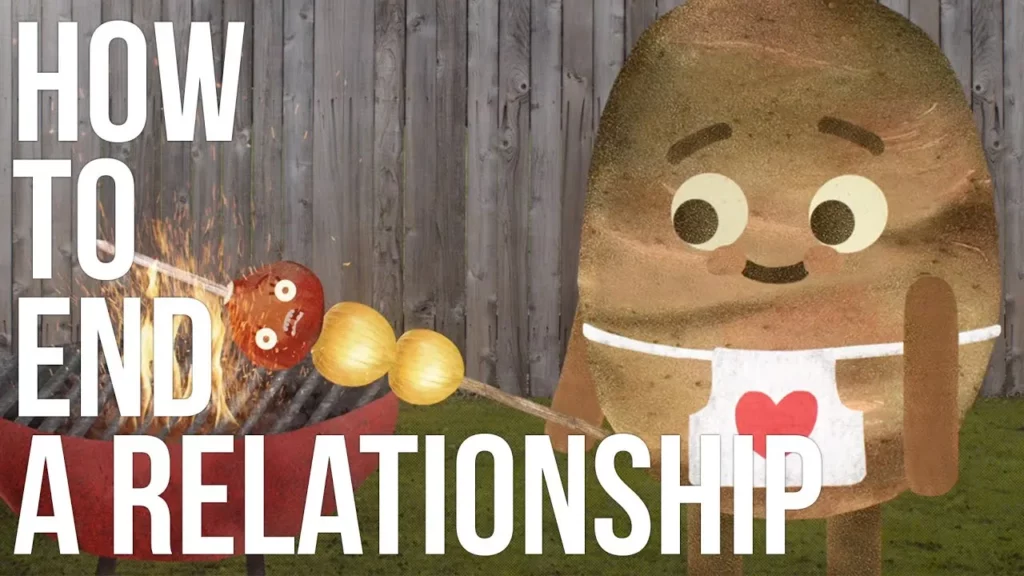
The lesson emphasizes the importance of approaching the end of relationships with honesty rather than sentimentality, as many people struggle with clear communication due to a desire to avoid hurting others. It advocates for directness and clarity, arguing that prolonging a relationship out of kindness can lead to confusion and emotional distress for both parties. Ultimately, embracing the truth allows for personal growth and paves the way for healthier future relationships.