
The Feeling of Feeling Less
The lesson on “The Journey of Grief: Navigating Life After Loss” explores the complex and deeply personal nature of grief, emphasizing that it reshapes our understanding of life and ourselves. It highlights the internal struggle of reconciling memories of the deceased with their absence, the non-linear progression of grief, and the importance of embracing memories to honor lost loved ones while finding joy in life again. Ultimately, the lesson underscores that grief is a journey requiring patience and self-compassion, focusing on integrating memories into our lives as we move forward.
How to F*** Up Your Life
The lesson on “The Art of Decision-Making: Navigating Life’s Choices” emphasizes the significance of understanding the decision-making process in our daily lives, where we make millions of choices that can greatly impact our future. It explores various strategies for evaluating options, the inherent uncertainty in decision-making, and the philosophical perspectives that encourage authenticity and personal growth. Ultimately, the lesson highlights that the meaning derived from our choices lies in how we respond to their outcomes, promoting a balanced approach to both major and minor decisions.
Selling & Being Sold – Consumerism & The Internet

The lesson explores the evolution of consumerism and advertising, highlighting how historical shifts have transformed marketing strategies from basic product information to emotionally-driven narratives. It critiques modern consumerism, referencing Noam Chomsky’s perspective that advertising often targets superficial desires rather than deeper human needs, as outlined in Maslow’s hierarchy. The lesson emphasizes the role of the Internet in empowering creators and fostering meaningful engagement, while also urging individuals to pursue self-reflection and align their consumption with their values for a more fulfilling life.
The Riskiest Thing In Life

The lesson emphasizes that embracing risk is crucial for achieving a fulfilling life, as it allows individuals to confront their fears and pursue their passions. Inaction can lead to a life dictated by external forces, resulting in stagnation and dissatisfaction. By taking risks and aligning one’s work with personal passions, individuals can experience growth, fulfillment, and inspire others to do the same.
The Algorithm Effect – How An Entire Population Becomes Mentally Sick
The lesson explores the dangers of uniformity in belief systems through speculative tales of fictional planets, each illustrating the consequences of extreme ideologies—nihilism, dogma, relativism, intellectualization, and paranoia. It emphasizes that while diverse beliefs are essential for societal growth and resilience, a complete lack of shared values can lead to chaos and stagnation. Ultimately, the lesson advocates for embracing differences and fostering open dialogue to create a thriving and innovative community.
5 of the Weirdest Psychological Disorders (That Will Make You Question Your Own Self)
The lesson on “Understanding Unusual Psychological Disorders” highlights the complexity of mental illness, emphasizing that psychological disorders can significantly alter thoughts, feelings, and behaviors, much like physical illnesses. It defines psychological disorders as deviations from cultural norms that can lead to distress and dysfunction, and explores five unusual conditions—Alien Hand Syndrome, Derealization, Dissociative Identity Disorder, Capgras Syndrome, and Cotard’s Syndrome—each illustrating the intricate nature of the human mind. Ultimately, the lesson underscores the importance of compassion and understanding in addressing mental health issues, as well as the ongoing need for research into these rare disorders.
The Beauty Of Death – How To Think About Your Mortality

The lesson explores the complex relationship between life and death, highlighting how the awareness of our mortality can serve as both a burden and a blessing. While the inevitability of death may evoke fear and sadness, it also motivates us to live with intention, appreciate our experiences, and pursue our passions, ultimately enriching our lives. By embracing the transient nature of existence, we can find deeper meaning and fulfillment in our journey.
Is Your Brain Hallucinating Reality?
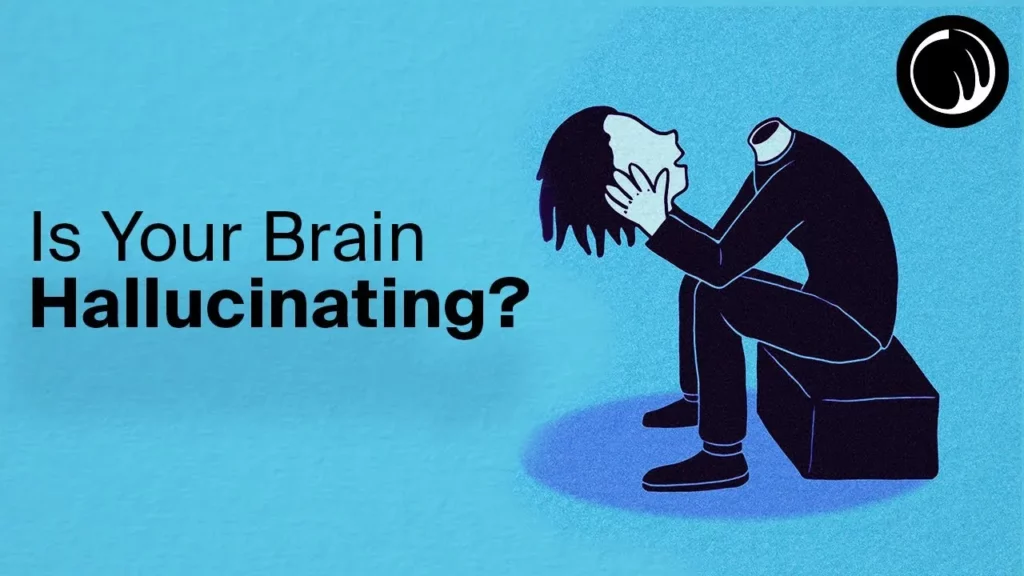
The lesson explores the intricate nature of consciousness, highlighting its significance as a unique aspect of human experience that remains largely mysterious despite extensive philosophical and scientific inquiry. It discusses various theories, including dualism, physicalism, and panpsychism, while emphasizing the “hard problem” of consciousness, which addresses the challenge of linking physical brain processes to subjective experiences. Ultimately, the lesson invites deeper reflection on consciousness as a fundamental element of our existence and understanding of reality.
Millions of Little Threads
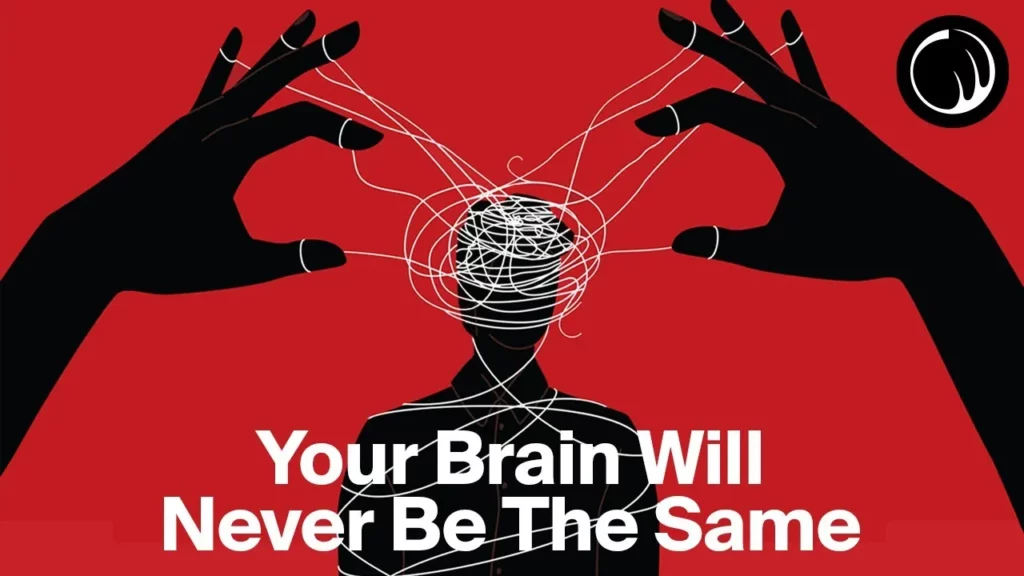
The lesson on “Millions of Little Threads” delves into the concept of brain-machine interfaces (BMIs) and their potential impact on society and individual identity. Through the journey of the main character, Kennedy Weatherly, the narrative explores profound questions about consciousness, the essence of being human, and the balance between technological advancement and personal identity. Ultimately, the story serves as a philosophical reflection on the implications of our increasing reliance on technology in shaping our future.
How To Have Fun In Life

The lesson emphasizes the importance of embracing fun as a vital component of a fulfilling life, encouraging individuals to adopt a playful attitude towards everyday experiences. It warns against neglecting fun, which can lead to monotonous routines and feelings of emptiness, and advocates for viewing life as an exciting adventure filled with opportunities for joy. Ultimately, the lesson encourages making a conscious choice to prioritize enjoyment and curiosity in order to enrich our lives and create lasting memories.