
Why Are Things Funny? – Absurdism & Humor

The lesson explores the nature of humor, emphasizing its significance in human interaction and relationships. It examines various theories, such as the incongruity theory and benign violation theory, to explain why we find certain things funny, while also addressing humor’s role in coping with life’s absurdities. Ultimately, the lesson highlights humor as a vital tool for social connection and reflection, reminding us of our shared humanity amidst the chaos of existence.
What It Feels Like To Die (Animated Short)

The lesson “The Afterlife Conversation: A Reflection on Life Choices” explores the themes of self-awareness, regret, and the significance of making meaningful life choices through the protagonist’s journey after death. It emphasizes the importance of self-reflection and perspective in understanding past decisions, urging individuals to prioritize authentic living, nurture relationships, and embrace life’s impermanence. Ultimately, the narrative serves as a call to action for readers to evaluate their own lives and make intentional choices that foster fulfillment and connection.
The Woman Who Tried To Play God – Genetic Engineering & The Nature Of Everything
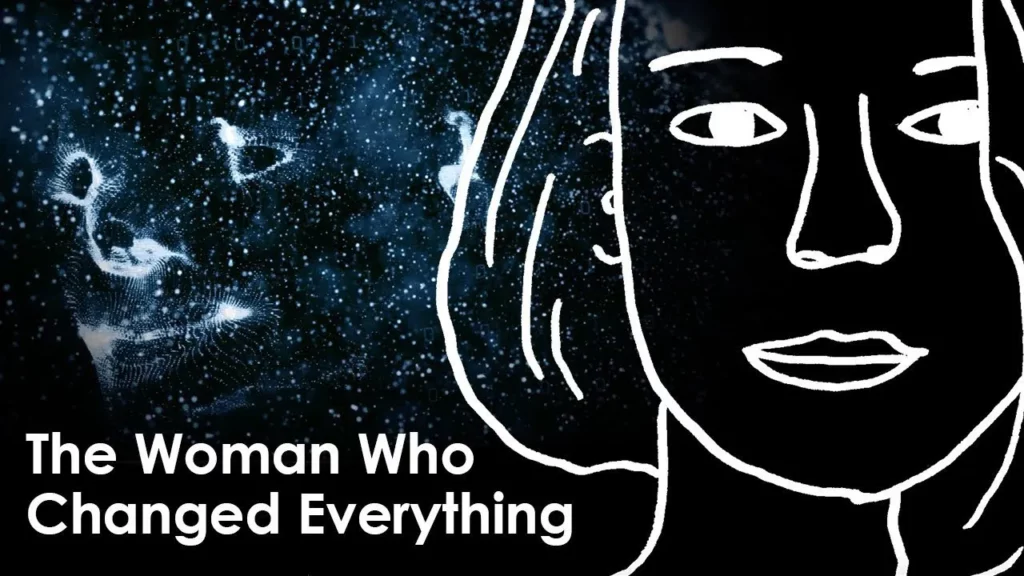
The lesson of Kristy Liana’s journey emphasizes the dual nature of progress, showcasing how her groundbreaking advancements in genetic engineering transformed society while also revealing the unforeseen consequences of a utopian existence. Despite her remarkable achievements and the eradication of disease, the absence of struggle led to a crisis of meaning and purpose among individuals. Ultimately, Kristy’s story serves as a poignant reminder that the complexities of the human experience are enriched by both joy and suffering, and that striving for perfection may overlook the essential elements that make life meaningful.
The Game You Can’t Win

The lesson from “The Game of Endless Play” explores the intricate relationship between competition and identity through a social experiment involving six participants in a never-ending game. As players engage in a digital dice game, their initial excitement devolves into intense rivalry, leading to emotional turmoil and a distorted sense of self-worth tied to their standings. Ultimately, the game serves as a metaphor for societal competition, prompting reflection on the motivations behind our actions and the potential consequences of relentless striving for success.
Why You Didn’t Choose If You Clicked On This Video Or Not – The Illusion Of Freewill

The lesson explores the intricate relationship between choice and determinism in the context of our online interactions, particularly on platforms like YouTube. It emphasizes that while our decisions may feel like exercises of free will, they are often shaped by a complex web of historical, environmental, and personal influences, leading to philosophical questions about the nature of choice. Ultimately, the lesson encourages embracing our agency within these constraints, highlighting that our responses to circumstances define our experiences and engagement with life.
There Are So Many People from Your Life You’ll Never See Again

The lesson explores the philosophical reflections of a space traveler who, after decades of aimless drifting in the cosmos, discovers that the journey itself holds intrinsic value, rather than merely reaching a destination. As isolation and challenges arise, the traveler learns that adaptability and the connections forged with others, even in fragmented communication, are vital for finding meaning and fulfillment. Ultimately, the narrative encourages us to embrace the uncertainties of our own journeys and cherish the relationships we build along the way.
Why We Feel Lonely & Alienated – Charles Bukowski’s “The Crunch”
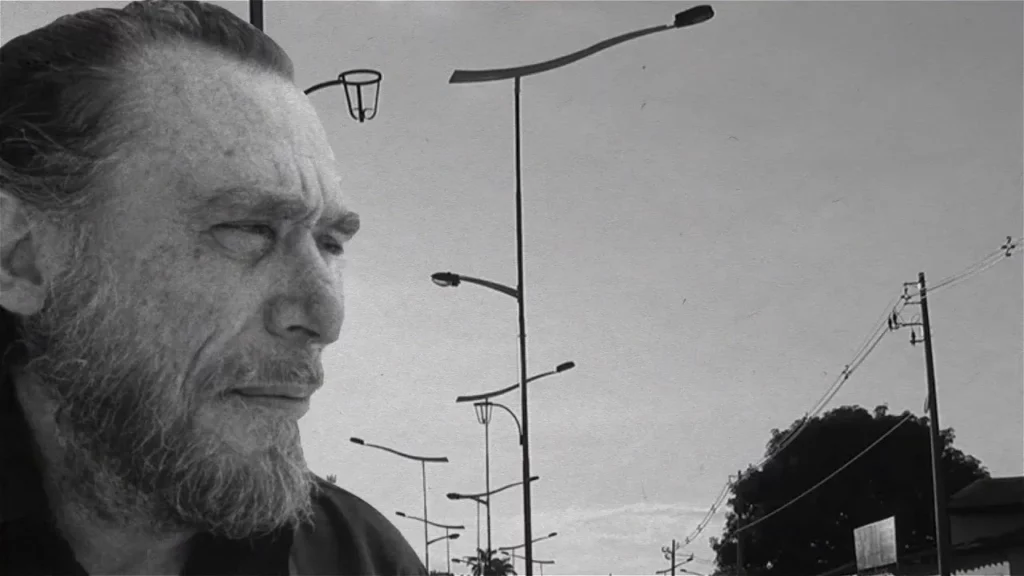
The lesson explores the pervasive issue of loneliness in modern society, highlighting how feelings of isolation can arise even in crowded environments due to the complexities of human relationships and societal pressures. It emphasizes the importance of empathy and kindness in fostering meaningful connections, suggesting that by acknowledging our shared struggles, we can create a supportive environment that encourages healing and understanding. Ultimately, the lesson calls for a collective effort to combat loneliness through compassion and connection.
The Problem with Nice People
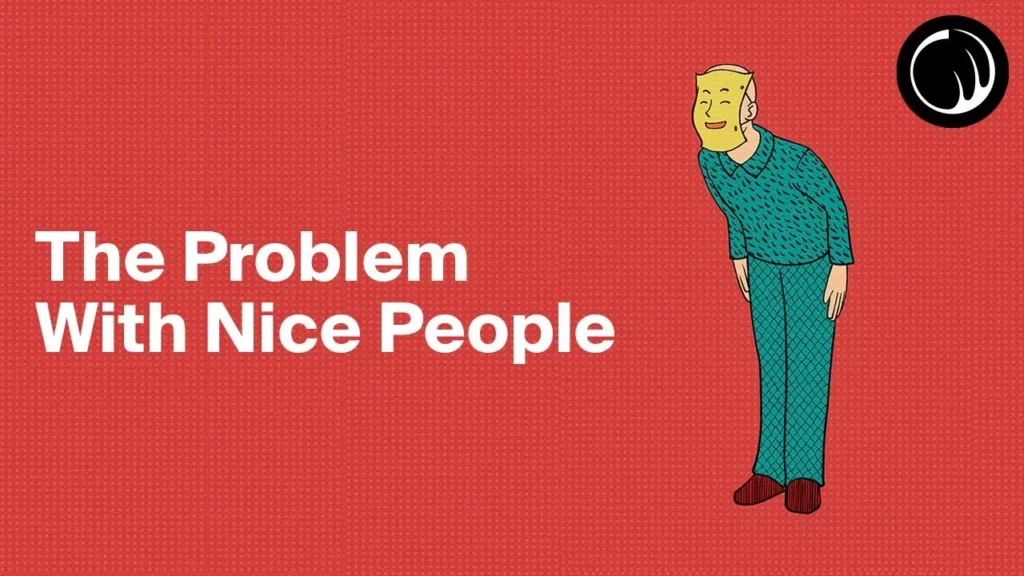
The lesson from Fred’s journey illustrates the pitfalls of excessive niceness, emphasizing that prioritizing others’ needs over one’s own can lead to personal unhappiness and strained relationships. Through his experiences in friendships, romantic partnerships, and professional life, Fred learns the importance of assertiveness, setting boundaries, and open communication to foster healthier connections. Ultimately, the lesson advocates for a balanced approach to relationships, where self-awareness and the expression of personal needs are crucial for genuine fulfillment and authenticity.
Charles Bukowski On The Tragedies Of Ordinary Life – “The Shoelace Poem”

The lesson emphasizes that while major life events often dominate our perception of struggles, it is the accumulation of small, everyday challenges that can significantly impact our mental health. These minor stressors, such as daily responsibilities, health concerns, social pressures, and financial strain, can lead to feelings of overwhelm and anxiety. By recognizing the weight of these small tragedies and employing coping strategies like mindfulness, time management, and seeking support, individuals can enhance their resilience and better navigate life’s challenges.
You’d Be Surprised How People Perceive You
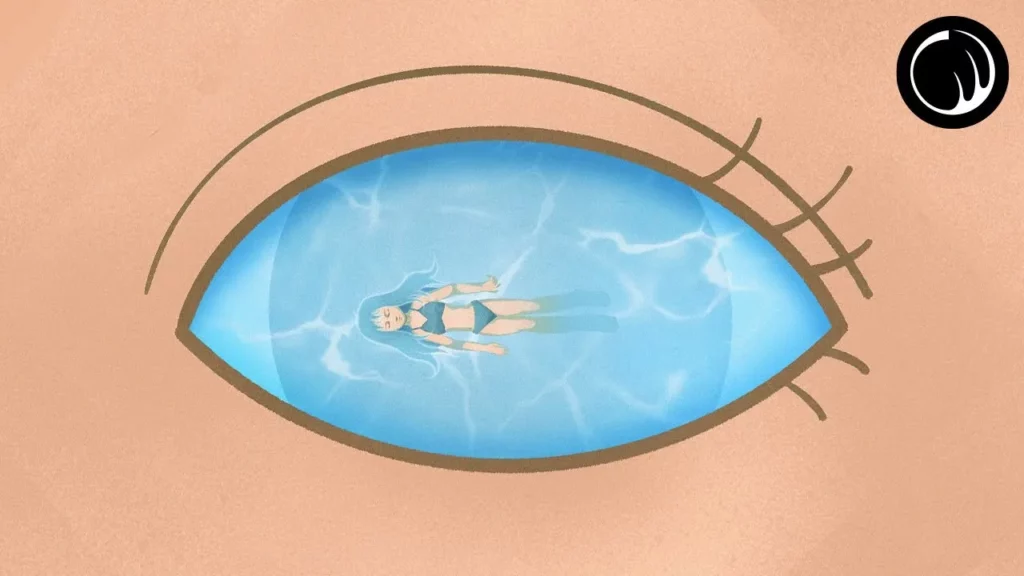
In “The Journey of Rediscovery: Claire’s Story,” Claire faces a life-altering traumatic brain injury that results in retrograde amnesia, leaving her unable to recall her past and identity. As she navigates her recovery, she grapples with conflicting descriptions of herself from family and friends, highlighting the psychological challenges of reconstructing identity without memories. Ultimately, Claire’s journey underscores the vital role of memory in shaping who we are and the resilience required to rediscover oneself amidst adversity.