
The Psychology of Money
The lesson explores the multifaceted role of money in society, highlighting its functions as a medium of exchange, a store of value, and a unit of account. It emphasizes that while money can contribute to happiness, its impact is complex and influenced by how we prioritize our spending—favoring experiences over material possessions. Ultimately, the lesson encourages a thoughtful approach to financial decision-making, aligning our financial choices with personal values to enhance overall well-being and fulfillment.
The High Price We Pay For Pursuing the Wrong Things in Life

The lesson of Felix’s journey in the woods emphasizes the importance of self-discovery and the choices we make as we navigate the transition into adulthood. Through mystical encounters and visions of potential futures, Felix learns that true success is not solely defined by recognition or achievement, but also by the relationships we cultivate and the moments we cherish. Ultimately, the story encourages reflection on what truly matters in life and highlights the necessity of balancing ambition with personal fulfillment.
Thought Experiments That Will Change How You Think About Life
The Trolley Problem is a thought-provoking ethical dilemma that challenges individuals to confront their moral beliefs and decision-making processes. By examining the scenario through the lenses of utilitarianism and deontology, the lesson highlights the complexities of moral choices, emphasizing how emotions, intentions, and societal norms can influence our judgments. Ultimately, the Trolley Problem serves as a critical tool for understanding the intricacies of ethics, especially in the context of modern technological advancements and real-world implications.
The Machine – A Thought Experiment That Changes Your Life

The lesson of Lawrence’s journey emphasizes the intricate interplay between technology, psychological worthiness, and the quest for meaning in life. Through his exploration of advanced virtual reality and the ethical dilemmas it presents, Lawrence ultimately confronts the value of authentic experiences versus simulated ones. The narrative suggests that true fulfillment may stem from embracing life’s complexities rather than seeking to escape them.
The Paradox of Being a Good Person – George Orwell’s Warning to the World
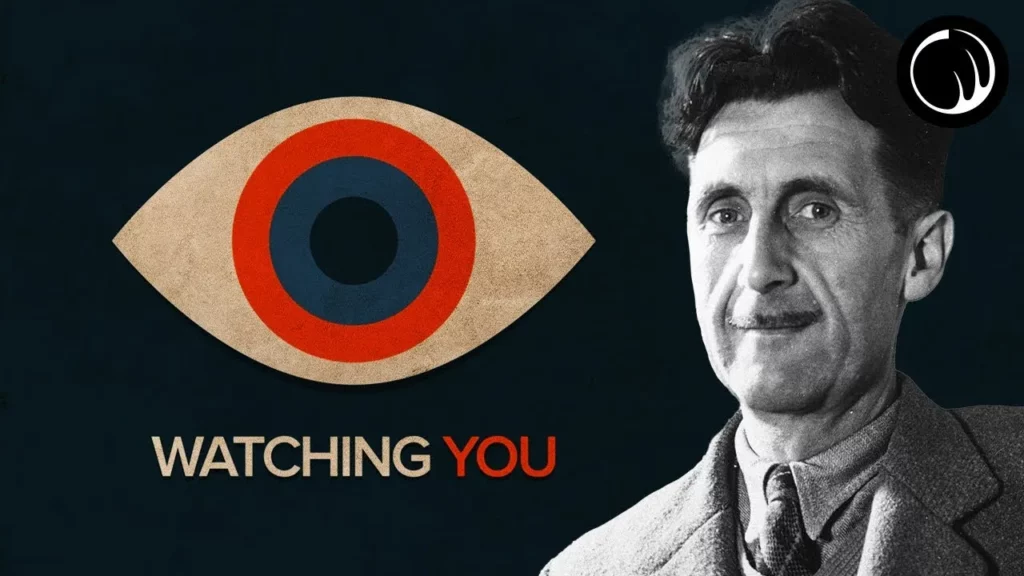
The lesson on George Orwell explores his profound impact on literature and political thought, particularly through his seminal works “Animal Farm” and “1984.” It highlights Orwell’s insights into the manipulation of language and truth, emphasizing the dangers of totalitarianism and the importance of objective truth in safeguarding individual freedom. Ultimately, the lesson serves as a call to vigilance, urging readers to critically engage with narratives and recognize the ongoing relevance of Orwell’s warnings in today’s world.
You’d Be Surprised How Bad of a Person You Are – Thought Experiments That Change the Way You Think

The lesson on the “veil of ignorance,” introduced by philosopher John Rawls, encourages us to design a fair society without knowledge of our personal circumstances, promoting equality and justice. It raises complex questions about the attainability of fairness, the influence of moral luck on accountability, and the subjective nature of moral principles. Ultimately, the lesson emphasizes the importance of compassion and understanding in navigating moral dilemmas, recognizing our shared humanity and the randomness of life circumstances.
The Unsettling Psychology of Covert Narcissism

The lesson from Talon’s journey emphasizes the significance of self-awareness and the role of supportive relationships in personal growth and emotional well-being. Through his experiences of isolation, self-criticism, and eventual self-discovery, Talon learns that understanding oneself and fostering genuine connections with others are crucial for overcoming mental health challenges. The story highlights practical tools, such as journaling and mindfulness, that can aid individuals in their quest for self-understanding and healthier interpersonal relationships.
You’d Be Surprised How Closed-Minded You Are | Jacques Derrida

The lesson explores Jacques Derrida’s critique of binary thinking, emphasizing how rigid oppositions limit our understanding of complex issues. Through his concept of deconstruction, Derrida advocates for recognizing the interdependence of opposing ideas and the fluidity of meaning shaped by language and context. Ultimately, his philosophy encourages embracing uncertainty and intellectual humility, fostering a deeper appreciation for the complexities of thought and existence.
Weird Things Begin to Happen When You Go into Deep Space

The lesson explores the dual nature of space as both awe-inspiring and terrifying, highlighting the concept of astrophobia and the hostile conditions of various celestial bodies. It emphasizes the vastness of the universe, the power of stars and black holes, and the significance of humanity’s exploration efforts, such as the Voyager probes. Ultimately, the lesson encourages embracing our fears of the cosmos through knowledge and understanding, fostering a deeper appreciation for our existence within this grand, mysterious expanse.
The Harder You Try, The Worse It Gets – The Philosophy of Fyodor Dostoevsky
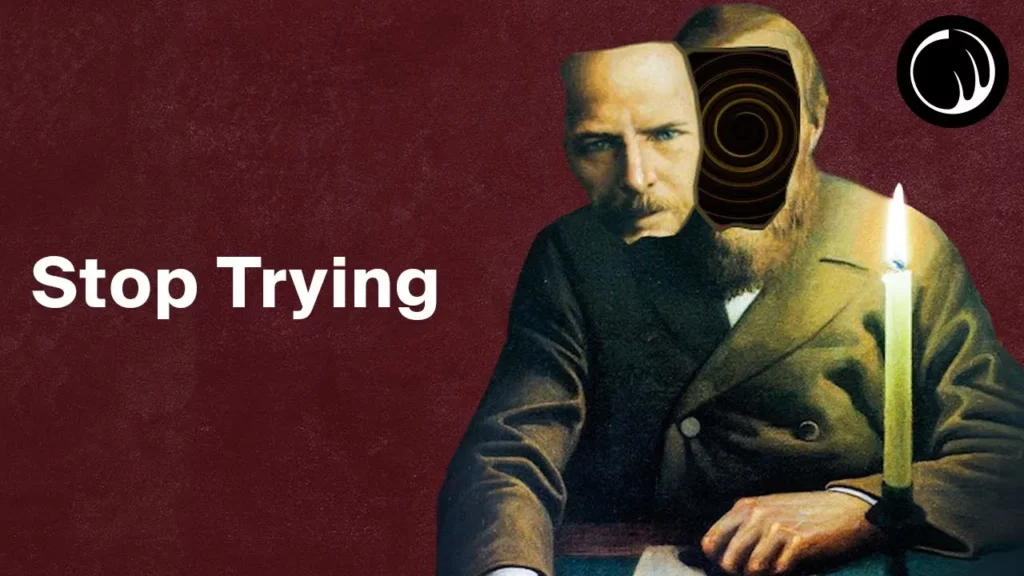
The lesson on Fyodor Dostoevsky highlights his significant contributions to literature through his exploration of human psychology, morality, and suffering. Born into a privileged family and shaped by personal tragedies, Dostoevsky’s experiences, particularly his imprisonment, transformed his writing style, leading to masterpieces like *Crime and Punishment* and *The Brothers Karamazov*. His works challenge readers to confront existential questions and the complexities of human nature, emphasizing that suffering can lead to spiritual growth and self-awareness.