
The Philosophy Of Alan Watts – Making Sense Of Senselessness
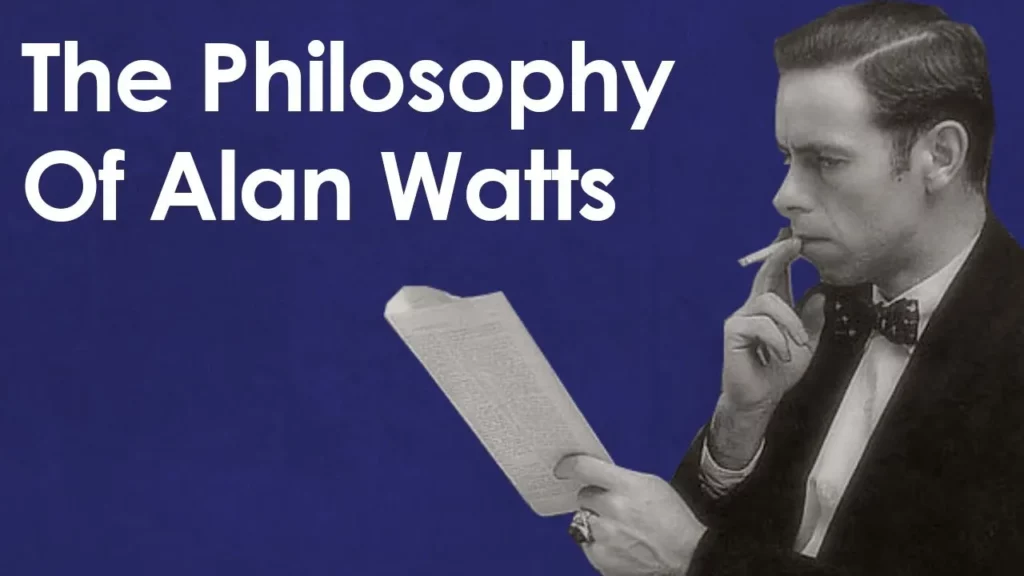
The lesson on Alan Watts explores his philosophy that emphasizes the interconnectedness of existence, challenging the Western notion of individual control and ego. Watts advocates for embracing the inherent senselessness of life, encouraging a playful and curious approach to experiences rather than a serious pursuit of meaning. His teachings inspire individuals to find harmony with nature and recognize their place within the universal consciousness, ultimately fostering a deeper appreciation for life.
The Paradox of Being Nice

The lesson “Exploring Self-Identity Through Creative Writing” emphasizes the importance of understanding one’s true self amidst societal pressures and expectations. Through a heartfelt dialogue, it highlights the struggles of vulnerability and the pursuit of authenticity, illustrating how creative writing can serve as a powerful tool for self-discovery. By engaging in reflective practices like guided journaling, individuals can confront their fears and clarify their values, ultimately leading to a more fulfilling and authentic life.
The Narcissism Commonly Associated With Being Nice

This lesson explores the distinction between niceness and kindness in social interactions, emphasizing that while niceness often involves being agreeable and avoiding conflict, it can lead to inauthenticity and unfulfilling relationships. In contrast, kindness is characterized by honesty, emotional investment, and the ability to engage in constructive disagreements, fostering deeper connections and personal growth. By understanding and practicing kindness, individuals can navigate social dynamics more effectively and build meaningful relationships.
The Art of Trusting One’s Self – The Philosophy of Ralph Waldo Emerson
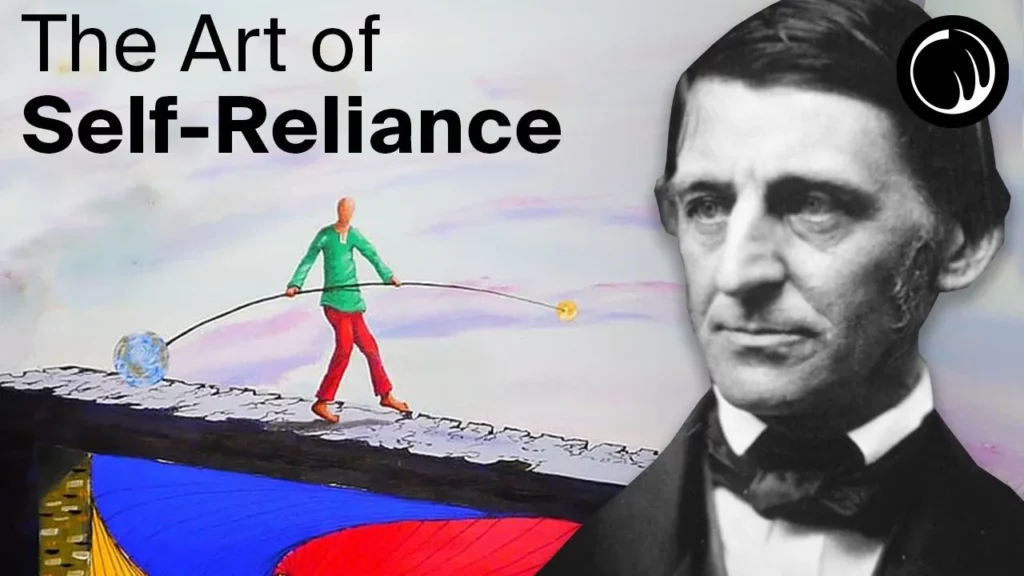
Ralph Waldo Emerson, a pivotal figure in American literature and philosophy, is renowned for his role in shaping transcendentalism, which emphasizes the inherent goodness of people and nature. His key works, “Nature” and “Self-Reliance,” advocate for personal experience, intuition, and individuality, encouraging individuals to embrace their unique perspectives despite societal pressures. Emerson’s enduring philosophy challenges us to live authentically and recognize our interconnectedness with the universe, inspiring ongoing reflection on our lives and the world around us.
Utopia – The Perfect Amount Of Awful

In “The Edge of Existence,” a man grapples with his despair and the meaning of life at Glenwood Canyon, a place filled with memories of his late wife. Through a profound dialogue with a mysterious woman, he confronts his suicidal thoughts and ultimately realizes that life’s richness comes from the coexistence of joy and sorrow, rather than the pursuit of a perfect existence. The story emphasizes the importance of embracing the complexities of human experience, suggesting that true fulfillment arises from navigating both beauty and hardship.
Stoicism & the Art of Worrying Less
The lesson on “Navigating Worry: Insights from Stoicism” emphasizes the importance of managing worry in a world filled with uncertainties. It highlights the Stoic philosophy, which teaches that we can only control our internal responses and encourages acceptance of life’s challenges while focusing on the present. By adopting this perspective, we can reduce unnecessary anxiety, appreciate our current experiences, and build resilience against future uncertainties.
The Curse of Thinking Too Deeply

In “The Philosophical Dilemma of Neil,” a philosophy professor grapples with profound questions of identity and existence after a seizure reveals a dangerous brain malformation. Faced with the decision to undergo risky surgery that could jeopardize his cognitive abilities, Neil reflects on the value of life versus intellectual pursuits, ultimately choosing to prioritize his existence over his philosophical identity. His journey highlights the intricate relationship between personal experience, philosophical inquiry, and the essence of what it means to live meaningfully.
The Art of Letting Things Happen | A Japanese Philosophy That Will Change How You Think

The lesson on wabi-sabi introduces a Japanese philosophy that celebrates beauty in imperfection, transience, and incompleteness, encouraging a shift in perspective towards appreciating the natural cycle of life. Originating from Zen Buddhism, wabi-sabi emphasizes simplicity and authenticity, as seen in practices like Raku pottery and kintsugi, which highlight flaws rather than conceal them. Ultimately, this philosophy invites individuals to embrace the impermanent nature of existence, fostering a deeper appreciation for life and the beauty found in everyday experiences.
Stoicism & The Art of Not Caring
The lesson on Stoicism emphasizes the importance of focusing on internal responses rather than external circumstances in the pursuit of happiness and resilience. By understanding that true contentment comes from within and not from material possessions or societal validation, individuals can cultivate inner peace and navigate life’s challenges with grace. Stoicism teaches acceptance of the world as it is, encouraging a mindset that prioritizes personal values and character over fleeting external achievements.
The Greatest Regret You’ll Ever Have

The lesson “The Flash of Life: Embracing Every Moment” emphasizes the importance of living in the present and appreciating each moment of our lives, as time becomes increasingly precious with age. It explores how nostalgia can distort our perception of the past, urging us to focus on the richness of our current experiences rather than longing for what has been lost. Ultimately, the lesson encourages us to recognize the finite nature of moments and to live intentionally, cherishing both the highs and lows that shape our existence.