
If the Universe Came From Nothing, Where Did Nothing Come From?
The lesson “The Journey of Consciousness: From Chaos to Creation” explores the evolution of consciousness from the chaotic beginnings of the universe to its ultimate role in creation. It highlights key moments in this journey, including the emergence of early conscious beings who pondered existence, the philosophical shift towards individual meaning, and the realization of collective responsibility among advanced beings. Ultimately, the lesson emphasizes that the cyclical nature of existence intertwines creation and destruction, urging us to find purpose not only in personal fulfillment but also in contributing to the greater whole.
The Reality Prison – All The Things We Don’t Know
“The Prisoners of Perception: A Journey Beyond the Dome” explores the lives of individuals confined within a dome, who have been taught to accept a limited, screen-based reality. The story follows Cato, a curious prisoner who discovers a crack in the dome, leading him to escape and experience the vibrant, three-dimensional world outside. Upon returning to share his revelations, he faces resistance from his fellow prisoners, illustrating the struggle between ignorance and enlightenment, and the transformative power of curiosity in seeking deeper truths about existence.
How the Way You Respond to Boredom Changes Your Life

The lesson emphasizes the importance of embracing simplicity and slowing down in a fast-paced world, arguing that constant busyness can distract us from what truly matters. Drawing on philosophical insights from thinkers like Thoreau and the Stoics, it advocates for reflection on how we spend our time, the value of boredom for clarity, and the pursuit of authenticity in our choices. Ultimately, it encourages individuals to find a personal balance that fosters a meaningful and fulfilling life.
What Is Kafkaesque? – The ‘Philosophy’ of Franz Kafka
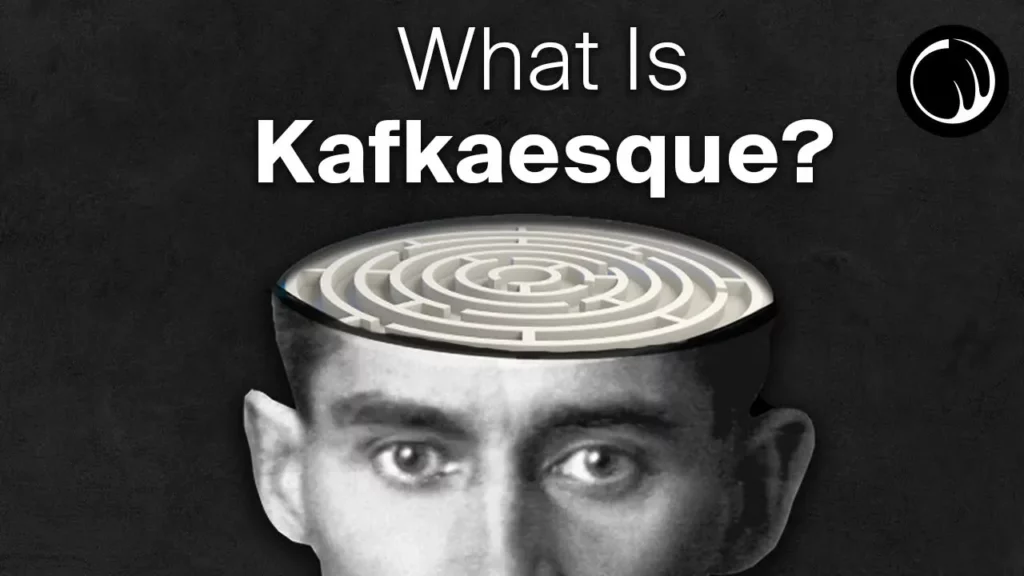
The lesson explores the life and legacy of Franz Kafka, a pivotal literary figure whose unique style gave rise to the term “Kafkaesque,” describing absurd and disorienting situations that reflect individual struggles against bureaucratic systems. It delves into Kafka’s early life, his strained relationship with his father, and how his experiences in bureaucratic roles influenced his writing, leading to notable works like *The Trial* and *Metamorphosis*. Ultimately, Kafka’s exploration of existential themes and the human condition has left a lasting impact on literature and philosophy, resonating with readers grappling with feelings of alienation and the absurdity of existence.
The Terrible Paradox of Self-Awareness | Fernando Pessoa
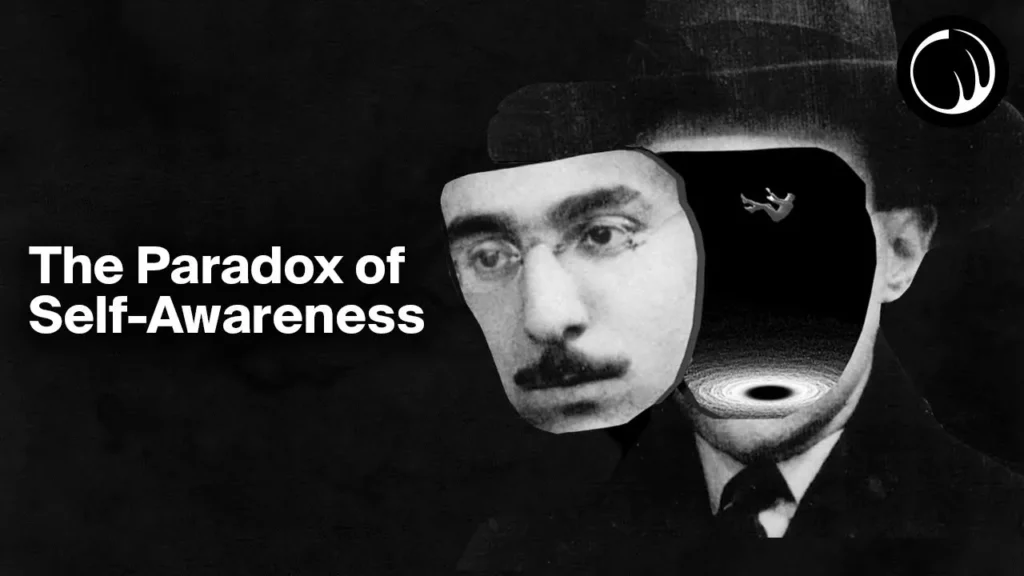
The lesson explores the life of Fernando Pessoa, a 20th-century Portuguese writer, and his posthumously acclaimed work, “The Book of Disquiet.” It highlights how Pessoa’s early experiences of loss and his innovative use of literary personas shaped his philosophical reflections on identity, alienation, and the absurdity of existence, ultimately resulting in a fragmented yet profound exploration of the human condition. The unfinished nature of the book serves as a metaphor for life’s chaos and incompleteness, inviting readers to engage with their own experiences and reflections.
The Terrible Paradox of Intelligence | H.P. Lovecraft

The lesson “The Fear of Existence: Exploring Our Place in the Cosmos” delves into the philosophical and existential anxieties surrounding human existence, particularly the fear of the unknown and our insignificance in the vast universe. Through the lens of H.P. Lovecraft’s cosmicism, it highlights how literature reflects these fears, suggesting that while the unknown can evoke dread, embracing the complexities of life can lead to personal growth and fulfillment. Ultimately, the lesson encourages a deeper understanding of our existence and the potential for meaning amidst uncertainty.
What to Do If You Run Out of Hope
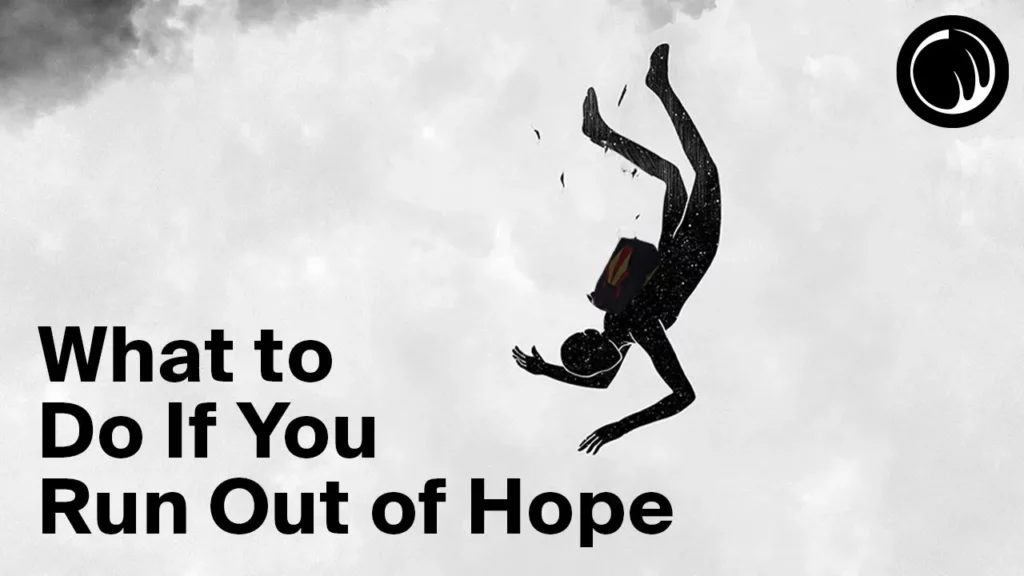
The lesson explores a personal journey from despair to a renewed understanding of life’s meaning, emphasizing that significance is derived from our experiences and connections rather than grand existential answers. Through a life-threatening skydiving incident, the author confronts mortality and realizes that embracing life’s absurdity allows for a purposeful existence. Ultimately, the reflection highlights the importance of living fully in the present and creating meaning amidst the inevitability of death.
The Call of the Void – Where Do Horrible Thoughts Come From?
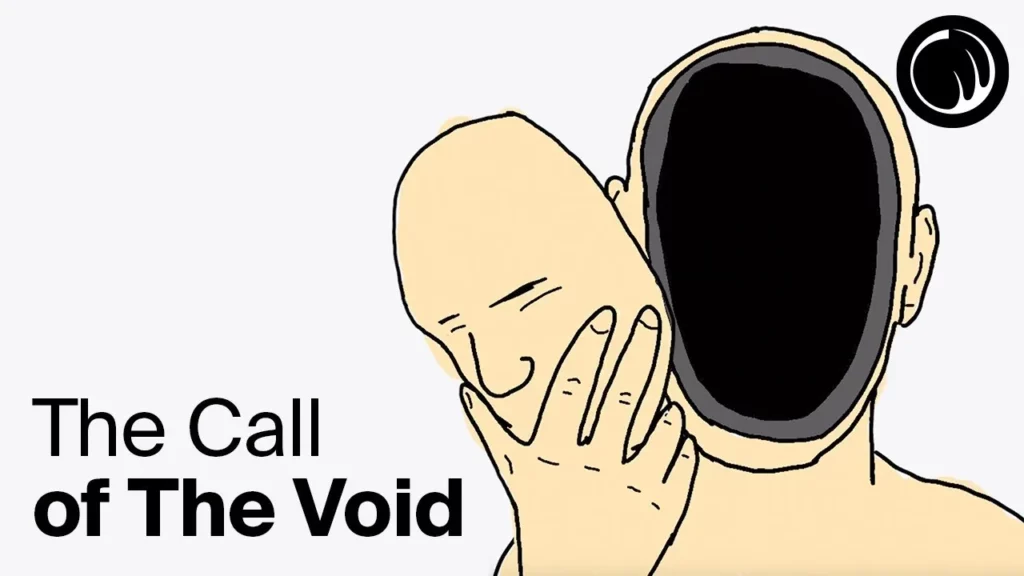
The lesson on “Understanding the Call of the Void” delves into the intriguing psychological and philosophical phenomenon where individuals experience an urge to engage in self-destructive behavior, particularly in high-risk situations. This exploration reveals that such intrusive thoughts are common and stem from a complex interplay of curiosity, survival instincts, and the existential burden of freedom, highlighting the tension between our conscious desires and unconscious impulses. Ultimately, the lesson encourages greater self-awareness and reflection on the nature of human existence and the choices we make.
3 Paradoxes That Will Change the Way You Think About Everything
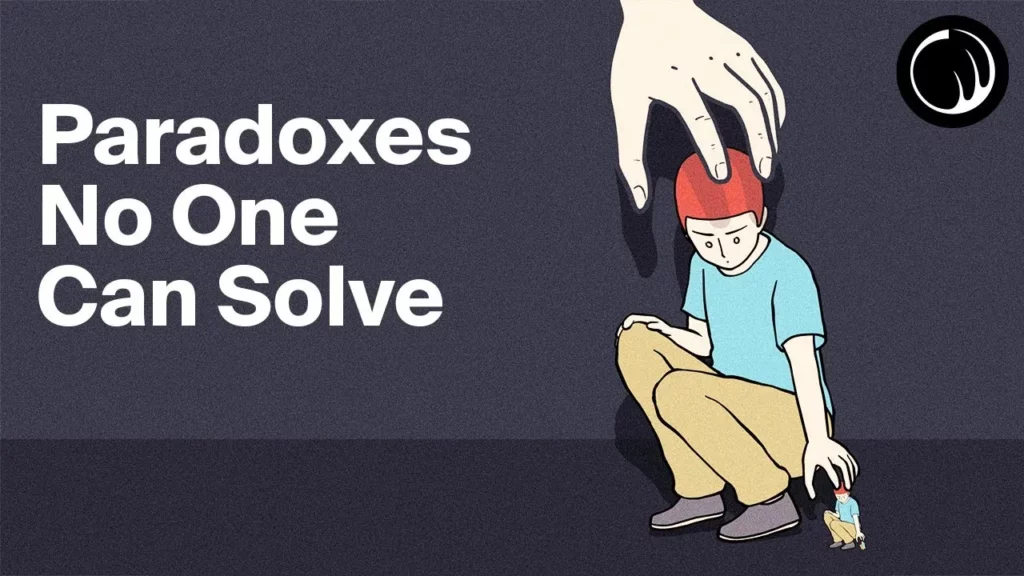
The Munchausen Trilemma, introduced by Hans Albert, illustrates the inherent difficulties in justifying knowledge and beliefs through three main approaches: circular reasoning, infinite regress, and axiomatic assumptions. This philosophical exploration challenges our understanding of knowledge, suggesting that if all justification methods are flawed, it raises the question of whether we can truly claim to know anything. Ultimately, the lesson emphasizes the importance of embracing uncertainty and engaging in philosophical inquiry as a means of fostering deeper connections and self-understanding rather than seeking absolute truths.
Mass Psychosis – A Thought Experiment That Will Change the Way You Think
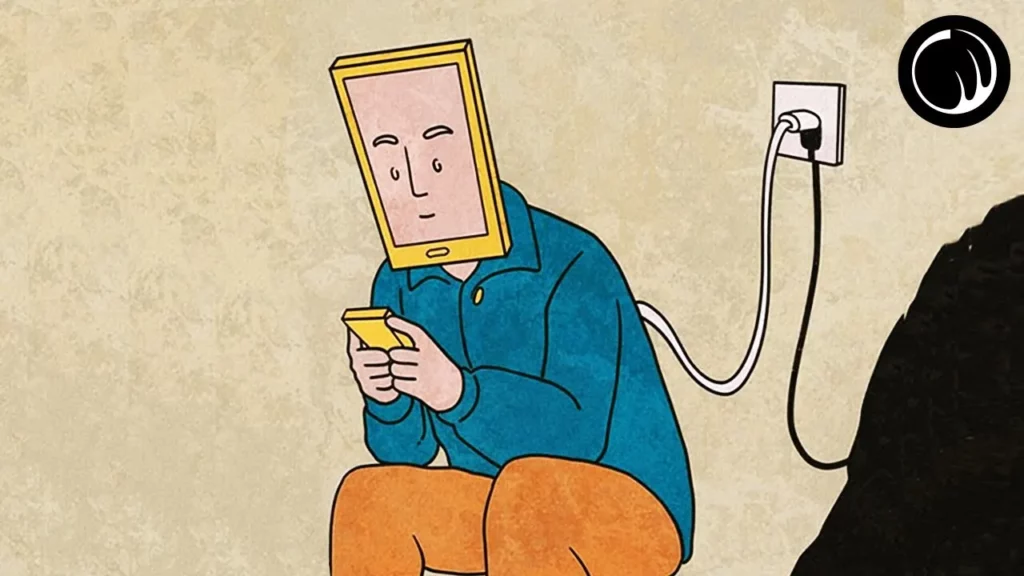
The lesson explores the implications of automation and the rise of robots in the workforce, exemplified through the character of James, a freight agent robot. It highlights the societal changes brought about by this shift, including the reliance on universal basic income and the ethical dilemmas surrounding the treatment of robots, who, despite being seen as tools, exhibit emotional complexity and a desire for meaning. Ultimately, the narrative urges a reflection on our responsibilities towards sentient beings and the importance of fostering connections in an increasingly automated world.