
The Man Who Can’t Feel Pain Or Pleasure
The lesson recounts the harrowing journey of climbers Norm and Chris during their Mount Everest expedition, highlighting the life-threatening challenges they faced, particularly when Chris succumbed to the elements. Norm’s survival led to severe psychological trauma, resulting in anhedonia, a condition that stripped him of the ability to experience pleasure or emotional significance. Through therapy, new medication, and the unwavering support of his wife, Norm gradually rediscovered his sensations and emotions, illustrating the resilience of the human spirit and the vital role of connection and love in recovery.
Feeling Lonely? You’re Not Alone
The lesson on the loneliness crisis highlights its prevalence as a significant public health issue affecting individuals across all age groups, with serious health implications comparable to smoking and obesity. It distinguishes loneliness from mere solitude, emphasizing that it stems from a perceived lack of social connection, often exacerbated by modern lifestyles and technology. To combat loneliness, the lesson suggests proactive strategies such as limiting screen time, investing in relationships, engaging in social activities, and being open to new friendships, ultimately underscoring the importance of meaningful social connections for overall well-being.
Lucid Dreams for Beginners – How to Lucid Dream Tonight (animated)
This lesson introduces the concept of lucid dreaming, where individuals become aware that they are dreaming and can control their dream experiences. It outlines preparation techniques such as keeping a dream journal and performing reality checks, as well as methods for inducing lucid dreams, including the Wake Back to Bed (WBTB) technique and Mnemonic Induction of Lucid Dreams (MILD). Ultimately, lucid dreaming offers a unique opportunity for creativity and exploration within the dream world.
10 Habits That RUIN Your Sleep
This lesson emphasizes the importance of recognizing and modifying habits that negatively impact sleep quality. It outlines ten common behaviors, such as excessive caffeine and nicotine consumption, blue light exposure from electronics, and poor eating habits, that can disrupt restful sleep. By making simple adjustments, like limiting stimulants and managing screen time, individuals can significantly improve their sleep and overall health.
Advice About Advice
The lesson emphasizes the importance of navigating contradictory advice in personal and professional growth by recognizing that not all guidance is universally applicable. It highlights how individual circumstances and evolving needs dictate which advice is relevant at any given time, encouraging a flexible mindset and regular reflection to determine what truly resonates with one’s unique situation. Ultimately, the journey of self-discovery involves adapting to new perspectives and understanding that the right advice will emerge as you progress.
The Importance Of The Not-To-Do List
The lesson emphasizes the effectiveness of a not-to-do list as a complementary tool to traditional to-do lists for enhancing productivity and focus. By identifying and avoiding distractions or unproductive behaviors, individuals can create a clearer path toward their goals, as illustrated by the example of Mike, who improved his study habits by setting boundaries. Ultimately, the lesson advocates for a balanced approach to productivity that recognizes the importance of both actions to take and those to avoid.
How to Build FOCUS and CONCENTRATION – For Studying and Work (animated)

The lesson emphasizes the importance of focus in enhancing productivity and reducing stress in a distraction-filled world. It provides practical strategies such as creating a distraction-free environment, incorporating meditation and reading into daily routines, and gradually building focus stamina through timed work sessions. By implementing these techniques, individuals can improve their concentration and overall satisfaction in both work and personal life.
What Happens When We Don’t Get Enough Sleep – Scary Effects of Sleep Deprivation (animated)
The lesson emphasizes the critical role of sleep in maintaining both physical and mental health, highlighting that sleep deprivation can lead to cognitive impairment, weight gain, impaired motor skills, and increased mortality risk. It stresses the importance of prioritizing sleep and adopting better sleep habits, such as maintaining a regular sleep schedule and creating a conducive sleep environment, to enhance overall well-being and quality of life. Ultimately, recognizing sleep as a fundamental aspect of health is essential for improving various facets of daily functioning and longevity.
Fall Asleep In 2 Minutes – 5 EASY Tips To Get INSTANT Sleep (animated)
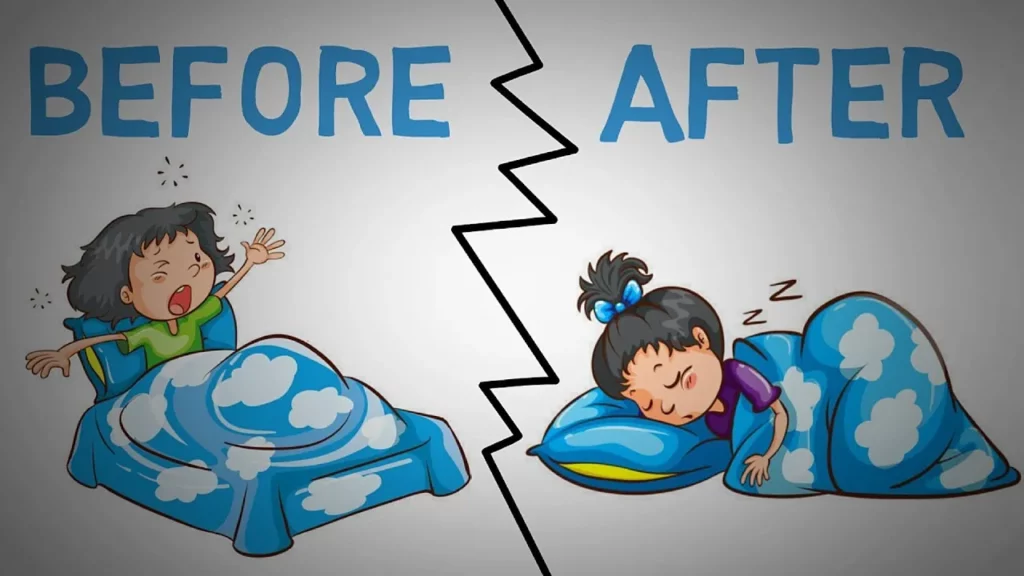
This lesson outlines effective strategies to enhance sleep quality, emphasizing the importance of creating a sleep-conducive environment and routine. Key recommendations include using your bed solely for sleep, limiting caffeine intake, maintaining a consistent sleep schedule, calming the mind before bed through relaxation techniques, and reducing exposure to light from screens. By implementing these practices, individuals can improve their ability to fall asleep and enjoy a more restful night.
How to Talk to Anyone by Leil Lownes (animated book summary) – Part 2
The lesson emphasizes the importance of effective communication skills for personal and professional success, highlighting that approximately 85% of success is linked to these abilities. It outlines five techniques to enhance conversational skills: matching the emotional state of your conversation partner, presenting mundane topics with enthusiasm, broadening your knowledge across various subjects, preparing interesting conversation starters, and personalizing expressions of gratitude. By applying these strategies, individuals can foster more engaging and meaningful interactions.