
Why It Matters Who Your Friends Are

The lesson explores how social dynamics significantly influence individual behavior, particularly through conformity and the impact of social networks on health choices. It highlights the importance of surrounding oneself with positive influences to foster healthy habits and emphasizes that both negative and positive behaviors can spread within social circles. By being mindful of our relationships and striving to be positive role models, we can enhance our well-being and inspire others to do the same.
Don’t Break The Chain – Make Habits Stick
The lesson on mastering habit formation emphasizes the importance of consistency and motivation in developing lasting habits. It introduces the “Don’t Break the Chain” method, which encourages tracking daily progress through visual cues, such as marking a calendar, to maintain momentum and prevent burnout. By starting small, focusing on a few habits at a time, and utilizing digital tools for tracking, individuals can effectively cultivate and sustain positive behaviors over time.
How To Stop Being Lazy – Defeat Laziness and Get Things Done (Animated)

The lesson on “Overcoming Laziness: Strategies for Success” emphasizes that laziness, often manifested as procrastination, can be addressed by understanding its types—burnout and motivational laziness. It offers practical strategies such as breaking tasks into smaller steps, organizing your environment, seeking accountability from others, and utilizing technology for goal tracking, all aimed at fostering a productive mindset and encouraging action. By implementing these techniques, individuals can effectively combat laziness and enhance their productivity.
What They Don’t Teach You About Money & Happiness
The lesson explores the nuanced relationship between money and happiness, highlighting that while financial stability is essential for meeting basic needs and reducing stress, its impact on overall happiness diminishes beyond a certain income threshold. Factors such as social comparison and hedonic adaptation play significant roles in how individuals perceive their happiness in relation to their financial status. Ultimately, the lesson emphasizes that true fulfillment often comes from investing in experiences, giving to others, and prioritizing meaningful relationships rather than merely accumulating wealth.
STOP MULTITASKING NOW – Why It’s NOT Efficient to Multitask (animated)

The lesson emphasizes that multitasking, often viewed as a productivity booster, can actually hinder performance and efficiency. Research highlights the concept of “attention residue,” which explains how switching between tasks can leave lingering focus on previous activities, ultimately reducing concentration and effectiveness. By prioritizing single-tasking and implementing strategies like time blocking and minimizing distractions, individuals can enhance their productivity and create a more fulfilling work experience.
Bored? 5 Ways To Spend Your Free Time
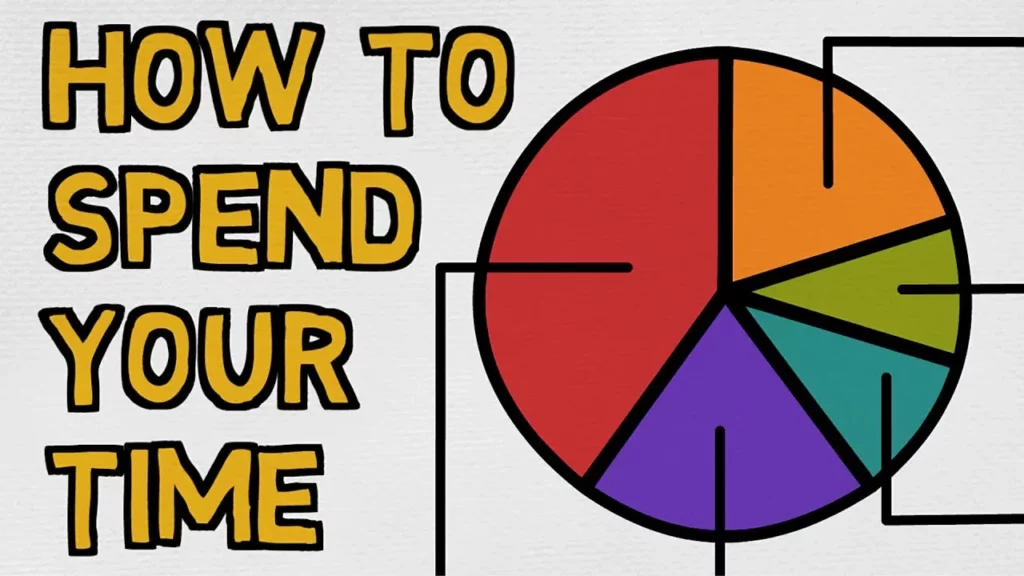
The lesson emphasizes the importance of utilizing free time effectively to combat boredom and foster personal growth. It suggests five productive activities: reading to expand knowledge, setting goals for direction and motivation, exercising to enhance both physical and mental well-being, decluttering to create a focused environment, and learning new skills to continuously improve oneself. By engaging in these activities, individuals can make the most of their time and lead more fulfilling lives.
Does Talent Exist? Is Talent Just Hard Work? (animated)
The lesson emphasizes that success is not solely a product of innate talent but rather the result of deliberate practice and hard work. Through research, particularly the findings of psychologist Anders Ericsson, it is shown that achieving excellence in any field typically requires around 10,000 hours of focused practice, highlighting the importance of setting challenging goals and actively working to improve weaknesses. Ultimately, the lesson encourages individuals to recognize that mastery is attainable through dedication and effort, rather than relying on the myth of talent.
How to Meditate as a Beginner – Meditation Guide for Beginners (animated)
The lesson emphasizes the transformative benefits of meditation, highlighting it as a scientifically-backed practice that can enhance mental health and overall well-being. By dedicating just a few minutes each day to meditation, individuals can experience reduced anxiety, increased self-esteem, improved empathy, and better memory and focus. The guide encourages beginners to start with simple techniques and maintain consistency for lasting positive changes in their lives.
Growth Mindset by Carol Dweck (animated book summary) – Growth Mindset and Fixed Mindset
Carol Dweck’s research highlights the significant impact of mindset on personal growth and success, distinguishing between a “fixed mindset,” which limits potential by viewing abilities as unchangeable, and a “growth mindset,” which embraces challenges and sees failures as opportunities for learning. By fostering a growth mindset through mindful praise, embracing challenges, and learning from failures, individuals can enhance their resilience and achieve greater success in various aspects of life. Ultimately, Dweck’s insights encourage us to recognize that our beliefs about our abilities can evolve, leading to continuous personal development.
Growth Mindset – Story of Twin Brothers (animated)
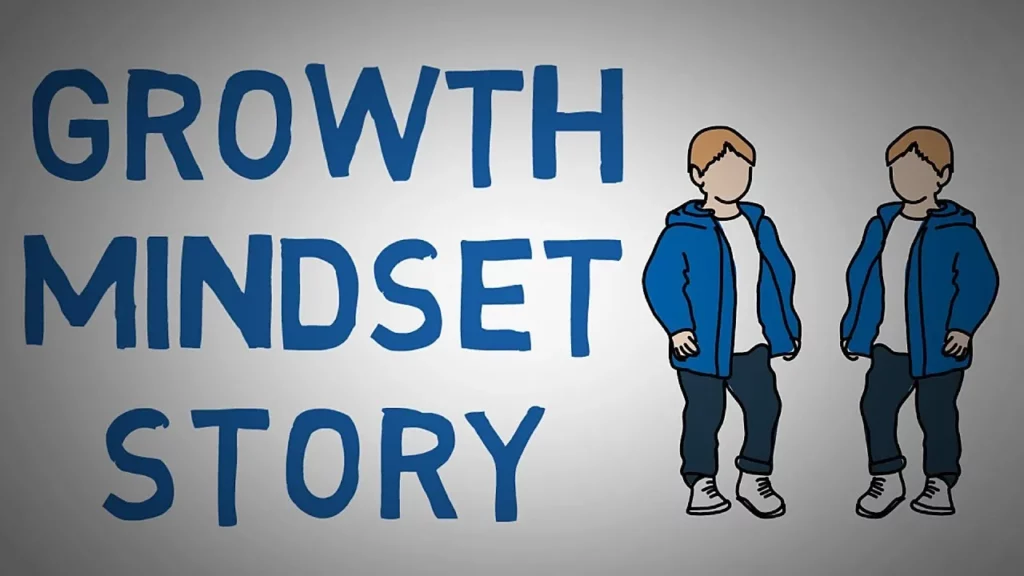
The lesson emphasizes the importance of adopting a growth mindset over a fixed mindset in navigating life’s challenges. Through the contrasting stories of two twin brothers raised by an alcoholic father, it illustrates how one’s perspective can shape their life outcomes—one brother succumbing to alcoholism due to a fixed mindset, while the other thrived by viewing challenges as opportunities for growth. Ultimately, the lesson encourages individuals to embrace challenges, learn from failures, and celebrate effort to foster resilience and personal development.