
Why You’re Better Off When Things Are F*cking Terrible
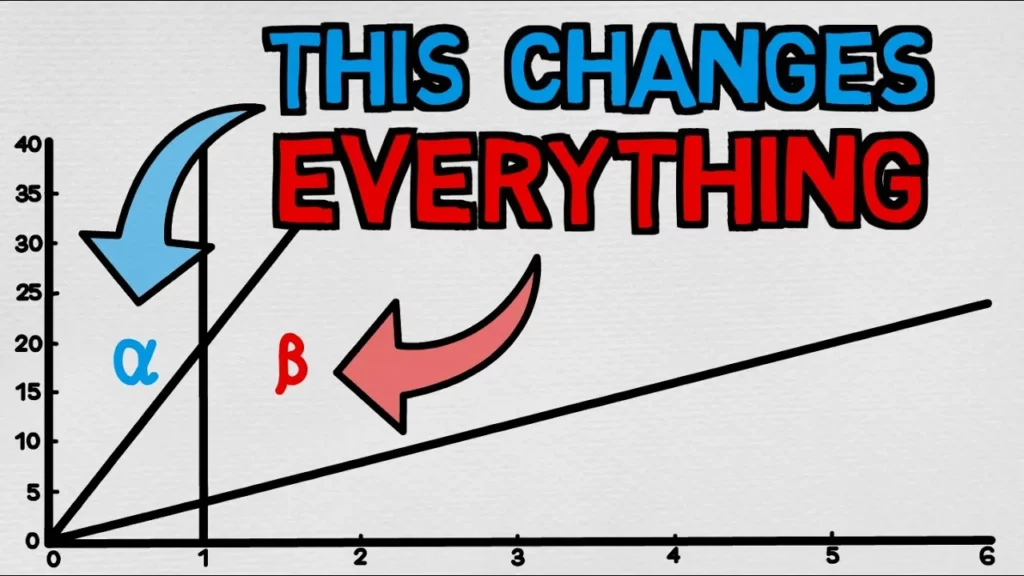
The lesson on the Region Beta Paradox highlights how experiencing discomfort can motivate individuals to pursue meaningful change in their lives. By recognizing when we are in suboptimal situations and employing strategies like fear setting, we can overcome complacency and actively seek improvement. Ultimately, embracing discomfort can serve as a catalyst for personal growth and transformation.
People Born In January Do Better In Life – Here’s Why

The lesson explores the complex factors influencing success, including the Relative Age Effect, the Matthew Effect, and the Winner Effect. It highlights how advantages based on age and background can create disparities in opportunities and outcomes, while also emphasizing the importance of resilience and the psychological benefits of small victories in overcoming challenges. Ultimately, success is portrayed as a journey shaped by both external factors and personal determination.
How To Make More Money (With Less Effort)

The lesson emphasizes the concept of talent stacking as a strategic approach to enhance one’s market value and earning potential without needing to be the best in a single area. By combining complementary skills, individuals can create a unique value proposition that reduces competition and increases their adaptability in a changing job market. The lesson encourages continuous learning and skill development to unlock new opportunities and achieve financial success.
Difference Between Introverts and Extroverts – Introvert vs Extrovert Comparison (animated)
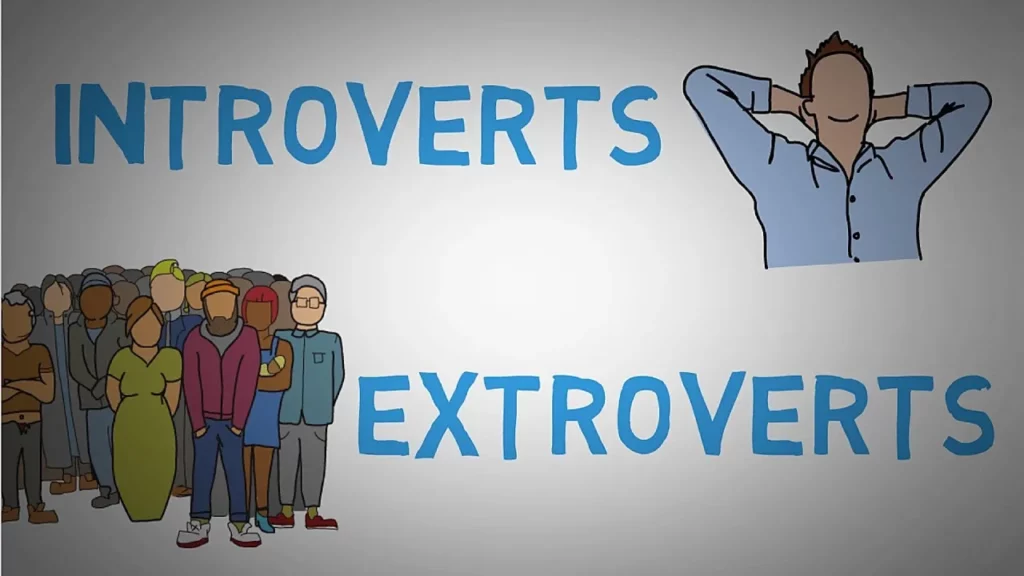
This lesson explores the introvert-extrovert spectrum, highlighting how these personality traits influence our energy levels, social interactions, and work styles. It emphasizes that while society often idealizes extroversion, both introverts and extroverts possess unique strengths that contribute to creativity and innovation. Understanding where we fall on this spectrum can foster self-acceptance and promote a more inclusive environment that values diverse personality traits.
How To Use Procrastination To Your Advantage (Productive Procrastination)
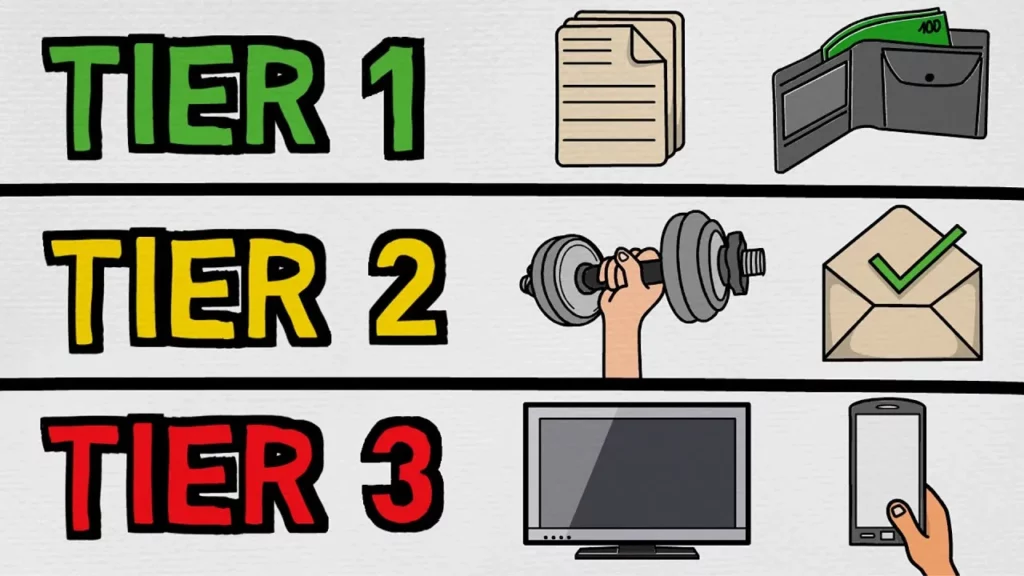
The lesson on “Understanding Productive Procrastination” emphasizes that procrastination doesn’t always equate to unproductivity; instead, it can be reframed as an opportunity to engage in less critical but still valuable tasks. By categorizing tasks into three tiers—high-impact, important but less critical, and low-value activities—individuals can navigate their time more effectively and reduce guilt associated with procrastination. The key takeaway is to focus on completing Tier 2 tasks during moments of procrastination, thereby maintaining productivity while managing overwhelming responsibilities.
This Is Your Brain On Music – How Music Benefits The Brain (animated)

The lesson explores the profound impact of music on the brain and overall well-being, highlighting its role in cognitive function, emotional regulation, and physical performance. Research indicates that music engages multiple brain regions, enhances mood through neurotransmitter release, and can improve physical endurance during exercise. Additionally, music education and participation in musical activities offer lifelong cognitive benefits, making music a vital component of a fulfilling life.
Explaining Child Prodigies – The Secret Behind Mozart’s Genius (animated)

The lesson explores the phenomenon of child prodigies, questioning whether their remarkable abilities stem from innate talent or intensive training and supportive environments. Using Wolfgang Amadeus Mozart as a case study, it emphasizes that prodigies often undergo significant practice and guidance, suggesting that hard work and dedication play a crucial role in their success. Ultimately, the lesson encourages a reevaluation of how we perceive talent, advocating for a recognition of the effort behind extraordinary achievements.
Become Miserable And Ruin Your Life

This satirical guide humorously outlines the behaviors and habits that can lead to failure in life, such as neglecting sleep, avoiding exercise, and indulging in poor nutrition. It serves as a cautionary reminder of what to avoid in order to achieve a fulfilling life, emphasizing the importance of sleep, physical activity, financial responsibility, goal-setting, accountability, and continuous education. Ultimately, the lesson encourages readers to recognize these pitfalls and take proactive steps toward a more successful and meaningful existence.
What “Success” Actually Is – And What It Isn’t
The lesson emphasizes that success is a subjective concept that varies from person to person, as illustrated by the contrasting paths of two brothers, Mike and John. While Mike pursued traditional markers of success like wealth and status, he sacrificed personal well-being and relationships, whereas John found fulfillment through his passion for photography, prioritizing happiness over financial gain. Ultimately, the key takeaway is to define success on your own terms, free from societal pressures, and to pursue a path that aligns with your values and brings genuine joy.
Why You Should Read Books – The Benefits of Reading More (animated)
The lesson emphasizes the vital role of reading in enhancing mental exercise, focus, and personal growth in our fast-paced world. It highlights that reading not only serves as a powerful relaxation technique and a means to reduce stress but also contributes to cognitive health and knowledge acquisition. Ultimately, the lesson advocates for prioritizing reading over quicker alternatives like video summaries to fully reap these benefits.