
The 4 Hour Work Week by Tim Ferriss (animated book summary) – Escape The 9-5

The lesson from “The Four Hour Workweek” challenges the traditional deferred life plan, which prioritizes long-term work for a relaxing retirement, by advocating for a more fulfilling approach to life and work. Tim Ferriss emphasizes the importance of relative income, effectiveness over mere efficiency, and the power of outsourcing to maximize personal satisfaction and freedom. Ultimately, the lesson encourages individuals to design their ideal lives by prioritizing meaningful activities and personal growth rather than simply accumulating wealth for future enjoyment.
The 5/25 Rule – How Warren Buffett Sets His Goals (animated)

The lesson from Warren Buffett emphasizes the importance of laser-like focus in achieving success. By encouraging his pilot to identify and prioritize his top five goals from a list of 25, Buffett illustrates that narrowing one’s focus is crucial to avoid distractions and enhance productivity. This approach not only fosters clarity in aspirations but also promotes a disciplined mindset that can lead to significant accomplishments.
Use Laziness To Your Advantage – The 20 Second Rule

The lesson on “Overcoming Laziness: The Power of the 20 Second Rule” emphasizes the importance of recognizing and modifying our default behaviors to foster personal growth. By implementing the 20 Second Rule, which involves making desired activities easier and unwanted ones harder, individuals can effectively change their habits and reduce laziness. Practical strategies, such as adjusting the environment and lowering activation energy for positive actions, empower individuals to take control of their habits and lead more fulfilling lives.
Exercise Makes You Smarter – This Is Why (animated)
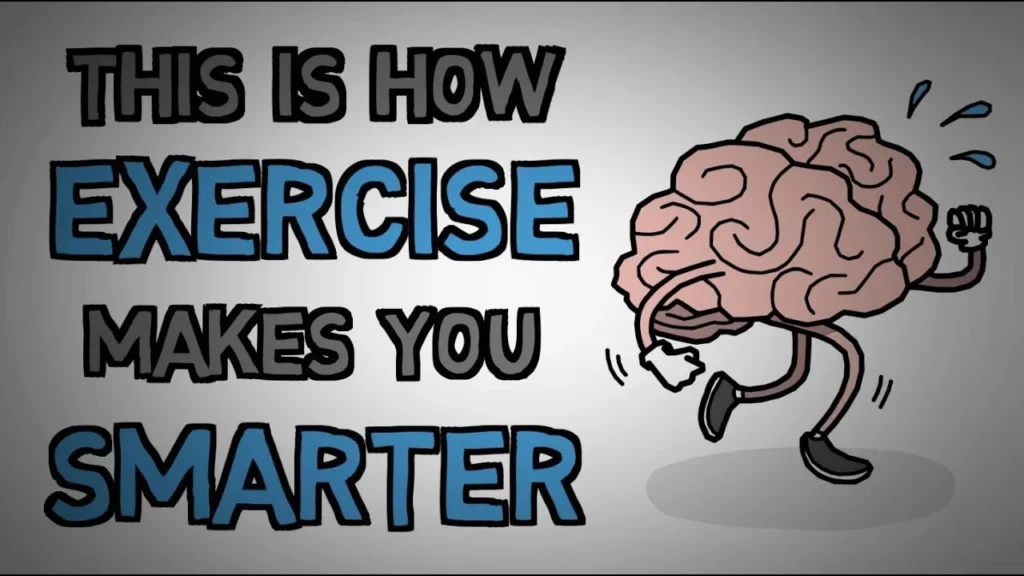
The lesson explores the emerging stereotype of the “smart jock,” highlighting the scientific evidence that links physical exercise to improved cognitive function and intelligence. Research indicates that regular physical activity can enhance brain health by promoting the growth of new brain cells and increasing levels of Brain-Derived Neurotrophic Factor (BDNF), which is crucial for learning and memory. Ultimately, the lesson emphasizes that integrating exercise into one’s routine can significantly boost academic performance and overall brainpower.
How I Tricked My Brain To Like Doing Hard Things (dopamine detox)
This lesson explores the crucial role of dopamine in motivation and productivity, highlighting how modern high-dopamine activities like social media and video games can lead to dopamine tolerance, making everyday tasks feel less rewarding. It offers strategies such as dopamine detoxing—temporarily avoiding stimulating activities—to reset the brain’s reward system and enhance motivation for more productive pursuits. By finding a balance between high and low-dopamine activities, individuals can foster a healthier relationship with dopamine, prioritizing long-term goals over immediate gratification.
The Best Study and Learning Technique – The Feynman Technique (animated)

The Feynman Technique is a powerful learning strategy that emphasizes understanding concepts by explaining them in simple language, akin to teaching someone else. This active learning approach not only enhances comprehension and retention but also helps identify knowledge gaps, leading to more effective study habits. By simplifying complex ideas, learners can achieve deeper understanding and improve their communication skills.
Why You’re Poor, Fat & Stupid
The lesson emphasizes the importance of mindset in overcoming learned helplessness, a concept introduced by psychologist Martin Seligman, which illustrates how negative experiences can lead individuals to feel powerless. By recognizing and challenging limiting beliefs, adopting a growth mindset, and consistently taking small steps towards change, individuals can break free from cycles of self-doubt and reshape their identities. Ultimately, the lesson encourages embracing personal growth and taking control of one’s life narrative.
Can You Sleep Too Much? (The Answer Might Surprise You)

The lesson emphasizes the critical role of sleep in maintaining overall health and longevity, highlighting that insufficient sleep can lead to serious mental and physical health issues, including depression, anxiety, heart disease, and weight gain. It underscores the importance of aiming for 7-9 hours of sleep per night, while also noting that both sleep deprivation and excessive sleep can have detrimental effects on health. Ultimately, prioritizing adequate sleep is essential for optimal body and mind function.
Essentialism

The lesson on “Embracing Essentialism” emphasizes the importance of prioritizing what truly matters in our lives rather than succumbing to the pressures of constant busyness. By adopting an essentialist mindset, individuals can make informed decisions about their time and energy, recognizing the trade-offs involved in every commitment and learning to say “no” to non-essential tasks. Ultimately, this approach fosters a more meaningful and fulfilling life by allowing us to focus on the critical actions that yield the greatest results.
Small Daily Actions Lead To Massive Results – Consistency Is Key (animated)

The lesson from Mike’s story emphasizes the importance of persistence and consistent effort in achieving our goals, illustrating that significant progress often occurs beneath the surface before it becomes visible. Through the analogy of the man chipping away at a rock and the gym experience, it highlights that small, daily actions can lead to substantial improvements over time, while also cautioning against the cumulative effects of negative choices. Ultimately, the narrative encourages us to focus on making positive daily decisions, as they shape our future success and well-being.