
Why You Can’t FOCUS – And How To Fix That
The lesson emphasizes the importance of focus in enhancing productivity and overcoming distractions in a fast-paced world. It distinguishes between scattered focus, characterized by divided attention, and directed focus, which is essential for high achievement. By identifying barriers to concentration and implementing practical strategies such as eliminating distractions, establishing routines, and practicing mindfulness, individuals can develop their focus as a valuable skill over time.
How To Unlock INSANE Productivity Even If You’re Lazy
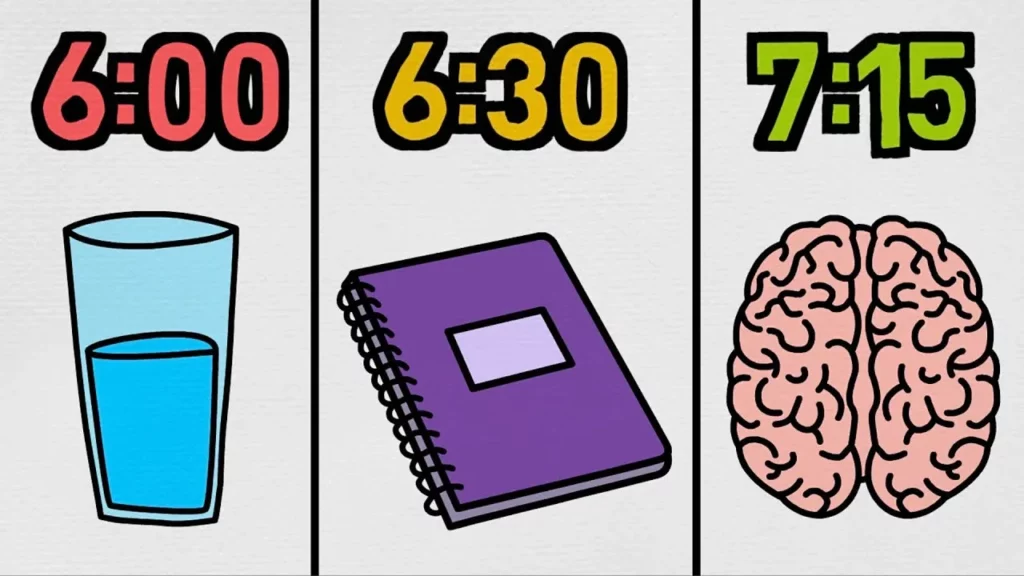
The lesson emphasizes the importance of crafting a personalized productive routine tailored to individual goals, work styles, and energy levels. It highlights strategies such as establishing a pre-work ritual to overcome mental resistance, identifying peak productivity times through experimentation, and focusing on the process rather than just the outcome to foster sustainable productivity habits. By adapting routines to fit changing circumstances, individuals can enhance their efficiency and enjoyment in their work.
Comfort Will Ruin Your Life
The lesson emphasizes the importance of embracing challenges to foster personal growth by stepping out of our comfort zones. It outlines the concept of the comfort zone, explains how remaining in it can hinder progress, and provides three strategies—consistency, intensity, and duration—to help individuals push their limits. Ultimately, the lesson encourages taking small, manageable steps toward discomfort to unlock long-term benefits and achieve one’s full potential.
I Increased My Productivity 10x – By Turning My Life Into a Game

The lesson explores the captivating nature of video games and how their engaging elements can be applied to enhance real-life experiences. By leveraging principles such as setting clear objectives, tracking visible progress, rewarding efforts, introducing variety, and maintaining consistent challenges, individuals can create a more fulfilling and motivating daily life. Ultimately, the lesson encourages reflection on personal goals and the incorporation of game-like strategies to make life’s pursuits more compelling.
Why You’re Always Tired Between 1pm – 4pm (and what to do about it)
The lesson on the “afternoon slump” explores the common experience of decreased energy and focus that many people face between 1 PM and 4 PM, highlighting its causes, such as circadian rhythms, lack of sleep, and heavy lunches. It emphasizes the negative impact this slump can have on productivity in various settings, including workplaces and schools, and offers practical strategies to combat it, such as taking breaks, power naps, and adjusting work tasks to align with energy levels. By understanding and managing these factors, individuals can enhance their performance and well-being throughout the day.
Why Do Stupid People Think They’re Smart? The Dunning Kruger Effect (animated)

The lesson on the Dunning-Kruger Effect explores how individuals with low competence in a specific area often overestimate their abilities, while those with high competence may underestimate their skills. This cognitive bias, illustrated by the bizarre case of a bank robber who believed lemon juice would make him invisible, highlights the importance of self-awareness and continuous learning. To mitigate the Dunning-Kruger Effect, individuals are encouraged to seek knowledge, engage in self-reflection, find mentorship, and maintain humility in their learning journeys.
Goals vs Systems
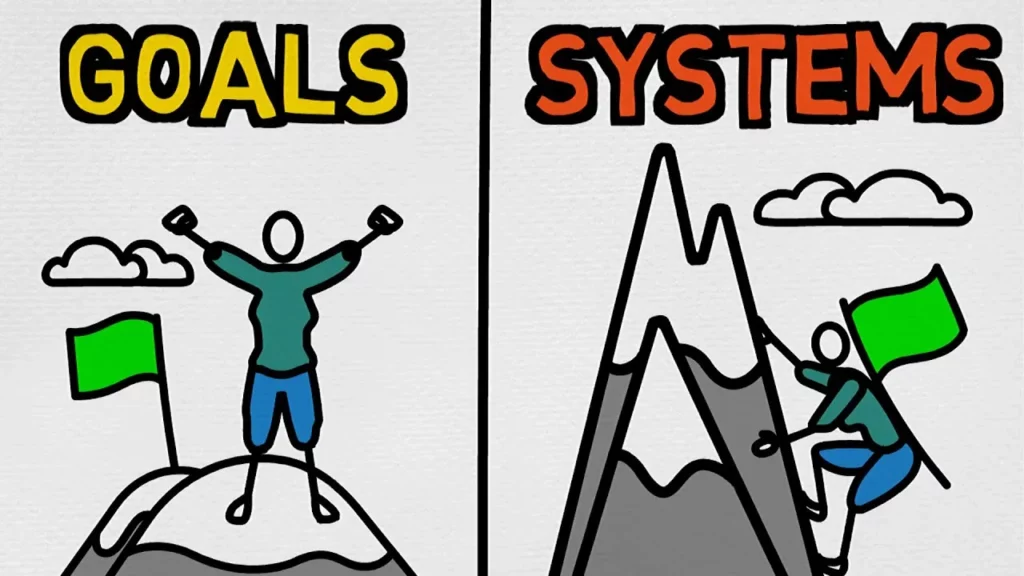
The lesson emphasizes the importance of focusing on systems rather than goals for achieving success. While goals provide specific targets, they can create pressure and feelings of failure if not met, leading to frustration. By developing effective systems—ongoing processes that guide progress—individuals can experience consistent improvement and fulfillment, ultimately making the journey toward success more rewarding.
How To Actually Get Things Done (implementation intentions)
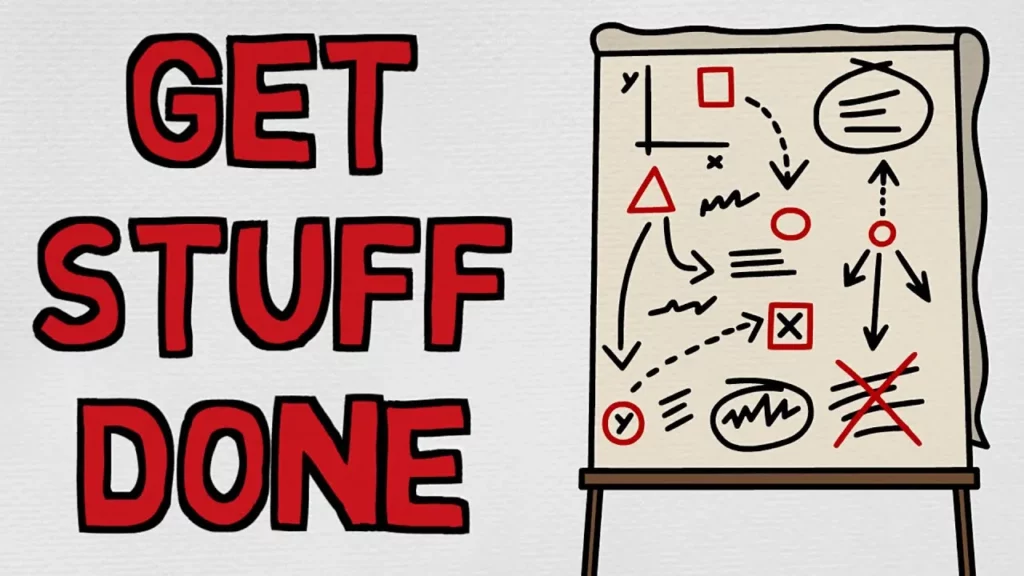
The lesson emphasizes the importance of transforming intentions into actions through the use of implementation intentions and coping plans. By creating specific “if-then” plans, individuals can clarify their goals and outline actionable steps, significantly increasing the likelihood of following through on their commitments. Additionally, incorporating coping plans helps address potential obstacles, ensuring a proactive approach to achieving personal goals and fostering lasting behavior change.
The Only Skill You Need To Get Ahead of 99% of People

The lesson emphasizes the importance of delayed gratification as a crucial skill for achieving long-term success and excellence. Through the example of the Marshmallow Test, it illustrates how the ability to resist immediate rewards can lead to better life outcomes, while also highlighting the role of environmental factors in developing self-control. By adopting strategies such as setting limits, self-negotiation, and being mindful of choices, individuals can cultivate this skill and align their actions with their long-term goals.
How Exercise Benefits Your Brain – Exercise and The Brain (animated)
The lesson emphasizes the profound impact of exercise on brain health, highlighting that physical activity not only enhances cognitive function but also plays a crucial role in mood regulation and the prevention of cognitive decline. It contrasts our modern sedentary lifestyles with the active habits of our ancestors, underscoring the need for regular high-intensity aerobic exercise to promote brain health. By integrating movement into daily routines, individuals can improve their overall well-being and cognitive abilities.